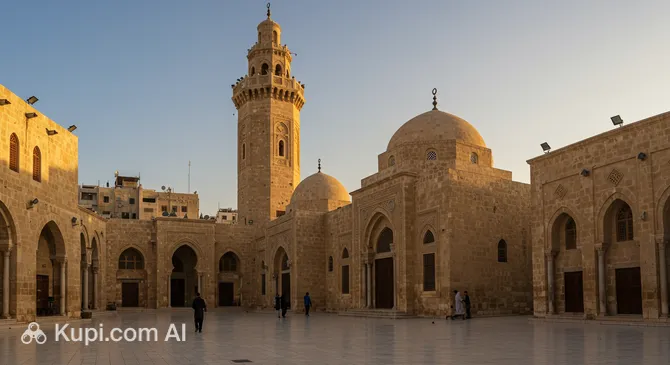
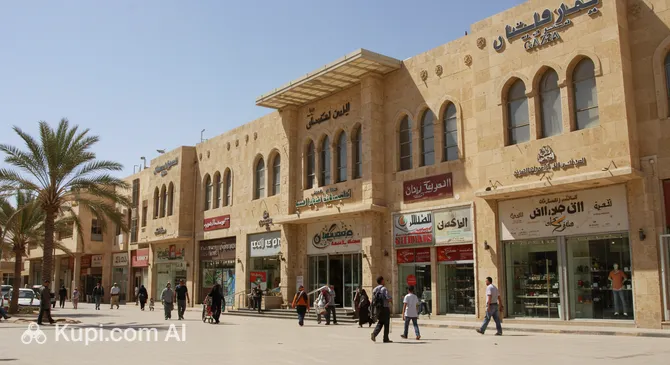
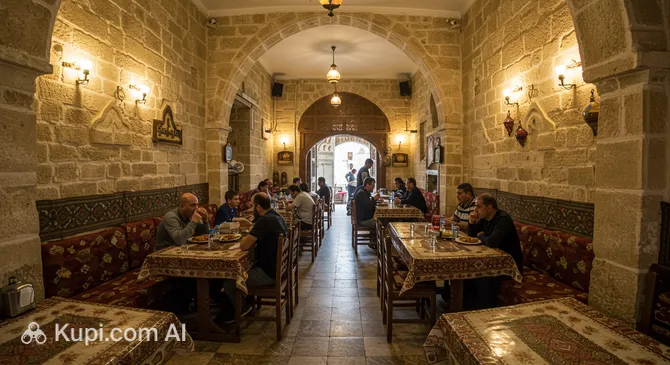
The Gaza Strip is a narrow strip of land on the eastern coast of the Mediterranean Sea, boasting an ancient and rich history. Despite its modest size, this territory has played a significant role in the history of the region for thousands of years. The administrative center and largest city is Gaza, one of the oldest continuously inhabited cities in the world.
The cultural heritage of the Gaza Strip reflects the numerous civilizations that have left their mark here – from the ancient Egyptians and Philistines to the Romans, Byzantines, and Ottomans. This is evident in archaeological finds and historical monuments, such as the Great Omari Mosque in Gaza, which preserves layers of history. Visitors interested in deep historical context may also be drawn to cities like Khan Yunis, known for its traditional markets.
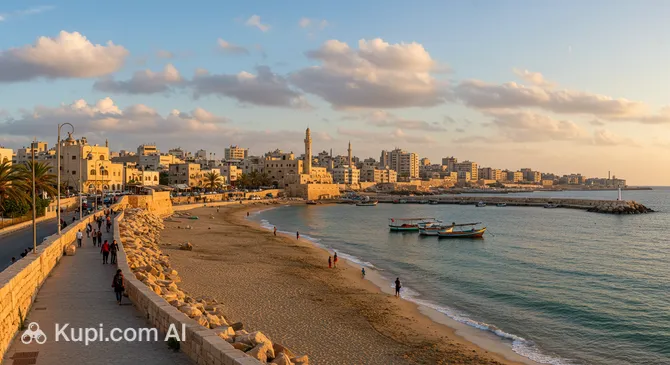
Despite its compactness, the Gaza Strip boasts a long coastline along the Mediterranean Sea with sandy beaches. The climate here is typically Mediterranean, with hot, dry summers and mild, wet winters, which historically favored the development of agriculture, particularly the cultivation of citrus fruits and olives. The atmosphere of this place is complex and multifaceted, imbued with a spirit of resilience and rich cultural traditions passed down through generations.