Oman Sultanate Of

About

Oman is a wonderful country on the southeast of the Arabian Peninsula, offering tourists a unique combination of ancient culture, breathtaking landscapes, and modern comfort. It is a place where centuries-old traditions harmoniously intertwine with the present, creating a unique atmosphere of hospitality and mystery. The country's capital, Muscat, enchants with its picturesque waterfront, ancient forts, and snow-white buildings reflecting the region's rich history.

Oman's nature is striking in its diversity: from the endless sands of the Rub' al Khali desert to the majestic Hajar Mountains and the emerald waters of the Gulf of Oman. Here you can explore deep wadi canyons with fresh water, relax on secluded beaches, or watch dolphins and turtles. The country's climate is predominantly hot and sunny, making it attractive for visits year-round, although the southern Dhofar region, home to the city of Salalah, turns into a true green oasis during the Khareef summer monsoon.
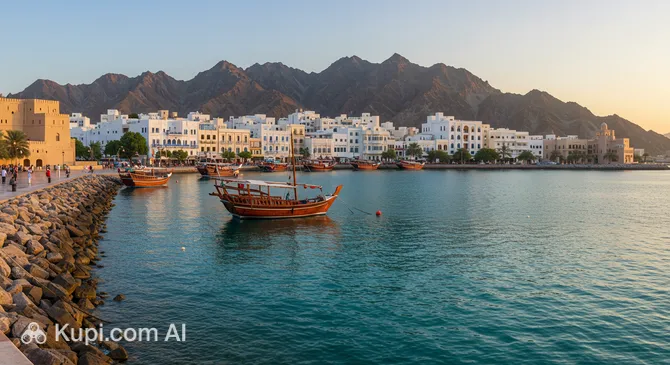
Illustration.
Source: Kupi.com AI

Oman is proud of its rich cultural heritage. Travelers await numerous ancient forts, such as the impressive Nizwa Fort in the ancient capital of Nizwa, colorful oriental bazaars (souks) where you can purchase traditional handicrafts, spices, and incense. Omanis are famous for their warmth and hospitality, making a stay in the country particularly pleasant and memorable. This destination is ideal for those seeking authentic experiences, wanting to touch Arab culture, and enjoy the beauty of pristine nature.

Currency

The national currency of Oman is the Omani Rial (international code – OMR). An interesting feature is that one rial is divided into 1,000 baisa, rather than 100, as is common in many other countries. Omani rial banknotes often feature portraits of the Sultan of Oman, as well as significant architectural structures, national ornaments, and symbols reflecting the country's rich culture and history.

Foreign currency can be exchanged for Omani rials at banks and licensed exchange offices found at airports, shopping centers, and major cities like Muscat. As a rule, exchange rates at banks and official exchange offices are more favorable than at hotels. It is recommended to avoid exchanging money with street money changers. Credit cards (Visa, Mastercard, American Express) are widely accepted in hotels, restaurants, and large stores, especially in tourist areas. Nevertheless, for small purchases at markets or in small establishments, it is always useful to have some cash on hand.

Visa Requirements

When planning a trip to Oman, it is important to familiarize yourself with visa requirements in advance, as they may vary depending on your citizenship. For citizens of many countries, including Gulf countries, as well as a number of states in Europe, North America, and other regions, visa-free entry for a certain period or the possibility of obtaining an e-visa or visa on arrival may be available. However, for some nationalities, obtaining a tourist visa in advance through an Omani embassy or consulate may be required.

Regardless of the visa type, to enter Oman you will need a valid passport, the validity of which should usually be at least six months from the date of intended entry. You may also need return tickets, hotel booking confirmation, and medical insurance. Since visa rules can change, it is strongly recommended to check the most up-to-date information on the official website of the Royal Oman Police, the Omani Ministry of Foreign Affairs, or at the nearest Omani embassy/consulate before your trip.

We'll let you know if you need a visa

Enter your destination or
Your nationality
Destination

Timezones

When planning a trip to Oman, you won't have to worry about changing time zones within the country. The entire territory of Oman follows a single time zone — GST (Gulf Standard Time), which corresponds to UTC+4 (Coordinated Universal Time plus 4 hours). This means that the time in the capital, Muscat, and in any other part of the country will be the same.

Due to the absence of internal time differences, traveling around Oman is very convenient: there is no need to reset your watch when moving from one region to another. Simply set your watch to local time upon arrival and enjoy exploring this amazing country without any extra hassle.

Getting There

There are several ways to reach Oman, and the choice depends on your location and preferences. The most popular option is air travel. The country has several international airports, the main one being the airport in the capital, Muscat. Regular flights connect Oman with many countries in Europe, Asia, Africa, and the Middle East, offering both direct flights and convenient connections through major international hubs.

For those who prefer land travel, Oman is accessible by land from neighboring countries, particularly the United Arab Emirates. Bus routes exist, and you can also cross the border by private or rental car. Additionally, thanks to its extensive coastline, Oman is an attractive destination for sea cruises. Cruise ships often call at the ports of Muscat and Salalah, providing tourists with an opportunity to get to know the country from the sea.

When planning a trip to Oman, it is recommended to book tickets in advance, especially if your travel falls during the peak tourist season (usually from October to April). This will not only help you save money but also guarantee seat availability on your chosen flights or cruises. Also, do not forget to check visa requirements for citizens of your country in advance.

AirportCityIATA
Muscat International AirportMuscatMCT
Salalah International AirportSalalahSLL
Sohar AirportSoharOHS
Duqm International AirportDuqmDQM
Khasab AirportKhasabKHS

Oman offers travelers an amazing variety of destinations: from bustling urban centers preserving centuries of history to modern resorts with magnificent beaches and unique nature reserves. Each place in this country has its own unique character and is ready to provide vivid impressions.

Illustration.
Source: Kupi.com AI

The heart of the country is undoubtedly its capital – Muscat. This city skillfully intertwines ancient oriental traditions with ultra-modern architecture. Tourists will find majestic mosques, lively markets where they can immerse themselves in local culture, as well as modern museums and comfortable hotels. Another popular city is Salalah, located in the south of the country. It attracts visitors with its unique monsoon climate (Khareef), turning the surroundings into a green oasis, and beautiful Indian Ocean beaches.

For connoisseurs of history and authentic culture, a visit to Nizwa, the ancient capital of Oman, is a must. Here you can see an impressive 17th-century fort, stroll through a traditional market, and get acquainted with local crafts. If you dream of unusual landscapes, head to Khasab, called the "Norway of Arabia" for its picturesque fjords and the opportunity to watch dolphins. Do not overlook the coastal town of Sur, known for its old shipyards where traditional dhow boats are still built, and beaches where sea turtles lay their eggs.

Top Attractions

Oman is a country with a rich history and culture, offering travelers unique attractions. From majestic mosques and ancient forts to colorful markets, everyone will find something for themselves to create an unforgettable itinerary through this amazing land.

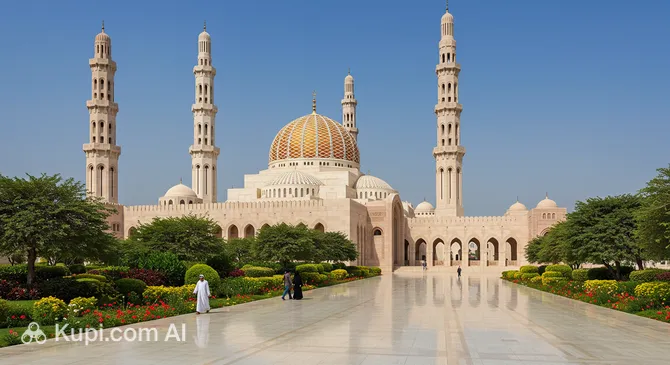
One of the most impressive religious buildings is the Sultan Qaboos Grand Mosque in Salalah. This magnificent structure strikes with its exquisite architecture, rich interior decoration, and peaceful atmosphere, being not only an important spiritual center but also a true work of art.

Illustration.
Source: Kupi.com AI

Traveller photos:

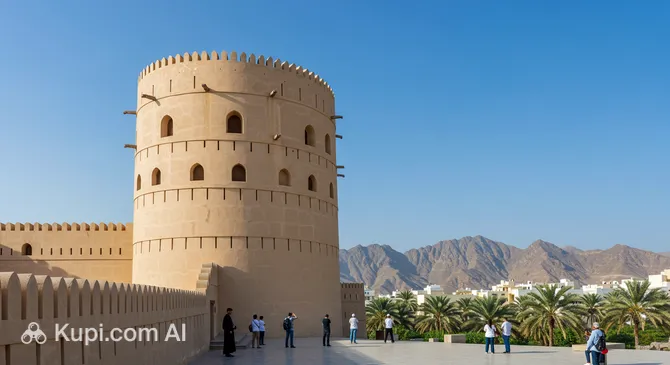
For those interested in history and fortifications, Nizwa Fort is a must-see. This powerful 17th-century fort, one of the oldest and largest in Oman, rises above the city of the same name and offers visitors not only a journey into the past but also breathtaking panoramic views of the surrounding oasis and mountains.

Illustration.
Source: Kupi.com AI

Traveller photos:

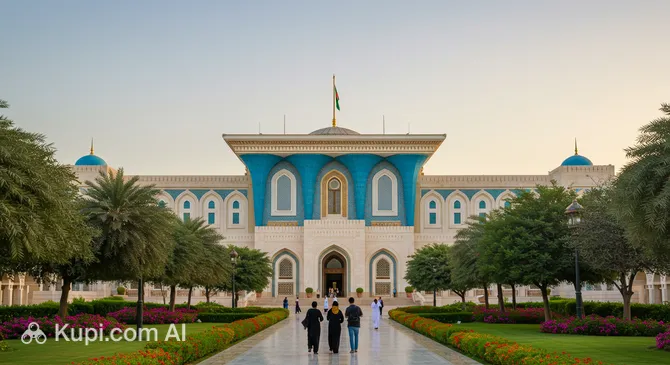
In the country's capital, Muscat, one of the landmark sites is Al Alam Palace. This is one of the six ceremonial palaces of the ruling Sultan, standing out for its bright and modern Islamic architecture. Although interior access for tourists is closed, its unusual facade, framed by mushroom-shaped columns, attracts many visitors for commemorative photos.

Illustration.
Source: Kupi.com AI

Traveller photos:

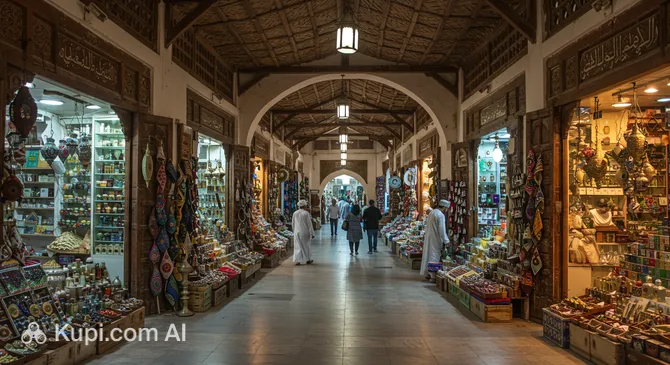
To experience authentic oriental flavor and purchase unique souvenirs, be sure to visit Mutrah Souq in Muscat. This traditional Arab market, one of the oldest in the country, will envelop you in the aromas of frankincense and spices, the glitter of silver jewelry, and the colorful diversity of textiles, offering a true immersion into local culture.

Illustration.
Source: Kupi.com AI

Traveller photos:

Best Time to Visit

The best time to visit most of Oman is from October to April. During this period, comfortable sunny weather settles in with average air temperatures of +20-30°C, which is ideal for exploring the country, whether it's sightseeing in Muscat, desert trips, or coastal relaxation. Evenings bring a pleasant coolness. This period is considered the high season, so expect more tourists and, accordingly, higher prices for accommodation and services. It is during this time, usually in January or February, that the colorful Muscat Festival takes place, attracting many visitors with its cultural program.

The summer months, from May to September, in most regions of Oman, including the capital and northern areas, are characterized by extreme heat, with temperatures often exceeding +40°C, supplemented by high humidity on the coast. This is the low season for these areas, meaning fewer tourists and potentially lower prices; however, daytime excursions can be difficult due to the heat. An exception is the southern Dhofar region and its main city, Salalah, where the unique Khareef rainy season occurs from June to September. At this time, it is cooler here, nature comes alive, covered in greenery, and the Salalah Khareef Festival is held, making this region a popular destination in the summer, especially among residents of neighboring countries seeking escape from the heat.

Thus, the choice of when to travel to Oman largely depends on your plans and preferences. If you want to explore historic cities like Nizwa or Bahla and enjoy comfortable weather across the country, choose the winter months. If you are attracted by the unique Khareef season and lush greenery, then head to Salalah in the summer. Given the variety of climatic zones, especially between the northern coast, desert areas, and the southern Dhofar region, it is always recommended to check weather conditions for specific locations on your route before traveling.

Traditions

Oman is a country with rich traditions where respect and hospitality play a key role. When greeting locals, use the traditional "As-salamu alaykum" (peace be upon you), to which they will respond "Wa-alaykum as-salam" (and upon you be peace). Handshakes are common between people of the same gender. Omanis are very hospitable, and an invitation to a home is a sign of special regard. If you are invited, a small souvenir from your country or sweets would be a nice gesture, though not mandatory. It is important to remember that the left hand is considered "unclean," so always use your right hand for passing objects, eating, or shaking hands. Photographing people, especially women, without their permission is considered impolite, as is public display of affection or loud talking in public places.

Observing the dress code is another way to show respect for local culture. Modest clothing covering shoulders and knees is recommended for both men and women in public places. When visiting mosques, women need to cover their heads and wear long, loose clothing, while men should wear long trousers and a shirt. At the table, especially if the meal is on the floor, do not stretch your legs towards the food or other people. Often Omanis eat with their right hand from a shared dish, and you will certainly be offered Omani coffee "kahwa" with dates – a symbol of hospitality that you should not refuse, taking at least one small cup. Among the main holidays, Oman National Day (usually November 18) is celebrated with great pomp, as well as the religious holidays of Eid al-Fitr and Eid al-Adha, the dates of which are determined by the lunar calendar. Showing sincere respect for local customs, religion, and the older generation will make your journey through Muscat and other parts of Oman truly comfortable and unforgettable.

Entertainment

Oman is a country where everyone will find entertainment to their liking, whether it's immersion in ancient culture or active recreation amidst stunning nature. Adventure seekers can go on exciting jeep safaris across the endless desert sands, go hiking in the majestic Hajar Mountains, explore hidden wadis with emerald water, or enjoy diving and snorkeling in the species-rich waters of the Gulf of Oman and the Arabian Sea. The country's cultural life is centered around numerous historical forts, palaces, and museums where you can learn about Oman's rich heritage. In the capital, Muscat, and other major cities, you can visit theaters, art galleries, as well as various cultural events and festivals reflecting local traditions.

For those who prefer a more relaxed vacation and shopping, Oman offers colorful oriental bazaars (souks), especially famous in Muscat and Nizwa. Here you can buy traditional souvenirs: the famous Omani khanjar daggers, handmade silver items, fragrant incense (including frankincense), exotic spices, and colorful fabrics. Nightlife in Oman is quite conservative and respectable, mainly concentrated in restaurants and lounge bars within hotels, where you can enjoy dinner with local and international cuisine, often accompanied by live music. For family vacations, well-maintained public beaches and parks are excellent, as are boat trips with the chance to see dolphins. Although there are no large theme parks in the country, the natural beauty, hospitality of the locals, and peaceful atmosphere will make a vacation with children pleasant and memorable.

Currency rates

Planning a trip? Wonderful! To make sure the financial side of your journey holds no surprises, it's worth remembering that exchange rates are constantly changing. That's why we strongly recommend keeping an eye on current rates both before departure and throughout your trip. To help with that, you can use the data provided below — we monitor exchange rates 24/7 and strive to provide the most up-to-date information.

OMR exchange rate for 13/08/2026

9.60 AED
~ 1 OMR
956.03 AMD
~ 1 OMR
3.70 AUD
~ 1 OMR
4.44 AZN
~ 1 OMR
7.78 BYN
~ 1 OMR
3.64 CAD
~ 1 OMR
2.27 EUR
~ 1 OMR
1.93 GBP
~ 1 OMR
825.87 HUF
~ 1 OMR
249.25 INR
~ 1 OMR
228.51 KGS
~ 1 OMR
3701.33 KRW
~ 1 OMR
1217.22 KZT
~ 1 OMR
9.75 PLN
~ 1 OMR
216.21 RUB
~ 1 OMR
9.80 SAR
~ 1 OMR
3.34 SGD
~ 1 OMR
124.78 TRY
~ 1 OMR
117.01 UAH
~ 1 OMR
2.61 USD
~ 1 OMR
31159.92 UZS
~ 1 OMR

Reached the bottom of the page?

Looks like you know this route inside out

We use cookies and services to collect user information. This is essential for the functioning of the site and for marketing purposes. You can find out more in .