Iraq

About

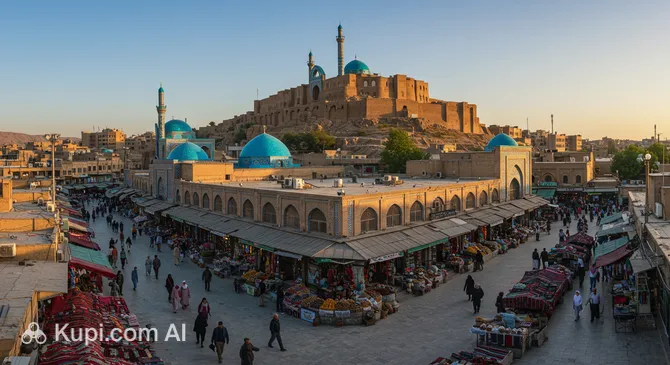
Iraq, located in the heart of ancient Mesopotamia, between the Tigris and Euphrates rivers, is a country with an incredibly rich history dating back millennia. This land, known as the "cradle of civilization," gave the world writing, laws, and the great cities of antiquity. The country's capital, Baghdad, is itself a city with a multi-century history, once one of the most important centers of science, culture, and trade in the Islamic world.
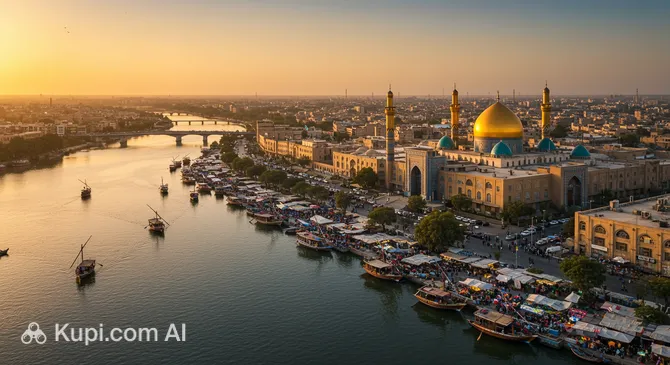
Illustration.
Source: Kupi.com AI

A journey to Iraq is a unique opportunity to touch the origins of human history. The country preserves the ruins of legendary cities and archaeological sites testifying to the greatness of Sumerian, Akkadian, Babylonian, and Assyrian civilizations. Among many historical treasures, the Erbil Citadel stands out, one of the oldest continuously inhabited cities in the world, included in the UNESCO World Heritage list. Iraq's cultural heritage is also evident in its traditions, art, and the hospitality of the local people.

In addition to its rich historical past, Iraq offers diverse landscapes: from fertile river valleys to arid deserts and mountain ranges in the north, especially in the area of the city of Erbil. The country's climate is predominantly continental, with hot summers and mild winters. Today's Iraq is a destination for travelers seeking a deep immersion into history and culture, discovering a country that, despite the challenges of the past, carefully preserves its priceless heritage and is gradually revealing its tourism potential.

Currency

The national currency of Iraq is the Iraqi dinar, with the international designation IQD. Banknotes of various denominations are in circulation, often featuring images of significant historical monuments, cultural symbols of the country, and portraits of prominent figures. Coins are also used, but banknotes are more common for everyday transactions.

Exchanging foreign currency for Iraqi dinars is recommended at official banking institutions or licensed exchange offices, which can be found in major cities, including Baghdad, as well as at international airports. Try to avoid street money changers, as this can involve the risk of receiving counterfeit bills or an unfavorable exchange rate. The use of credit cards in Iraq is not yet very widespread. Cards may be accepted in major international hotels and some shops in the capital; however, for most purchases and services, especially outside major cities, it is preferable to carry a sufficient amount of cash.

Visa Requirements

To enter Iraq, most foreign citizens, including citizens of the EU, USA, and CIS, generally require a visa. Usually, this is a tourist visa that must be applied for in advance through an Iraqi embassy or consulate in your country of residence. In some cases, simplified procedures may exist for certain categories of citizens or for entry into specific regions of the country; however, the standard practice is to obtain a visa beforehand.

Regardless of visa requirements, to cross the border, you will need a valid passport with an expiration date that covers the intended period of stay. Return tickets, proof of hotel reservation, and medical insurance may also be required. Visa rules can change, so it is highly recommended to check current information on the official websites of Iraqi embassies or accredited visa centers before your trip.

We'll let you know if you need a visa

Enter your destination or
Your nationality
Destination

Timezones

Planning a trip to Iraq, you won't have to worry about changing time zones within the country. A single time applies throughout the territory of Iraq.

The country is in the UTC+3 time zone, also known as Arabia Standard Time (AST). This means that the time in Baghdad and other cities in the country will be the same, which simplifies the planning of travel and events.

Getting There

When planning a trip to Iraq, most tourists choose air travel. The country has several international airports, the main one being Baghdad International Airport in the capital, Baghdad, which serves as the primary hub for arrivals. Direct flights and convenient connections to Iraq are usually available from many countries in the Middle East, as well as from some European and Asian cities. Other important airports receiving international flights are located in cities such as Erbil and Basra.

Iraq's land borders are open with several neighboring countries, and they can be crossed by car or bus. However, such routes are generally less popular among international tourists and may require thorough preparation and a mandatory check of current border crossing rules. Sea travel to Iraq is very limited and is not a common way for tourist trips. Regardless of the chosen method, it is strongly recommended to book tickets and plan your route in advance, especially if your trip coincides with the peak tourist season or major local holidays.

AirportCityIATA
Baghdad International AirportBaghdadBGW
Al-Najaf International AirportNajafNJF
Erbil International AirportErbilEBL
Basra International AirportBasraBSR
Sulaimaniyah International AirportSulaymaniyahISU

Iraq is a country with an incredibly rich history, where every city preserves traces of ancient civilizations and unique cultural traditions. A trip through Iraq offers the opportunity to get acquainted with the cradle of humanity, explore ancient ruins, and experience the atmosphere of oriental bazaars. The country's capital, Baghdad, is a significant historical center in its own right, but equally amazing places await you beyond its borders.

Illustration.
Source: Kupi.com AI

Among the most notable cities in the country, Erbil stands out, one of the oldest continuously inhabited cities in the world, whose majestic citadel is listed as a UNESCO World Heritage site. For those interested in religious history and pilgrimage, key destinations include Najaf, known for the tomb of Imam Ali, and Karbala, a holy city for Shia Muslims. The cultural center of Iraqi Kurdistan is considered to be Sulaymaniyah, which attracts visitors with its modern atmosphere, museums, and picturesque surroundings. These cities are only a small part of what Iraq can offer the curious traveler.

Top Attractions

Iraq is a country with a millennial history, where ancient wonders coexist with modern sites. Unique architectural monuments, religious shrines, and places for relaxation that can surprise and inspire await travelers.

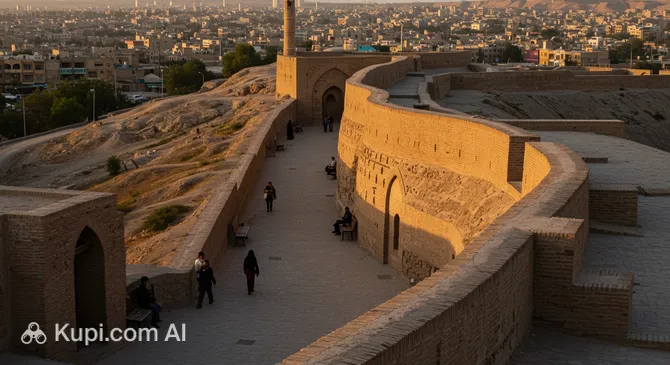
One of the most impressive historical sites is the Erbil Citadel. This ancient hilltop city, listed as a UNESCO World Heritage site, is considered one of the oldest continuously inhabited settlements in the world. A walk through its narrow streets and an inspection of its ancient walls will transport you back millennia, allowing you to touch living history.

Illustration.
Source: Kupi.com AI

Traveller photos:

For those interested in religious and cultural sites, a significant place to visit is the Great Al-Sahla Mosque. Located in Najaf, this mosque attracts pilgrims and tourists with its majestic architecture and deep spiritual atmosphere, being an important center of the Islamic world.

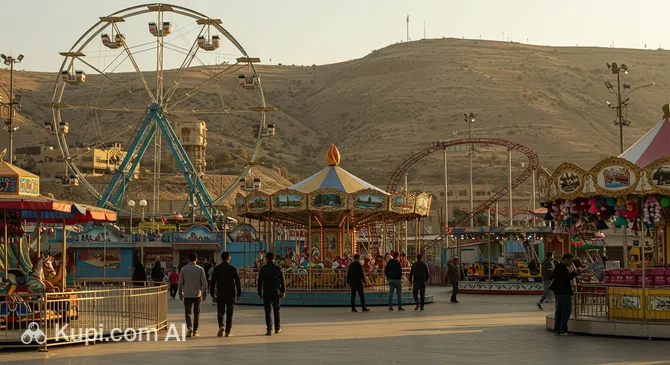
If you are looking for a place for family vacation or just want to have fun, pay attention to Chavy Land in Sulaymaniyah. This popular amusement park offers a wide selection of rides for all ages, cozy green areas for picnics, and various cafes, guaranteeing vivid impressions.

Illustration.
Source: Kupi.com AI

Traveller photos:

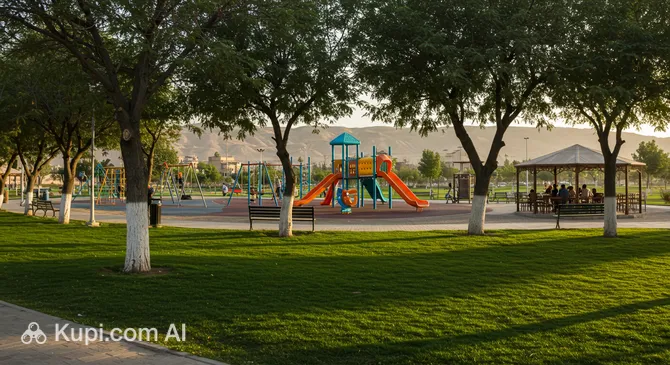
Nature lovers and those seeking peaceful leisure will certainly enjoy Azadi Park, located in the city of Duhok. This is a true green oasis where you can enjoy walks along well-kept alleys, relax by the water, or have a picnic. The park also offers playgrounds for children and is a wonderful place to take a break from the city bustle.

Illustration.
Source: Kupi.com AI

Traveller photos:

Best Time to Visit

When planning a trip to Iraq, it is important to consider its predominantly desert climate with hot summers and mild winters. The best time to visit the country in terms of weather is considered to be the spring months (March-April) and autumn months (October-November). During this period, daytime temperatures are moderate, and evenings are pleasant and cool, which is ideal for sightseeing and traveling around the country. However, it is critically important to take into account that Iraq hosts major religious pilgrimages, such as Arbaeen in Karbala, which attract millions of people. During such events, the availability of accommodation drops sharply, service prices rise, and movement within the host cities and their surroundings can be significantly restricted. Therefore, even if the weather during these months is optimal, it is recommended to check the dates of major religious events in advance and plan your trip accordingly, especially if you are not a pilgrim. Outside of mass pilgrimage periods, the tourist flow in Iraq is generally low.

Summer in Iraq, from June to September, is characterized by extremely high temperatures that often exceed +40°C, and in some regions can reach +50°C. This makes daytime excursions very difficult. Winter (December-February) is mild in the central and southern regions, but in the northern areas, especially in the mountainous terrain of Kurdistan, it can be cold and snowy. These periods can be considered the "low season" for most tourist activities, although accommodation prices may be lower, except during local events. Given the size of the country, the climate may vary slightly: northern mountainous regions are usually cooler than southern desert areas. Before your trip, it is always recommended to check the weather forecast for the specific regions you plan to visit, as well as the calendar of significant local events.

Traditions

Iraq is a country with a rich history and deep cultural traditions, the knowledge of which will help you feel more confident and show respect to the local residents. Greetings play an important role here: a handshake is common, especially between men. When communicating with women, it is better to wait until they extend their hand first. Hospitality is one of the key features of Iraqi culture. If you are invited into a home, it is a great honor, and it is customary to bring small gifts for the hosts, such as sweets. Regarding clothing, it is recommended to adhere to a modest style, especially for women: covering shoulders, arms, and legs. When visiting mosques, women must cover their heads with a scarf, and men should wear trousers and a shirt with sleeves.

There are also rules at the table. For example, it is customary to take food with the right hand, especially if it is a shared dish. It is considered polite to decline an offer several times before accepting it. Among the important holidays are Eid al-Fitr, marking the end of the holy month of Ramadan, and Eid al-Adha, the festival of sacrifice. These days are filled with family gatherings and generous feasts. In Kurdistan, Nowruz—the festival of spring and the New Year—is also widely celebrated.

To avoid awkward situations, remember a few general tips. Do not photograph people without their permission. It is considered impolite to show the soles of your shoes toward your interlocutor or to sit with your legs crossed in a way that the sole is visible. Public displays of affection are not accepted. Showing patience and respect for local customs will always be appreciated and will make your journey through Iraq more pleasant and memorable.

Entertainment

Iraq, a country with a rich history and culture, offers tourists a variety of leisure opportunities, although they may differ from standard European formats. The main focus here is on cultural and educational tourism. Travelers can explore ancient cities, majestic mosques, and archaeological sites that bear witness to the millennial history of Mesopotamia. Numerous museums house unique artifacts telling the story of civilizations born on this land. You can immerse yourself in the local flavor at traditional bazaars (souks), where handmade goods and oriental sweets are sold.

For fans of active recreation, especially in the northern regions of the country such as Iraqi Kurdistan, there are opportunities for walking and hiking along picturesque mountain trails. Nature here offers beautiful landscapes and fresh air. Family entertainment also has its place: major cities have public parks for walks and relaxation, as well as some entertainment centers and attractions where children can have fun. Overall, the country offers a calm and contemplative holiday oriented toward studying culture and nature.

Evening life in Iraq is mainly centered around restaurants and cafes, where you can enjoy traditional Iraqi cuisine or simply drink tea with friends. The atmosphere here is usually calm and conducive to conversation. As for shopping, besides the colorful oriental bazaars where you can purchase handmade carpets, copperware, spices, dates, and other authentic souvenirs, modern shopping centers with a more familiar range of goods operate in cities like Baghdad or Erbil.

Currency rates

Planning a trip? Wonderful! To make sure the financial side of your journey holds no surprises, it's worth remembering that exchange rates are constantly changing. That's why we strongly recommend keeping an eye on current rates both before departure and throughout your trip. To help with that, you can use the data provided below — we monitor exchange rates 24/7 and strive to provide the most up-to-date information.

Reached the bottom of the page?

Looks like you know this route inside out

We use cookies and services to collect user information. This is essential for the functioning of the site and for marketing purposes. You can find out more in .