Mongolia

About

Mongolia is a country of endless expanses and ancient traditions, known as the “Land of the Eternal Blue Sky.” It is a land where legends of Genghis Khan still live, and the nomadic spirit permeates daily life. A journey here promises full immersion into a unique culture and encounters with incredible landscapes, from green steppes to majestic mountains.

The nature of Mongolia is striking in its diversity: from the mighty Altai Mountains and vast steppe expanses to the mysterious Gobi Desert. In contrast to this wild beauty stands the capital — Ulaanbaatar, a dynamic city where modern skyscrapers sit alongside traditional yurts and ancient Buddhist monasteries, creating a unique character.
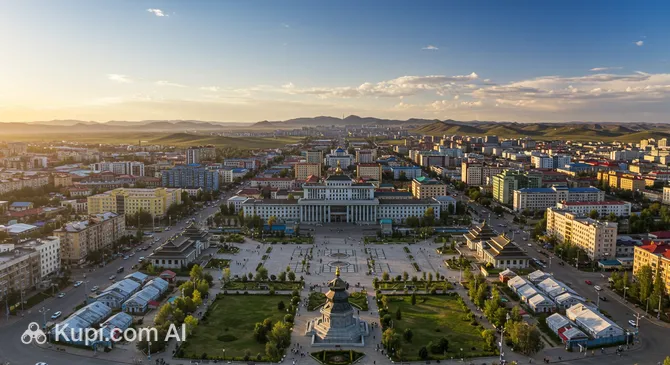
Illustration.
Source: Kupi.com AI

Mongolia offers travelers a unique experience full of adventure and discovery. Here you can experience the legendary hospitality of nomads, explore the ancient ruins of the former capital of the Mongol Empire in Kharkhorin, or visit the majestic Erdene Zuu Monastery, one of the oldest Buddhist monasteries in the country. This is a land that leaves a deep mark on the heart of everyone who decides to discover its harsh but immensely attractive beauty and freedom-loving spirit.

Currency

The national currency of Mongolia is the Mongolian Tugrik (international code MNT). Banknotes often feature images of the country's famous historical figures, such as Genghis Khan or Damdin Sükhbaatar, as well as elements of traditional Mongolian culture and landscapes. Coins are less common in circulation; the main means of payment are banknotes of various denominations.

Exchanging foreign currency for tugriks is recommended at official banks or licensed exchange offices, which are widely available in Ulaanbaatar. Try to avoid exchanging money with street money changers, as there is a risk of encountering fraud or receiving an extremely unfavorable rate. Credit cards (mostly Visa and Mastercard) are accepted in most large hotels, restaurants, and supermarkets in the capital. However, when planning trips outside of Ulaanbaatar, especially to rural areas, it is extremely important to have a sufficient supply of cash, as cashless payment options there may be very limited or non-existent.

Visa Requirements

When planning a trip to Mongolia, it is important to check the visa requirements for citizens of your country in advance. For citizens of a number of countries, including some CIS countries, the USA, and EU nations, a visa-free regime may apply for short-term tourist trips. If a visa is required, it is usually a tourist visa that can be obtained at a Mongolian embassy or consulate in your country of residence. In some cases, an e-visa option may be available.

Regardless of visa requirements, to enter Mongolia you will definitely need a valid international passport, the validity of which should usually exceed the intended period of stay. It is also recommended to have return tickets, hotel booking confirmation, and medical insurance. Since visa rules can change, we strongly advise checking the most up-to-date information on the official website of the Mongolian embassy or authorized visa centers before your trip.

We'll let you know if you need a visa

Enter your destination or
Your nationality
Destination

Timezones

When planning a journey across Mongolia, it is important to remember the time difference within the country. Mongolia operates across two time zones. Most of the country, including the capital Ulaanbaatar, follows UTC+8. However, the western provinces (Khovd, Uvs, and Bayan-Ölgii) are in the UTC+7 time zone.

This one-hour difference can be significant when planning travel between regions, especially if you have scheduled domestic flights or bus trips. Always check the local time upon arrival in a new region to avoid misunderstandings with transport schedules, hotel check-in times, or the start of excursions.

Getting There

The main way to reach Mongolia for most international tourists is by air. The primary gateway to the country is Chinggis Khaan International Airport, serving the capital Ulaanbaatar and acting as the main international hub. From here, flights operate to major cities in Asia (e.g., Beijing, Seoul, Istanbul) and Europe (e.g., Moscow, Frankfurt), often with convenient connections. The national carrier MIAT Mongolian Airlines and several other international airlines connect Mongolia with the world.

For fans of slower and more colorful travel, it is possible to reach Mongolia by land. The most famous overland route is the legendary Trans-Mongolian Railway, which passes through Ulaanbaatar, connecting Russia and China. This is a unique experience that allows you to see the endless steppes and get acquainted with the life of the country from a train window. There are also international bus routes linking Mongolia with border cities in Russia and China, though they may be less comfortable for long-distance travel.

When planning a trip to Mongolia, it is recommended to book tickets in advance, especially if your travel coincides with the peak tourist season (usually summer) or during major national holidays such as Naadam. This will not only help guarantee a seat but may also allow you to find more favorable fares.

AirportCityIATA
Chinggis Khaan International AirportUlaanbaatarUBN
DalanzadgadDalanzadgadDLZ
MoronMurenMXV
Khovd AirportKhovdHVD
UlaangomUlaangomULO

Mongolia is a country of amazing contrasts, where endless steppes give way to mountain ranges, and ancient nomadic traditions harmoniously coexist with the rhythm of modern cities. Travelers here can expect not only unique natural landscapes but also interesting urban routes, each capable of providing unforgettable impressions and revealing a new facet of this distinctive country.

Illustration.
Source: Kupi.com AI

The heart of the country is undoubtedly Ulaanbaatar. It is not just the administrative center, but a true gateway to Mongolia, where the energy of modernity is intertwined with centuries-old heritage. The city offers a unique opportunity to get acquainted with Mongolian culture through its galleries, theaters, and lively districts where you can taste national cuisine. For those who seek to touch the origins of the great empire, a trip to Kharkhorin is an essential part of the itinerary. This is a place where the history of the ancient capital comes alive, allowing you to imagine former greatness and feel the spirit of Genghis Khan's time, especially when visiting the Erdene Zuu Monastery, one of the oldest and most significant in the country.

For adventure seekers in the Gobi Desert, the starting point is Dalanzadgad, from where exciting tours begin to the famous "singing" dunes of Khongoryn Els and the picturesque Yolyn Am gorge. And if your soul seeks tranquility in the heart of nature, the village of Khatgal on the shores of crystal-clear Lake Khövsgöl, often called the "little brother of Baikal," will be a real discovery. It is an ideal place for hiking and horseback riding, as well as for getting to know the way of life of the local Tsaatan reindeer herders.

Top Attractions

Mongolia, a land of endless steppes and nomadic culture, holds many amazing places that can capture the imagination of any traveler. From ancient monasteries to unique nature reserves—everyone will find something for themselves here. Here are just a few iconic attractions to include in your itinerary through this incredible country.

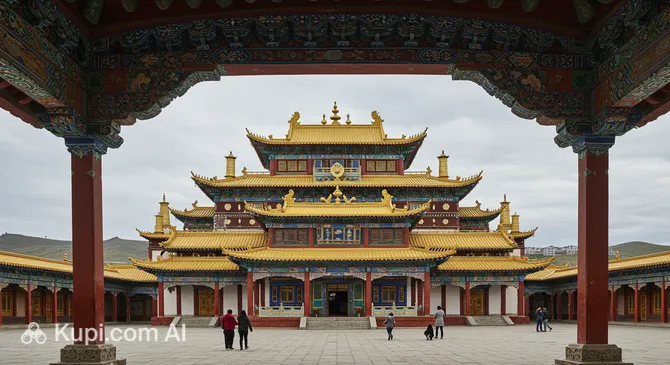
One of the country's main shrines is the Gandantegchinlen Monastery. This active Buddhist monastery, located in the capital, Ulaanbaatar, impresses with its majestic architecture and is an important center of spiritual life for Mongolians. Here, you can see the impressive 26-meter statue of Avalokiteśvara Buddha and observe the monks' daily rituals.

Illustration.
Source: Kupi.com AI

Traveller photos:

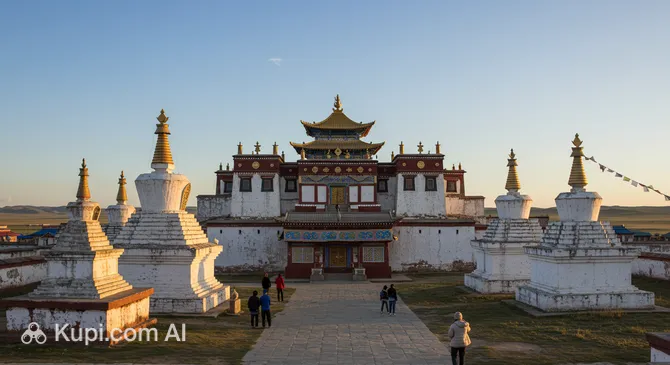
Equally significant is the Erdene Zuu Monastery, considered the first Buddhist monastery in Mongolia. It was founded in the 16th century on the ruins of the ancient capital of the Mongol Empire—Karakorum. The complex is surrounded by an impressive wall with 108 stupas and houses priceless relics, ancient manuscripts, and works of Buddhist art that tell the rich history of the region.

Illustration.
Source: Kupi.com AI

Traveller photos:

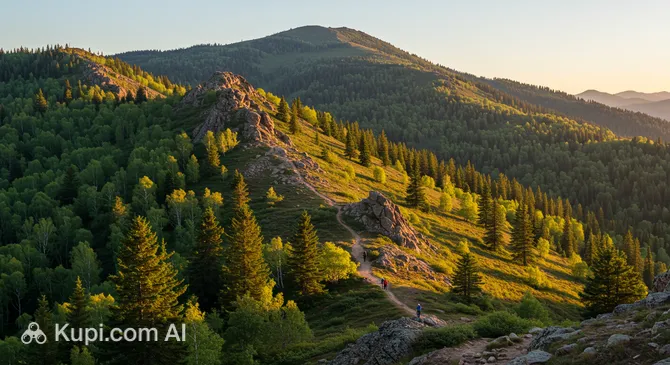
For lovers of nature and outdoor activities, a visit to Bogd Khan Uul National Park is a must. This sacred mountain, rising south of Ulaanbaatar, is one of the oldest officially protected natural areas in the world. The park offers magnificent opportunities for hiking along picturesque trails, from which breathtaking panoramic views of the surrounding landscapes open up.

Illustration.
Source: Kupi.com AI

Traveller photos:

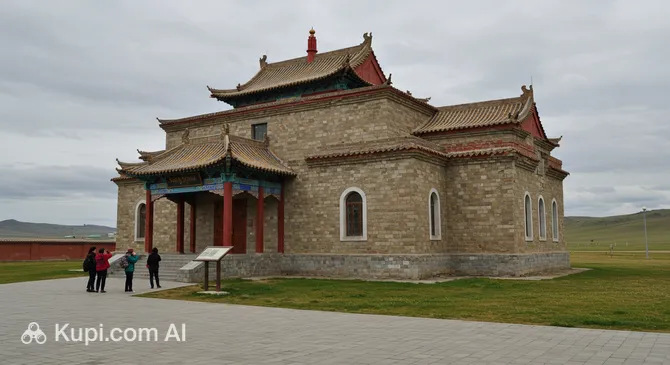
To dive deeper into the country's glorious past, it is worth visiting the Karakorum Museum. Located near the Erdene Zuu Monastery, this modern museum is dedicated to the history of the Mongol Empire and its ancient capital. Its exhibits feature unique archaeological finds, detailed maps, models, and artifacts that allow for a better understanding of the greatness and legacy of the times of Genghis Khan and his successors.

Illustration.
Source: Kupi.com AI

Traveller photos:

Best Time to Visit

The best time to visit Mongolia largely depends on your preferences and plans. The high season traditionally falls during the summer months, from June to August. During this time, the weather is most favorable for travel: days are warm and sunny, ideal for exploring the vast steppes, hiking in the mountains, and experiencing nomadic culture. It is in summer, specifically in July, that the famous national festival Naadam takes place, attracting many tourists. However, it is worth considering that during this period, prices for accommodation and services may be higher, and popular tourist spots can be more crowded.

The low season, covering spring (April–May) and autumn (September–October), also has its advantages. In spring, nature comes to life as the steppes are covered in fresh greenery, while in autumn they are painted in golden hues. There are significantly fewer tourists during this time, allowing for a more secluded holiday and potentially saving on expenses. The weather in the shoulder seasons can be changeable: dust storms are possible in spring, and the first frosts can occur in autumn, especially in northern regions. Winter (November to March) in Mongolia is harsh, with severe frosts and snowfalls, but it attracts fans of extreme adventure and winter landscapes. During this time, you can visit some winter festivals, such as the Thousand Camels Festival in the Gobi Desert or the Ice Festival on Lake Khövsgöl.

Given Mongolia's vast territory, the climate can vary significantly. For example, in the Gobi Desert in the south, it is very hot in summer, while winters are cold and windy; meanwhile, the northern and western mountain regions have a cooler climate. Therefore, it is recommended to check weather conditions for the specific regions you plan to visit before your trip. Regardless of the time of year chosen, Mongolia will offer you unique experiences and unforgettable landscapes.

Traditions

Mongolians are famous for their warmth and hospitality, which is especially evident in their nomadic culture. When greeting someone, a handshake is common, sometimes accompanied by a slight bow; eye contact is considered normal. When receiving something, especially from elders, use your right hand, supporting it at the elbow with your left, or use both hands—this is a sign of respect. If you are invited into a home, especially a traditional yurt (ger), a small gift for the hosts (such as sweets, tea, or useful small items) is a nice gesture, though not a strict requirement.

When visiting monasteries and other religious sites in Mongolia, modesty in clothing is important: shoulders and knees should be covered for both men and women. In everyday life, there are no strict dress requirements, but overly revealing outfits may cause surprise, especially in rural areas. Inside a ger, try not to lean against the central support pillars (they are considered sacred) and never step on the threshold—you should step over it. At the table, accept food and drinks with your right hand or both hands. It is considered polite to try a little of everything offered, and refusing food may be perceived as disrespectful.

To gain a deeper understanding of Mongolia's culture, try to learn about its main holidays. Naadam, celebrated in mid-summer (usually in July), is a grand festival featuring the famous "three manly games": national wrestling, long-distance horse racing, and archery. Another important holiday is Tsagaan Sar (Lunar New Year, usually in January or February), symbolizing the end of winter and the beginning of spring; it is a time for family reunions, abundant feasts, and exchanging gifts. In communication, avoid touching people's heads (especially children), do not whistle indoors (considered a bad omen), and do not point at people or sacred places with your index finger (it is better to use an open palm). These simple rules will help you show respect for local traditions and make your journey more pleasant and informative.

Entertainment

Mongolia offers unique opportunities for active recreation, closely linked to its nomadic heritage and vast open spaces. Travelers can look forward to horseback riding across the steppes, trekking in national parks such as Bogd Khan Uul National Park, and exploring the Gobi Desert. Cultural entertainment includes visiting ancient monasteries like Erdene Zuu or Gandantegchinlen, exploring historical artifacts in museums, and witnessing traditional music and dance performances that provide a deep dive into the country's rich history.

While the country's vast expanses offer tranquility, the capital Ulaanbaatar provides a more urban range of entertainment. Here you can find a developing nightlife with a variety of restaurants, bars, and clubs, especially in the city center. For shopping enthusiasts, Mongolia is famous for its cashmere products, leather goods, traditional crafts, and artworks, which can be purchased in markets and modern shopping centers like Shangri-La Mall. Family entertainment includes outdoor activities in nature, and the capital has parks and entertainment centers, including the national amusement park, which offers leisure for all ages.

Currency rates

Planning a trip? Wonderful! To make sure the financial side of your journey holds no surprises, it's worth remembering that exchange rates are constantly changing. That's why we strongly recommend keeping an eye on current rates both before departure and throughout your trip. To help with that, you can use the data provided below — we monitor exchange rates 24/7 and strive to provide the most up-to-date information.

MNT exchange rate for 13/08/2026

1 AED
~ 710.73 MNT
1 AMD
~ 7.14 MNT
1 AUD
~ 1841.62 MNT
1 AZN
~ 1536.10 MNT
1 BYN
~ 877.19 MNT
1 CAD
~ 1872.66 MNT
1 EUR
~ 3012.05 MNT
1 GBP
~ 3533.57 MNT
1 HUF
~ 8.26 MNT
1 INR
~ 27.37 MNT
1 KGS
~ 29.85 MNT
1 KRW
~ 1.84 MNT
1 KZT
~ 5.60 MNT
1 PLN
~ 699.79 MNT
1 RUB
~ 31.55 MNT
1 SAR
~ 695.89 MNT
1 SGD
~ 2040.82 MNT
1 TRY
~ 54.67 MNT
1 UAH
~ 58.30 MNT
1 USD
~ 2610.97 MNT
4.57 UZS
~ 1 MNT

Reached the bottom of the page?

Looks like you know this route inside out

We use cookies and services to collect user information. This is essential for the functioning of the site and for marketing purposes. You can find out more in .