Syrian Arab Rep.

About

Syria, a country in the Middle East, beckons travelers with its ancient history and rich cultural heritage. Located on the eastern coast of the Mediterranean Sea, it has been a crossroads of civilizations for millennia, leaving an indelible mark on its land. Here, every stone breathes history, and the hospitality of the locals creates a special, warm atmosphere, inviting you to explore its many treasures.

The heart of the country is its capital, Damascus, one of the oldest continuously inhabited cities in the world. Its narrow streets, ancient mosques, and vibrant markets, such as the famous Souq Al-Hamidiyah, immerse you in the atmosphere of an oriental fairy tale. No less significant is the city of Aleppo, known for its majestic citadel. Syria is a true treasure trove for history buffs, where you can see traces of the Roman Empire, Byzantium, and the great Islamic caliphates.
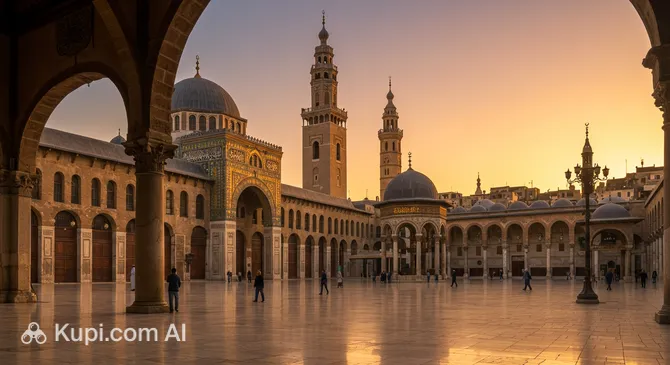
Illustration.
Source: Kupi.com AI

Beyond its historical riches, Syria offers diverse natural landscapes, from fertile valleys to picturesque desert scenery. The country's climate is predominantly Mediterranean on the coast and continental in the interior, with hot dry summers and mild, sometimes cool winters. Traveling through Syria is a unique opportunity to touch the origins of world civilization, enjoy authentic culture, and feel the unique spirit of an ancient land full of mysteries and discoveries.

Currency

The national currency of Syria is the Syrian pound (international code SYP). Banknotes of various denominations are usually decorated with images of the country's important historical monuments, cultural symbols, and portraits of significant figures. Coins are also in circulation, but the majority of transactions are made with banknotes.

For a trip to Syria, it is necessary to carry a sufficient amount of cash, preferably in US Dollars or Euros, for subsequent exchange. The use of international credit and debit cards within the country is practically impossible due to existing restrictions. Currency exchange is recommended to be carried out exclusively at official bank branches or licensed exchange offices, which can be found in major cities, including the capital Damascus. It is strongly discouraged to use the services of street money changers, as this involves a high risk of receiving counterfeit notes or exchanging at an extremely unfavorable rate.

Visa Requirements

To visit Syria, citizens of most countries, including those from the EU, the USA, and the CIS, generally require a visa. This usually refers to a tourist visa, which must be arranged in advance through Syrian embassies or consular sections in your country of residence. To obtain a visa, you will need a valid passport with an expiration date that exceeds your planned stay. Return tickets, proof of hotel booking, and medical insurance may also be required.

Visa rules and requirements can change, so it is strongly recommended to check for up-to-date information on the official websites of Syrian embassies or consulates before planning your trip. This will help avoid unforeseen complications and ensure that you have all the necessary documents for entry into the country.

We'll let you know if you need a visa

Enter your destination or
Your nationality
Destination

Timezones

When planning a trip to Syria, you won't have to worry about changing time zones within the country. A single time is observed throughout the entire territory of Syria. The country is in the UTC+3 time zone (Coordinated Universal Time +3 hours). This means the time is the same whether you are in Damascus or any other region.

This uniformity significantly simplifies the planning of movements and events across the country, as you won't need to reset your watch when traveling from one city to another.

Getting There

When planning a trip to Syria, it is worth considering several options for reaching the country. The most common method for international tourists is air travel. The country's main aviation hub has traditionally been Damascus International Airport, which has historically received flights from Middle Eastern countries and offered connections to other regions of the world. It is recommended to check current schedules and flight availability with airlines in advance, as the international aviation situation can change.

In addition to air travel, Syria has land borders with neighboring states. Theoretically, it is possible to cross the border by car or bus; however, the conditions and availability of such routes require careful verification of up-to-date information with the relevant authorities before the trip. Sea travel for passenger transport to Syria is less developed and is not the primary method of arrival for most tourists. Regardless of the chosen method, it is advisable to book transport tickets well in advance, especially if your trip coincides with periods of high demand.

AirportCityIATA
Damascus International AirportDamascusDAM
Qamishli AirportQamishliKAC

Syria is a country with an incredibly rich history, where many cities bear the traces of ancient civilizations and offer unique experiences. Travelers are drawn to both major historical centers and places with a special atmosphere where they can immerse themselves in the study of ancient monuments and get to know the unique culture.

Illustration.
Source: Kupi.com AI

The capital of Syria, Damascus, is famous for its centuries-old history, impressive ancient mosques, and colorful lively markets, offering a deep immersion into Eastern culture. No less significant is Aleppo, known for its majestic citadel and ancient caravanserais that served as centers of trade for centuries. These cities provide a unique opportunity to touch the region's rich cultural heritage.

For connoisseurs of antiquity, a mandatory stop is the legendary Palmyra, whose ruins rise majestically in the middle of the desert, serving as a reminder of the former power of this ancient city. Meanwhile, the coastal city of Latakia offers an introduction to life on the Mediterranean coast and its historical monuments. Each of these corners of Syria possesses its own unique charm and is ready to share its stories with curious travelers.

Top Attractions

Syria is a country with a rich history, where every stone breathes antiquity. Travelers can expect majestic citadels, vibrant oriental bazaars, and unique architectural monuments preserved through the centuries. Exploring Syria's sights is an immersion into the world of ancient civilizations and amazing discoveries.

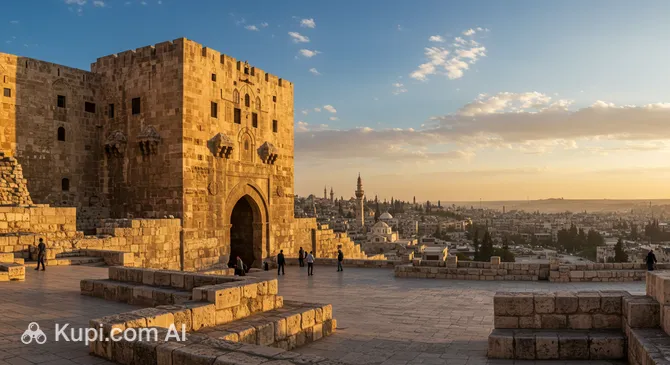
One of the most impressive attractions is the Citadel of Aleppo. This monumental fortress, towering over the old city, is one of the oldest and largest castles in the world. Its history spans millennia, and a walk along its walls and through its halls allows you to touch the past.

Illustration.
Source: Kupi.com AI

Traveller photos:

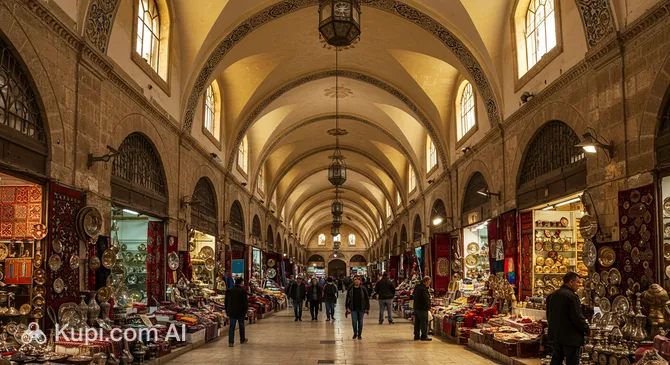
In the very heart of Damascus lies the famous market Souq Al-Hamidiyah. This covered bazaar is a true labyrinth of narrow streets where you can find everything from fragrant spices and traditional sweets to exquisite fabrics and handicrafts. The atmosphere here is saturated with the spirit of the East and centuries of trade.

Illustration.
Source: Kupi.com AI

Traveller photos:

No less interesting is Hama Castle, located in the city of Hama. This ancient citadel rises on a hill and offers visitors not only an introduction to history but also breathtaking views of the surroundings and the famous water wheels of Hama—the norias.

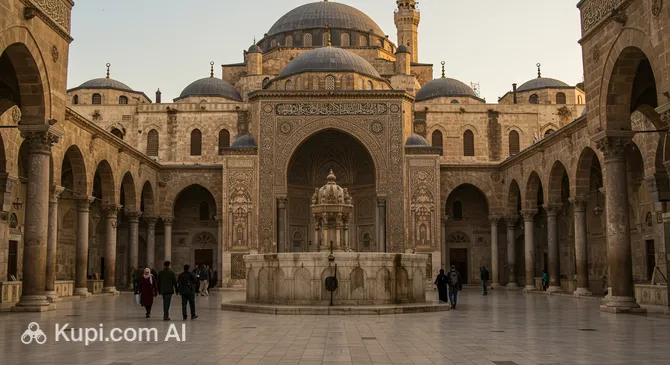
Another gem of Aleppo is the Great Mosque of Aleppo, also known as the Umayyad Mosque. It is one of the oldest and most important religious buildings in the city, famous for its magnificent minaret and a rich history that reflects the changing eras and cultures.

Illustration.
Source: Kupi.com AI

Traveller photos:

Best Time to Visit

When planning a trip to Syria, it is important to consider the country's climatic features. The most comfortable times to visit are considered the spring (March-May) and autumn (September-November) months. During these periods, the weather is usually mild and pleasant, with moderate temperatures, which is ideal for sightseeing ancient attractions and walking through cities like Damascus or Aleppo. In spring, nature comes alive, and you can catch the blossoms, which adds a special charm to the trip.

The summer months, especially from June to August, are characterized by intense heat in most regions of Syria, particularly in the interior, where temperatures can reach very high levels. This can make daytime excursions less comfortable. Winter (December-February) brings cool weather, and in some mountainous regions and the north of the country, rain and even snow are possible. Coastal areas, such as the surroundings of Latakia and Tartus, have a milder Mediterranean climate with wet winters and dry, hot summers. The shoulder seasons may offer fewer tourists, though the weather can be less predictable.

While major festivals and events may not be as regular as before, the spring period often delights with the blooming of wildflowers, especially in rural areas. Given the diversity of climate zones in Syria—from the Mediterranean coast to the desert interior—it is recommended to check the weather forecast for the specific regions you plan to visit before your trip to ensure your journey is as comfortable as possible.

Traditions

Syrian culture is rich in centuries-old traditions, and getting to know them will help you better understand the country and its people. Greetings usually involve a handshake, especially between men. When interacting with a woman, it is best to wait for her to extend her hand first. Eye contact during conversation is valued and considered a sign of sincerity. Hospitality holds a special place in Syrian society. Being invited to a home is a sign of great respect. It is customary to bring the hosts a small gift, such as sweets or pastries. Refusing offered refreshments is considered impolite, so try to taste at least a little.

Adhering to certain rules in clothing is also important. In public places, especially outside major tourist areas, it is recommended to choose modest clothing that covers the shoulders and knees. When visiting mosques, women must cover their heads with a scarf, and all visitors should be dressed in clothing that covers the body. At the table, especially if dishes are served on a shared tray, it is customary to eat with the right hand. It is considered impolite to point at someone or something with the index finger—it is better to use an open palm. Also, try not to sit in a way that the soles of your shoes are pointed at anyone, as this may be perceived as an insult.

Among the most significant holidays in Syria are the Muslim Eid al-Fitr, marking the end of the month of Ramadan, and Eid al-Adha, the festival of sacrifice. During these days, families gather together, visit one another, and give gifts. In general, Syrians are very open and friendly. Showing sincere interest in their culture, respecting traditions, and learning a few phrases in Arabic will undoubtedly help you establish warm relationships and make your trip unforgettable.

Entertainment

Syria, a country with a rich history and culture, offers travelers unique opportunities to immerse themselves in the atmosphere of ancient civilizations and get acquainted with original traditions. The main focus of entertainment here is on educational and cultural leisure. Guests can explore impressive archaeological sites, ancient cities, and citadels that tell the story of the region's millennial history. Museums house priceless artifacts, and walks through ancient streets allow you to feel the spirit of time.

A special place in Syrian culture is occupied by traditional markets, or souks, such as the famous Souq Al-Hamidiyah in Damascus. Here, you can not only purchase authentic souvenirs—handmade goods, carpets, spices, oriental sweets, aromatic oils—but also observe the daily life of locals and experience the flavor of the East. The evening is a pleasant time to spend in one of the many cafes or restaurants, enjoying traditional Syrian cuisine and hospitality. Many establishments offer not only delicious food but also a cozy atmosphere, sometimes with live national music.

For those interested in art, Syria can offer an introduction to traditional crafts, calligraphy, and music. Although the modern entertainment industry in the Western sense, such as large theme parks or active nightlife, is less pronounced here, the unique experience for travelers comes specifically from immersion in historical heritage and local culture. Family walks through historical sites or lively markets can also be an exciting adventure for all ages.

Currency rates

Planning a trip? Wonderful! To make sure the financial side of your journey holds no surprises, it's worth remembering that exchange rates are constantly changing. That's why we strongly recommend keeping an eye on current rates both before departure and throughout your trip. To help with that, you can use the data provided below — we monitor exchange rates 24/7 and strive to provide the most up-to-date information.

Reached the bottom of the page?

Looks like you know this route inside out

We use cookies and services to collect user information. This is essential for the functioning of the site and for marketing purposes. You can find out more in .