Support

India

About

India is a land of incredible contrasts and a kaleidoscope of impressions, located in South Asia and ranking seventh in the world by area. It is a land where ancient traditions are harmoniously interwoven with modernity, offering travelers a unique experience. From the snow-capped peaks of the Himalayas in the north to the tropical beaches in the south, India impresses with its geographical diversity and scale.

The heart of India's rich history and culture is its capital — Delhi, a city where every stone breathes centuries. India is the cradle of ancient civilizations, the birthplace of Hinduism, Buddhism, Jainism, and Sikhism, which has left a deep mark on its art, architecture, philosophy, and daily life. A journey through India is an immersion into a world of vibrant colors, spicy aromas, majestic temples such as the famous Hanuman Garhi, and bustling bazaars.
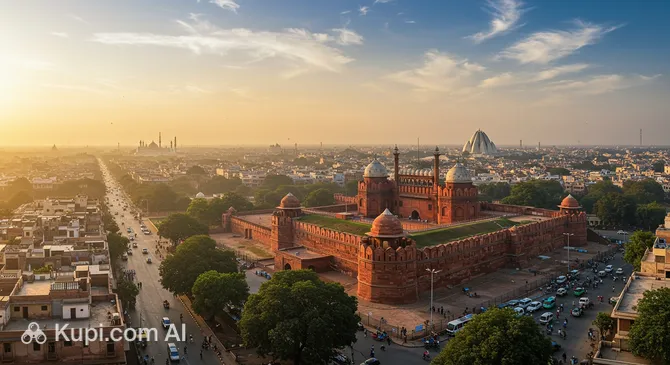
Illustration.
Source: Kupi.com AI

India's natural beauties are as multifaceted as its culture. Here you can explore national parks with rich fauna, relax on picturesque coasts, or go trekking along mountain trails. The climate varies from alpine to tropical monsoon, offering travel opportunities all year round. The overall impression of India is a kaleidoscope of sounds, smells, and emotions; a country that surprises, inspires, and remains in the heart forever, whether it's getting to know the technological hub of Bengaluru or meditating in a secluded ashram.


Currency

The national currency of India is the Indian Rupee (international code: INR). All modern Indian banknotes feature Mahatma Gandhi. Banknotes are issued in various denominations and colors, which helps to distinguish them. Coins are also in circulation and are used for small transactions.

It is recommended to exchange currency in India at official banks or licensed exchange offices. Avoid changing money with street changers, as this can be risky. In large cities and tourist centers, credit and debit cards (especially Visa and Mastercard) are accepted in many hotels, restaurants, and large stores. However, in small towns, markets, and tiny shops, cash is preferred, so it is always useful to have some rupees on hand for daily expenses.

Visa Requirements

To enter India, citizens of most countries in the world generally require a visa. Most often, travelers apply for a tourist visa. The most convenient way to obtain one is an electronic visa (e-Visa), which can be applied for online in advance. A visa can also be obtained by contacting the Indian embassy or consulate in your country of residence. In some cases, a visa-on-arrival option may be available, but it is best to verify this directly before your trip.

In addition to a visa, to cross the border you will definitely need a valid passport, the validity of which should cover the entire period of your stay and, as a rule, have a reserve of several months after the intended date of departure. It is also recommended to have return tickets, hotel booking confirmation, and a medical insurance policy with you. Visa requirements and rules can change, so we strongly recommend checking the most current information on the official websites of the Indian embassy or authorized visa centers before planning your trip.

We'll let you know if you need a visa

Enter your destination or
Your nationality
Destination

Timezones

A single time zone, known as Indian Standard Time (IST), is in effect throughout India. It corresponds to UTC+5:30. This means that you won't have to change your watch when moving between different cities and states within the country, whether traveling from Delhi in the north to Kerala in the south or from Mumbai in the west to Kolkata in the east.

A single time zone significantly simplifies the planning of domestic travel and activities. Tourists do not need to worry about the time difference when booking tickets for trains, buses, or domestic flights, as well as when organizing excursions in different regions of India.

Getting There

The main and most convenient way to reach India is by air. The country has many international airports, the main ones being Indira Gandhi International Airport in the capital Delhi and Chhatrapati Shivaji Maharaj International Airport in Mumbai. These hubs, as well as airports in other major cities like Bengaluru and Chennai, receive flights from all over the world. Direct flights or convenient connections are available from most countries in Europe, North America, the Middle East, Southeast Asia, and Australia.

For travelers from neighboring countries, there is the possibility of entering India by land. The country has land borders with Pakistan, Nepal, Bhutan, Bangladesh, and Myanmar. Some border crossings are open to tourists and offer bus or train services; however, this method is less common for long-distance international travel compared to flights. Maritime connections to India are mainly represented by cruise ships calling at major ports such as Mumbai or Kochi, but regular ferry lines for direct entry from most regions of the world are limited.

When planning a trip to India, it is recommended to book flights and accommodation in advance, especially if your trip coincides with the peak tourist season (usually from October to March) or during major national festivals. Also, don't forget to check the current visa requirements for citizens of your country in advance.

AirportCityIATA
Indira Gandhi International AirportDelhiDEL
Chhatrapati Shivaji International AirportMumbaiBOM
Kempegowda International AirportBengaluruBLR
Rajiv Gandhi International AirportHyderabadHYD
Chennai AirportChennaiMAA

India is a country of incredible diversity, and its cities and resorts reflect this to the fullest. From ancient megacities keeping the secrets of centuries to modern business centers and peaceful spiritual shrines — every traveler will find something for themselves here. Whether you are planning an immersion in history, an introduction to a unique culture, or just a getaway in nature, India's popular destinations are ready to offer unforgettable experiences.

Illustration.
Source: Kupi.com AI

The heart of the country is undoubtedly its capital — Delhi. This city is an amazing blend of old and new: from majestic forts and mosques of the Mughal era to modern skyscrapers and bustling markets. Tech and innovation enthusiasts should look towards Bengaluru, known as the "Silicon Valley of India," which is also famous for its parks and palaces. For those seeking spiritual enlightenment and wishing to touch ancient traditions, a must-visit is Haridwar — one of the seven holiest cities in Hinduism, located on the banks of the Ganges.

If you are drawn to coastal landscapes, then Visakhapatnam, a port city on the shores of the Bay of Bengal, offers beautiful beaches and picturesque hills. Meanwhile, the ancient city of Ujjain, also one of the sacred centers, attracts pilgrims and history buffs with its temples and festivals. Each of these places is unique and ready to give you bright memories of your journey through India.

Top Attractions

India is a country with an incredible kaleidoscope of cultures, traditions, and, of course, attractions capable of striking the imagination of any traveler. From ancient temples to picturesque natural corners — everyone will find something for themselves here. Let's get acquainted with some of the iconic places that should be included in your itinerary.

One of the most revered places is the Shri Mahakaleshwar Jyotirlinga Temple. This is one of the twelve Jyotirlingas, sacred abodes of the god Shiva, attracting pilgrims from all over the country. The temple is known for its ancient architecture, special spiritual atmosphere, and unique rituals such as the Bhasma Aarti.

For those looking for peace and the beauty of nature, the Raja Garden will be an excellent choice. This picturesque garden offers visitors the chance to enjoy the harmony of floral arrangements, manicured lawns, and the melodic murmur of fountains. It is an ideal place for leisurely walks and a break from the city bustle.

You can immerse yourself in the spiritual life of India by visiting Naya Ghat. These are sacred steps leading to the river, where ritual ablutions and colorful ceremonies are held daily. Observing these ancient traditions leaves unforgettable impressions and allows for a deeper understanding of the country's culture.

Another iconic site is Hanuman Garhi. This important temple dedicated to the god Hanuman is located on a hill, offering breathtaking panoramic views. It is believed that visiting this temple grants strength, protection, and the fulfillment of desires. To reach the sanctuary, one must climb several dozen steps, which is a part of the pilgrimage itself.

Best Time to Visit

When planning a trip to India, it is important to consider its diverse climate and seasonality. The high season usually lasts from October to March. During this time, the weather in most regions of the country is most comfortable: days are warm and sunny, and nights are cool, especially in the north. This is an ideal period for sightseeing tours, visiting attractions, safaris in national parks, and relaxing on the beaches of Goa and Kerala. However, you should be prepared for a large influx of tourists and, as a result, higher prices for accommodation and services.

The low season, or off-season, falls between April and September. April and May are the hottest months, especially in the central and northern plains. From June to September, the monsoon arrives in most of the country, bringing heavy rains and high humidity. The advantages of this period are significantly fewer tourists and lower prices. The lush greenery after the rains transforms the landscapes, making them particularly picturesque. However, monsoons can cause flooding and make travel difficult, and some tourist sites, especially in mountain areas, may be temporarily closed. It is important to note that the climate in India varies greatly by region: while heat or monsoons dominate the plains, the Himalayas can be pleasantly cool, ideal for trekking (but not during the peak of the monsoon).

When choosing a time for your trip, it is also worth paying attention to the numerous festivals that are an integral part of Indian culture. Major holidays such as Diwali (the festival of lights, usually in October-November) or Holi (the festival of colors, usually in March) can be an unforgettable experience, but they can also affect occupancy and prices. It is recommended to always check the weather conditions for the specific region you plan to visit, as, for example, in some parts of Tamil Nadu the main rainy season is from October to December, while the rest of the country enjoys dry weather.

Traditions

The culture of India is incredibly rich and diverse, and getting to know its basic traditions will make your journey more meaningful and pleasant. The classic Indian greeting is "Namaste", accompanied by palms joined at chest level and a slight bow. This is a universal gesture of respect. Hospitality is a cornerstone of Indian culture; if you are invited into a home, it is a sign of special favor. It is customary to bring the hosts a small gift, such as sweets or fruit (avoid alcohol unless you are sure of the hosts' preferences). Refusing offered treats is considered impolite. In India, it is important to pay attention to clothing: when visiting temples, mosques, and other religious sites, it is necessary to cover shoulders and knees, and women sometimes their heads as well. Shoes are always removed before entering holy places and often before entering a home.

There are also specific customs at the table. Traditionally, food is eaten with the right hand, as the left hand is considered "unclean" and is used for hygienic purposes. Tourists will, of course, be offered cutlery, but knowing this rule will help avoid embarrassment. Among the many vibrant festivals, Diwali — the festival of lights, symbolizing the victory of good over evil and light over darkness — and Holi — the spring festival of colors, when people joyfully sprinkle each other with colored powders and splash colored water — stand out in particular. To show respect to the locals, avoid public displays of affection, do not point at people or sacred objects with a finger (it is better to use an open palm or a nod of the head), and always treat elders with reverence. Showing interest and respect for local customs will open the hearts of Indians to you.

Entertainment

India is a country where every traveler will find entertainment to their liking, thanks to an incredible kaleidoscope of cultures, traditions, and landscapes. From spiritual practices to adrenaline-fueled adventures, from immersion in ancient history to exploring contemporary art — the possibilities for leisure here are truly limitless.

Fans of active recreation can go trekking in the majestic Himalayas, go rafting on turbulent rivers, explore the colorful underwater world on the coasts, or try their hand at surfing. For connoisseurs of cultural entertainment, India offers visits to numerous ancient temples and majestic forts, immersion in the world of classical Indian music and dance at concerts and festivals, as well as exploring the rich collections of museums and art galleries, especially in large centers like Delhi.

As evening falls, the nightlife comes alive in megacities such as Bengaluru or Mumbai, where you can find many atmospheric bars, restaurants with diverse cuisines, and clubs. Shopping in India is a fascinating adventure in itself: from bright saris and silk fabrics to exquisite jewelry, aromatic spices, genuine Indian tea, and unique handmade products that will make wonderful souvenirs. For family vacations, there are also interesting options — from visiting national parks and reserves with rich wildlife to modern theme parks and water parks in major cities, offering entertainment for all ages.

Currency rates

Planning a trip? Wonderful! To make sure the financial side of your journey holds no surprises, it's worth remembering that exchange rates are constantly changing. That's why we strongly recommend keeping an eye on current rates both before departure and throughout your trip. To help with that, you can use the data provided below — we monitor exchange rates 24/7 and strive to provide the most up-to-date information.

INR exchange rate for 21/07/2026

1 AED
~ 26.13 INR
3.82 AMD
~ 1 INR
1 AUD
~ 67.15 INR
1 AZN
~ 56.45 INR
1 BYN
~ 33.18 INR
1 CAD
~ 68.35 INR
1 EUR
~ 109.64 INR
1 GBP
~ 129.03 INR
3.30 HUF
~ 1 INR
1 KGS
~ 1.10 INR
15.42 KRW
~ 1 INR
4.91 KZT
~ 1 INR
1 PLN
~ 25.29 INR
1 RUB
~ 1.22 INR
1 SAR
~ 25.54 INR
1 SGD
~ 74.33 INR
1 TRY
~ 2.03 INR
1 UAH
~ 2.15 INR
1 USD
~ 95.95 INR
124.85 UZS
~ 1 INR

Reached the bottom of the page?

Looks like you know this route inside out

We use cookies for your convenience.