Bangladesh

About

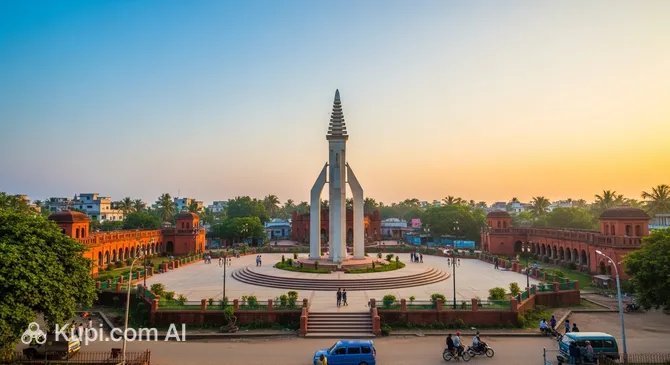
Bangladesh, a land of rivers and green plains located in South Asia within the delta of the mighty Ganges and Brahmaputra rivers, offers travelers a unique blend of ancient culture, breathtaking nature, and incredible hospitality. It is a country where life is closely intertwined with water, and its capital, the bustling and diverse Dhaka, is the heart of the nation, pulsing with the energy of millions of residents.
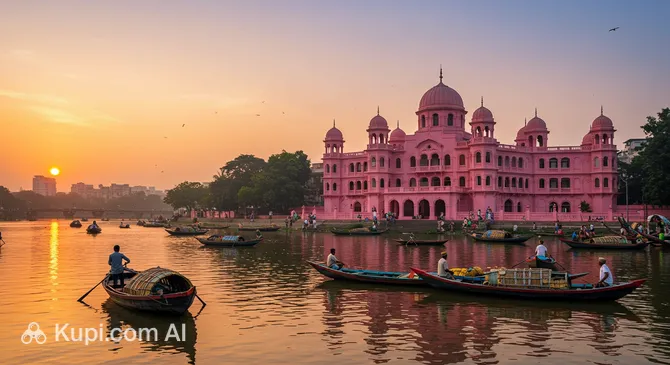
Illustration.
Source: Kupi.com AI

Bangladesh fascinates with its rich history, reflected in numerous archaeological sites and ancient temples. The country is famous for its Sundarbans mangrove forests, home to the Bengal tiger, and the endless tea plantations in the Sylhet region. For beach lovers, Bangladesh offers the amazing Cox's Bazar, known for having one of the longest continuous sandy beaches in the world.

The atmosphere of Bangladesh is a kaleidoscope of bright colors, sounds, and aromas, especially palpable in the lively markets and during numerous festivals. The tropical monsoon climate determines the change of seasons, offering different experiences depending on the time of year. A journey here is an immersion into a distinctive world where every corner holds its own stories, and the warmth of the locals leaves lasting memories.

Currency

The national currency of Bangladesh is the Bangladeshi taka (international code BDT). Banknotes of various denominations often feature a portrait of Sheikh Mujibur Rahman, the country's first president, as well as various national symbols and landmarks. Coins are also in circulation but are less common for large transactions.

Currency can be exchanged for Bangladeshi takas at banks and official exchange offices, which usually offer better rates and more security than street money changers, whose services should be avoided. Credit cards (Visa, Mastercard) are accepted in major hotels, restaurants, and some shops in the capital Dhaka and other large cities. However, for everyday expenses, especially in smaller towns and markets, it is recommended to carry a sufficient amount of cash.

Visa Requirements

To visit Bangladesh, most foreign citizens, including travelers from the EU, USA, and CIS, generally require a visa. For tourist trips, a tourist visa is issued. It can usually be obtained by contacting the Embassy or Consulate of Bangladesh in your country of residence. In some cases and for citizens of certain countries, a visa on arrival option may be available; however, this possibility should be confirmed in advance.

Regardless of the method of obtaining a visa, you will need a valid passport with an expiration date exceeding the intended period of stay in the country. It is also recommended to have return tickets, hotel booking confirmation, and travel insurance. Since visa rules can change, we strongly advise checking the most current information on the official websites of Bangladesh embassies or visa centers before your trip.

We'll let you know if you need a visa

Enter your destination or
Your nationality
Destination

Timezones

When planning a trip to Bangladesh, you won't have to worry about changing time zones within the country. A single time zone applies to the entire territory of Bangladesh, known as Bangladesh Standard Time (BST). It corresponds to UTC+6 (or GMT+6).

This means that the time in the capital Dhaka will be the same as in any other city or region of the country. This feature simplifies planning your movements and activities during your journey through this colorful South Asian nation.

Getting There

The easiest way to reach Bangladesh is by air. The country has several international airports, the main one being Hazrat Shahjalal International Airport in the capital, Dhaka. It serves as the primary hub for most international flights. Direct air connections are usually available from Middle Eastern countries, Southeast Asia, and some European cities. Convenient connecting flights through major aviation hubs are typically offered from other regions of the world.

By land, Bangladesh can be accessed mainly from India through several border crossings. There are bus routes connecting major cities in both countries, as well as limited rail service. Traveling by land can be an interesting experience but requires more careful planning. Sea connections for international tourists are less developed and are mainly represented by cargo shipping or local ferry lines, not being the primary method of arrival for most travelers.

When planning a trip to Bangladesh, it is recommended to book air tickets in advance, especially if your travel falls during the peak tourist season or major national holidays when ticket demand increases significantly. It is also worth checking the visa requirements for citizens of your country in advance to avoid unforeseen complications upon entry.

AirportCityIATA
Hazrat Shahjalal International AirportDhakaDAC
Shah Amanat International AirportChattogramCGP
Saidpur AirportSaidpurSPD
Coxs Bazar AirportCox's BazarCXB
Sylhet Civil AirportSylhetZYL

Bangladesh offers travelers an amazing variety of experiences, from bustling metropolises to serene natural corners and unique resort areas. The country is rich in historic cities where ancient traditions harmoniously blend with modern life, and it attracts visitors with its picturesque landscapes and the hospitality of the local people.

The heart of the country is undoubtedly its capital, Dhaka. This dynamic metropolis will immerse you in the atmosphere of lively markets, introduce you to its rich history through numerous mosques and architectural monuments, and offer modern amenities and business centers.

Illustration.
Source: Kupi.com AI

For those seeking a beach holiday, the real gem is Cox's Bazar, famous for its incredibly long natural sandy beach—one of the longest in the world. It is the perfect place to relax, enjoy the sea breeze, and watch magnificent sunsets.

The large port city of Chattogram, surrounded by scenic hills, attracts both business travelers and nature and history lovers. Here you can find interesting cultural sites and enjoy the beauty of coastal areas. If you dream of tranquility and emerald expanses of tea plantations, then your path leads to Sylhet. This region is famous for its picturesque hills covered with tea bushes, as well as its many shrines. Each of these destinations is unique in its own way and is ready to provide unforgettable impressions.

Top Attractions

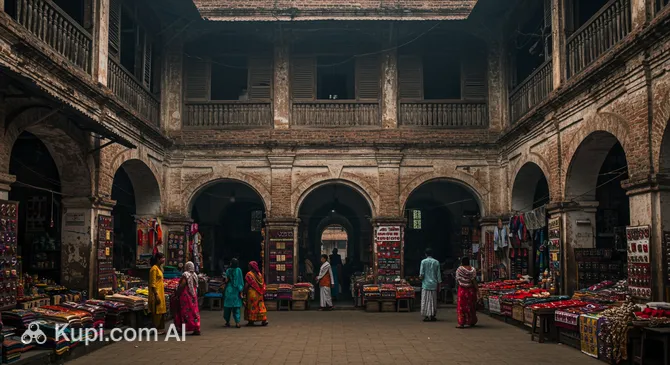
Bangladesh is a country where history comes alive at every step, and the culture is strikingly unique. Travelers can expect amazing discoveries here, and it is worth starting your acquaintance with iconic places such as Modina Market. This is not just a bazaar, but a true kaleidoscope of colors, aromas, and traditions, where you can find unique souvenirs and feel the authentic spirit of the country.

Illustration.
Source: Kupi.com AI

Traveller photos:

Continuing the journey through historical sites, be sure to visit Shapla Square in Idgaon. This place is the heart of local social life and often serves as a venue for various events reflecting the region's cultural heritage.

Illustration.
Source: Kupi.com AI

Traveller photos:

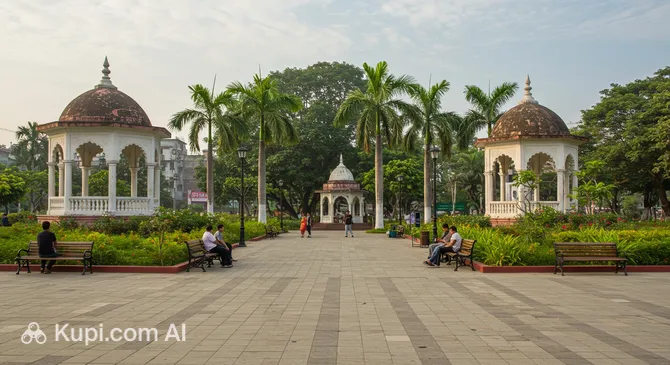
If you are looking for privacy and natural beauty, Biplob Udyan will be a real find. This popular park in Chattogram attracts visitors with its picturesque atmosphere, offering ideal conditions for leisurely walks and a break from the city bustle.

Illustration.
Source: Kupi.com AI

Traveller photos:

For lovers of modern comfort and shopping, Sanmar Ocean City in Chattogram offers plenty of opportunities. This large shopping and entertainment complex is one of the centers of city life, where you can not only shop but also have a great time.

Illustration.
Source: Kupi.com AI

Traveller photos:

Best Time to Visit

The best time to visit Bangladesh is considered to be the cool, dry season, which lasts roughly from late October to March. During these months, the weather is most comfortable: plenty of sunshine, pleasant air temperatures usually ranging from +20°C to +25°C, and low humidity. These are ideal conditions for exploring the lively capital Dhaka, taking river cruises along the country's many waterways, or visiting national parks such as the famous Sundarbans mangrove forests. Although this is the peak tourist season, which can mean more travelers and slightly higher accommodation prices, the excellent weather completely compensates for these factors.

The period from April to early October is considered the low season. It is divided into the hot pre-monsoon period (April-May), when temperatures can rise above +35°C accompanied by high humidity and occasional but heavy thunderstorms, and the monsoon season (June-September). Monsoons bring heavy rains that bring nature to life, making the landscapes incredibly green, but they can also cause flooding and make travel difficult, especially in rural and coastal areas like Cox's Bazar. Traveling during this time can be more budget-friendly and less crowded but requires a readiness for the whims of the weather. If your trip coincides with major festivals such as the colorful Durga Puja (usually in September-October), it can be an unforgettable cultural experience despite possible weather nuances.

Traditions

The culture of Bangladesh is rich in traditions, and knowing a few key customs will help you feel more confident and show respect to the locals. The traditional Muslim greeting "Assalamu Alaikum" (Peace be upon you) is common and often accompanied by a slight nod of the head. When interacting with members of the opposite sex, especially those you don't know well, it is best to avoid direct physical contact unless they initiate it; a handshake between men (using the right hand) is common. Politeness and restraint are valued in conversation; prolonged direct eye contact, especially when communicating with elders or women, may be interpreted as excessive persistence. Hospitality is a cornerstone of Bangladeshi culture. If you are invited into a home, it is considered a great honor. A small gift for the hosts, such as fruit or sweets, is a nice gesture, though not strictly mandatory. It is important to remember that the left hand is traditionally considered "unclean," so always use your right hand for eating and for giving and receiving objects.

Modest clothing is recommended in public places, and especially when visiting religious sites. For women, this means covered shoulders, arms to the elbow, and legs below the knees; men should also avoid shorts and tank tops. When entering a mosque, women must cover their heads, and all visitors must remove their shoes. This rule also applies when entering a private home. At the table, especially if you are eating traditional dishes with your hands, use only your right hand. Usually, the meal is started by the eldest person or the host. Among the most important holidays are Eid-ul-Fitr, marking the end of the holy month of Ramadan, and Eid-ul-Adha, the festival of sacrifice. Pohela Boishakh—the Bengali New Year, celebrated in spring with colorful processions and fairs—also holds great cultural significance. Showing interest and respect for local customs will make your journey through Bangladesh deeper and more memorable.

Entertainment

Bangladesh offers travelers an amazing variety of experiences to satisfy a wide range of interests. Fans of active recreation will find opportunities to explore unique nature: from walking along endless sandy beaches like the famous Cox's Bazar to fascinating river cruises along the country's many waterways, allowing you to see local village life from the water. In some areas, light trekking routes are also available, revealing picturesque landscapes.

The cultural program in Bangladesh is rich and multifaceted. In the capital, Dhaka, and other major cities, you can visit numerous museums to learn about the region's rich history and art, as well as see performances by traditional music and dance groups. Evening life in the country is more geared toward quiet relaxation: cozy dinners in restaurants serving authentic Bengali cuisine, interacting with locals, and immersing yourself in a steady pace of life. While noisy nightclubs are not a primary feature here, the hospitable atmosphere makes evening strolls and gatherings pleasant.

For shopping enthusiasts, Bangladesh is a real treasure trove. Local markets and shops offer a wide selection of handmade goods: the famous Bengali silk and cotton, colorful saris, and items made of jute, bamboo, and terracotta. Pink pearls and spices are also frequently brought back as souvenirs. Families with children will find entertainment in city parks and some entertainment centers, while exploring nature—for instance, during boat trips—will provide vivid impressions for all family members.

Currency rates

Planning a trip? Wonderful! To make sure the financial side of your journey holds no surprises, it's worth remembering that exchange rates are constantly changing. That's why we strongly recommend keeping an eye on current rates both before departure and throughout your trip. To help with that, you can use the data provided below — we monitor exchange rates 24/7 and strive to provide the most up-to-date information.

BDT exchange rate for 13/08/2026

1 AED
~ 33.39 BDT
2.98 AMD
~ 1 BDT
1 AUD
~ 86.64 BDT
1 AZN
~ 72.14 BDT
1 BYN
~ 41.21 BDT
1 CAD
~ 88.02 BDT
1 EUR
~ 141.46 BDT
1 GBP
~ 165.65 BDT
2.58 HUF
~ 1 BDT
1 INR
~ 1.29 BDT
1 KGS
~ 1.40 BDT
11.55 KRW
~ 1 BDT
3.80 KZT
~ 1 BDT
1 PLN
~ 32.87 BDT
1 RUB
~ 1.48 BDT
1 SAR
~ 32.69 BDT
1 SGD
~ 95.80 BDT
1 TRY
~ 2.57 BDT
1 UAH
~ 2.74 BDT
1 USD
~ 122.62 BDT
97.24 UZS
~ 1 BDT

Reached the bottom of the page?

Looks like you know this route inside out

We use cookies and services to collect user information. This is essential for the functioning of the site and for marketing purposes. You can find out more in .