Thailand

About

Thailand, a kingdom in Southeast Asia, attracts travelers from all over the world with its unique combination of ancient culture, stunning nature, and modern comfort. It is a land of contrasts, where bustling metropolises harmoniously coexist with secluded beaches and ancient temples. The jewel and heart of the country is its capital – Bangkok, the city of angels that never sleeps.
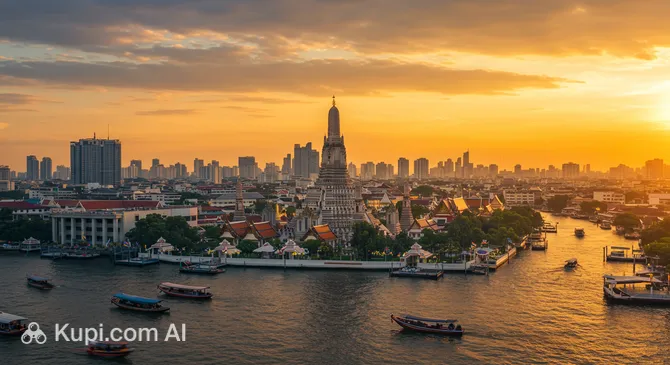
Illustration.
Source: Kupi.com AI

Thailand is famous for its magnificent Buddhist temples, reflecting the nation's deep spirituality, and its rich historical heritage. One of the most iconic sites is the Grand Palace in the capital. Beyond cultural treasures, the country offers endless opportunities for relaxation: from the world-famous beaches of Phuket to the lush jungles and mountain landscapes of the north.

The warm tropical climate makes Thailand an attractive destination at any time of year. But what charms most about this country is the famous Thai hospitality and atmosphere of friendliness; it is not for nothing that Thailand is called the "Land of Smiles." A journey here promises to be an unforgettable adventure full of vivid impressions and discoveries.

Currency

The national currency of Thailand is the Thai Baht (THB). All banknotes feature the portrait of His Majesty the King of Thailand. Banknotes of various denominations, differing in color and size, as well as coins, are in circulation. It is recommended to carry both bills and coins for convenience, especially in small shops and markets.

Currency can be exchanged at banks, licensed exchange offices at airports, shopping centers, and tourist areas. The exchange rate at banks and official points is usually more favorable than at hotels. Try to avoid exchanging money with street money changers. Credit cards (Visa, Mastercard) are widely accepted in most hotels, restaurants, and major stores, especially in popular tourist destinations. However, it is better to have cash for payments in small shops, markets, or for taxi services.

Visa Requirements

When planning a trip to Thailand, it is important to check the visa requirements in advance. For citizens of many countries, including CIS countries and the European Union, as well as the USA, a visa-free regime often applies for tourist trips for a specific period. However, if your trip involves a longer stay or if your country is not on the visa-free entry list, you will need a tourist visa. This can generally be obtained at the Thai embassy or consulate in your country of residence, and in some cases, on arrival or online, depending on your citizenship and current regulations.

Regardless of visa requirements, to enter Thailand you will definitely need a valid passport, which must typically be valid for at least six months from the date of intended entry. It is also recommended to have return tickets, confirmation of hotel booking, and a medical insurance policy, as these documents may be checked at the border. Since visa rules can change, we strongly advise checking the most up-to-date information on the official website of the embassy or consulate of the Kingdom of Thailand in your country or on the website of the Thai Immigration Bureau before your trip.

We'll let you know if you need a visa

Enter your destination or
Your nationality
Destination

Timezones

When planning a trip to Thailand, you won't have to worry about changing time zones within the country. The entire territory of the Kingdom operates in a single time zone — Indochina Time (ICT), which corresponds to GMT+7. This means that the time in Bangkok, Phuket, Chiang Mai, and other popular resorts and cities will be the same, simplifying the planning of travel and activities.

Getting There

The easiest way to get to Thailand is by air. The country has several international airports, the main one being Suvarnabhumi in Bangkok, which receives flights from all over the world. Direct flights are available from many countries in Asia, Europe, Australia, and the Middle East. For travelers from other regions, convenient connecting flights through major international hubs are available. In addition to the capital's airport, international flights are also accepted at airports in popular resorts such as Phuket and Chiang Mai, allowing tourists to arrive closer to their holiday destination.

For those who prefer land travel or combined routes, Thailand is also accessible by land. The country shares land borders with Malaysia, Laos, Cambodia, and Myanmar, which are served by buses, and there is a rail link with Malaysia. Sea transport is less popular for direct arrival into the country from distant regions, though some cruise ships include Thai ports in their itineraries. In any case, it is highly recommended to book tickets, especially flights, and accommodation in advance, particularly if your trip falls during the peak tourist season (usually from November to February), to ensure the best prices and availability.

AirportCityIATA
Suvarnabhumi AirportBangkokBKK
Phuket International AirportPhuketHKT
Chiang Mai International AirportChiang MaiCNX
Hat Yai International AirportHat YaiHDY
Chiang Rai International AirportChiang RaiCEI

Thailand is a country of amazing diversity, offering travelers a kaleidoscope of impressions. Everyone will find a corner to their liking here: from bustling metropolises to serene beaches and ancient cultural centers. One of the most vibrant and must-visit cities is, of course, the capital – Bangkok. This city of contrasts strikes the imagination: modern skyscrapers stand alongside magnificent royal palaces, ancient temples, and lively floating markets.

Illustration.
Source: Kupi.com AI

For those who dream of sun, sea, and a carefree holiday, Thailand offers world-famous resorts. Pattaya attracts tourists with its dynamic atmosphere, wide range of entertainment, and long beaches. No less popular is the island of Phuket, which is famous for its picturesque bays, the crystal-clear water of the Andaman Sea, and luxury hotels. Here you can find both lively beaches with developed infrastructure and secluded corners for quiet relaxation.

If your heart seeks to discover ancient culture and a peaceful atmosphere, head to the north of the country. Chiang Mai, surrounded by mountains, charms with its numerous temples, unique craft traditions, and the opportunity to touch the authentic culture of northern Thailand. Each of these destinations is only a small part of what hospitable Thailand has to offer, inviting you to discover its unique charm.

Top Attractions

Thailand is famous for its hospitality and an amazing variety of attractions that can impress even the most sophisticated traveler. From ancient temples and lively markets to tropical beaches and luxury shopping centers — everyone will find something for themselves here.

One of the bright symbols of Thailand's northern capital is the Chiang Mai Night Bazaar. This is not just a market, but a real kaleidoscope of colors, aromas, and sounds. Here you can find unique handmade products, try local cuisine, and immerse yourself in the unique atmosphere of evening Chiang Mai.

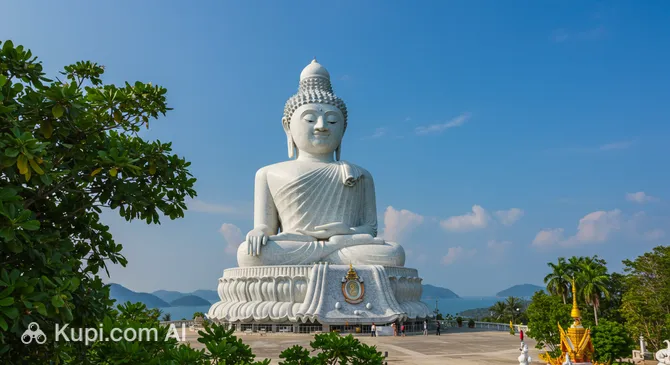
On the island of Phuket, the majestic statue of the Big Buddha towers. This 45-meter snow-white figure, covered in Burmese marble, is visible from afar and is an important pilgrimage site and a popular tourist spot offering panoramic views of the island.

Illustration.
Source: Kupi.com AI

Traveller photos:

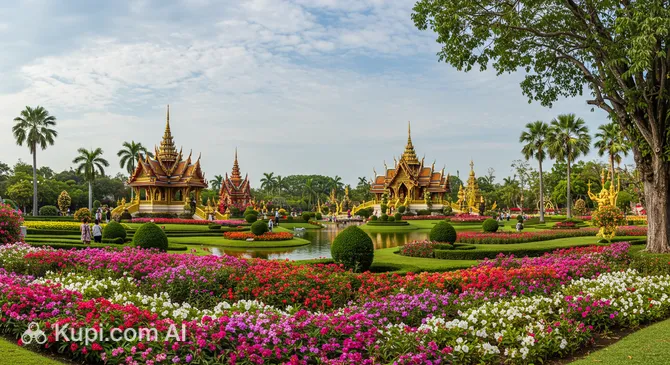
For lovers of nature and the exotic, the Nong Nooch Botanical Garden is a must-visit. This huge park near Pattaya offers an incredible variety of themed gardens, from a French formal park to cactus and orchid gardens, as well as colorful cultural shows.

Illustration.
Source: Kupi.com AI

Traveller photos:

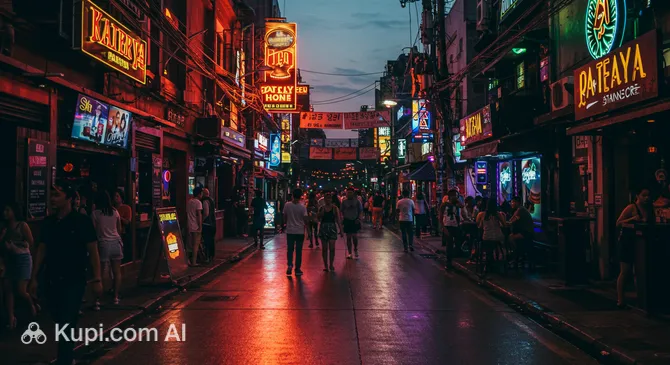
If you are looking for vivid impressions and nightlife, then Pattaya Walking Street is what you need. As the sun sets, this street transforms, filling with lights, music, bars, restaurants, and entertainment for every taste.

Illustration.
Source: Kupi.com AI

Traveller photos:

Best Time to Visit

Choosing the best time to travel to Thailand largely depends on your preferences and plans. The high season traditionally lasts from November to February or March. During this period, the most comfortable weather is established: dry, sunny, and with moderate air temperatures. This is the ideal time for a beach holiday at resorts like Phuket, as well as for sightseeing in cities including vibrant Bangkok or the cultural hub of Chiang Mai. The main advantages are excellent weather conditions for any activity. However, it is worth considering that this is the time of the greatest influx of tourists, and prices for accommodation and services can be significantly higher.

The low season, also known as the rainy season, usually falls between May-June and October. It is characterized by high humidity and frequent but typically short-lived tropical showers, most often occurring in the afternoon. Air temperatures remain high. The advantages of traveling during this time include lower prices for hotels and flights, fewer tourists at popular attractions, and incredibly lush, emerald vegetation. Possible downsides include the chance of some boat excursions being canceled due to weather, as well as potential restrictions on ferry services to certain islands. It is also worth noting the hot season from March to May, when air temperatures reach their peak before the rainy season begins.

The climate in Thailand has its regional characteristics. For example, the seasons may differ slightly between the resorts of the Gulf of Thailand (such as Koh Samui, Koh Phangan, Koh Tao) and the Andaman Coast (such as Krabi, Phi Phi), so it is recommended to check the local weather forecast before traveling to a specific region. When planning your trip, pay attention to major festivals: in April, the Thai New Year, Songkran, is celebrated loudly and joyfully across the country, famous for its water "fights," and in November (the date varies based on the lunar calendar), the incredibly beautiful festival of lights, Loy Kratong, takes place, when thousands of decorated kratong boats are released onto the water.

Traditions

When traveling to Thailand, it is important to familiarize yourself with local cultural traditions so that your journey is comfortable and respectful toward the residents. The foundation of Thai etiquette is respect, especially toward elders, monks, and the Royal Family. The traditional greeting, the "Wai" — palms pressed together at chest or face level with a slight bow — is an important part of communication. The depth of the bow and the height of the hands depend on the status of the person you are greeting. A smile is a universal language in the "Land of Smiles"; it will help establish contact in any situation. Try to avoid touching another person's head, as the head is considered a sacred part of the body. Conversely, the feet are considered the "lowest" part, so you should not point them at people or sacred images, nor should you sit with your feet pointing toward Buddha statues in temples. Public displays of strong emotions, especially anger, or loud talking are considered impolite.

When visiting temples and royal palaces in Thailand, pay special attention to your clothing: it should be modest, covering the shoulders and knees. It is customary to remove your shoes before entering temple buildings and private homes. Thais are very hospitable, and if you are invited into a home, a small token of appreciation (such as fruit or sweets) will be valued, though it is not strictly mandatory. At the table, people usually use a spoon (in the right hand) and a fork (in the left, to help push food onto the spoon). Chopsticks are mainly used for noodle dishes. Among the many colorful holidays, Songkran (Thai New Year in April), known for its fun water "fights," and Loy Kratong (usually in November), when thousands of small kratong boats with candles and incense are launched into bodies of water, stand out. Knowing these simple rules will help you gain a deeper understanding of Thailand's culture and earn the respect of the local people.

Entertainment

Thailand is a country where everyone will find entertainment to their liking, from peaceful contemplation to active adventures. Lovers of **active recreation** can enjoy diving and snorkeling in the crystal-clear waters of the Andaman Sea or the Gulf of Thailand, go hiking in tropical jungles, or engage in water sports. For connoisseurs of **cultural entertainment**, the doors of numerous ancient temples, majestic palace complexes, museums, and galleries are open, introducing the country's rich history and art.

As evening falls, many cities in Thailand, especially Bangkok and Pattaya, come alive, offering a vibrant **nightlife**. Here you can find countless bars, restaurants with live music, and nightclubs for every taste. **Shopping** in Thailand is a real adventure: from massive modern shopping malls to colorful street markets where you can purchase silk products, jewelry, exotic souvenirs, and, of course, the famous Thai spices and cosmetics.

For **family vacations**, Thailand also provides many options. Various theme parks, impressive water parks, and sanctuaries where you can get a closer look at local fauna, such as elephants, will provide unforgettable impressions for both children and adults. Many resort areas offer special entertainment programs and amenities for travelers with children, making the holiday comfortable and fulfilling.

Currency rates

Planning a trip? Wonderful! To make sure the financial side of your journey holds no surprises, it's worth remembering that exchange rates are constantly changing. That's why we strongly recommend keeping an eye on current rates both before departure and throughout your trip. To help with that, you can use the data provided below — we monitor exchange rates 24/7 and strive to provide the most up-to-date information.

THB exchange rate for 14/08/2026

1 AED
~ 8.98 THB
11.10 AMD
~ 1 THB
1 AUD
~ 23.27 THB
1 AZN
~ 19.40 THB
1 BYN
~ 11.00 THB
1 CAD
~ 23.65 THB
1 EUR
~ 38.02 THB
1 GBP
~ 44.48 THB
9.57 HUF
~ 1 THB
2.89 INR
~ 1 THB
2.65 KGS
~ 1 THB
43.02 KRW
~ 1 THB
14.12 KZT
~ 1 THB
1 PLN
~ 8.83 THB
2.53 RUB
~ 1 THB
1 SAR
~ 8.77 THB
1 SGD
~ 25.76 THB
1.45 TRY
~ 1 THB
1.36 UAH
~ 1 THB
1 USD
~ 32.98 THB
362.58 UZS
~ 1 THB

Reached the bottom of the page?

Looks like you know this route inside out

We use cookies and services to collect user information. This is essential for the functioning of the site and for marketing purposes. You can find out more in .