Cyprus

About

Cyprus is a sunny island in the Mediterranean Sea, attracting travelers with its rich history, magnificent beaches, and unique atmosphere of hospitality. This third-largest island in the Mediterranean offers a wonderful combination of ancient ruins, picturesque mountains, and crystal-clear sea, making it an ideal destination for a diverse vacation.
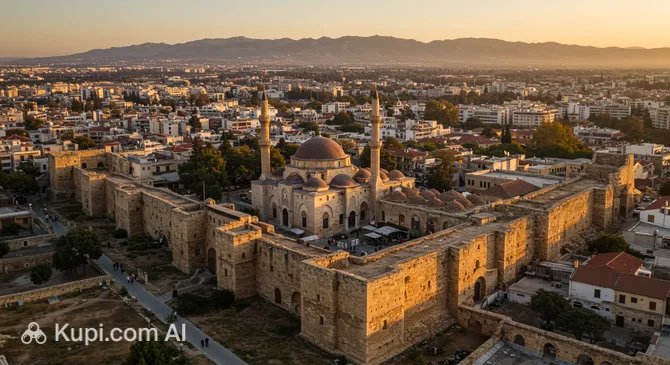
Illustration.
Source: Kupi.com AI

The cultural heritage of Cyprus dates back millennia, where the influences of Greek, Roman, Byzantine, and Venetian civilizations are intertwined. The island's capital, Nicosia, is a unique city with a rich history, where ancient walls stand alongside modern districts. Archaeological treasures are scattered across the island, such as the Nea Paphos Archaeological Site, a UNESCO World Heritage site, or the famous Church of Saint Lazarus in Larnaca.

The nature of Cyprus enchants with its contrasts: from golden beaches and azure bays to the pine-covered Troodos Mountains. The Mediterranean climate with long hot summers and mild winters makes the island attractive to visit year-round. Cyprus is a place where you can enjoy a relaxed beach holiday, explore ancient cities like Paphos, go hiking on mountain trails, or simply enjoy delicious local cuisine and the friendliness of the Cypriots.

Currency

The official currency of Cyprus is the Euro (EUR), as the country is part of the Eurozone. Banknotes in denominations of 5, 10, 20, 50, 100, 200 euros and coins in denominations of 1, 2, 5, 10, 20, 50 cents, as well as 1 and 2 euros, are in circulation. The design of the banknotes is the same for all Eurozone countries, while the euro coins issued in Cyprus have a unique national side with images reflecting the island's culture and nature, such as the Cypriot mouflon or the ancient Kyrenia ship.

You can exchange currency for euros at banks, licensed exchange offices (often with an "Exchange" sign), and in some hotels. It is recommended to compare rates and possible commissions before exchanging. Avoid exchanging currency with private individuals or in places that do not inspire trust. Credit and debit cards of international payment systems (Visa, Mastercard, American Express) are widely accepted in most hotels, restaurants, shops, and tourist sites across Cyprus. Nevertheless, it is always useful to have a small amount of cash with you for small purchases, paying for public transport, or at markets.

Visa Requirements

When planning a trip to Cyprus, it is important to check the visa requirements in advance. Citizens of European Union countries do not need a visa to enter Cyprus. For citizens of most other countries, including some CIS countries, a visa is generally required to visit Cyprus. Usually, this is a tourist visa applied for through a Cyprus embassy or consulate in the country of residence. In some cases, an option for online processing of a preliminary entry permit (so-called pro-visa) may be available; however, this possibility and the conditions for obtaining it should be checked specifically for your citizenship.

Regardless of visa requirements, all travelers need a valid passport to enter Cyprus. It is also recommended to have confirmation of accommodation booking, return tickets, and a medical insurance policy covering the entire duration of the stay. Since visa rules can change, we strongly advise checking the most current information on the official websites of Cyprus embassies or visa centers before your trip.

We'll let you know if you need a visa

Enter your destination or
Your nationality
Destination

Timezones

A single time zone applies across the entire territory of Cyprus. The country follows Eastern European Time (EET), which corresponds to UTC+2. This means you won't have to change your watch when moving between the various cities and resorts of the island.

It is important to remember that Cyprus observes daylight saving time. This usually happens on the last Sunday in March, when the clocks are moved forward one hour (UTC+3), and back on the last Sunday in October. Keep this in mind when planning your trip, especially if it falls during the transition periods.

Getting There

The easiest way to reach sunny Cyprus is by air. The island has several international airports, the main ones for most tourists being the airports in Larnaca and Paphos. Regular direct flights connect Cyprus with many cities in Europe and the Middle East, and convenient connecting routes are available from more distant regions of the world. Air travel is the fastest and most popular way to start your Cypriot adventure.

For those who prefer sea travel, there is the possibility of arriving in Cyprus on a cruise ship, as the island is a popular stop on many Mediterranean routes. Previously, there were also ferry connections with some neighboring countries, but it is recommended to check their current status and schedules in advance. Regardless of the chosen method, we suggest booking tickets in advance, especially if your trip falls during the peak tourist season (summer months and holidays), to ensure the best prices and availability.

Since Cyprus is an island nation, there is no direct land transport connection, such as international trains or buses, with other countries. Therefore, the main focus when planning a trip to the island is on air or, less frequently, sea transport.

AirportCityIATA
Larnaca International AirportLarnacaLCA
Ercan AirportErcanECN
Paphos International AirportPaphosPFO

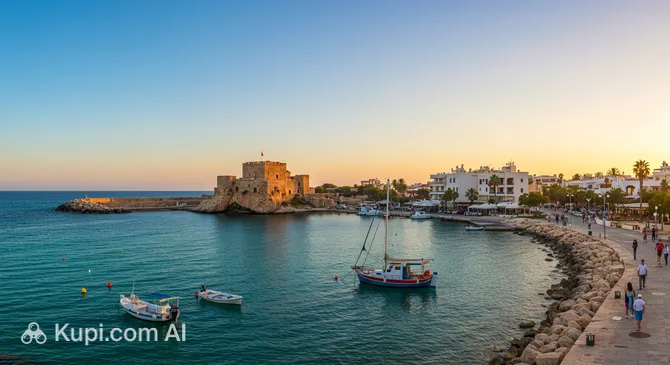
Cyprus is famous for its variety of resorts and cities, each offering something unique for travelers. From ancient ruins and lively waterfronts to quiet beaches and modern business centers — there are places to suit every taste. Whether you are planning a relaxing holiday by the sea, an immersion into history, or an introduction to bustling city life, Cyprus will not disappoint you.

Illustration.
Source: Kupi.com AI

One of the most attractive destinations is Paphos, a city with a rich historical heritage, listed as a UNESCO World Heritage site, and beautiful beaches. Here you can wander for hours among ancient mosaics and the Tombs of the Kings. No less popular is Limassol — a dynamic cosmopolitan center known for its festivals, medieval castle, and modern marina. It is a great place for both leisure and business trips. Fans of beach holidays and families with children will love Larnaca with its famous Phinikoudes promenade, salt lake where you can see flamingos in winter, and convenient location near the island's main airport.

The island's capital, Nicosia, offers a unique combination of history and modernity. It is the world's only divided capital, where you can walk along the Venetian walls, visit numerous museums, and feel the pulse of Cyprus's business and cultural life. Each of these cities and resorts has its own unique charm, inviting you to discover all the facets of hospitable Cyprus.

Top Attractions

Cyprus, an island with a rich history and culture, offers travelers many amazing places. From ancient ruins to impressive medieval structures — everyone will find something for themselves here. Let's get acquainted with some of the most iconic sights of Cyprus.

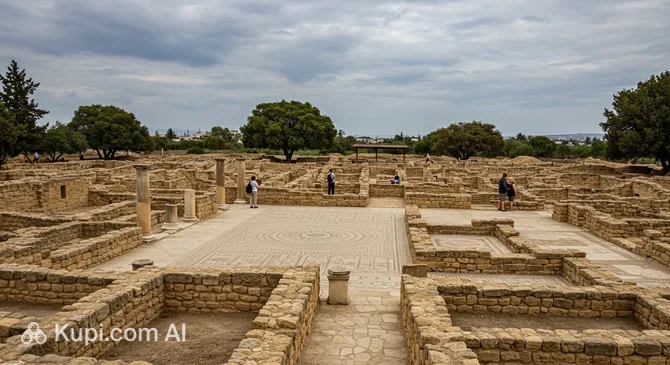
One of the most impressive places is the Nea Paphos Archaeological Site, included in the UNESCO World Heritage list. Here you can see magnificent Roman mosaics, ruins of ancient villas, an odeon, and the Saranta Kolones fortress. This is a real journey through time, allowing you to touch the ancient history of the island.

Illustration.
Source: Kupi.com AI

Traveller photos:

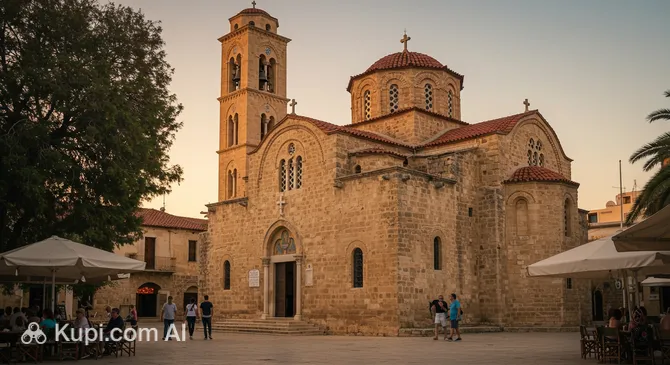
In Larnaca, be sure to visit the Church of Saint Lazarus — a magnificent example of 9th-century Byzantine architecture. Built over the tomb of Lazarus, resurrected by Jesus, this church is an important pilgrimage site and amazes with its beauty and decoration, including an elaborate carved iconostasis.

Illustration.
Source: Kupi.com AI

Traveller photos:

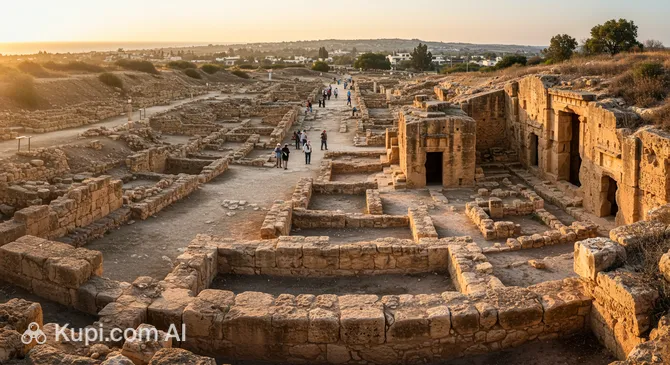
Near Paphos are the famous Tombs of the Kings — an impressive necropolis from the Hellenistic and Roman periods. Despite the name, it was not kings who were buried here, but high-ranking officials and aristocrats. The tombs carved into the rock with Doric columns create an atmosphere of mystery and antiquity, inviting you to explore the underground chambers.

Illustration.
Source: Kupi.com AI

Traveller photos:

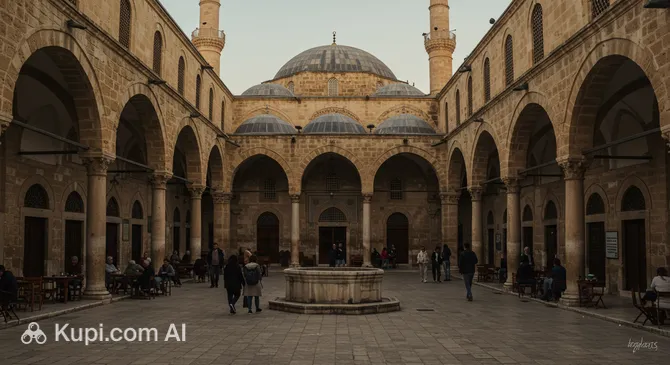
In the heart of old Nicosia is located the Büyük Han (Great Inn) — one of the best examples of Ottoman architecture in Cyprus. Built in the 16th century, it served as a caravanserai for merchants. Today, there are craft workshops, galleries, and cozy cafes here where you can relax and soak up the atmosphere of the old city.

Illustration.
Source: Kupi.com AI

Traveller photos:

Best Time to Visit

Cyprus delights with sunny weather most of the year, but choosing the best time for a trip depends on your preferences. High season traditionally falls in the summer months — from June to August. At this time, the island is dominated by hot and dry weather, ideal for beach holidays, swimming in the Mediterranean Sea, and water sports. The air temperature often rises above +30°C. The advantages are obvious — the maximum number of sunny days and warm sea. However, one should be prepared for a large influx of tourists and, as a result, higher prices for accommodation and services.

The shoulder season, covering spring (April-May) and autumn (September-October), is considered by many to be the golden time to visit Cyprus. The weather during these periods is very comfortable: warm but without exhausting heat, with air temperatures around +20-25°C. This is a wonderful time for excursions, hiking along picturesque trails, studying historical sights, and enjoying blooming nature in spring or the velvet season in autumn. There are significantly fewer tourists, and prices are more pleasant. Winter (from November to March) in Cyprus is mild, especially on the coast, although rain is possible. In the Troodos Mountains, snow falls at this time, and there is even a ski resort. Some tourist establishments in coastal areas may be closed or operate on a reduced schedule.

When planning your trip, pay attention to local events. In spring, colorful Easter celebrations and flower festivals like Anthestiria take place in Cyprus. In summer and autumn, various cultural and wine festivals are held, for example, the famous Wine Festival in Limassol at the end of August - beginning of September. Spring is also the time when wild orchids and poppies bloom, as well as a period for bird migration. Although the climate on the island is generally Mediterranean, it is always cooler in the mountainous regions than on the coast, which should be taken into account when choosing a route.

Traditions

Traveling to Cyprus, you will immerse yourself in an atmosphere of sincere warmth and ancient traditions. Cypriots are very sociable and friendly. When meeting and saying goodbye, it is customary to shake hands, and maintaining eye contact during conversation is considered a sign of respect and openness. Instead of pointing with a finger, it is better to use an open-palm gesture. Philoxenia, or hospitality, is one of the most important traits of the national character. If you are invited into a home, consider it a great honor. It is customary to bring the hosts a small gift, such as sweets, flowers, or a bottle of wine. Refusing a treat can be perceived as impolite, so try to taste at least a little of the offered food and drinks.

Respect for local customs is also shown in appearance. When visiting monasteries and churches, it is necessary to follow a dress code: shoulders and knees must be covered for both men and women. Outside the beach, you should not appear in revealing beachwear in cities or restaurants. At the table in Cyprus, a relaxed atmosphere usually prevails, but it is considered good manners to wait until the hosts start eating first. To avoid awkward situations, try not to initiate conversations on sensitive political topics, especially concerning the division of the island. Cypriots value a measured pace of life, known as "siga-siga" (slowly-slowly), so show patience and enjoy the slow pace of existence.

The cultural life of the island is revealed especially vividly during holidays. The main religious event is Easter (Pascha), which is celebrated on a large scale, including solemn church services, lavish family feasts, and traditional treats. Another unique and colorful holiday is Kataklysmos (Festival of the Flood), which is celebrated 50 days after Easter, usually in early June. At this time, throughout the island, especially in coastal cities, there are fun water festivities, fairs, and boat regattas. Knowing and respecting these cultural peculiarities will make your trip to Cyprus even more pleasant and rewarding.

Entertainment

Cyprus is an island where everyone will find entertainment to their liking, regardless of preferences. For fans of active recreation, all the conditions are created here: from diving in the crystal-clear waters of the Mediterranean Sea and windsurfing to exciting hiking routes along the Troodos mountain trails and cycling trips along the coast. The cultural program in Cyprus is also rich: numerous archaeological parks, ancient monasteries, and museums preserve the island's centuries-old history. In the evening, you can enjoy theatrical performances or concerts, which often take place in major cities like Nicosia.

When darkness falls, the nightlife comes alive, especially in popular tourist centers like Limassol or Ayia Napa, where numerous bars, clubs, and restaurants with live music invite you to have fun until morning. For those who prefer shopping, Cyprus offers both traditional souvenirs — olive oil, local Commandaria wine, leather goods, and handmade lace from the village of Lefkara — as well as modern shopping centers with well-known brands. Families with children will also not be bored: there are several water parks on the island with various slides, theme parks, and entertainment centers that will give plenty of positive emotions to both children and adults.

Currency rates

Planning a trip? Wonderful! To make sure the financial side of your journey holds no surprises, it's worth remembering that exchange rates are constantly changing. That's why we strongly recommend keeping an eye on current rates both before departure and throughout your trip. To help with that, you can use the data provided below — we monitor exchange rates 24/7 and strive to provide the most up-to-date information.

EUR exchange rate for 13/08/2026

4.26 AED
~ 1 EUR
424.12 AMD
~ 1 EUR
1.64 AUD
~ 1 EUR
1.97 AZN
~ 1 EUR
3.45 BYN
~ 1 EUR
1.62 CAD
~ 1 EUR
1 GBP
~ 1.17 EUR
366.40 HUF
~ 1 EUR
110.58 INR
~ 1 EUR
101.38 KGS
~ 1 EUR
1642.09 KRW
~ 1 EUR
539.99 KZT
~ 1 EUR
4.33 PLN
~ 1 EUR
95.92 RUB
~ 1 EUR
4.35 SAR
~ 1 EUR
1.48 SGD
~ 1 EUR
55.36 TRY
~ 1 EUR
51.91 UAH
~ 1 EUR
1.16 USD
~ 1 EUR
13823.98 UZS
~ 1 EUR

Reached the bottom of the page?

Looks like you know this route inside out

We use cookies and services to collect user information. This is essential for the functioning of the site and for marketing purposes. You can find out more in .