Cambodia

About

Cambodia is an amazing country in Southeast Asia, attracting travelers with its ancient history, rich culture, and incredible landscapes. It is a land where the past harmoniously intertwines with the present, offering a unique experience to everyone who decides to visit. From majestic temples to vibrant cities and tranquil rural areas, Cambodia leaves a lasting impression.

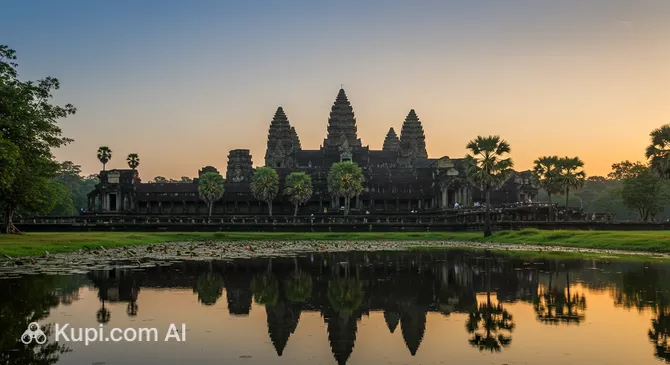
The heart of Cambodia's cultural heritage is undoubtedly the legendary Angkor Wat temple complex, located near the city of Siem Reap. These ancient structures, witnesses to the power of the Khmer Empire, boggle the mind with their architecture and scale. The country's capital, Phnom Penh, is a dynamic city where you can explore the Royal Palace, learn about history at the Tuol Sleng Genocide Museum, and immerse yourself in the atmosphere of local markets.
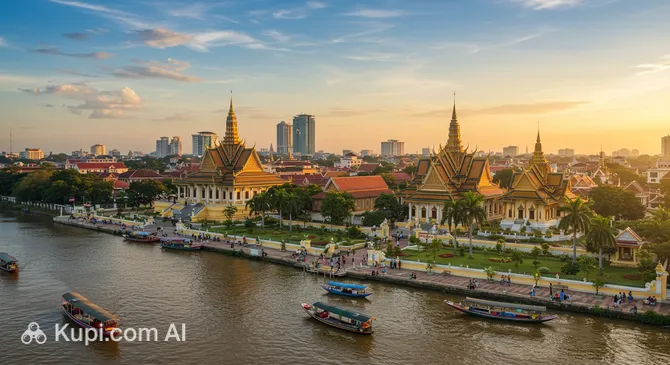
Illustration.
Source: Kupi.com AI

Beyond its historical treasures, Cambodia captivates with its nature. The tropical climate provides warmth year-round, while landscapes range from emerald rice fields and dense jungles to sandy beaches on the southern coast, such as those in the Sihanoukville area. The country exudes a special atmosphere of tranquility and hospitality, and local residents are always happy to share their culture and traditions.

Currency

The national currency of Cambodia is the riel (KHR). Banknotes of various denominations are in circulation, often depicting significant cultural and historical symbols of the country, such as the Angkor Wat temple complex or portraits of former monarchs. Interestingly, along with the riel, the US dollar is very widely used in Cambodia, especially in tourist zones, for paying for hotels, excursions, and large purchases. Prices are often listed specifically in dollars.

Currency can be exchanged at banks and official exchange offices found in major cities like Phnom Penh and tourist centers. It is recommended to avoid exchanging money with street money changers due to the risk of fraud or unfavorable rates. Credit cards (Visa, Mastercard) are accepted in large hotels, restaurants, and some shops in tourist areas. However, for small purchases, markets, and in remote areas, it is preferable to carry cash riels or small-denomination US dollars. ATMs that dispense both riels and dollars are also quite common in cities.

Visa Requirements

To visit Cambodia, most foreign citizens, including tourists from CIS countries, the EU, and the USA, require a visa. Typically, travelers can obtain a tourist visa upon arrival at the international airports of Phnom Penh and Siem Reap, as well as at some land border crossings. An option to apply for an e-visa online in advance is also available, which can save time upon arrival. To obtain a visa, a valid passport is required, with an expiration date usually at least six months from the date of entry into the country.

In addition to a passport, it is recommended to have return tickets, hotel booking confirmation, and travel insurance, although the full list of requirements may vary. It is important to remember that visa rules can change, so before your trip, it is strongly recommended to check current information on the official website of the Ministry of Foreign Affairs of Cambodia or at the embassy or consulate of the country in your country of residence.

We'll let you know if you need a visa

Enter your destination or
Your nationality
Destination

Timezones

When planning a trip to Cambodia, you won't have to worry about changing time zones within the country. The entire territory of the Kingdom of Cambodia operates on a single time zone—UTC+7 (Indochina Time, ICT). This means that the time in the capital, Phnom Penh, will be the same as in any other city or on the country's islands.

Thanks to a single time zone, you can easily plan your movements between different regions of Cambodia without fear of being late for transport or an excursion due to a time difference. This significantly simplifies travel logistics and allows you to focus on enjoying the beauty and culture of this amazing country.

Getting There

The easiest way to reach Cambodia is by air. The country has several international airports, the main one being in the capital, Phnom Penh. It serves as the primary hub for flights from various regions of the world, especially from Asian countries, with many direct flights and convenient connections. Other major airports receiving international flights are located in popular tourist centers such as Siem Reap (near Angkor Wat) and Sihanoukville.

For those who prefer land travel, Cambodia has land borders with Thailand, Vietnam, and Laos. There are regular bus routes connecting Cambodian cities with major cities in neighboring countries. Crossing the border by rented car or taxi is also possible but requires prior research into the rules and the availability of necessary documents. Railway communication in Cambodia is poorly developed and primarily used for domestic transport; international rail routes are non-existent.

Maritime transport for arriving in Cambodia is less common, but some options exist. For example, from Vietnam (Mekong Delta), you can reach Phnom Penh by high-speed boat. Cruise ships occasionally call at the port of Sihanoukville. In any case, when planning your trip, it is recommended to book tickets in advance, especially if your travel falls during the peak tourist season, to ensure the best prices and availability.

AirportCityIATA
Phnom Penh International AirportPhnom PenhPNH
Siem Reap International AirportSiem ReapSAI
Sihanouk International AirportSihanoukvilleKOS

Cambodia is a country with a rich history and diverse landscapes, offering tourists both immersion into ancient culture and relaxation on picturesque coasts. Among the many interesting places, several key destinations stand out, each possessing its own unique charm. The capital, Phnom Penh, is a bustling center where royal palaces and silver pagodas sit alongside reminders of recent history and modern urban landscapes. It is a place where you can feel the pulse of modern Cambodia without forgetting its past.

Illustration.
Source: Kupi.com AI

For those seeking to touch the greatness of ancient civilizations, Siem Reap is an essential destination. This city serves as the gateway to the legendary Angkor Wat temple complex, a wonder of the world that captivates the imagination with its architecture and scale. Besides Angkor, the surroundings of Siem Reap are rich with other ancient temples hidden in the jungle, while the city itself offers cozy hotels, restaurants, and lively markets.

If your goal is a beach holiday, consider the coastal cities. Sihanoukville, once a quiet resort, is actively developing today, offering beaches and opportunities for water sports. For a quieter and more secluded getaway, Kep is suitable, known for its crab markets and colonial atmosphere. Meanwhile, Kampot will attract lovers of nature and authenticity with its famous pepper plantations, river landscapes, and relaxed atmosphere.

Top Attractions

Cambodia is a country with a rich history and culture, offering travelers unique experiences. From ancient temple complexes to vibrant urban centers, there is something for everyone here. The country's main attractions are witnesses to its great past and dynamic present.

Undoubtedly, the main crown jewel of Cambodia is the majestic Angkor Wat. This giant temple complex, originally dedicated to the Hindu god Vishnu and later becoming Buddhist, amazes with its scale, complex architecture, and exquisite carvings. Sunrises and sunsets over Angkor Wat are a sight that stays in memory for a lifetime.

Illustration.
Source: Kupi.com AI

Traveller photos:

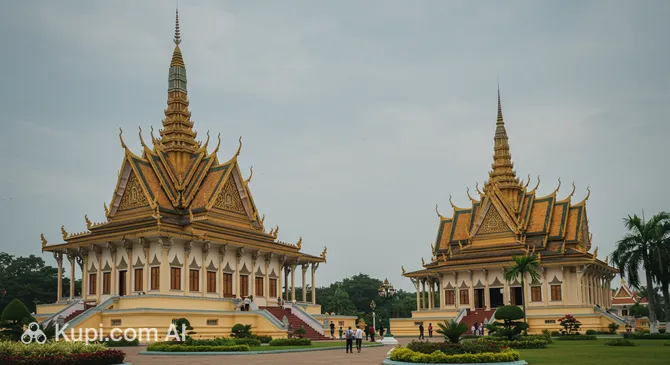
In the capital city of Phnom Penh, the Royal Palace is a must-visit. This active palace complex is the residence of the King of Cambodia and includes several magnificent buildings, including the Throne Hall and the Silver Pagoda. Visitors can admire traditional Khmer architecture and learn more about the country's monarchy.

Illustration.
Source: Kupi.com AI

Traveller photos:

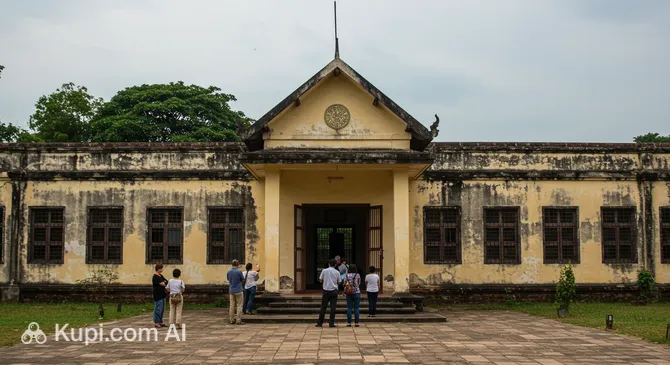
For those interested in the more modern, albeit tragic, history of Cambodia, an important place to visit is the Tuol Sleng Genocide Museum in Phnom Penh. A former school turned into S-21 prison during the Khmer Rouge rule, it today serves as a stark reminder of the dark pages of the country's history and a memorial to the victims of the regime.

Illustration.
Source: Kupi.com AI

Traveller photos:

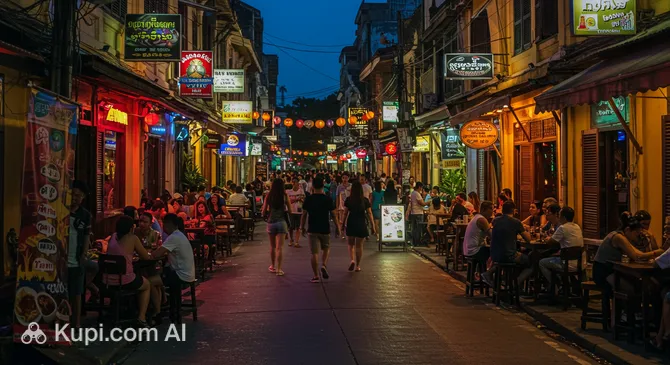
After a full day of exploring ancient temples and historical sites, many tourists head to the famous Pub Street in Siem Reap. This lively street offers many restaurants, bars, and night clubs where you can taste local cuisine, enjoy drinks, and soak up the fun atmosphere.

Illustration.
Source: Kupi.com AI

Traveller photos:

Best Time to Visit

When planning a trip to Cambodia, it is important to consider two main climatic seasons. The high season, lasting from November to April, is considered the most comfortable time to visit. During this period, dry and sunny weather prevails, with pleasant temperatures, especially from November to February. This is the ideal time for exploring the majestic temples of Angkor, such as the famous Angkor Wat near Siem Reap, and for relaxing on the coast, for example, in Sihanoukville or Kep. However, keep in mind that this is the peak tourist season, and prices for accommodation and services may be higher.

The low season, also known as the rainy season, lasts from May to October. This period is characterized by higher temperatures and humidity, as well as frequent but usually brief tropical downpours that most often occur in the afternoon. The advantages of traveling at this time include lush green nature, significantly fewer tourists, and lower prices. The rains bring landscapes to life, and Tonle Sap Lake reaches its maximum level, opening up new opportunities for boat excursions. When planning your trip, it's also worth paying attention to local holidays: the Khmer New Year (Chaul Chnam Thmey), usually celebrated in April, and the colorful Water Festival (Bon Om Touk) in Phnom Penh and other cities, typically held in November. These events offer a unique cultural experience but may be accompanied by large crowds at the venues.

Traditions

When traveling to Cambodia, you will immerse yourself in a world of ancient traditions and amazing culture, where respect for elders and spiritual values plays a key role. The traditional Cambodian greeting, "sampeah" (palms pressed together as if in prayer with a slight bow), is an important part of etiquette; the height of the hands and the depth of the bow depend on the status of the person being greeted. Try to avoid touching the heads of local residents, as the head is considered a sacred part of the body. Cambodians are very hospitable, and if you are invited into a home, a small souvenir or fruit will be a pleasant token of appreciation, though not mandatory. When visiting temples, such as the famous Angkor Wat, and other religious sites, it is extremely important to dress modestly: shoulders and knees should be covered. This rule also applies to everyday clothing in public places, especially outside tourist zones.

At the table, it is customary to wait until you are shown a seat, and often the eldest member of the family or group starts the meal first. Use your right hand for eating and passing objects, as the left hand is traditionally considered unclean. One of the most significant holidays in Cambodia is the Khmer New Year (Chaul Chnam Thmey), usually celebrated in April, when the whole country is transformed in a whirlwind of colorful ceremonies, games, and water splashing symbolizing purification. Another important holiday is Pchum Ben (Ancestors' Day), a time to commemorate deceased relatives. To show respect for the local culture, avoid public displays of anger or loud arguments, as this is considered extremely impolite. It is also not customary to point at people or objects with your foot, and always remove your shoes before entering a home or temple.

Entertainment

Cambodia offers tourists a variety of leisure options that can satisfy many different interests. Active travelers can explore ancient temple complexes like the majestic Angkor Wat near Siem Reap, go trekking in national parks, or enjoy water sports and relaxation on the beaches of resorts like Sihanoukville or Kep. Cycling through the countryside and boat tours on Tonle Sap Lake and the Mekong River are also popular, revealing scenic landscapes and the daily lives of local residents.

The cultural program in Cambodia is rich and fascinating. In the capital, Phnom Penh, you can visit the Royal Palace, the Silver Pagoda, and numerous museums, including the Tuol Sleng Genocide Museum, which tells about tragic pages in the country's history. Don't miss the opportunity to see traditional Apsara Khmer dances—it's a mesmerizing sight. After dark, night markets come to life, and in tourist centers like Siem Reap with its famous Pub Street and in Phnom Penh, many bars, restaurants, and clubs with various atmospheres open up.

Shopping in Cambodia is primarily an introduction to local crafts. At markets, such as the Psar Leu Market in Sihanoukville or the Central Market in Phnom Penh, you can find quality silk products, silver jewelry, carved wooden figurines, paintings, and traditional krama scarves. For family vacations, quiet walks through temple complexes, visits to animal rescue centers, or cooking masterclasses to learn how to prepare local dishes are suitable. While the country does not have large theme parks, its natural beauty and cultural heritage offer many opportunities for educational and interesting pastimes for the whole family.

Currency rates

Planning a trip? Wonderful! To make sure the financial side of your journey holds no surprises, it's worth remembering that exchange rates are constantly changing. That's why we strongly recommend keeping an eye on current rates both before departure and throughout your trip. To help with that, you can use the data provided below — we monitor exchange rates 24/7 and strive to provide the most up-to-date information.

Reached the bottom of the page?

Looks like you know this route inside out

We use cookies and services to collect user information. This is essential for the functioning of the site and for marketing purposes. You can find out more in .