China

About

China is a country of vast expanses and one of the world's oldest civilizations, beckoning travelers with its incredible diversity. Spanning a huge territory in East Asia, China offers a unique combination of millennia-old history and rapidly developing modernity. The heart of the country is its capital, Beijing, a city where the imperial grandeur of the Forbidden City exists alongside ultra-modern architectural masterpieces.
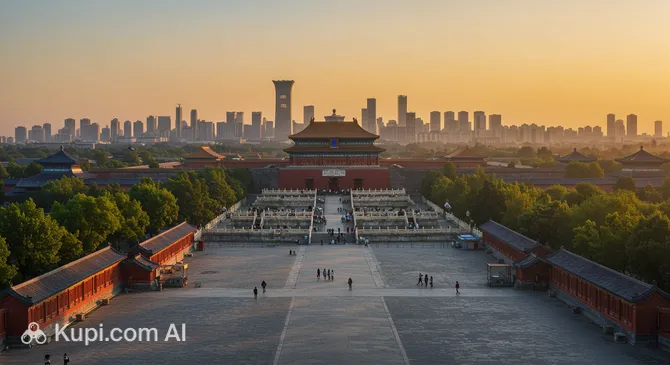
Illustration.
Source: Kupi.com AI

China's cultural heritage is mind-boggling: from the Great Wall of China, one of humanity's greatest engineering feats, to ancient temples, monasteries, and imperial palaces. Every corner of the country holds its own unique traditions, dialects, and culinary delights. Modern megacities like vibrant Shanghai showcase China's economic power and dynamism, offering guests incredible opportunities for shopping, entertainment, and discovery of the latest technologies.

China's natural diversity is no less impressive: from the majestic Himalayas and the Gobi Desert in the west to the picturesque karst landscapes of Guilin and tropical islands in the south. Travelers can explore sacred mountains, admire mirror-like lakes, and discover unique flora and fauna, for example, by visiting the Chengdu Research Base of Giant Panda Breeding. China leaves an unforgettable impression, combining the wisdom of the ages and the energy of the future, offering every guest something of their own.


Currency

The national currency of China is the Chinese Yuan (CNY), also known as Renminbi, which means "people's money." One yuan is divided into 10 jiao, and one jiao into 10 fen. Banknotes are issued in denominations of 1, 5, 10, 20, 50, and 100 yuan, and the portrait of Mao Zedong is depicted on the front of most of them. Coins are also in circulation. It is recommended to exchange currency at official bank branches, authorized exchange points at airports, and hotels. Avoid exchanging money with street money changers, as this carries a risk of fraud.

Credit cards from international payment systems (Visa, Mastercard) are accepted in large cities, tourist centers, hotels, and large stores. However, in smaller towns, markets, or taxis, it is preferable to carry cash. Mobile payment systems such as Alipay and WeChat Pay are very common in China and are used by the vast majority of the local population. For tourists, their use may be difficult without a local bank account, so cash and cards remain the main options for travelers.

Visa Requirements

To visit China, most foreign citizens, including travelers from the EU, USA, and CIS countries, generally require a visa. The most common type of visa for tourist trips is the tourist visa (Category L). Usually, it must be applied for in advance by contacting the PRC embassy or consulate, or at an authorized visa center in your country of residence. The possibility of obtaining a visa on arrival or online exists for certain cases or citizens of specific countries, but it is not standard practice for most tourists.

To apply for a visa, you will need a valid passport (usually with a validity of at least six months at the time of application and with free pages), and you may also need return tickets, hotel booking confirmation, travel insurance, and proof of financial solvency. Since visa rules and requirements can change, it is strongly recommended to check current information in advance on the official website of the Chinese embassy or consulate in your country or at an official visa center before planning your trip.

We'll let you know if you need a visa

Enter your destination or
Your nationality
Destination

Timezones

When planning a trip to China, it is important to know that despite its huge size, the country officially uses one time zone — Beijing Standard Time (CST). This corresponds to UTC+8.

Thus, a single time applies throughout mainland China. This significantly simplifies the planning of internal transfers and communication, as tourists do not need to worry about changing their clocks when moving between different regions of the country.

Getting There

The easiest way to get to China is by air. The country has many modern international airports, the largest of which are in Beijing, Shanghai, and Guangzhou. These air hubs serve as the main gateways to the country, receiving flights from all continents. Direct flights or convenient connections are available from most major cities in Europe, North America, Asia, Australia, and the Middle East. Many airlines offer regular flights, making trip planning quite flexible.

For travelers from neighboring countries, there are also land options. China has long land borders, and you can cross them by train or bus, for example, from Russia, Mongolia, Vietnam, Laos, or Central Asian countries. Railway connections, in particular, can offer interesting and scenic routes. In addition, some coastal cities in China, such as Shanghai or Qingdao, can be reached by ferry or cruise ship from South Korea, Japan, and other countries in the region.

Regardless of the chosen method of travel, it is recommended to book tickets to China in advance, especially if your trip falls during peak tourist season or major national holidays, such as Chinese New Year or the "Golden Weeks" at the beginning of May and October. Early booking not only guarantees availability but often allows you to save on ticket costs.

AirportCityIATA
Shanghai Pudong International AirportShanghaiPVG
Beijing Capital International AirportBeijingPEK
Guangzhou Baiyun International AirportGuangzhouCAN
Shenzhen Bao'an International AirportShenzhenSZX
Chengdu TianfuChengduTFU

China is a country of incredible contrasts, where ancient traditions harmoniously coexist with ultra-modern technologies. Travelers here will find both giant megacities that capture the imagination with their skyscrapers and bustling life, and cities with a thousand-year history that keep the secrets of imperial dynasties. In addition, China offers picturesque natural landscapes and unique resort areas to suit the most discerning taste.

One of the most vibrant and dynamic destinations is certainly Shanghai. This global financial and cultural center impresses with futuristic architecture, such as the famous Oriental Pearl TV Tower, and simultaneously charms with historical districts like the Bund waterfront.

Illustration.
Source: Kupi.com AI
For those who long to touch the deep history of the Middle Kingdom, a trip to Xi'an is a must. This city, once the capital of many dynasties, is world-famous for the discovery of the legendary Terracotta Army.

If your heart belongs to nature and you dream of seeing giant pandas in their natural habitat, then your path leads to Chengdu, the capital of Sichuan province, also famous for its spicy and aromatic cuisine. And for connoisseurs of serene landscapes and classical Chinese poetry, Hangzhou, praised by poets and artists for the beauty of West Lake and its surrounding temples and gardens, is an ideal choice. Each of these cities is just a small part of the diversity that China is ready to offer its guests.

Top Attractions

China is a country with a thousand-year history and amazing diversity, offering travelers an incredible number of attractions. From ancient structures to futuristic megacities and unique nature reserves — there is something for everyone here. Here are just a few iconic places to include in your itinerary:

One of the most recognizable modern landmarks is the Oriental Pearl TV Tower. This famous television tower in Shanghai impresses with its futuristic design featuring characteristic spheres and offers breathtaking panoramic views of the city from its observation decks. By going up, you can appreciate the scale of one of the world's largest megacities.

Illustration.
Source: Kupi.com AI

Traveller photos:

For nature and animal lovers, a visit to the Chengdu Research Base of Giant Panda Breeding is a must. This is a world-renowned center where you can see these adorable black-and-white bears in conditions as close as possible to their natural habitat and learn more about important conservation programs.

Illustration.
Source: Kupi.com AI

Traveller photos:

You can immerse yourself in China's ancient history by walking along the Xi'an City Wall. This is one of the oldest, largest, and best-preserved ancient city walls in China. You can not only walk along it but also rent a bike to complete a full circuit, enjoying views of the old city of Xi'an from the height of this impressive structure.

Illustration.
Source: Kupi.com AI

Traveller photos:

Best Time to Visit

The best time to travel to China is traditionally considered to be spring (April-May) and autumn (September-October). During these months, the weather in most parts of the country is most favorable: moderate temperatures and plenty of sunny days create ideal conditions for sightseeing, whether it's walking along the Great Wall of China or exploring the imperial palaces in Beijing. However, these periods are the high tourist season, which means more crowds, especially during the "Golden Week" national holidays (early May and early October), and consequently, higher prices for flights and accommodation.

The low season falls mainly in winter (from December to February). During this time, there are significantly fewer tourists, and travel prices can be substantially lower. Exceptions are the southern regions with mild climates and cities hosting major winter festivals, such as Harbin with its famous ice and snow festival. Northern and central China are quite cold in winter. The shoulder season, such as March or November, can offer a good compromise: fewer tourists than in peak season, and the weather, while changeable, is often quite comfortable. Summer (June-August) is a mixed period: many popular tourist areas, such as Shanghai or Xi'an, experience hot and humid weather with possible rain. At the same time, it is the peak of domestic travel due to school holidays, although some mountainous or northern regions offer a pleasant coolness.

Special attention should be paid to Chinese holidays when planning a trip. Chinese New Year (date varies, usually in January-February) is a vibrant and culturally rich event, but it involves massive population movements, making travel extremely difficult, and many establishments may be closed. Given China's vast territory, climatic conditions in different parts can vary drastically. Therefore, before traveling to cities like Chengdu, Hangzhou, or any other corner of the country, it is strongly recommended to check the current weather forecast for the chosen region.

Traditions

Chinese culture is rich in centuries-old traditions, knowledge of which will make your trip through China more comfortable and respectful. When greeting locals, especially elders, a light bow or a nod of the head is appropriate, although handshakes are also common, especially in business environments. Try to avoid direct and prolonged eye contact, as this can be perceived as a challenge or disrespect. The Chinese are famous for their hospitality; if you are invited to a home, it is good manners to bring a small gift — for example, fruit, quality tea, or a souvenir from your country. Give and receive gifts, as well as business cards, with two hands — this is a sign of respect.

When visiting temples, monasteries, and other religious sites, choose modest clothing that covers shoulders and knees. In everyday life in large cities like Beijing, there are no strict rules, but overly revealing outfits can cause disapproval, especially in more conservative areas. At the table, remember a few important rules of etiquette: do not stick chopsticks vertically into rice (this resembles ritual incense at funerals) and do not point them at people. Trying all the offered dishes is a sign of respect for the hosts, and leaving a small amount of food on the plate will show that you are full and satisfied with the meal. It is also important to remember the concept of "saving face" (mianzi) — avoid public criticism or actions that could embarrass or humiliate someone.

Among many holidays, the Chinese New Year (Spring Festival) stands out as the most important event of the year, a time for family reunions, lavish feasts, and colorful fireworks, along with the Mid-Autumn Festival, when it is customary to admire the full moon and eat special "mooncakes." In general, Chinese people value politeness, modesty, and restraint. Punctuality is highly valued. To avoid offending locals, avoid giving clocks, sharp objects (knives, scissors), or anything in quantities of four, as the number "four" sounds like the word for "death." It is also not customary to open a gift immediately in the presence of the giver unless they specifically ask. Tipping is generally not expected, except in some high-end tourist spots. Knowledge of these cultural nuances will help you show respect, establish warm relationships with locals, and gain a deeper understanding of the amazing culture of China.

Entertainment

China offers an incredible variety of entertainment to suit every taste, even the most discerning. Outdoor enthusiasts will find many opportunities here: from breathtaking hiking along picturesque mountain trails, such as those near Guilin, to traditional martial arts classes or modern sports in major cities. The cultural program is no less rich: ancient temples and imperial palaces await you, along with the unique art of Chinese opera, calligraphy workshops, and numerous museums and galleries showcasing both treasures of ancient history and contemporary art.

As evening falls, megacities like Shanghai or the capital Beijing come alive, offering a vibrant nightlife with a huge choice of bars, restaurants serving authentic and international cuisine, and trendy clubs. Shopping in China is an adventure in itself: from traditional markets where you can buy famous Chinese silk, aromatic tea, exquisite porcelain, and unique handmade items, to huge modern shopping centers with global brands. For family vacations, there are also many options: from world-famous theme parks and water parks to interactive science museums and zoos where you can see, for example, giant pandas in Chengdu.

Currency rates

Planning a trip? Wonderful! To make sure the financial side of your journey holds no surprises, it's worth remembering that exchange rates are constantly changing. That's why we strongly recommend keeping an eye on current rates both before departure and throughout your trip. To help with that, you can use the data provided below — we monitor exchange rates 24/7 and strive to provide the most up-to-date information.

Reached the bottom of the page?

Looks like you know this route inside out

We use cookies and services to collect user information. This is essential for the functioning of the site and for marketing purposes. You can find out more in .