Timor Leste

Cities in the country

About

East Timor, officially the Democratic Republic of Timor-Leste, is a young state in Southeast Asia occupying the eastern half of the island of Timor. The country attracts travelers with its untouched nature, including majestic mountains, white-sand beaches, and rich coral reefs, offering a unique experience far from beaten tourist paths. The atmosphere here is imbued with a spirit of resilience and an emerging national identity, making a visit especially memorable.

The country has a rich and complex history, influenced by Portuguese colonization and the Indonesian period, forming a unique culture — a vibrant blend of Southeast Asian and Melanesian traditions with a deeply rooted Catholic faith. The capital, Dili, located on the northern coast, is the main gateway to East Timor and its bustling center.
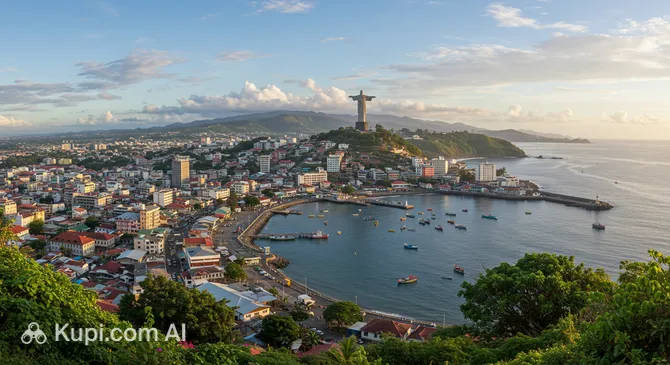
Illustration.
Source: Kupi.com AI

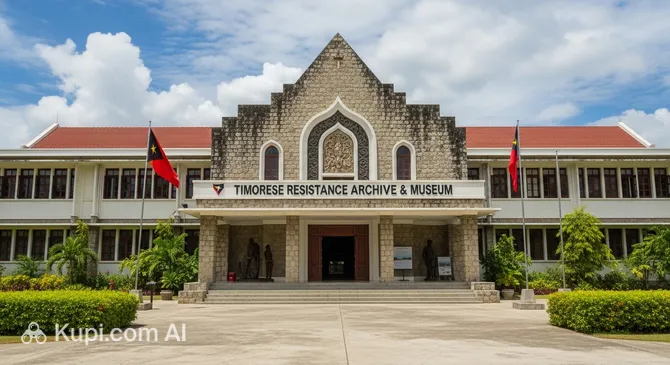
In addition to its historical heritage, East Timor beckons with its pristine natural beauty. Diving and snorkeling enthusiasts will be delighted by the untouched marine ecosystems, especially off the coast of Atauro Island, which is famous for its biodiversity. In Dili, it is worth visiting the Archives and Museum of East Timorese Resistance to gain a deeper understanding of the nation's recent past. The tropical climate, with clearly defined dry and wet seasons, makes the country attractive to adventure seekers and culture lovers year-round.

Currency

The official currency of East Timor is the US Dollar (USD). Although American banknotes are in circulation, the country also issues its own coins — centavos, which are equivalent to US cents (100 centavos equal 1 dollar). These coins feature unique designs, often depicting local flora, fauna, and cultural symbols, making them interesting for collectors.

It is recommended to exchange foreign currency for US dollars at banks or official exchange offices, which are mainly located in the capital, Dili. Automated Teller Machines (ATMs) are also primarily available in Dili, and it is advisable to withdraw the necessary amount of cash there, as their number is limited outside the capital. Credit cards (mostly Visa and Mastercard) are accepted in large hotels, some restaurants, and supermarkets in Dili. However, for most daily expenses, especially in smaller towns and rural areas, it is necessary to carry a sufficient amount of US dollars in cash.

Visa Requirements

When planning a trip to East Timor, it is important to familiarize yourself with the visa rules in advance. Citizens of many countries, including EU countries and the USA, can usually obtain a tourist visa upon arrival at Dili International Airport or at certain land border crossings. However, citizens of some states may be required to obtain a visa in advance through an embassy or consulate of East Timor. Regardless of the method of obtaining the visa, you will need a valid passport (usually with a validity of at least 6 months from the date of entry), return tickets or tickets to a third country, and proof of sufficient financial means for your stay. Sometimes a hotel reservation and medical insurance may be requested.

Visa rules can change, so it is strongly recommended to check the latest information on the official website of the Ministry of Foreign Affairs of East Timor, or at the country's embassy or consulate in your region before your trip. This will help avoid unforeseen complications when crossing the border and make your trip more peaceful and pleasant.

We'll let you know if you need a visa

Enter your destination or
Your nationality
Destination

Timezones

When planning a trip to East Timor, you won't have to worry about time zone changes within the country. The entire territory of East Timor is in one time zone: UTC+9 (Coordinated Universal Time +9 hours). This means the time is the same in all corners of the country, including the capital Dili and other regions.

This uniformity significantly simplifies the planning of travel and activities, as you won't need to change your clocks or consider time differences when moving from one city to another. Simply set your watch upon arrival and enjoy exploring this amazing country.

Getting There

There are several ways to reach East Timor, an exotic island nation; however, air transport is the main and most convenient method for most tourists. The country's main international gateway is Presidente Nicolau Lobato International Airport (formerly known as Comoro Airport), located in the capital, Dili. Direct flights to East Timor operate from a limited number of countries, mainly from Indonesia (e.g., Denpasar in Bali), Australia (Darwin), and Singapore. Travelers from other regions of the world will generally need to make one or two connections at these transit hubs.

There is also the possibility of entering East Timor by land from Indonesia (West Timor). Several border crossings are available, but this method may require more time and planning, including checking current visa requirements and border crossing conditions. Maritime communication with East Timor is limited and mainly represented by cargo ships; there are no regular international passenger ferry lines, although cruise ships occasionally visit the country. Therefore, the sea route is the least common for tourist trips.

Regardless of the chosen method, it is recommended to book tickets in advance, especially if your trip coincides with the peak tourist season or major local holidays. It is also important to clarify the visa requirements for citizens of your country beforehand to avoid unforeseen complications when entering East Timor.

AirportCityIATA
Comoro AirportDiliDIL

East Timor, a young and distinctive country, offers travelers a unique combination of untouched nature, rich history, and authentic culture. The main tourist centers are concentrated both on the coast and in the mountain regions, each attractive in its own way.

Illustration.
Source: Kupi.com AI

The heart of the country is undoubtedly its capital — Dili. This bustling port city serves as the main economic, political, and cultural center. Here you can discover colonial architecture, visit local markets, walk along the waterfront, and learn more about the country's difficult history. The second largest city is Baucau, which attracts visitors with its old Portuguese buildings and a calmer atmosphere compared to the capital. For diving and snorkeling enthusiasts, the real gem is the island of Atauro, known for its coral reefs and rich marine life.

Among other interesting destinations, it is worth noting Lospalos, located in the east of the country and serving as a starting point for exploring the Nino Konis Santana National Park, as well as Pante Macassar, the administrative center of the Oecusse-Ambeno Special Administrative Region, which has its own unique history. Each of these places offers its own perspective on multifaceted East Timor, promising unforgettable impressions.

Top Attractions

East Timor, a country with a rich history and picturesque nature, offers travelers the chance to discover unique places that reflect its culture and path to independence. Among the attractions worth including in your itinerary, several stand out.

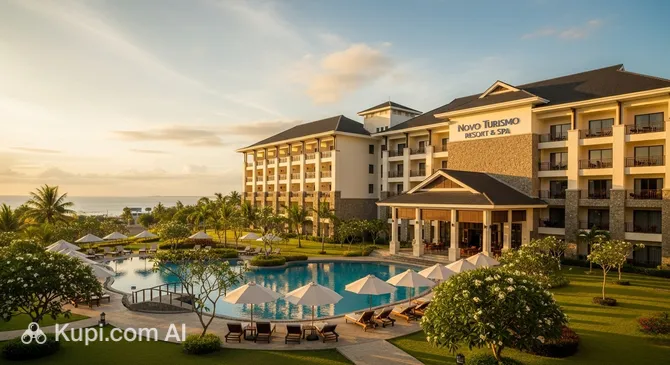
For those who value comfort and wish to relax during their trip, Novo Turismo Resort & Spa is an excellent choice. This resort hotel offers modern amenities, spa treatments, and a high level of service, allowing guests to recharge in a pleasant environment after exploring the country.

Illustration.
Source: Kupi.com AI

Traveller photos:

To dive deeper into history and understand the people's struggle for sovereignty, a visit to the Archives and Museum of East Timorese Resistance is a must. Located in the capital, Dili, this museum houses important documents and exhibits telling the story of the resistance period and East Timor's journey to independence. This place provides an opportunity to better understand the resilience and spirit of the Timorese people.

Illustration.
Source: Kupi.com AI

Traveller photos:

Best Time to Visit

East Timor, with its tropical climate, offers travelers two main seasons, each with its own characteristics. The high season generally falls during the dry period from May to November. During this time, the weather delights with plenty of sunny days, minimal rainfall, and comfortable temperatures, which is ideal for beach holidays, world-class diving, snorkeling, and trekking through picturesque mountain trails. Roads are more passable during this period, making it easier to explore remote corners of the country. Although East Timor is not yet overcrowded with tourists, popular spots may have slightly more visitors during the peak season, and accommodation prices may be a bit higher.

The low season, or rainy season, covers the period from December to April. During this time, nature comes alive with a riot of colors thanks to heavy, though often brief, downpours, especially in the afternoon. Travelers will enjoy lush green landscapes, fewer tourists, and potentially better deals on accommodation. However, high humidity and the possibility that some roads, especially in remote areas, may be washed out should be taken into account. Despite this, there are highlights during this period as well: for example, from September to December (overlapping the end of the dry and the start of the wet season), you can observe whale and dolphin migrations in the Ombai and Wetar Straits. In February and March, the capital Dili and other cities come alive with the colorful Carnival de Timor. Overall, the climate across the country is fairly uniform, although the southern coast may receive more rainfall. Thus, the choice of time to travel to East Timor depends on your priorities: the ideal weather of the dry season or a more secluded trip with the chance to see unique phenomena during the rainy season.

Traditions

The culture of East Timor is rich and original, and showing respect for local traditions will make your trip more pleasant and memorable. Greetings usually involve a light handshake, often accompanied by a sincere smile. While direct eye contact during conversation is perfectly acceptable, try to avoid excessively prolonged staring, which could be perceived as a challenge. Timorese are famous for their hospitality; being invited into a home is considered a great honor. A small token of appreciation for the hosts, such as fruit or sweets, will be warmly received, though it is not a strict requirement, especially with a spontaneous invitation. Learning a few basic phrases in Tetum, one of the official languages, such as "Bondia" (good morning), "Diak ka lae?" (how are you?) or "Obrigadu/Obrigada" (thank you), will undoubtedly elicit a positive reaction and help establish contact.

In public places, and especially when visiting the numerous churches or other religiously significant sites, it is recommended to adhere to a modest dress style — ideally, shoulders and knees should be covered. Beachwear is appropriately worn only at the beach. If you are invited to a meal, wait until the hosts invite you to start eating. It is considered polite to try all the dishes offered. Although cutlery is widespread, if you are eating with your hands (which occurs in more traditional settings), use your right hand. To avoid offending locals, avoid overly loud behavior, intense public displays of affection, and pointing at people or objects with your index finger — it is better to use an open palm gesture or a slight nod of the head for this. It is also always worth asking permission before photographing people, especially the older generation and children.

Among the important dates reflecting the nation's history and spirit are Independence Restoration Day (May 20) and Independence Proclamation Day (November 28). These days are celebrated with a special sense of patriotism and can reveal much about the Timorese desire for freedom. In general, the people of East Timor value politeness, patience (things can sometimes move slowly, which locals smilingly call "Timor time"), and a sincere interest in their culture and country. By showing respect and openness, you will surely feel the warmth and hospitality of these unique people.

Entertainment

East Timor offers travelers a unique experience where outdoor adventures are combined with immersion in an original culture. Active recreation enthusiasts will find excellent conditions for diving and snorkeling here, thanks to untouched coral reefs and a rich underwater world, especially around Atauro Island. Hiking along picturesque mountain trails that offer breathtaking views is also popular. Although the country is only beginning to develop its tourism infrastructure, it is this very pristineness that attracts seekers of authentic experiences.

Cultural entertainment in East Timor focuses on learning about local traditions and history. In the capital, Dili, you can visit the Archives and Museum of East Timorese Resistance to gain a deeper understanding of the country's past. Traditional villages can be found throughout the country, where residents maintain centuries-old customs and crafts. While there are few large theaters or concert halls, cultural life manifests in local festivals, music, and dance, which are an integral part of the Timorese identity.

Nightlife in East Timor is quite quiet and concentrated mainly in Dili and other large cities like Baucau. Here you can find restaurants offering both local and international cuisine, as well as a few bars where you can spend an evening in a relaxed atmosphere. As for shopping, tourists usually bring home items made by local artisans, such as traditional "tais" fabrics, carved wooden figurines, and, of course, the famous Timorese coffee. The main places to buy souvenirs are markets and small shops in the cities.

For family vacations, East Timor primarily offers the opportunity to enjoy nature: beaches, a calm sea, and learning about local culture can be interesting for children as well. There are no specialized theme parks or large entertainment centers yet, but the hospitality of the locals and the beauty of the environment create a pleasant atmosphere for family travel. Boat trips, dolphin watching, and exploring coastal areas can be memorable adventures for the whole family.

Currency rates

Planning a trip? Wonderful! To make sure the financial side of your journey holds no surprises, it's worth remembering that exchange rates are constantly changing. That's why we strongly recommend keeping an eye on current rates both before departure and throughout your trip. To help with that, you can use the data provided below — we monitor exchange rates 24/7 and strive to provide the most up-to-date information.

USD exchange rate for 13/08/2026

3.69 AED
~ 1 USD
367.67 AMD
~ 1 USD
1.42 AUD
~ 1 USD
1.71 AZN
~ 1 USD
2.99 BYN
~ 1 USD
1.40 CAD
~ 1 USD
1 EUR
~ 1.15 USD
1 GBP
~ 1.34 USD
317.64 HUF
~ 1 USD
95.86 INR
~ 1 USD
87.89 KGS
~ 1 USD
1423.55 KRW
~ 1 USD
468.12 KZT
~ 1 USD
3.75 PLN
~ 1 USD
83.16 RUB
~ 1 USD
3.77 SAR
~ 1 USD
1.29 SGD
~ 1 USD
47.99 TRY
~ 1 USD
45.00 UAH
~ 1 USD
11984.22 UZS
~ 1 USD

Reached the bottom of the page?

Looks like you know this route inside out

We use cookies and services to collect user information. This is essential for the functioning of the site and for marketing purposes. You can find out more in .