Support

Lao, People's Dem. Rep.

About

Laos is an amazing country in Southeast Asia, often called the “forgotten gem” of the region. Unlike its bustling neighbors, this landlocked state has preserved an authentic atmosphere of tranquility and deep spirituality. Majestic mountains covered in dense jungles and the mighty Mekong form a unique landscape, perfect for those seeking solitude and connection with nature.

The heart of the country is its capital — the charming Vientiane. This city surprises with its leisurely pace, where French colonial architecture harmoniously coexists with gilded Buddhist temples. A journey through the country is unimaginable without visiting iconic sites such as the ancient Luang Prabang, a UNESCO World Heritage site, and the picturesque Vang Vieng, known for its karst cliffs and caves.
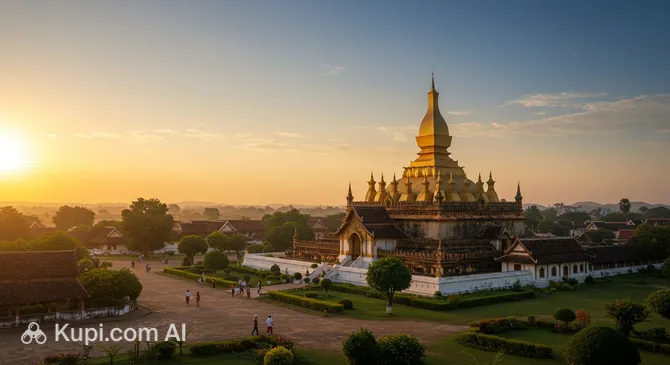
Illustration.
Source: Kupi.com AI

The cultural heritage of Laos is steeped in Buddhist traditions that manifest in everything from the daily ritual of offering alms to monks to the exquisite carvings on monastery walls. Here, time seems to slow down, allowing guests to enjoy the sincere hospitality of the locals and immerse themselves in an atmosphere of absolute serenity.

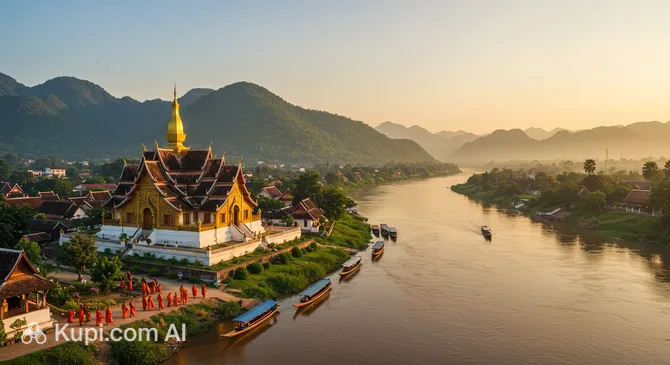
Currency

The national currency of the country is the Lao Kip (LAK). Only banknotes are in circulation; coins are practically not used in Laos. The bills are decorated with images of national heroes, significant architectural monuments, and scenes from the life of the people. It is worth noting that the kip is a non-convertible currency, so it will be extremely difficult to exchange it outside the country; it is better to plan your expenses to spend or exchange the remains before departure.

Exchanging currency (most often US Dollars or Thai Baht) is recommended at official bank branches or specialized exchange offices, which are widely represented in major cities. The use of credit cards is limited: they are accepted in large hotels and expensive restaurants in Vientiane or Luang Prabang, but for everyday purchases at markets and paying for transport, you will definitely need cash. ATMs are available in tourist centers, but a fixed fee is usually charged for each withdrawal.

Visa Requirements

To visit Laos, most foreign tourists require a visa. Fortunately, the process of obtaining it is quite simple and democratic. The most popular method is the Visa on Arrival, which can be issued at the international airports of Vientiane, Luang Prabang, and Pakse, as well as at most land border crossings. In addition, the E-visa system is actively working, allowing you to arrange an entry permit online in advance.

To apply for a visa, you will need a valid passport (validity must be at least 6 months at the time of entry), at least one blank page for stamps, passport-sized photos, and payment of the visa fee in cash. Sometimes you may be asked to show return tickets or proof of accommodation booking. We recommend always checking current requirements on official Laos embassy websites before traveling, as rules may change depending on your citizenship.

We'll let you know if you need a visa

Enter your destination or
Your nationality
Destination

Timezones

The territory of Laos is located in one time zone, which significantly simplifies the planning of trips and domestic travel. Official time corresponds to the international standard GMT+7. The same time is used in neighboring Thailand and Vietnam, which is convenient when crossing borders.

Daylight saving time is not observed in the country, so the time difference with other regions of the world remains unchanged throughout the year. Travelers should take this fact into account when calculating the arrival and departure times of international flights.

Getting There

Getting to Laos is easiest by air. The main air gateway to the country is Wattay International Airport, located in the capital. Luang Prabang International Airport is also popular. There are practically no direct flights from Europe or America, so travelers usually use convenient connections through major regional air hubs such as Bangkok, Hanoi, Kuala Lumpur, or Singapore.

Since Laos shares borders with five states, land transport is a popular way to enter. Regular international bus routes connect Laos with Thailand, Vietnam, and Cambodia. From Thailand, you can get to Vientiane via the famous Friendship Bridge. In addition, rail links are actively developing: a modern railway now connects Laos with China, which has significantly simplified travel between these countries.

For those looking for a more romantic route, it is possible to arrive via the Mekong River. A popular route on "slow boats" from Thailand (via the Huay Xai border point) to Luang Prabang takes two days and allows you to enjoy stunning river landscapes. In any case, it is recommended to book plane and train tickets in advance during the peak tourist season to ensure comfortable travel.

AirportCityIATA
Wattay International AirportVientianeVTE
Luang Prabang International AirportLuang PrabangLPQ
Pakse AirportPaksePKZ
Xieng Khouang AirportPhonsavanXKH
Sam NeuaXam NuaNEU

Laos offers travelers an amazing variety of destinations: from spiritual centers and colonial towns to nature reserves. The most popular place is rightfully considered Luang Prabang — the ancient capital, where majestic temples are found at every turn, and in the mornings, monks perform solemn processions. This city attracts with its atmosphere of peace and exquisite architecture.

Illustration.
Source: Kupi.com AI

For adventure and outdoor enthusiasts, a visit to Vang Vieng is a must. Surrounded by picturesque karst mountains, it has become a Mecca for those who appreciate hiking, cave exploration, and river rafting. The country's capital, Vientiane, is a calm metropolis with wide boulevards and many cozy cafes where French influence can be felt.

In the south of the country, cities such as Pakse, which serves as a starting point for trips to the Bolaven Plateau waterfalls, and historical Savannakhet stand out. Each of these places has its own unique character and allows for a deeper understanding of the culture and traditions of this amazing country.

Top Attractions

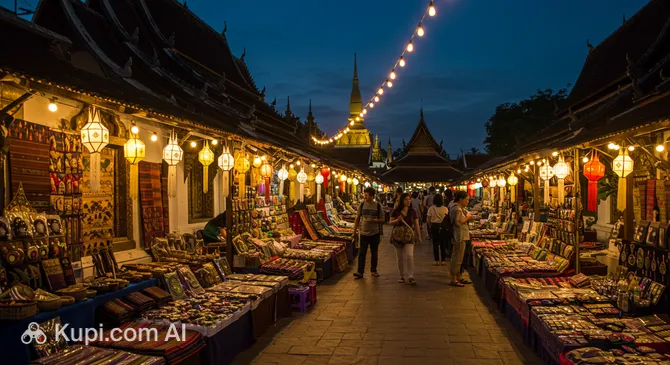
One of the brightest and most lively attractions is the Luang Prabang Night Market. Every evening, the city's main street turns into a colorful sea of tents where local artisans offer unique handmade products: from silk scarves and embroidery to traditional ceramics. This is the best place to feel the local flavor and purchase authentic souvenirs.

Illustration.
Source: Kupi.com AI

Traveller photos:

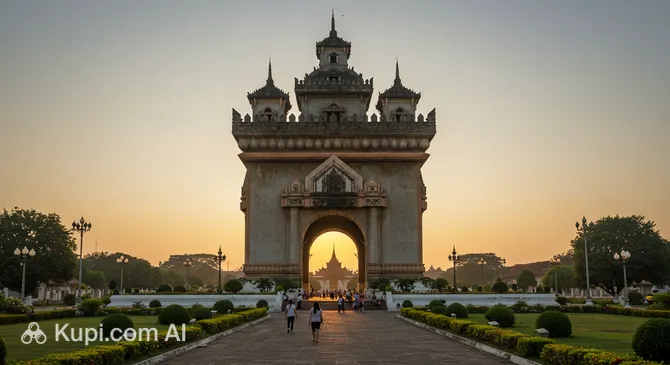
In the capital of the country, it is impossible to miss the majestic monument called Patuxai (Victory Gate). This grandiose structure resembles the Parisian arch but is decorated with traditional Lao ornaments and figures of mythical creatures. Climbing to the observation deck at the top, you can enjoy a panoramic view of Vientiane and its surroundings.

Illustration.
Source: Kupi.com AI

Traveller photos:

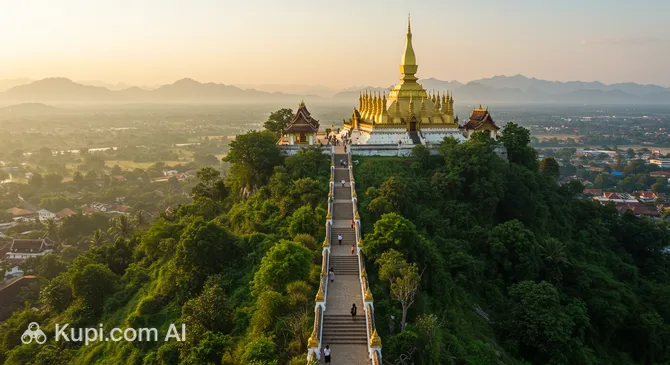
For those who want to see an unforgettable sunset, the ideal place is Mount Phousi in the heart of Luang Prabang. To reach the summit, you need to overcome several hundred steps, but the reward is worth it: a breathtaking view of the city, the golden spires of temples, and the confluence of the Mekong and Nam Khan rivers will open before you. A small gilded temple, Wat Chom Si, is also located at the top.

Illustration.
Source: Kupi.com AI

Traveller photos:

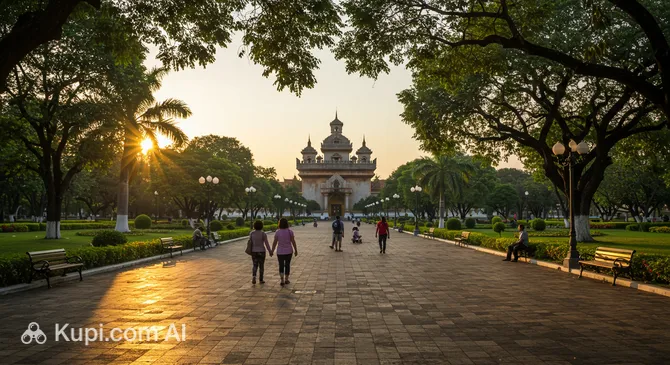
No less impressive is Chao Anouvong Park in Vientiane, located along the Mekong embankment. This is a popular place for walking among both tourists and locals. The park is decorated with a majestic statue of King Anouvong, and in the evening, public dances are often held here and a lively market operates, creating a unique festive atmosphere.

Illustration.
Source: Kupi.com AI

Traveller photos:

Best Time to Visit

Choosing the time for a trip to Laos largely depends on your plans. The high season lasts from November to February. This is when the most comfortable weather sets in: the rains stop, and the exhausting heat is replaced by pleasant warmth. It is an ideal period for Mekong cruises, mountain trekking, and sightseeing in cities like Luang Prabang. The only downside may be the large number of tourists and higher accommodation prices.

From March to May, the hot season arrives, when air temperatures can rise to extreme levels. However, it is in April that Pi Mai (Lao New Year) is celebrated in Laos — a vibrant and fun event accompanied by mass water splashing. This is a unique opportunity to see local traditions in all their glory, but be prepared for high humidity and dust on the roads.

The low season coincides with the monsoon period and lasts from June to October. Despite the frequent rains, this time has its advantages: nature becomes incredibly green, waterfalls are full-flowing, and hotel prices drop significantly. Rains are usually short-lived and occur in the afternoon, so if you don't mind the humidity, this is a great time for a budget-friendly and quiet vacation without the crowds of travelers.

Traditions

The culture of Laos is deeply rooted in Theravada Buddhism, which determines norms of behavior and communication. The traditional greeting is the “nop” — a gesture in which the palms are folded together at chest or face level in a slight bow. The higher the hands are raised, the more respect you show. When communicating with locals, it is important to remain calm and avoid open expressions of anger, as this leads to a “loss of face,” which is highly undesirable in Lao society.

Tourists should pay special attention to the dress code, especially when visiting religious sites. You cannot enter temples (wats) with open shoulders and knees; it is also mandatory to remove your shoes before entering a temple room or a private house. It is considered extremely impolite to touch a person's head (including children), as the head is considered a sacred part of the body, while the feet are the “lowest,” so they should not be used to point at people or cult objects.

One of the most significant holidays is Bun Pi Mai (New Year), which is celebrated in mid-April. This is a time of spiritual cleansing and fun, when Buddha statues are washed with sacred water and people on the streets splash each other, wishing for good luck. Hospitality in Laos is sincere and unobtrusive: if you are invited into a house, a small gift (for example, fruit or sweets) will express your appreciation to the hosts.

Entertainment

Entertainment in Laos is primarily oriented towards lovers of nature and an active lifestyle. One of the most popular destinations is Vang Vieng, which has turned into a center for outdoor activities. Here, tourists are offered kayaking on the Nam Song River, exploring mysterious caves, hot air balloon flights over karst hills, and ziplining. Hiking along the mountain trails of northern Laos allows you to see the life of ethnic minorities and enjoy untouched jungles.

For connoisseurs of cultural leisure, a visit to traditional theater performances and museums is a must. In Luang Prabang, you can see performances by the royal ballet, and in Vientiane, you can visit the National Museum. Evenings are perfect for strolling through night markets, where a special atmosphere reigns: it is not only shopping but also an opportunity to try local street food and get acquainted with the works of folk artisans.

Nightlife in the country is quite quiet and regulated by a "curfew," however, in tourist areas, there are many atmospheric bars and restaurants with live music where you can try the famous Beerlao. As souvenirs from Laos, people most often bring unique handmade textiles, silver jewelry, and high-quality coffee from the Bolaven Plateau, which is considered one of the best in Southeast Asia.

Currency rates

Planning a trip? Wonderful! To make sure the financial side of your journey holds no surprises, it's worth remembering that exchange rates are constantly changing. That's why we strongly recommend keeping an eye on current rates both before departure and throughout your trip. To help with that, you can use the data provided below — we monitor exchange rates 24/7 and strive to provide the most up-to-date information.

Reached the bottom of the page?

Looks like you know this route inside out

We use cookies and services to collect user information. This is essential for the functioning of the site and for marketing purposes. You can find out more in .