Torrelavega Travel Guide (Spain)

About

Torrelavega is the second largest and most significant city in the autonomous community of Cantabria, dynamic and full of life. Located in the north of the country, it is an important industrial and commercial center, yet it retains a certain charm and cozy atmosphere. A trip to Spain is often associated with beach holidays or exploring ancient capitals, and Torrelavega offers an excellent opportunity to see the real, everyday life of the region, located just a few kilometers from the picturesque coast of Suances.
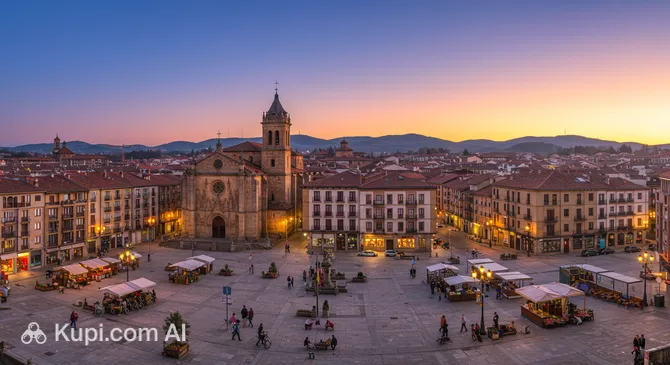
Torrelavega. Illustration.
Source: Kupi.com AI

Geographically, the city is situated in a strategically important location—in a valley where the Saja and Besaya rivers converge. With a population of just over 51,000 people, Torrelavega has a developed urban infrastructure while remaining compact enough for comfortable exploration. The eventful history of Torrelavega has transformed it from a small agricultural settlement into a thriving trade hub, famous for its fairs, particularly the National Livestock Market, which is one of the largest in the country.

Among the attractions worth noting are the Church of Nuestra Señora de la Asunción and the lively Plaza Baldomero Iglesias, which locals often call the "Red Square" because of its surface color. For lovers of quiet strolls, Manuel Barquín Park is ideal—a vast green area in the heart of the city with a variety of tree species and sculptures. It is a wonderful place to relax after getting to know the city's architecture and gastronomy.

Torrelavega is not just a transit point, but a city with its own character and excellent cuisine. Thanks to its convenient location, it serves as an ideal base for exploring all of Cantabria, allowing easy access to both mountain peaks and ocean beaches. Be sure to include this city in your itinerary to feel the rhythm of life in northern Spain.

Weather Overview

The climate of Torrelavega is characterized by its mildness and absence of sharp temperature changes, making the city comfortable to visit almost all year round. Winters here are not harsh: in January and February, the average temperature stays around 8.5°C — 9.5°C, and night minimums rarely drop below +5°C. However, during this period, you should be prepared for high humidity, as the number of rainy days in the winter months reaches 17.

With the arrival of spring, the air gradually warms up, reaching average values of +14.2°C by May. Summer in the region is pleasant and not exhaustingly hot: in July and August, the average temperature is about 19.5°C, while daytime maximums comfortably sit around +22...+23°C. Even in the warmest season, rainfall is possible (about 13 rainy days per month), so a light raincoat won't hurt. Checking the detailed weather in Torrelavega will help you find the current forecast for upcoming dates.

In autumn, the temperature gradually decreases from +18°C in September to +12°C in November. Expect a moderately warm summer with occasional precipitation and cool, humid winters without severe frosts.

Average monthly temperature

Average monthly precipitation

Interesting Facts

In addition to its famous attractions and industrial past, Torrelavega holds many fascinating secrets that reveal the city from a new side. Here are a few facts that will help you better understand the character of this place:
  • Noble roots of the name. The city's name comes from the merging of the words "Torre" (tower) and "Vega" (valley). It is connected to an actual medieval tower built by Leonor de la Vega—mother of the prominent Golden Age poet whom all of Spain is proud of, Garcilaso de la Vega. It was around this fortification that the modern city began to grow.

  • "La Cuadrona" and its scale. The National Livestock Market building (Mercado Nacional de Ganados) is impressive not only for its economic significance but also for its architecture. Locals call it "La Cuadrona" (The Big Stall). Its roof is considered one of the largest in Europe, and there is a city legend that the entire population of Torrelavega could shelter under its vaults in case of an emergency.

  • Floral giants. One of the brightest events in the city calendar is the Gala Floral. It is not just a festival, but a parade of huge mobile platforms, each decorated with thousands of fresh flowers. The holiday has the status of an event of national tourist interest and attracts artisans who create true works of art from petals.

  • Transformation of mines. The townspeople's favorite green area, La Viesca Park, has an industrial past. Zinc mining was previously carried out here, and the territory belonged to the Royal Asturian Mining Company. Today, it is a picturesque nature reserve on the riverbank, where nature has completely reclaimed its rights, hiding the traces of industrial exploitation.

How to Get There

Thanks to its convenient location in the center of the Cantabria region, getting to the city is quite simple, especially when using the transport hubs of neighboring large centers. You can find all the details of routes, schedules, and more about how to get to Torrelavega on our specialized page.

There is no airport in the city of Torrelavega itself, but you can fly to Santander Airport (SDR) in Santander, which is only 20.3 km from Torrelavega. This is the fastest and most convenient way to reach your destination. The journey by taxi or transfer will take you about 50 minutes.

An alternative option with a large number of international flights is Bilbao Airport (BIO). It is located in the city of Bilbao, approximately 92.6 km from Torrelavega. This airport is significantly larger and welcomes many tourists. The journey from there by car will take about 2 hours and 40 minutes.

For clarity, here is a summary of the main airports:

AirportPassenger trafficDistance
Santander Airport1.1 m20 km
Bilbao Airport6.3 m93 km
Vitoria Airport263,869120 km
Leon Airport63,442156 km
Asturias Airport2.0 m162 km

Railway communication in the region is also quite well-developed. In the context of large transport hubs, it should be noted that there is no main long-distance railway station in Torrelavega itself, but you can arrive at the Santander Railway Station in Santander, which is about 22.8 km from Torrelavega. From there, you can reach the city by taxi or bus in approximately 55 minutes.

Another important hub is the Abando Station in Bilbao, located 91.5 km away. This is a major transport center with high passenger traffic, from which you can continue your journey deep into the region.

Below is information about the nearest major railway stations:

StationPassenger trafficDistance
Santander Railway Station3.1 m23 km
Abando Railway Station6.5 m92 km
Bilbao-Abando1592 km
Burgos Railway Station498,301113 km
Vitoria-Gasteiz railway station12126 km

Main Attractions

Torrelavega may seem like a purely business-oriented city, but behind its industrial facade lie many interesting spots. This city in the north of Spain combines a dynamic pace of life with cozy corners that preserve history. A walk through its streets will allow you to see unusual architectural solutions and get acquainted with the local culture, which often escapes the notice of transit tourists.

One of the most prominent attractions is the Church of the Virgen Grande (Iglesia de la Virgen Grande). This monumental building, constructed in the 1960s, is dedicated to the city's patron saint. The temple stands out for its bold modernist appearance and unique engineering solution: inside the vast space under the dome, there are completely no supporting columns. Tourists come here to appreciate the innovation of architect Luis Moya Blanco and feel the grandeur of this modern sanctuary.

A true gem of the center is the Palacio de Demetrio Herrero, which now houses the city hall. The building was erected at the end of the 19th century and is a magnificent example of eclecticism. Its facade with an elegant tower, clock, and balconies constantly draws the eye, and in the evening, thanks to skillful lighting, the palace looks particularly solemn. It is one of the most photographed places in Torrelavega.

To understand the scale of the region's trading traditions, it is worth looking at the Jesús Collado Soto National Livestock Market. Even if you are far from the agricultural theme, the size of this complex is impressive: its giant roof covers an area capable of accommodating thousands of people and animals. This structure is not just a market, but a symbol of the city's economic power and one of Cantabria's most important trade hubs.

For peaceful relaxation, Manuel Barquín Park (Parque de Manuel Barquín)—the city's "green lungs"—is perfect. Located near the center, the park offers the shade of century-old trees and well-kept paths for walking. Here you can rest after sightseeing, admiring the sculptures and enjoying the atmosphere of tranquility away from the city noise.

Local Cuisine

Torrelavega's gastronomic scene is a vivid reflection of the northern culinary traditions that Spain offers its guests. The cuisine here is substantial, hearty, and based on high-quality products, which is not surprising for a city with such a developed agricultural market. The main dish that every traveler must try is cocido montañés. This is a thick, flavorful stew made of white beans, collard greens, and "compango"—a meat set of pork ribs, chorizo, and blood sausage. Unlike other Spanish stews, cocido montañés is eaten as a single dish, without separating the broth and the solids, making it an ideal choice for lunch on a cool day.

However, Torrelavega earned its real fame through desserts, which is why the city is often called the "capital of puff pastry." The most famous sweet souvenir is "polkas"—strips of incredibly airy puff pastry covered with a layer of white icing. Their recipe has been passed down by local pastry chefs from generation to generation. It is also worth trying desserts with almonds, which perfectly complement coffee during an afternoon break.

The food culture here is very social and democratic. In the evenings, locals and tourists flock to the so-called "Wine Zone" (Zona de Vinos)—quarters in the city center filled with bars and taverns. Here it is customary to go from place to place, ordering a glass of wine or cider accompanied by various pinchos snacks. As a digestif after a hearty dinner, you will surely be offered Orujo—a traditional grape brandy of the region, often infused with herbs, honey, or cream.

Travel Tips

Torrelavega is a city with a working-class soul and an incredibly warm atmosphere, where a tourist can feel not just like a guest, but like a good neighbor. To make your acquaintance with this corner of Cantabria as comfortable as possible and without surprises, we have prepared a list of useful recommendations based on the experience of locals.

  1. Clothing and Climate. The weather in the north, where Spain is located, is often unpredictable. Even in summer, it can suddenly rain, so a folding umbrella or a light raincoat is a must-have in your backpack. For walking around the city, choose comfortable flat shoes: the historic center is best explored on foot. The dress style here is democratic and casual, but for visiting active temples, you should avoid overly revealing outfits.

  2. Transport Nuances. Torrelavega is quite compact, and most interesting places in the center can be reached on foot. For trips to remote areas, use the "Torrebús" city bus network—it is a reliable and inexpensive way to get around. If you plan to explore the surrounding areas, renting a car is the best solution, but note that parking in the center is often paid (indicated by blue markings, OLA). Taxis are easy to find at special stands or via an app.

  3. Money and Payments. The currency is the Euro. Most shops, restaurants, and supermarkets accept bank cards without problems. However, in small family bars or at the market, cash may be the only way to pay, so always have small bills and coins. Tipping is not a strict obligation here: locals usually just round up the bill or leave a couple of coins as thanks for good service.

  4. Safety and Health. The city is considered calm and safe for tourists. Nevertheless, in crowded places, especially at the weekly market, keep an eye on your bags and pockets. Pharmacies are easy to recognize by the flashing green cross. If you need medicine at night or on a weekend, look for a list of on-duty points (Farmacia de Guardia) on the door of any pharmacy, which operate 24/7.

  5. Language and Connectivity. The main language of communication is Spanish. In tourist offices and large hotels, you will be understood in English, but in regular cafes and shops, the level of proficiency may be basic. Download an offline translator or learn a few phrases ("Hola"—hello, "Gracias"—thank you)—it will really win over the locals. Wi-Fi is available in many cafes and public areas, but for stable connectivity, it's better to buy a local prepaid SIM card at mobile shops in the center.

  6. Local Etiquette. Residents of Torrelavega are friendly and open. When entering a shop, elevator, or bar, it is customary to greet everyone present ("Buenos días" or "Buenas tardes"). Lunch here starts late, around 14:00–15:00, and dinner—not before 21:00. Attempting to eat at "off" hours may result in finding only bars with cold appetizers open, as restaurant kitchens will be closed for siesta.

  7. What to Avoid. Do not try to compare local traditions with the customs of other regions of the country in conversation with locals—residents of Cantabria are very proud of their identity. Also, do not make noise in the streets late at night: despite the Spanish love for fiesta, peace is valued in residential areas. And most importantly—don't ignore pedestrian crossings: drivers here are used to yielding to people but expect pedestrians to follow the rules.

  8. Tip for Foodies. Be sure to visit the city's pastry shops to buy "polkas" (puff pastry cakes). A local hack: it's best to buy the freshest sweets in the morning before they are sold out. This is not just a dessert, but a gastronomic symbol of the city that will make a great gift for friends or a tasty addition to your breakfast.

Torrelavega is a city that reveals itself to those ready to slow down and immerse themselves in its rhythm. By following these simple tips, you can avoid minor inconveniences and focus on the main thing—enjoying the atmosphere, delicious food, and the hospitality of northern Spain. Enjoy your trip!

Entertainment & Nightlife

Torrelavega's nightlife is a vibrant phenomenon that locals proudly call "La Zona." Unlike resort towns where the fun is seasonal, the energy here boils all year round, especially on weekends. The epicenter of evening entertainment is the area around Plaza Baldomero Iglesias, known to residents as the "Red Square." It is here and on the adjacent pedestrian streets that the famous "Wine Zone" (Zona de Vinos) is concentrated, where it is customary to move from bar to bar, enjoying socializing, drinks, and appetizers.

The atmosphere in Torrelavega's establishments is very democratic and relaxed. There is no strict dress code: a casual style will be appropriate almost everywhere, from cozy taverns to noisy pubs. The crowd is very diverse—from students to elderly couples enjoying an evening "poteo" (the tradition of having a glass in several places) together. The city's musical preferences lean toward rock and indie music, which is historically rooted in the region, although current pop hits can also be heard in modern bars.

If you are looking for somewhere to continue the evening after midnight, pay attention to the streets adjacent to the center. The nightlife here smoothly transitions from gastro-bars to pubs and small clubs operating until early morning. Prices in Torrelavega will be a pleasant surprise: the cost of cocktails and entry to venues is generally lower here than in neighboring Santander or Bilbao.

The daytime cultural program of the city is equally rich. The main point of attraction for art lovers is the Concha Espina Municipal Theater (Teatro Municipal Concha Espina). This is one of the most important stages in the region, regularly hosting theatrical premieres, concerts, and an international theater festival. For those who prefer a quieter leisure, exhibition halls such as the CNFoto center, dedicated to photography, and numerous shops on the main shopping artery—Consolación Street—are open.

In terms of safety, Torrelavega is a very calm city. You can walk through the center at night without worry; the streets are well-lit and populated. If your hotel is far from the "Wine Zone," it is better to take a taxi. Taxi stands (paradas de taxi) are located near the main squares, and you can call a car through local apps or simply by phone. Night buses run less frequently, so a taxi remains the most reliable way to get home in the morning.

Parks & Museums

Despite its reputation as an industrial center, Torrelavega offers its guests a surprising balance between urban dynamics and places for contemplative rest. Here you can find both well-tended gardens with century-old trees and modern art spaces that reveal the creative potential of the region. A walk through the local parks and museums will allow you to see another, more peaceful and inspiring side of this Cantabrian city.

The main oasis in the city center is rightfully considered Manuel Barquín Park (Parque de Manuel Barquín). It is an ideal place for family recreation and leisurely strolls, which locals call the "green lungs" of Torrelavega. The park is famous for its botanical diversity: trees from various latitudes grow here, creating pleasant shade even on the hottest days. Its territory houses an open-air auditorium where concerts and festivals frequently take place, and numerous sculptures add artistic charm to the paths. Tourists will enjoy the cozy atmosphere and the opportunity to observe the steady pace of local life.

For those who prefer wilder nature, the La Viesca nature area, located on the banks of the Besaya River, will be a real discovery. This vast space, which was once a mining zone, has today transformed into a picturesque semi-wild park. There are convenient paths for jogging and cycling, and the landscape delights the eye with green meadows and the river's cool breeze. La Viesca is interesting to tourists as an example of successful environmental restoration; it is a great place for a picnic or a morning run away from the city noise.

The city's cultural life is vividly represented in the National Center for Photography (CNFoto). Torrelavega pays special attention to visual art, and this center is a magnet for photographers and art lovers from across the country. The museum regularly hosts temporary exhibitions of both classic photographers and contemporary artists, as well as educational seminars. Visiting the center allows you to dive into the world of visual imagery and see works of a high international standard, making it a mandatory stop for creative people.

Another important cultural landmark is the Mauro Muriedas Exhibition Room (Sala de Exposiciones Mauro Muriedas). Named after a famous local sculptor, this gallery serves as the main platform for getting to know the work of Cantabrian artists. The exposition here changes constantly, offering guests painting, sculpture, and installations. It is an intimate and atmospheric place where you can better understand the spirit of the region through the prism of local art.

If you have time left, pay attention to the street sculptures scattered throughout the city. Torrelavega is a kind of open-air museum where you can find monumental works, such as the abstract sculpture by Jorge Oteiza. A simple walk through the streets can turn into a fun quest for finding art objects.

Getting Around

Torrelavega's transport system is compact and convenient, matching the city's size. Since about 51,000 people live here, there is no metro, but its functions are successfully performed by a developed network of bus routes and suburban trains. For most tourists, walking remains the primary way to move around the historic center, as the main attractions and shopping streets are concentrated within walking distance of each other.

The backbone of public transport is the urban bus network, known as Torrebús. These bright, modern buses connect the city center with outlying areas, railway stations, and important facilities like the Sierrallana Hospital. The route network is designed to minimize waiting times, and most stops have information displays with real-time arrival info. This is a reliable and budget-friendly way to reach any point in the city if you are tired of walking.

An important feature of the transport infrastructure is the presence of two railway lines passing through the city: the broad gauge (Renfe) and the narrow gauge (formerly Feve, now Renfe Ancho Métrico). The Torrelavega-Centro station is located practically in the heart of the city, making trains a convenient means not only for intercity travel but also for quick movement within the urban area. This is an excellent option if you plan to visit neighboring villages or quickly reach the coast.

Regarding fare payments, several options are available to tourists. For a single bus ride, you can purchase a ticket directly from the driver (billete sencillo). In this case, it is recommended to have small cash (coins or bills up to 5-10 euros, approx. $5.50–$11) on hand, as change from large notes can be an issue. The cost of a single fare is quite affordable, at just over 1 euro (approx. $1.10).

If you plan to use transport actively or travel around the Cantabria region, it is more profitable to purchase a single transport card—the Tarjeta de Transporte de Cantabria. This is a contactless card that works on urban buses (Torrebús), regional bus lines, and suburban trains. The card allows you to save significantly on every trip (the discount can reach 30-40% compared to a single ticket) and allows for free transfers between different modes of transport within a certain time. You can buy and top it up at tobacco kiosks (Tabacos) and at some stations.

As an alternative to public transport, a taxi service operates in Torrelavega. Official cars are painted white and are easy to find at special stands (paradas de taxi) at key points in the city: at stations, on main squares, and near the hospital. Trips are metered, and fares are fixed and depend on the time of day (night and weekend rates are usually higher). Taxi apps also work, but "catching" a car at a stand is often faster.

For those who love an active lifestyle, the city has implemented the TorreBici electric bike rental system. This is an eco-friendly and pleasant way to explore the city, especially given the bike lanes connecting the center with La Viesca Park and other green areas. Rental stations are located at strategic points, and using the system requires registration via a mobile app, which is convenient for tech-savvy travelers.

When planning trips, keep in mind that transport schedules may change on weekends and holidays—the frequency of service decreases. At night, bus service is limited, so for late returns after dinner in the "Wine Zone," it's better to rely on a taxi. Overall, Torrelavega's transport system is intuitive and friendly to city guests.

Accommodation

Accommodation options in Torrelavega reflect the city's character as an important business and transport hub of Cantabria. Here you won't find huge "all-inclusive" beach resorts, but the city offers an excellent choice of functional and comfortable housing. Modern mid-range hotels are available for tourists, ideal for those using the city as a base for travel around the region, as well as cozy family guesthouses (hostales) and a growing sector of private apartments suitable for long-term stays.

The most convenient area to stay is the historic center. Staying near Plaza Baldomero Iglesias ("Red Square") or the pedestrian Consolación Street puts you within walking distance of the best restaurants, shops, and attractions. This is also strategically advantageous in terms of logistics: from here, it is easy to reach the railway stations to head to Santander or the ocean. Life in the center is bustling, but it is worth noting that on weekends, the central streets can be quite noisy due to the nightlife.

Pricing in Torrelavega is generally more democratic than in neighboring tourist Santander or coastal Suances. The main segment is budget and mid-range. Even during the peak season, prices here remain reasonable, making the city an attractive option for budget-conscious travelers. Bookings are primarily made through popular international online platforms, although in smaller guesthouses, you can still arrange directly by phone or email.

Despite the city not being a resort in the classic sense, the demand for housing can be high. Booking advice: if your trip falls during the summer months (July-August) or during major festivals such as the Gala Floral or the festivities for the Virgin in August, you should look for and pay for housing in advance. During the rest of the year, finding a free room a couple of days before arrival usually isn't difficult.

Nearby Cities

For those wishing to explore the surrounding areas, Torrelavega serves as an excellent starting point for day trips to several interesting nearby locations. The city's convenient location at the intersection of transport routes allows for quick access to both the ocean coast and the major cultural centers of the neighboring Basque Country.

First and foremost, Santander—the capital of Cantabria, located just a 20-minute drive away—is well worth a visit. This elegant resort city offers the famous El Sardinero beach, the Magdalena Royal Palace, and views of one of the world's most beautiful bays. Santander is perfect for a relaxed day by the sea combined with a cultural program.

For immersion into a completely different atmosphere, head to Bilbao. This dynamic metropolis attracts tourists from all over the world thanks to the Guggenheim Museum—a masterpiece of modern architecture. Besides art, Bilbao is famous for its Casco Viejo historic quarter and magnificent gastronomy, especially the famous "pinchos" snacks.

Another interesting spot on the map is Portugalete. The city is famous for its Vizcaya Bridge (Puente Colgante)—a unique transporter bridge that is included in the UNESCO World Heritage list. This engineering marvel of the late 19th century is still operational and leaves an unforgettable impression.

CityPopulationDistance
Suances9,1159 km
Los Corrales de Buelna10,74210 km
Santa Cruz de Bezana13,48216 km
Santa Maria de Cayon9,20517 km
El Astillero18,15319 km

These nearby destinations provide a good sense of the diverse culture and landscapes of the region.

Shopping & Souvenirs

Torrelavega has historically developed as a commercial crossroads, and this status as a commercial center of Cantabria is still felt today. Shopping in the city is characterized by practicality and the absence of the tourist markup common in coastal resorts. Here you can find an excellent balance between famous Spanish mass-market brands and small family-run shops that have operated in the same spot for decades. For travelers, this is a wonderful opportunity to purchase high-quality items and authentic local products at fair prices.

The heart of the city's trade is the pedestrian streets of the historic center. The main artery is considered Consolación Street (Calle de la Consolación) and the adjacent Serafín Escalante Street. A walk here will be a pleasure even for those not planning large purchases: the windows of fashion boutiques neighbor pastry shops and bookstores. It is a lively place where shopping is easily combined with architectural sightseeing and a cup of coffee on one of the terraces.

For those who prefer an "all-in-one" format, the large Centro Comercial Los Ochos shopping complex is located on the outskirts of the city. This is a classic mall with a hypermarket, electronics stores, sporting goods, and clothing, as well as a cinema. It is convenient to reach by car or bus if you need to stock up on groceries or find products from international chains that might be absent from the center.

The city markets, reflecting the agricultural power of the region, deserve special attention. The weekly street market (Mercadillo), which unfolds on Thursdays at the National Livestock Market site, is one of the largest in Spain. An indescribable atmosphere reigns here: hundreds of vendors offer everything from clothing and footwear to the freshest farm produce, flowers, and handmade crafts. It is also worth stopping by the indoor food market (Plaza de Abastos) to appreciate the wealth of local cheeses, fish, and meat delicacies.

As souvenirs from Torrelavega, tourists most often take home gastronomic treasures. The city's main "sweet" symbol is "polkas", airy puff pastry cakes with icing, which are sold in beautiful boxes and travel well. Local cheeses (especially Queso de Cantabria) and bottles of "Orujo"—a traditional herbal liqueur—are also popular. Fans of practical gifts should look at leather products, for which the north of the country is famous.

When planning a shopping trip, it is important to remember the traditional schedule. Most small shops in the center close for siesta: they work roughly from 10:00 to 13:30 and open again from 17:00 to 20:00. Large shopping centers and supermarkets usually work without a break from morning to evening (until 21:00 or 22:00). Sunday is generally a day off for all shops, except for some souvenir stores and on-duty pharmacies.

Paying for purchases will not cause difficulties: bank cards are accepted almost everywhere, including many market stalls. However, having a little cash for small expenses in cafes or old shops will be useful. The Tax Free system is available for tourists permanently residing outside the European Union. If you make large purchases in stores marked with a special sign, don't forget to ask for the DIVA form for a tax refund upon leaving the country.

Nearest cities

Reached the bottom of the page?

Looks like you know this route inside out

We use cookies and services to collect user information. This is essential for the functioning of the site and for marketing purposes. You can find out more in .