Where the heck? To Dublin: what to do in the capital of Ireland
They say Dublin is a city of red-haired alcoholics whose numbers are constantly growing. Let's figure out where these stereotypes come from. At the same time, we'll find out what else to do in the capital of leprechauns, besides sitting in a bar waiting for a green fairy.
Travelers love Dublin for its ancient architecture, friendly atmosphere, and the fact that all the most interesting sights can be seen in one vacation. But that doesn't mean there's no reason to return.
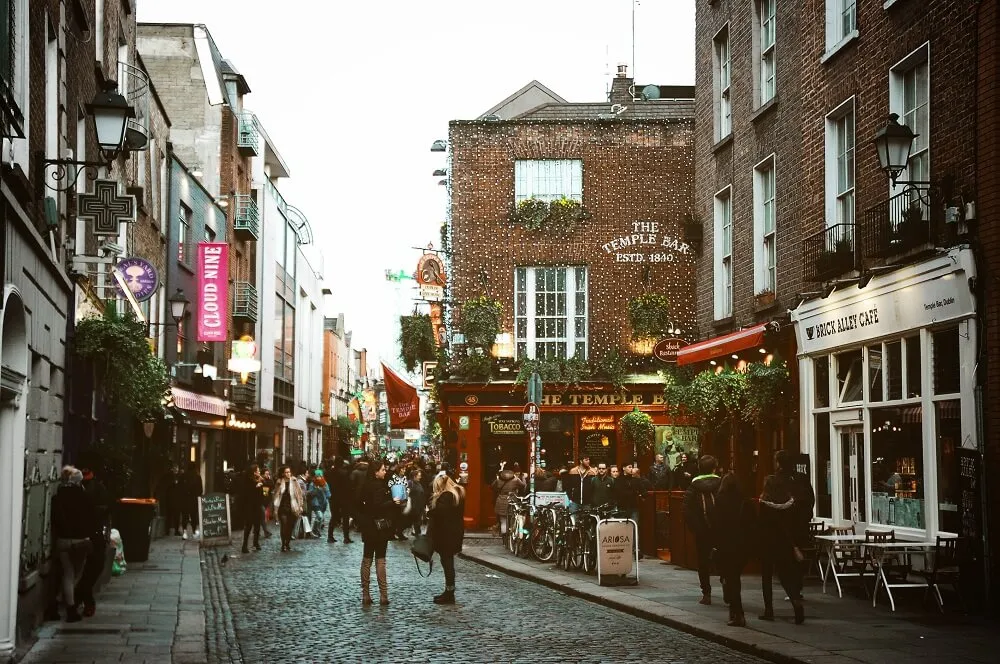 It's not boring in either the northern or southern parts of Dublin. The River Liffey divides the city almost in half. And on both sides of the river are the famous O'Connell Street and the streets around the Temple Bar area. There's a high concentration of bars, restaurants, and shops, with musicians and street performers. And it's completely safe there; you can party at any time of day. By the way, as soon as you enter a bar, order a beer. It's considered good etiquette. And if you talk to a local about the weather, consider yourself already loved.
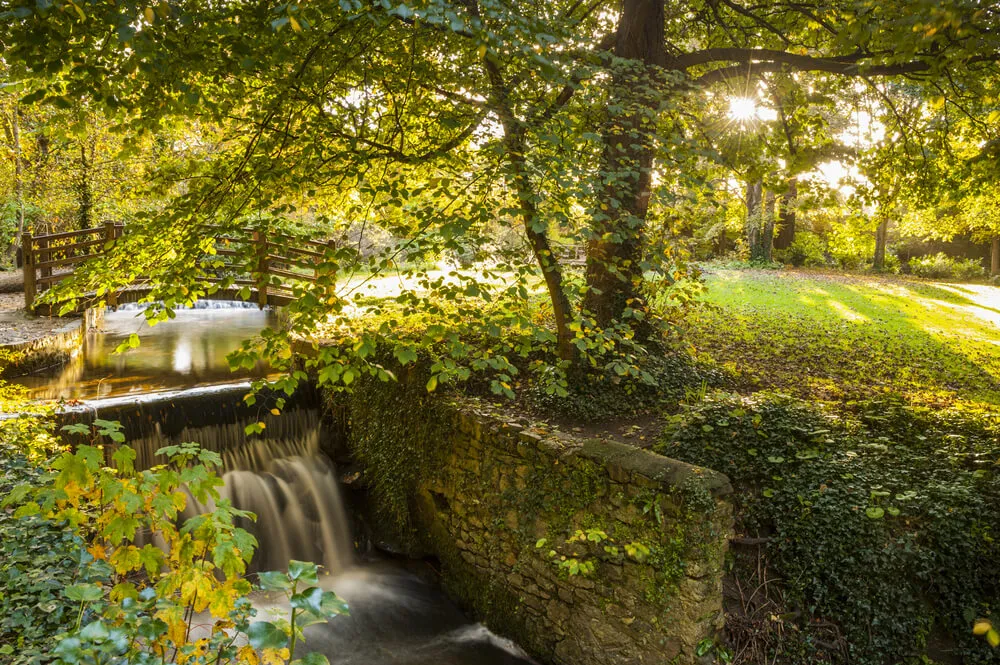
Another half-day will definitely be spent at the National Botanic Gardens. Keep your camera ready there: flower arrangements, practically tame squirrels, small ponds, a rock garden, and the Palm House. The Botanic Gardens are called the Green Heart of Dublin.
It's not boring in either the northern or southern parts of Dublin. The River Liffey divides the city almost in half. And on both sides of the river are the famous O'Connell Street and the streets around the Temple Bar area. There's a high concentration of bars, restaurants, and shops, with musicians and street performers. And it's completely safe there; you can party at any time of day. By the way, as soon as you enter a bar, order a beer. It's considered good etiquette. And if you talk to a local about the weather, consider yourself already loved.
Another half-day will definitely be spent at the National Botanic Gardens. Keep your camera ready there: flower arrangements, practically tame squirrels, small ponds, a rock garden, and the Palm House. The Botanic Gardens are called the Green Heart of Dublin.
 There's also a museum for fans of legends about little hat-wearing people. The National Leprechaun Museum opened in 2010 and immediately became a favorite among tourists and locals.
It's assumed that you won't just learn about leprechauns, but become one of them. And it's not difficult, as you'll be surrounded by giant furniture, and at the end, you'll go into a forest where you'll descend into a well in search of treasure. And, of course, you'll ride a rainbow with a pot of gold!
Do you think these are activities for children? Not at all! But if you want something more thrilling, sign up for the 'Ghostbus' tour. They'll show you houses inhabited by ghosts and tell a grim story about Dublin's Dracula. At the end of the tour, you'll be taken to a tavern where a small performance with characters from Dublin legends will be shown.
There's also a museum for fans of legends about little hat-wearing people. The National Leprechaun Museum opened in 2010 and immediately became a favorite among tourists and locals.
It's assumed that you won't just learn about leprechauns, but become one of them. And it's not difficult, as you'll be surrounded by giant furniture, and at the end, you'll go into a forest where you'll descend into a well in search of treasure. And, of course, you'll ride a rainbow with a pot of gold!
Do you think these are activities for children? Not at all! But if you want something more thrilling, sign up for the 'Ghostbus' tour. They'll show you houses inhabited by ghosts and tell a grim story about Dublin's Dracula. At the end of the tour, you'll be taken to a tavern where a small performance with characters from Dublin legends will be shown.

Everything at hand
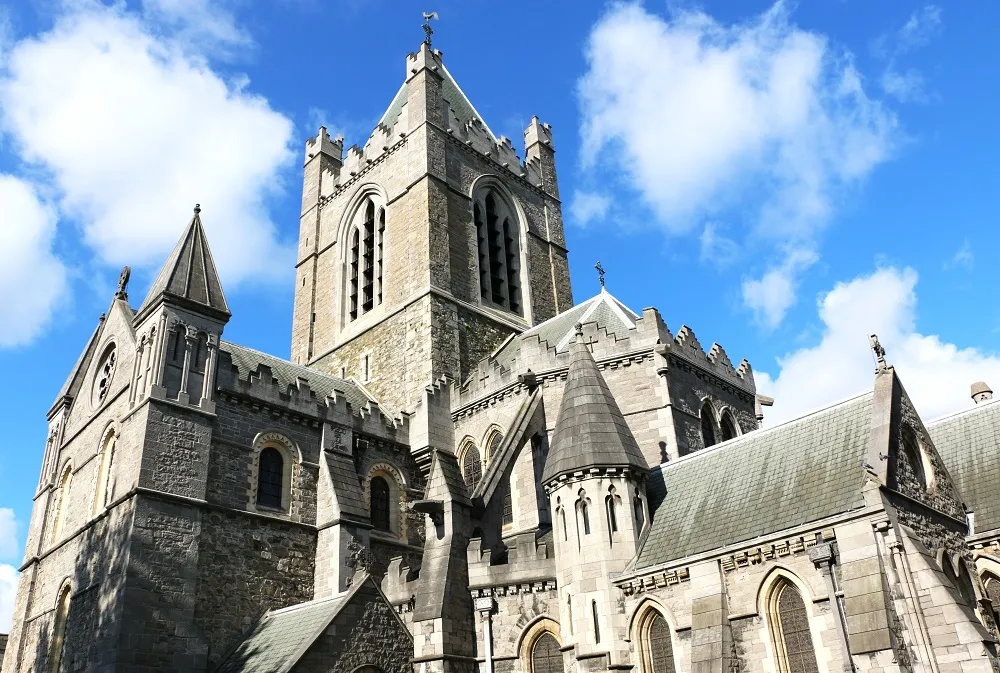
The main attractions are located within or near the city: Dublin Zoo, Guinness Storehouse, St. Patrick's Cathedral, Kilmainham Gaol, Hugh Lane Municipal Gallery of Modern Art (admission is free there). The National Aquatic Centre, Irish Museum of Modern Art are also nearby. At the beer museum, you can taste drinks, so one way or another, the tour will be interesting.
It's not boring in either the northern or southern parts of Dublin. The River Liffey divides the city almost in half. And on both sides of the river are the famous O'Connell Street and the streets around the Temple Bar area. There's a high concentration of bars, restaurants, and shops, with musicians and street performers. And it's completely safe there; you can party at any time of day. By the way, as soon as you enter a bar, order a beer. It's considered good etiquette. And if you talk to a local about the weather, consider yourself already loved.
Another half-day will definitely be spent at the National Botanic Gardens. Keep your camera ready there: flower arrangements, practically tame squirrels, small ponds, a rock garden, and the Palm House. The Botanic Gardens are called the Green Heart of Dublin.
For lovers of fairy tales and magic
To immerse yourself in the country's history, visit the Dublinia Museum. Here you'll dive into the Viking era, even try on 12th-15th century outfits, and embark on a sea voyage. These are all interactive things, of course, but very interesting. A medieval fair complements the experience. This museum also has a unique feature – you can touch, try on, and even smell the exhibits. But if you don't like the smell of the first Vikings, the museum management cannot guarantee against emotional trauma. The museum has three exhibitions: about the Viking times with examples of their dwellings, the times of old Dublin from the 12th-15th centuries with the sounds of the streets of those times, and an introduction to the city from an archaeological perspective.
There's also a museum for fans of legends about little hat-wearing people. The National Leprechaun Museum opened in 2010 and immediately became a favorite among tourists and locals.
It's assumed that you won't just learn about leprechauns, but become one of them. And it's not difficult, as you'll be surrounded by giant furniture, and at the end, you'll go into a forest where you'll descend into a well in search of treasure. And, of course, you'll ride a rainbow with a pot of gold!
Do you think these are activities for children? Not at all! But if you want something more thrilling, sign up for the 'Ghostbus' tour. They'll show you houses inhabited by ghosts and tell a grim story about Dublin's Dracula. At the end of the tour, you'll be taken to a tavern where a small performance with characters from Dublin legends will be shown.
Don't forget the cliffs
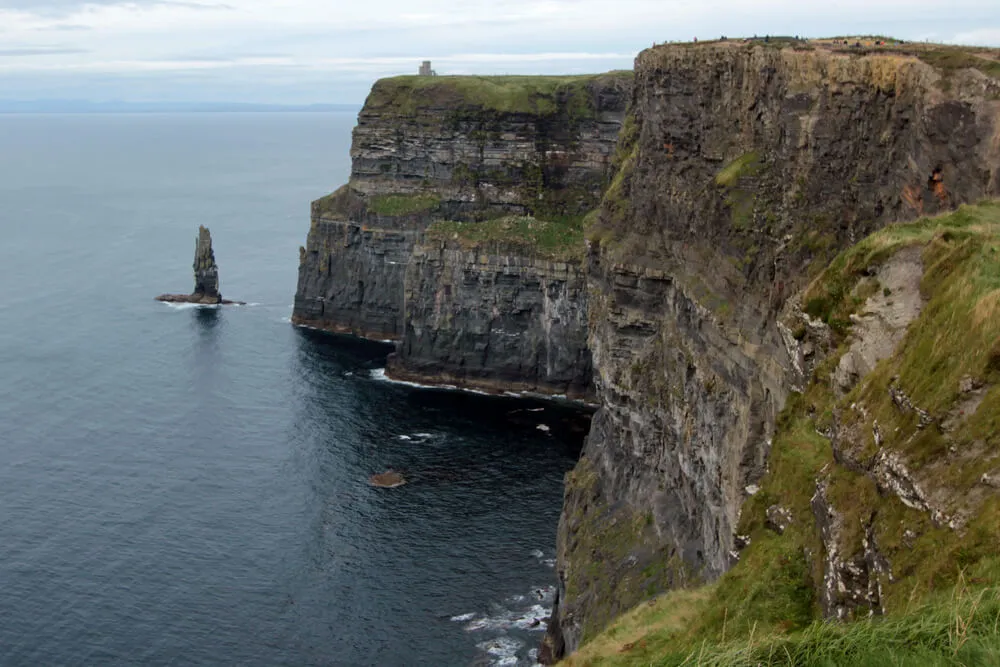
Leprechauns are one thing, but on Irish lands, there are amazing views of the Atlantic Ocean from the Cliffs of Moher. Getting there takes about four hours one way. We recommend taking a tour, as they give you plenty of free time, and there won't be any travel issues. And who knows, you might even be lucky enough to catch a sunset from the cliff. Mmm!
When to go
It's cliché, but summer here is the most comfortable. Judge for yourself: no scorching heat — temperatures around 20 degrees Celsius, a fairly dry climate — rain is rare. Perfect for walking around! And at night, it's comfortable to hang out in a sweater on the city's liveliest bar street with an Aperol in hand.Museum and transport costs
Admission to many city museums is free, so there's no need to deny yourself the pleasure of visiting significant attractions. Especially the library at Trinity College with its high arches and endless bookshelves. But to save money at other places, get a Dublin Pass. It offers discounts at cafes, restaurants, museums, and on public transport.