Hidden Travel Costs
 Yasya
YasyaA vacation always starts with planning. Where to go, where to stay, what to see. And how much money will be needed for all of this, starting from the necessity to buy tickets to Istanbul on Kupi.com or find budget tickets to Yerevan, ending with unforeseen expenses. However, the devil is in the details: a budget calculated down to the last ruble starts to 'melt away' as soon as you leave the plane. Many travel expenses are not obvious. They are disguised as convenience, haste, or simply a lack of knowledge of local rules. Let's figure out where your wallet is getting thinner without you noticing and how to avoid it.
Transfer to the city
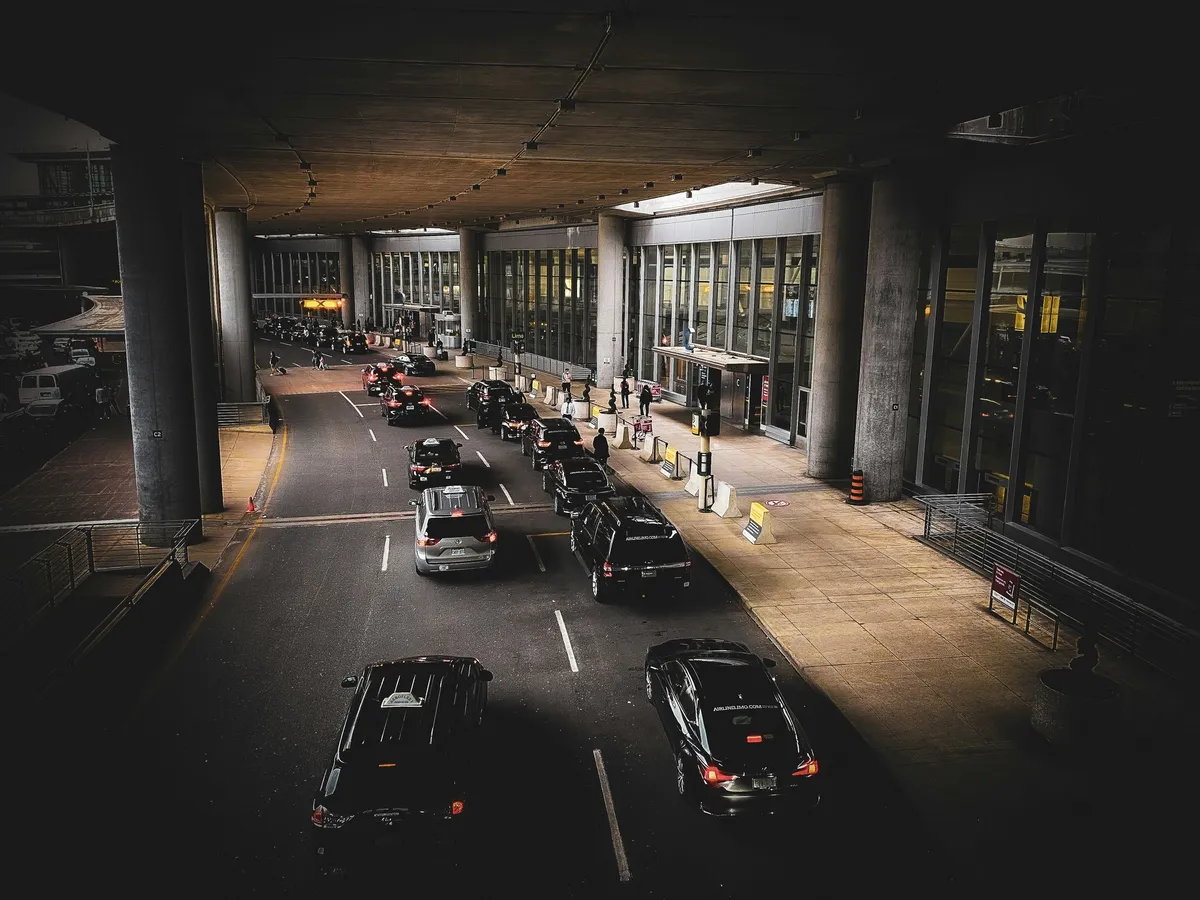
So, you've exited the airport. Tired after the flight, all you want right now is to get to your hotel as quickly as possible. Here you can immediately make a big mistake – spontaneously taking a taxi at the terminal exit. In all airports worldwide, there are 'hawkers' whose fares will be three to four times higher than the official ones.
Instead, study the transport map in advance. Many megacities have high-speed trains or comfortable express buses that will take you to the city center for a symbolic fee. Go to the information desk right at the airport and ask an employee how to get to the city without a private car. If a taxi is unavoidable, use only official stands or mobile apps (Uber, Bolt, Yandex, and local services).
Currency Tricks
Since Russian cards (Visa, Mastercard, MIR) currently hardly work abroad, the issue of cash and alternative payment methods has become more acute. But even with 'live' money in your pocket, you can lose a significant part of your budget for no good reason.
The main mistake is to exchange currency at airports or at exchange offices near major tourist attractions. The exchange rate difference can reach 10-15%. Another catch is fees for 'free' exchange, which are hidden in fine print on stands. If you are using a foreign bank card, beware of the DCC (Dynamic Currency Conversion) service: when the terminal offers to charge an amount not in local currency, it applies an exorbitant exchange rate.
Carry dollars or euros with you (preferably new, unmarked banknotes) and exchange them at official city banks or trusted exchange offices in residential areas. If you have a foreign bank card, always choose to pay in local currency (lira, drams, euros) at the terminal so that the conversion uses your payment system's rate.
Paid Check-in and Baggage Allowance
Low-cost carriers have made travel accessible, but they are also the first to penalize for inattention. The policy of ultra-low-cost airlines is based on the fact that any additional service at the airport costs many times more than online. Thus, a forgotten online check-in can cost 30-50 euros per passenger right at the counter. An extra couple of centimeters in hand luggage dimensions will force you to pay for a full-sized suitcase at the highest rate before boarding.
So, read the fare rules carefully. Measure your backpacks and bags at home, use the sizers at the airport before approaching the counter, and check in for your flight immediately after the check-in window opens in the app.
Taxes
You booked a hotel at a great price, but upon checkout, the administrator asks for an additional payment. This is not a scam, but a 'city tax' or 'resort fee' (City Tax). In Europe and some Asian countries, this fee ranges from 1 to 7 euros per person per night. For a family of three over a week, it can turn into a significant amount that you didn't anticipate.
Read the booking conditions on aggregator websites. It's usually stated in fine print: 'Taxes and fees are not included and are payable at the accommodation.' Factor these expenses into your budget in advance.
Digital Roaming
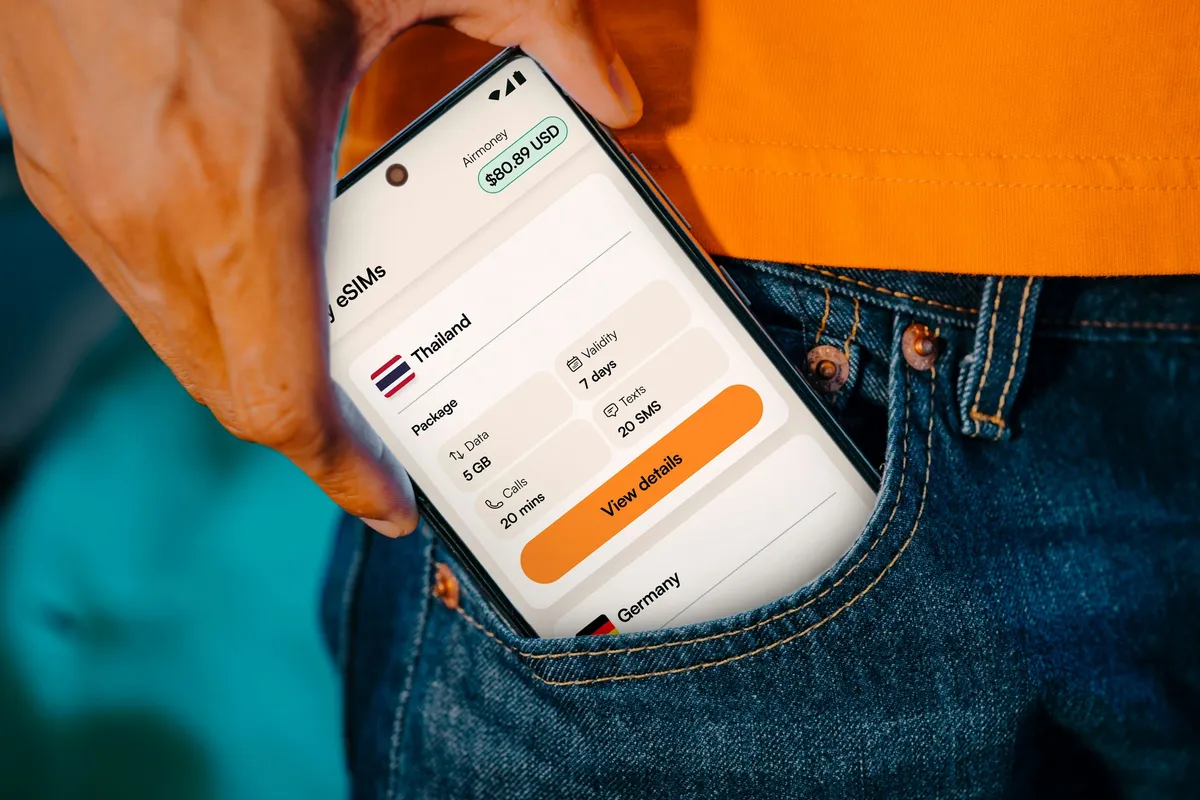
A modern traveler cannot do without maps and messengers, but mobile internet abroad remains one of the largest expense items. Even if you don't open a browser, your phone lives its own life: background app updates, automatic photo uploads to the cloud, and 'heavy' messages in messengers can zero out your balance in a matter of minutes.
Disable automatic updates and data transfer for secondary programs. The optimal option is to purchase an eSIM (if your phone supports it) or a physical SIM card at the airport. This will pay off the very next day, and it will also allow you to use the internet as usual.
'Free' Excursions
There are several options here. When traveling with a tour operator, you will likely be offered a 'sightseeing' city tour, which in reality will turn into a visit to 'friendly' shops where you might just fancy a souvenir. It will later turn out that prices at such places are inflated, and a similar item elsewhere would have cost much less.
The solution is simple – don't go on such 'free' excursions. Or keep yourself in check and don't give in to the urge to buy souvenirs on the very first day of your vacation.
A second option is guided walks in the Free Walking Tours format. On the surface, it looks like a great way to get to know the city. But the name shouldn't be misleading: these tours operate on a voluntary donation system. Social pressure compels people to leave tips of 10-20 euros per person. If you're traveling with a large group, the total amount might exceed the cost of a professional individual guide.
Therefore, assess your group's composition in advance. Sometimes it's more cost-effective and informative to book a private tour where the price is fixed and does not depend on the number of participants.
Travel is a time for relaxation and new discoveries, not for constant stress over every penny. However, understanding how hidden expenses work will allow you to manage your budget more consciously.