Best Areas in Bali for Choosing a Hotel
 Yasya
YasyaIt's time to plan your winter escape to Bali! If you're a lucky remote worker, have a vacation at the end of December that can be combined with January holidays, or simply want to go to the sea in winter, we suggest you look at Indonesia. Bali is not a small island, so it's important to choose the right area for finding a hotel, villa, or guesthouse.
Kuta (Kuta)
The first area you'll encounter when flying to Denpasar. The most vibrant and popular, geared towards youth and budget travelers. It's only a 10-15 minute drive from Ngurah Rai International Airport, making this area convenient for a first visit to the island.
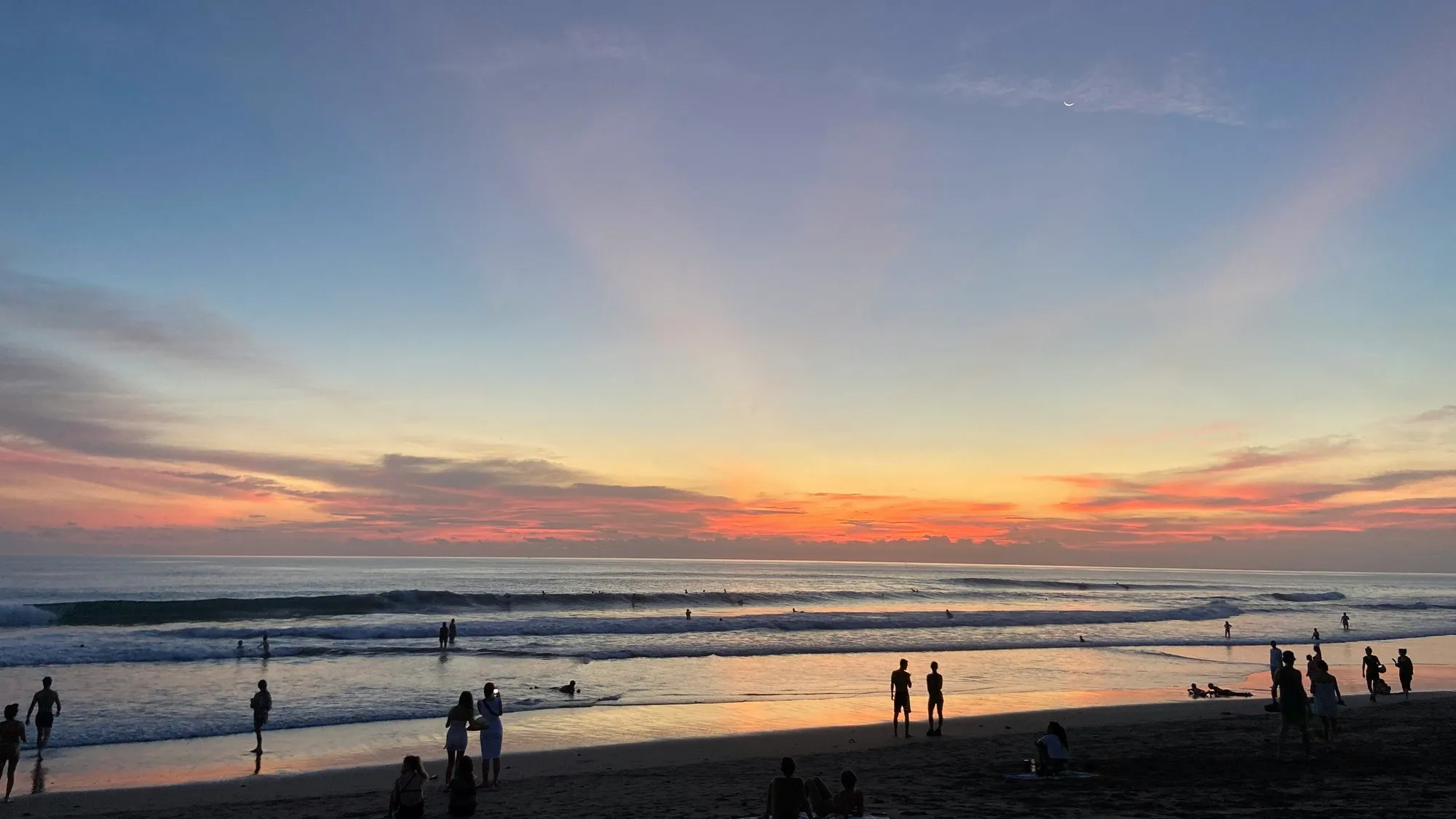
Kuta should be chosen if you plan to actively learn surfing: there are beaches and schools for this. And where there are big waves, it's better not to swim with children. It's better to go to a water park with them, especially since there's one right in the area – Waterboom, the largest in Southeast Asia.
Hotels in Kuta cater to every taste and budget. The minimum price for a double room starts from 750-800 rubles, which, you'll agree, is more than affordable. It's suitable for those who only plan to sleep in the hotel and want to party in Kuta the rest of the time.
Pros:
- Wide selection of hostels, guesthouses, and inexpensive hotels.
- Excellent surfing beach, suitable for beginners.
- Many bars, clubs, and restaurants.
- Proximity to the airport and other areas of Bali.
Cons:
- Huge number of tourists.
- Active nightlife can interfere with a peaceful rest.
- The beach is not the cleanest, with a lot of trash and persistent vendors.
Seminyak (Seminyak)
A stylish and modern area located north of Kuta and Legian. Although such proximity could have had a different effect, Seminyak managed to acquire a certain sophistication compared to its neighbors. However, noise from establishments and mopeds is also present here.
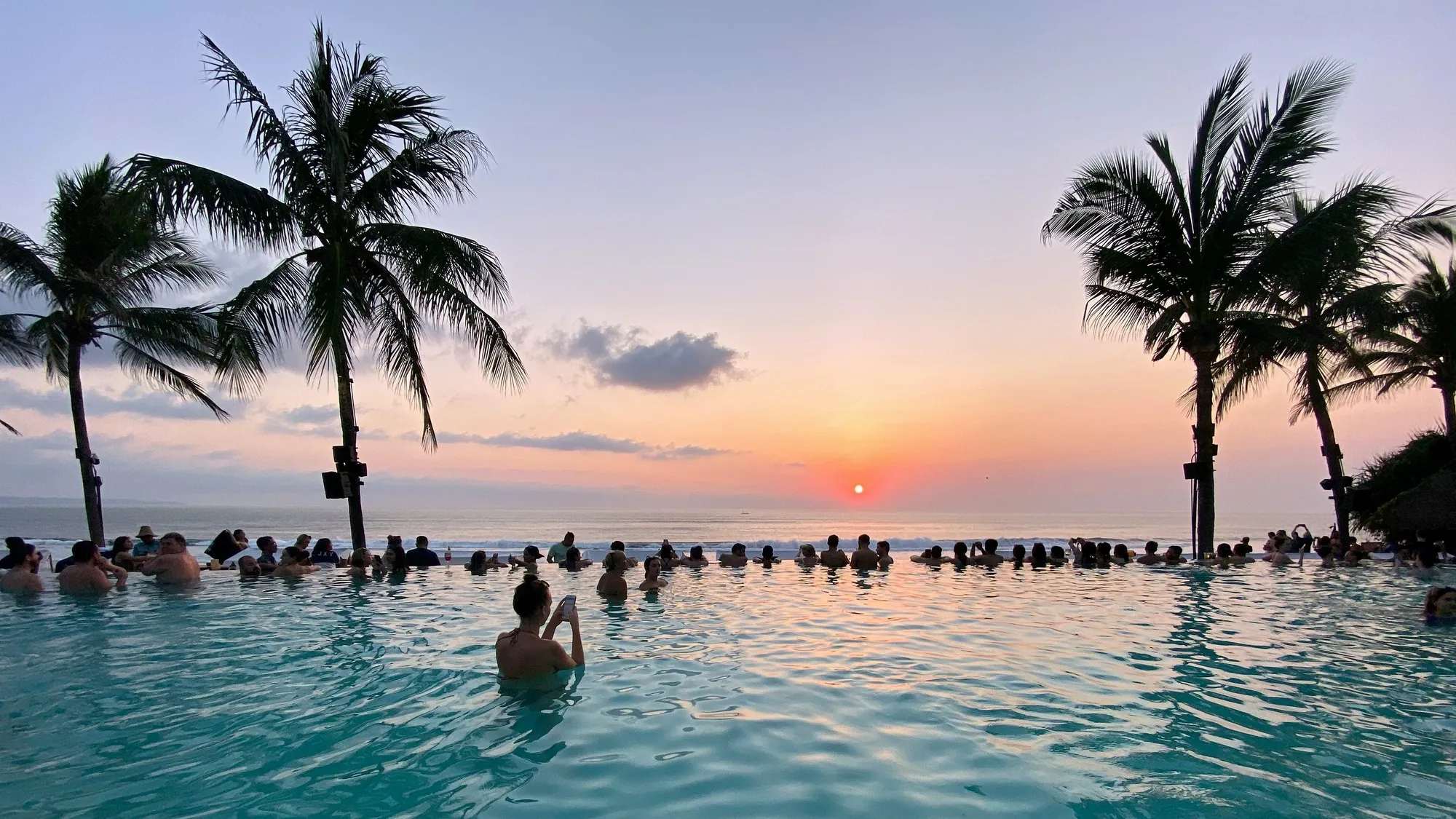
The waves here are a bit stronger than in Kuta, making Seminyak popular among more experienced surfers. Swimming might be an issue, so it's better to visit beach clubs where you can relax on a sun lounger, have a cocktail, and swim in the pool. Additionally, Seminyak is a shopper's paradise. Here you'll find many boutiques with designer clothes, shoes, accessories, jewelry, and home decor items. For this, add Jalan Laksmana (also known as Oberoi Street) to your notes and favorites on the map.
Hotels here are already more expensive than in Kuta. The minimum price per night will double – from 1,300 rubles for two people.
Pros:
- Wide selection of hotels – from budget options to luxurious villas.
- The beach is cleaner and calmer than in Kuta.
- Many excellent restaurants and bars.
- Boutiques, clothing, and accessory stores.
Cons:
- Prices are higher than in Kuta.
- Traffic jams.
Canggu (Canggu)
A coastal area located north of Seminyak and south of Tanah Lot. In recent years, Canggu has become one of the most popular places in Bali, especially among surfers, expats, young couples, and those seeking a more hipster, bohemian atmosphere than in Kuta and Seminyak.
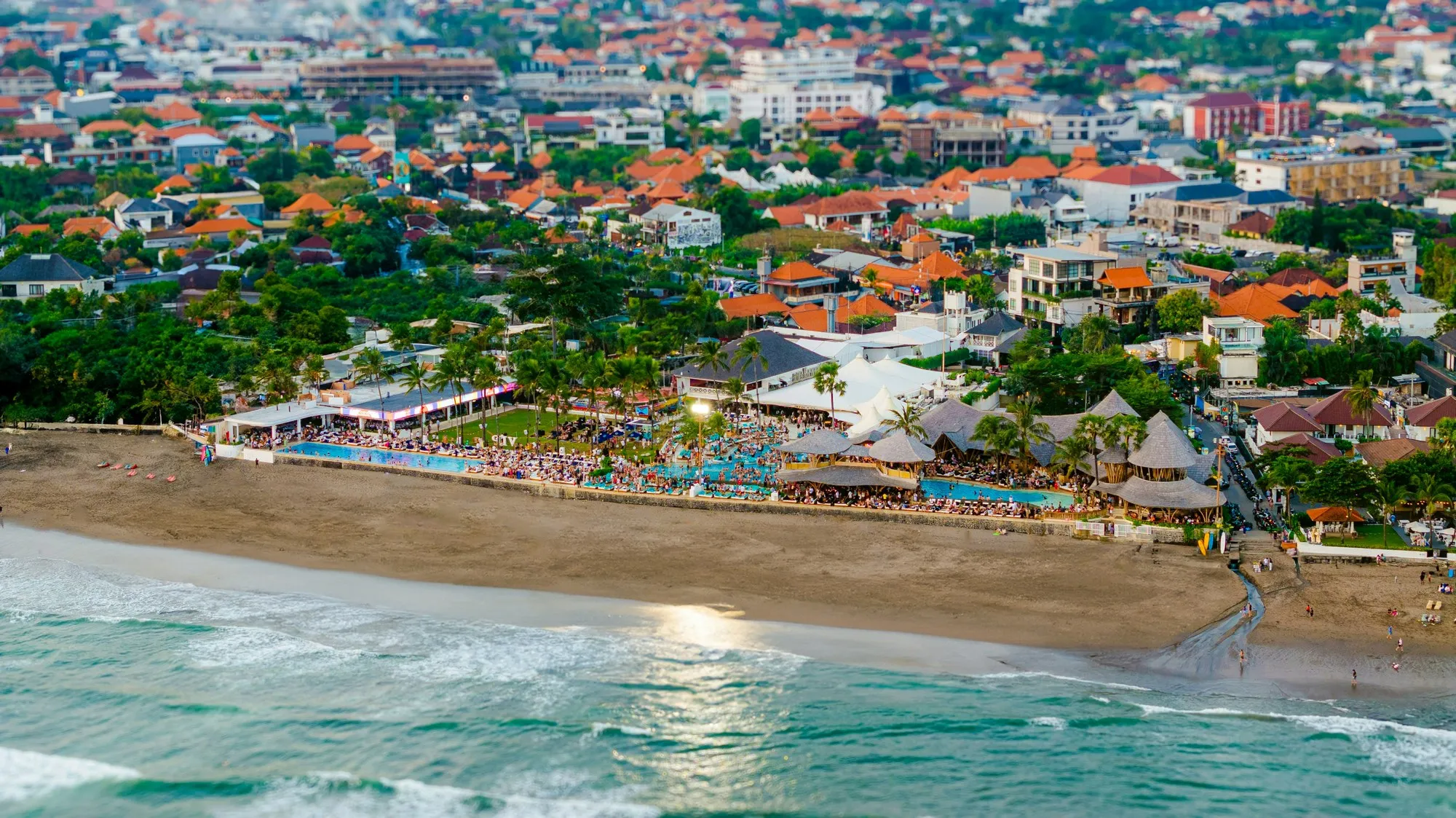
The main reason to choose Canggu is, again, surfing. Echo Beach, Batu Bolong, and Berawa beaches offer waves for surfers of all levels. Canggu also has several trendy beach clubs, such as The Lawn, La Brisa, and Finns Beach Club, but they are generally less glamorous and more relaxed than those in Seminyak.
Canggu is dotted with skate clubs and live music venues, framed by rice fields and street art. Residents also have a special love for health and fitness: everywhere you'll find yoga studios, CrossFit, and other sports. Accommodation prices here are even higher: the cheapest option near the coast we found started from 1,800 rubles per night for two.
Pros:
- Suitable for surfers of all levels.
- Many cafes with organic products and vegan dishes.
- Many co-working spaces, yoga studios, creative hubs.
- Picturesque rice fields are located nearby.
Cons:
- Infrastructure is still developing, so not all roads are paved.
- Traffic jams.
- Beaches with black sand, which not everyone likes.
Ubud (Ubud)
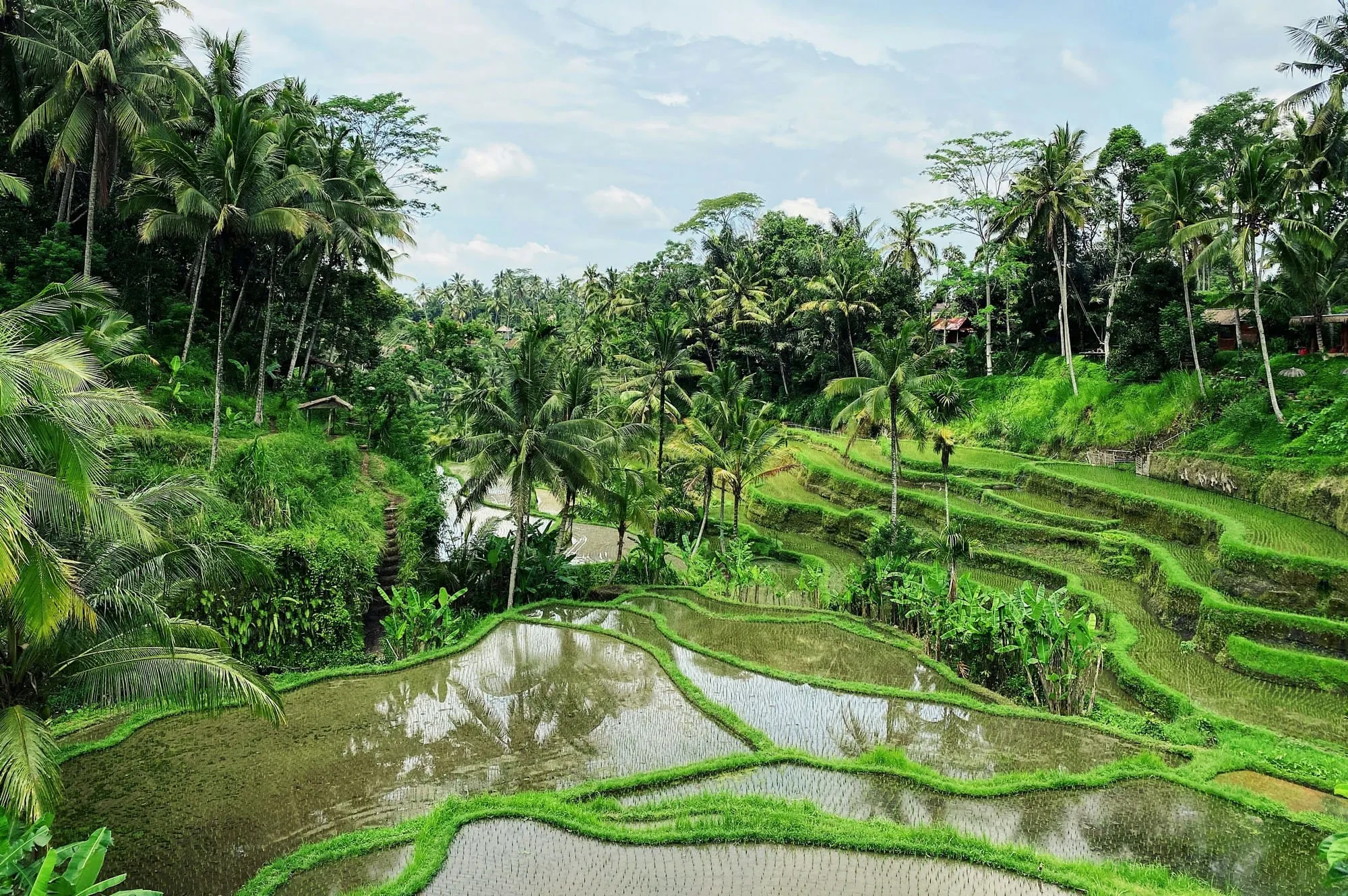
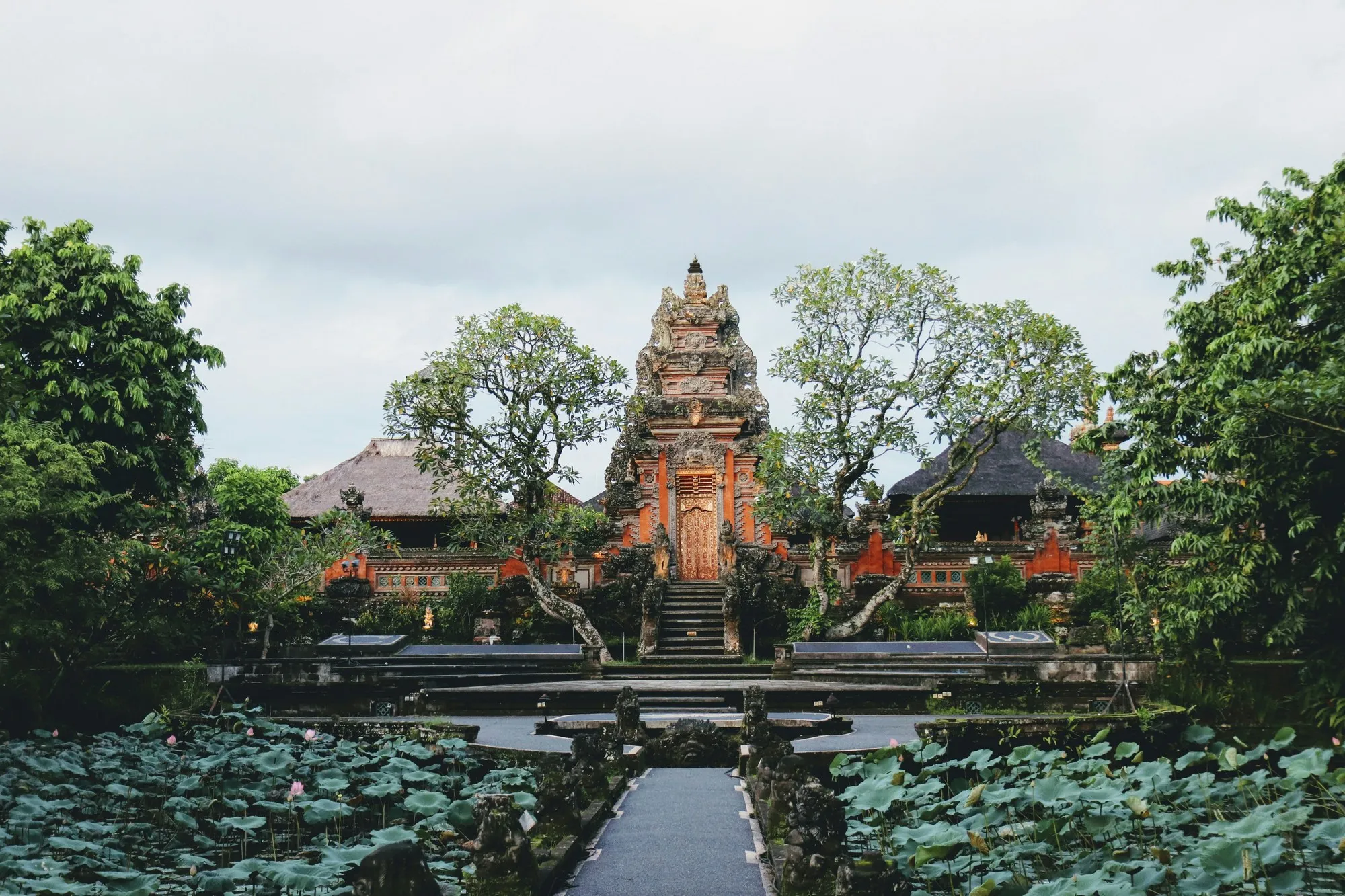
The cultural and spiritual center of the island, located in a hilly area away from the coast. Unlike the beach areas, Ubud is famous for its rice terraces, ancient temples, and calm, peaceful atmosphere. It's an ideal place for those seeking a more authentic and cultural experience in Bali. This is where everyone goes for the famous photo backdrops: semicircles of rice fields, lush tropical vegetation, woven swings, or gazebos.
This area gained worldwide fame, of course, thanks to Elizabeth Gilbert's book "Eat, Pray, Love." Since then, yoga and spiritual practice enthusiasts have flocked here. After all, despite all its photogenic qualities, what's important in Ubud is not what you can see, but what you can experience. Meditation workshops, bustling markets, vegan cafes, friendly locals, temples on every corner, the scent of incense everywhere – this is the Bali you can truly feel here.
Ubud offers several exotic accommodation options: from cozy mini-hotels and cottages to boutique hotels and luxurious five-star establishments. The center is very noisy and crowded; it's worth choosing if you've decided to see as much of Bali as possible and don't plan to stay long in one place. Here, it's quite realistic to find a guesthouse in a typical Balinese style for 1,100-1,200 rubles per night.
Pros:
- Beautiful landscapes: rice terraces, jungles, waterfalls.
- Cultural attractions: temples, museums, art galleries.
- Cozy cafes and restaurants with local and international cuisine.
Cons:
- Far from the coast.
- Can be very rainy in some months.
- Many tourists, especially in the city center.
Nusa Dua (Nusa Dua)
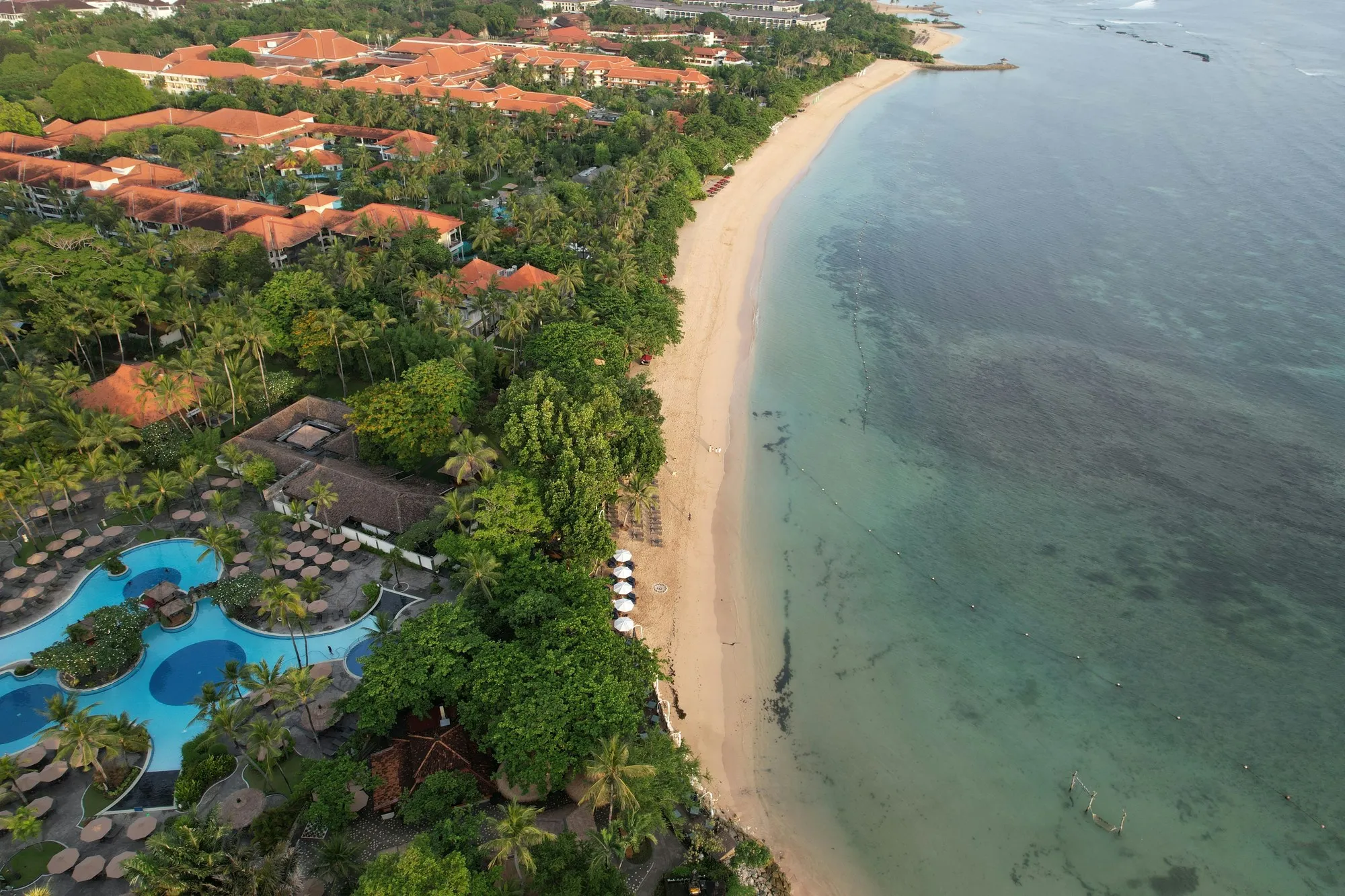
An elite resort area. Known for its luxurious hotels, well-maintained beaches, and safe, tranquil atmosphere, unlike more bustling areas such as Kuta or Seminyak.
A vacation here comes with a 'luxury' prefix: diving, dolphin watching, rides on glass-bottom boats, jet skis, yachts. Resorts organize excursions and prepare all necessary equipment for their guests. Many have their own equipped beaches, so you can spend the whole day on a sun lounger under an umbrella.
Most hotels and resorts are located within a gated, guarded, and well-maintained area. Nusa Dua's beaches are clean, well-kept, with a gentle entry into the sea, ideal for families with children. Prices for accommodation, food, and entertainment in Nusa Dua are higher than in other areas of Bali: a standard double room for one night will cost from 3,600 rubles. And that's still a big beautiful deal: further prices quickly soar to 13,000-15,000 rubles in major chains like Marriott and Novotel.
Pros:
- Clean and well-maintained white sand beaches.
- Excellent service in hotels and restaurants.
- Safety, guarded territory.
- Ideal for relaxation and solitude.
Cons:
- Accommodation and food prices are significantly higher than in other areas of Bali.
- Lack of authentic Balinese atmosphere: the area is specifically designed for affluent tourists.
- Limited entertainment options, mostly within hotel grounds.
Jimbaran (Jimbaran)
Located south of Kuta and the airport, on a narrow isthmus connecting the Bukit Peninsula to the main part of the island. This area can be briefly described by three main facts – it's good for families, has affordable accommodation, and boasts the best seafood restaurants. Now, let's elaborate.
Jimbaran's long sandy beaches are perfect for swimming; surfers will find it dull here. But for children, splashing in the shallow, waveless water is ideal. All the party life flows in neighboring Kuta and Seminyak, so you can put your child to bed in the evening without fear of them being woken up by music from clubs and bars.
For accommodation, you can easily find both an expensive hotel (e.g., Four Seasons chain) and a long-term rental home at a low price in the villages of Permata Ariza and Puri Gading. Yes, you'll have to go a little further from the beach, but you'll get a room for 800-900 rubles per night for two.
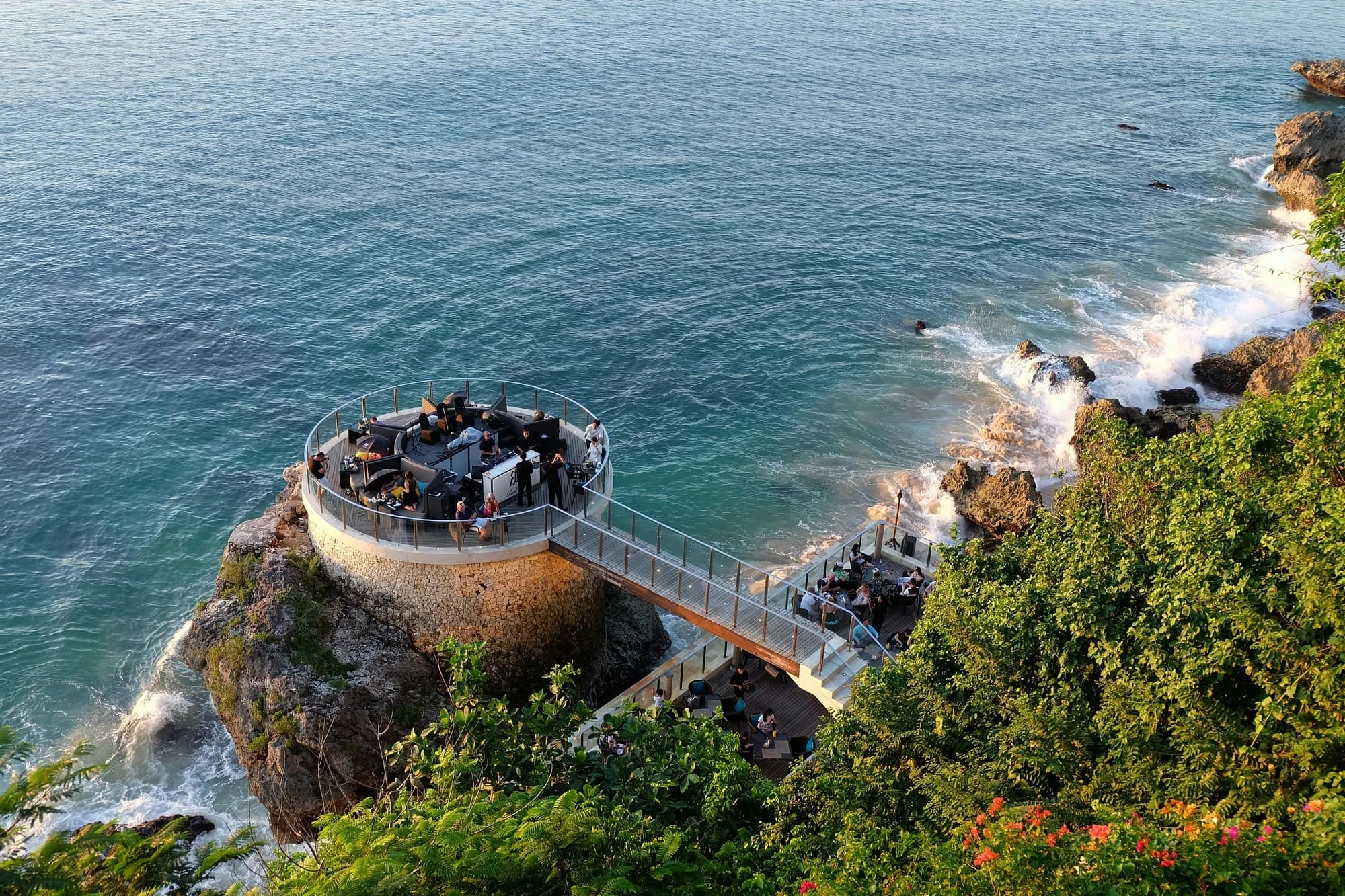
But perhaps the area's calling card is the fish market in the northern part of Kedonganan Beach. Here you can buy all kinds of seafood and cook them yourself. For hotel guests, there's a scattering of restaurants all along the coast where shrimp and shellfish will be grilled for you.
Pros:
- White sand beach with calm sea.
- Fresh grilled seafood.
- Romantic atmosphere.
- Proximity to the airport.
Cons:
- Entertainment is limited to food and the sea.
- Restaurant prices can be quite high.
Sanur (Sanur)
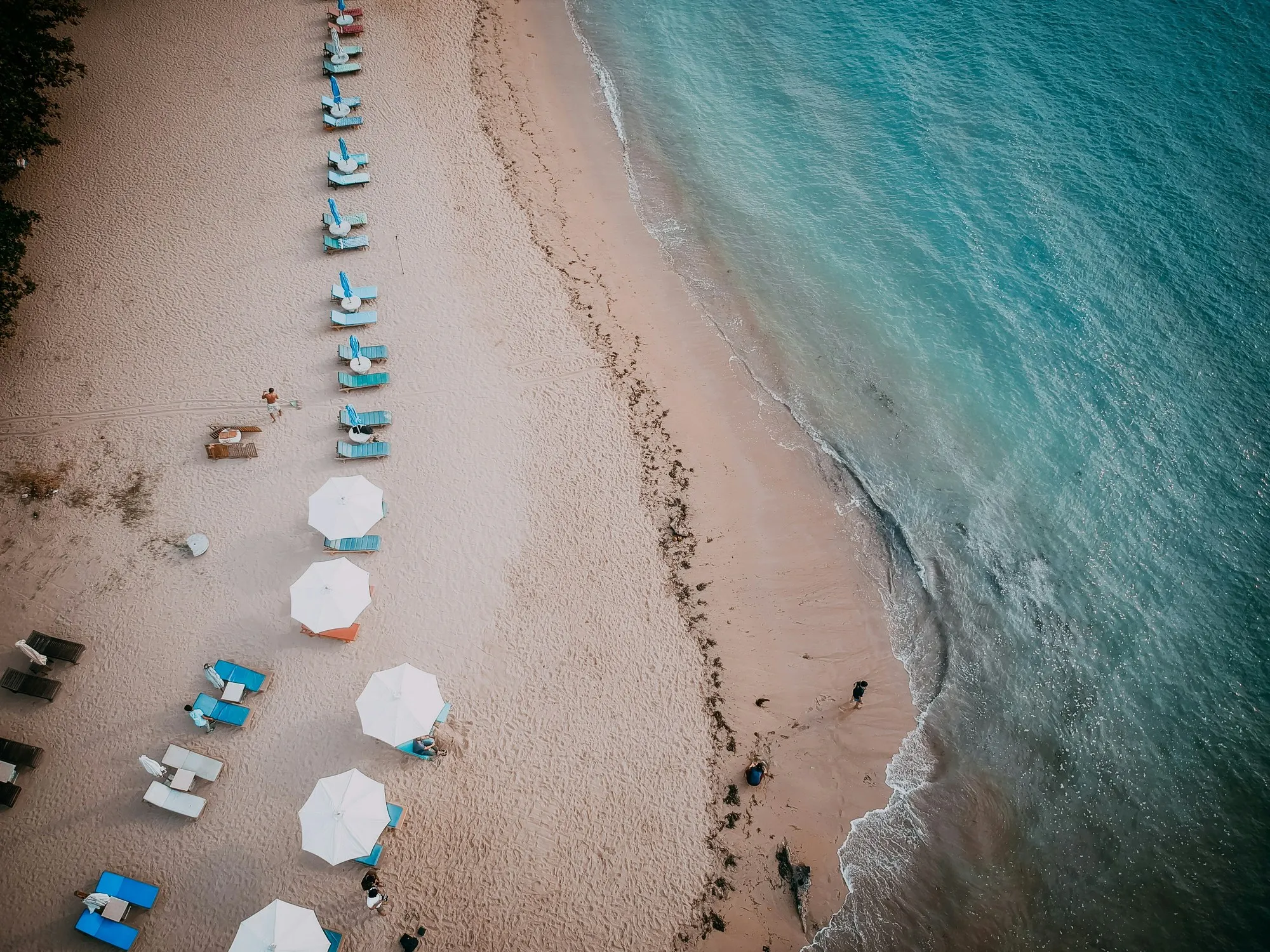
A versatile area that offers tranquility, Balinese atmosphere, and proximity to attractions. This has contributed to its popularity: many tourists from all over the world, from Japan to Europe, come here. And it's understandable. The beaches here are shallow, the promenade along them is picturesque, and the infrastructure is well-developed. It's a classic resort town in the best sense of the word.
Sanur is the departure point for boats heading to Lembongan Island, known for its beautiful beaches and spots for snorkeling and diving. Windsurfing, kitesurfing, parasailing, kayaking, and paddleboarding are also popular. And if active recreation isn't your goal, you'll find many spas for massages and all kinds of relaxation.
1,500-2,000 rubles per night is the minimum you'll have to pay in Sanur. For 2,500, you can already find a three-star hotel with a nice pool and breakfast included.
Pros:
- Safe beach for children.
- Wide selection of guesthouses and hotels.
- Many restaurants and cafes of various culinary directions.
Cons:
- During low tide, the sea recedes far, exposing seaweed.
- No active nightlife.
Lovina (Lovina)
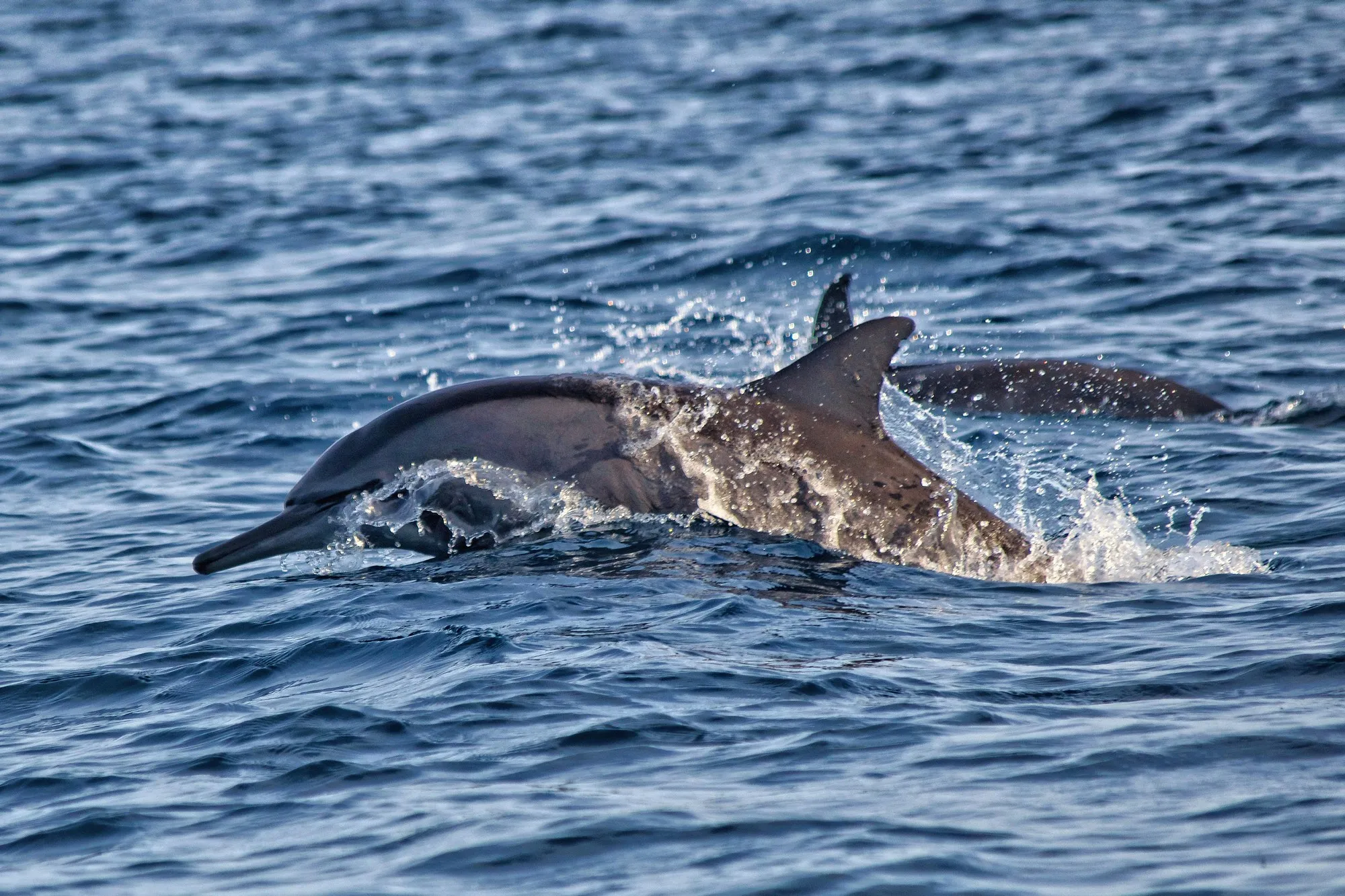
Now let's move as far as possible from Denpasar to the northern part of Bali, to the Buleleng province. Lovina differs significantly from the southern tourist areas: life here is unhurried, and you can truly feel that authentic Bali that many tourists flock to the island for. Lovina is known for its black sand beaches, calm sea, and the opportunity to see dolphins in their natural habitat.
In the Lovina area, there are several good spots for snorkeling and diving. From here, you can go to Menjangan Island, known for its coral reefs and diverse marine life. Additionally, it's worth visiting the waterfalls – Sekumpul Waterfall and Gitgit Waterfall. Nearby are the Banjar Hot Springs, also worth seeing.
Accommodation prices are higher than in Denpasar. 2,000 rubles for a double room is the lower limit when searching. But the true style and spirit of the fairytale island will definitely be noticeable.
Pros:
- Boat trips for dolphin watching.
- Calm atmosphere without tourist crowds.
Cons:
- Far from the airport: the journey takes several hours.
- Black sand beaches.