Popular Dishes to Try in Bali
 Polina
When you first step out of the air-conditioned airport building, Baligreets you with an unmistakable scent: a mix of humid jungle, ocean salt, and sweet incense smoke. But within a couple of hours, this cocktail is complemented by the aromas of roasted peanuts, fiery chili, and simmered coconut milk. To quickly trade the city noise for this gastronomic paradise, you can buy tickets to Denpasar on Kupi.com and by dinner, be tasting authentic street food. And if your goal is to explore the spice culture in the very heart of the island, it's best to head straight to Ubud, because it's here that the density of restaurants per square meter is off the charts.

Nasi Goreng (Nasi Goreng)
This is a staple of the Indonesian menu and a dish you'll find everywhere: from upscale restaurants to humble roadside warungs. Essentially, it's fried rice with thick sweet soy sauce, vegetables, and a blend of spices, predominantly garlic and shallots. It's usually topped with a fried egg with a runny yolk, and served alongside a couple of prawn crackers (krupuk) and fresh cucumbers. It's an ideal option for your first breakfast on the island: hearty, familiar, and very Balinese.
Babi Guling (Babi Guling)
If you ask a local about the main festive dish, they'll tell you – suckling pig on a spit. It's slow-cooked over a fire, first stuffed with ginger, turmeric, lemongrass, coriander seeds, and black pepper. The main highlight here is the crispy golden skin, which tastes like caramel, and the incredibly tender meat. Traditionally, Babi Guling is served with rice, sausages, and a spicy vegetable mix called lawar.
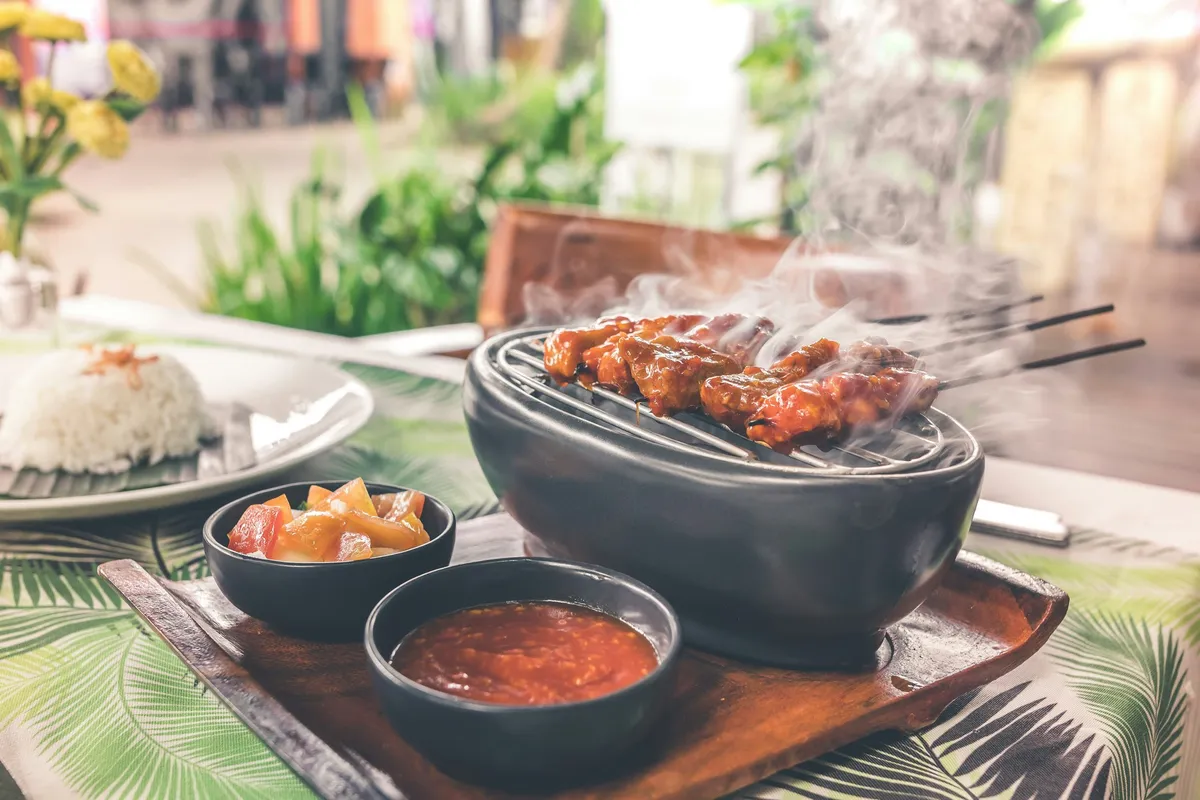
Sate (Sate)
Small skewers on bamboo sticks, grilled over open coals right in front of you on the street. Most often it's chicken (Sate Ayam), but it can also be beef or fish. The secret to its success lies in the thick peanut sauce, which generously coats the meat after grilling. The smoke from the grill combined with the sweet nutty aroma creates that recognizable scent of Balinese twilight. Sate Lilit, minced fish or meat with coconut flakes wrapped around a lemongrass stalk, is also popular in Bali.
Gado-Gado (Gado-Gado)
An option for those who want something healthy and light. This is a warm salad of blanched vegetables (cabbage, green beans, spinach), soy tofu, fermented tempeh beans, and boiled eggs. All this splendor is drenched in a thick, slightly spicy peanut sauce. The dish is wonderfully balanced in texture: soft vegetables contrast with crunchy beans and firm tofu.
Pisang Goreng (Pisang Goreng)
For dessert, be sure to try fried bananas. They are deep-fried until crispy, while inside they become almost liquid, sweet, and creamy. They are often served with palm syrup, honey, a scoop of vanilla ice cream, or even grated cheese – the combination of sweet and savory is considered a classic here.
Rendang (Rendang)
Rendang has a very deep, concentrated spicy flavor. This dish originated in Sumatra but has become so popular in Bali that it's a must-try. Beef is simmered for hours in coconut milk with a spice blend called “bumbu” (galangal, lemongrass, garlic, ginger, chili) until the liquid completely evaporates and the meat becomes so tender it can be eaten with a spoon.
Ayam Betutu (Ayam Betutu)
A whole chicken (or duck) stuffed with a spice paste, wrapped in banana leaves, and slow-cooked in coals or baked over low heat for up to 8 hours. The result is incredibly aromatic meat that literally falls off the bone. This is one of the island's spiciest dishes, where spices are felt in every fiber.
Lawar (Lawar)
Finely chopped mixture of vegetables, green beans, coconut flakes, and meat. Lawar can be “white” (without added blood) or “red”. The dish's taste is very fresh due to the abundance of herbs and lime juice. It's an excellent side dish that helps refresh the palate after rich meat dishes.
Mie Goreng (Mie Goreng)
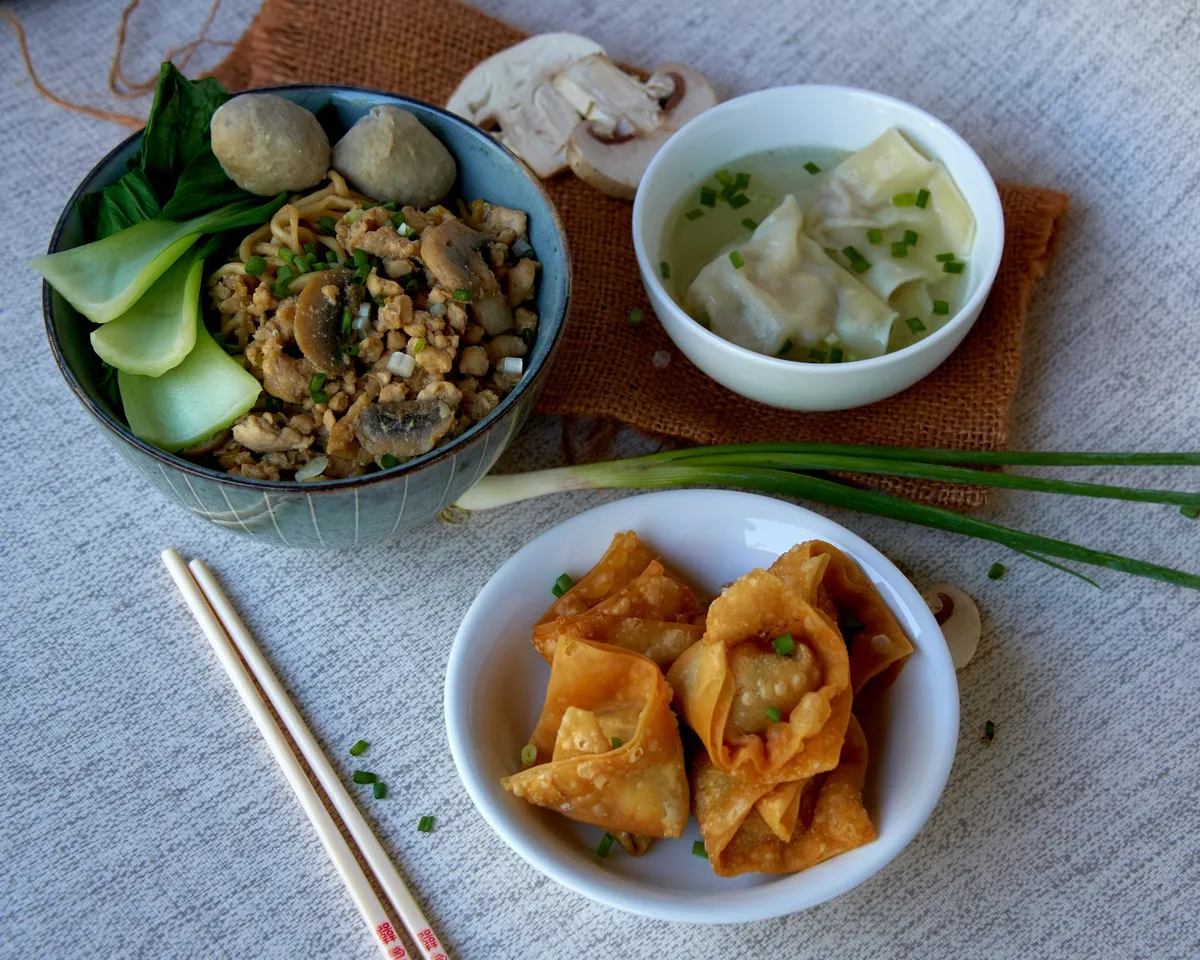
The twin brother of fried rice, but based on wheat noodles. The noodles are stir-fried in a wok with vegetables, soy sauce, garlic, and meat or shrimp. As with rice, the dish is crowned with a fried egg. This is the most popular “comfort food” on the island, equally loved by surfers and office workers.
Tempeh (Tempeh)
Fermented soybeans pressed into dense blocks. In Bali, tempeh is prepared in a hundred ways: fried until crispy in a honey glaze, stewed in coconut milk, or grilled. It has a nutty flavor and a very firm texture. Tempeh is an excellent source of protein and an essential part of a Balinese meal.
Where to try
To try Babi Guling: head to Warung Babi Guling Ibu Oka in Ubud. This legendary spot was made famous by Anthony Bourdain. There's always a queue, but the pig is worth it.
For the best Nasi Goreng and atmosphere: check out Warung Citrus (Ubud) or any beachfront restaurant in Jimbaran closer to sunset. There, you'll be served fresh seafood with your rice.
For vegetarians and Gado-Gado lovers: we recommend Clear Cafe in Ubud or The Shady Shack in Canggu. Here, traditional recipes are adapted for modern presentation, using the freshest farm produce.
Authentic Sate: the most delicious sate is sold at night markets (Pasar Malam), for example, in Gianyar or Sanur. Look for carts with aromatic smoke wafting around them.
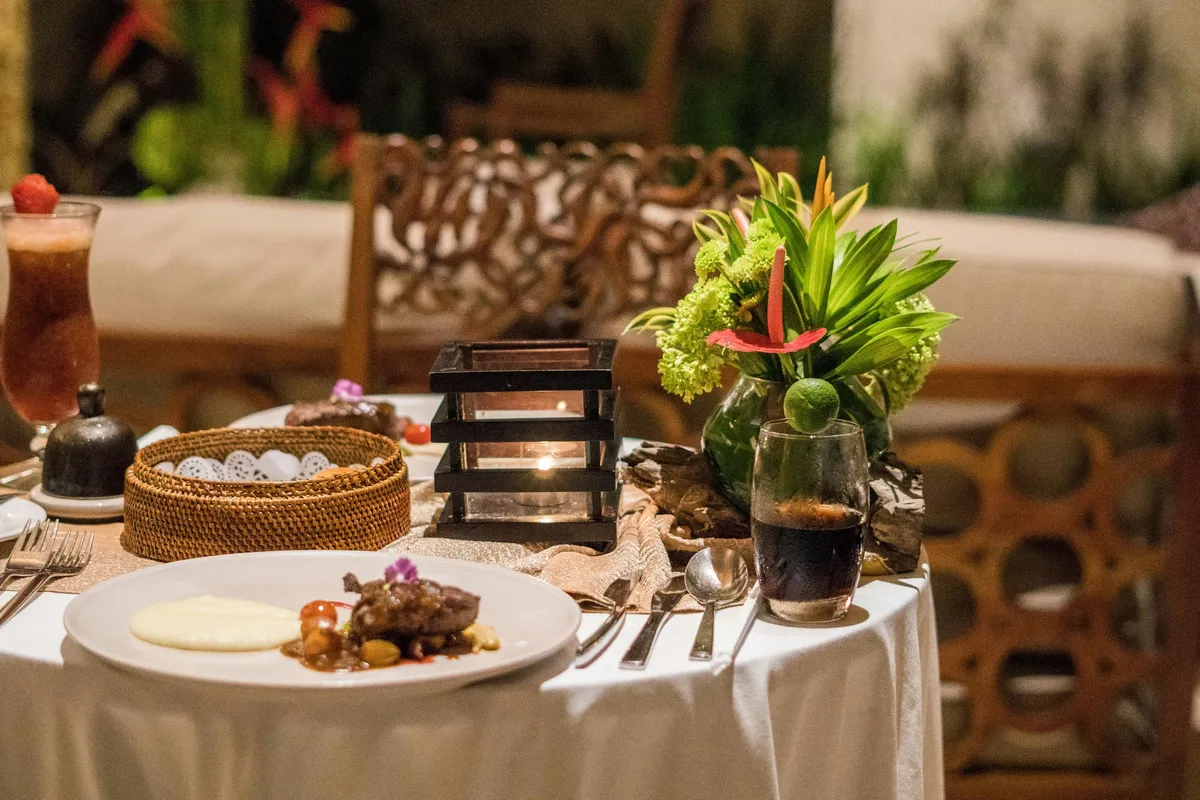
Fine Balinese dining: if you want to try Ayam Betutu in a refined setting, book a table at Mozaic or Locavore (Ubud), where local ingredients are elevated to an art form.
Bali is an island that needs to be tasted without prejudice. The most authentic dishes often find you in small family warungs, where recipes are passed down from generation to generation.