Carry-on Baggage on a Plane
Before a flight, passengers often worry whether they'll be allowed to bring important items into the cabin — from hairspray to perfume or a pack of their favorite cookies.
Generally, the permissible carry-on baggage allowances depend on the airline, aircraft, and destination. However, the list of items that can be transported is common for everyone. Let's figure out what the size of carry-on baggage on a plane should be, what you can't take as carry-on, and what you'll definitely be allowed to bring on board.
What is Carry-on Baggage
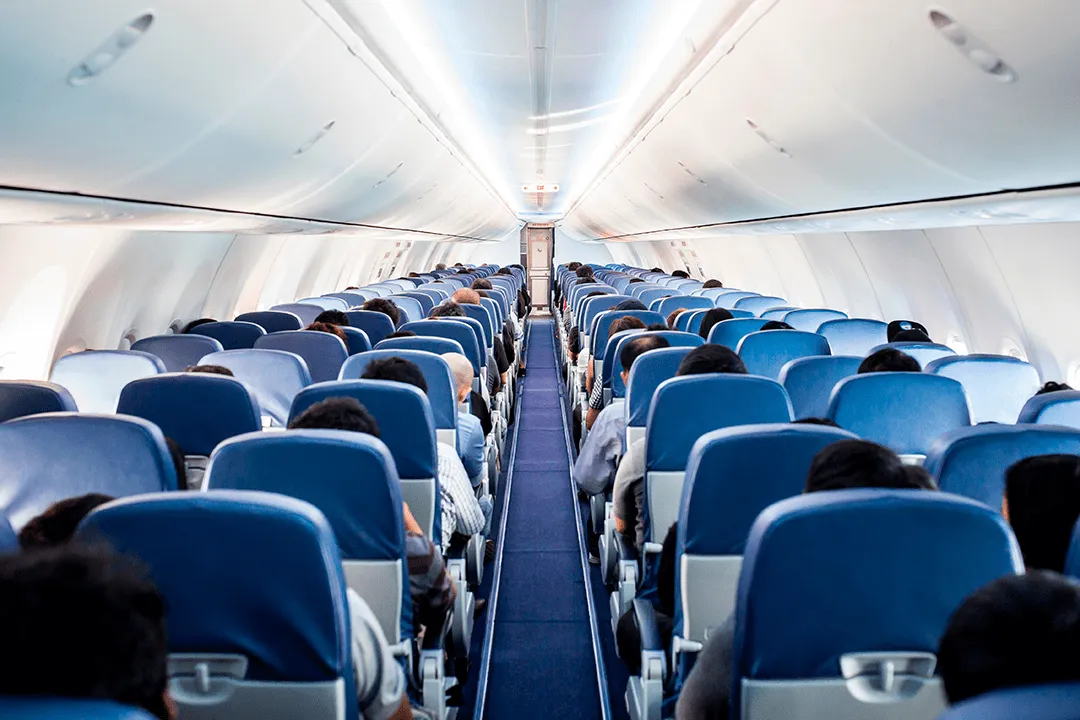
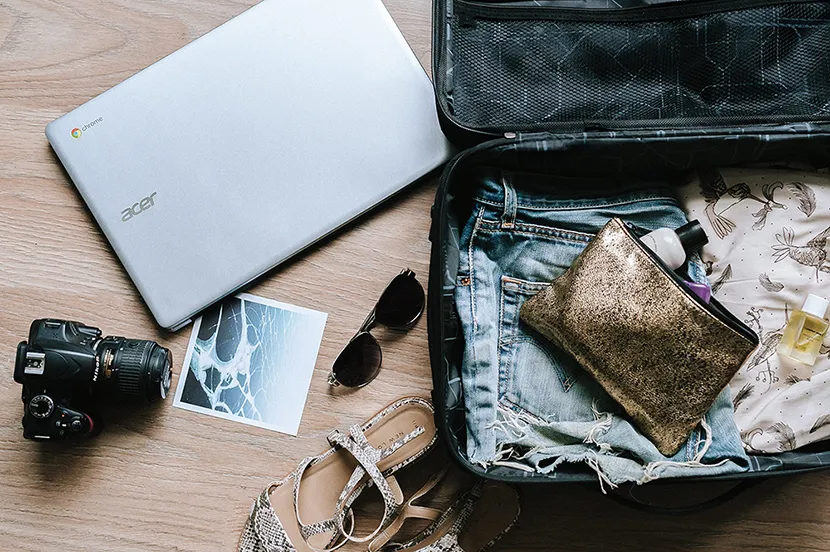
Let's start with the basics: carry-on baggage refers to items that a passenger can take with them onto the plane. Usually, carry-on baggage implies one bag. What you have to check in at the counter is checked baggage. Carry-on baggage is typically placed in the overhead bin or under the seat in front.
Carry-on Baggage Allowances for Different Airlines
Typically, most major airlines allow carry-on baggage weighing between five and ten kilograms. However, there might be nuances regarding dimensions, so you need to be careful: some places will allow a huge sports backpack, while others won't. The exception is budget carriers. Low-cost airline standards can differ significantly from major European and Russian companies. Some low-cost carriers do not provide free carry-on baggage allowance at all.
Below are the carry-on baggage size requirements for airplanes, as stated on the websites of popular Russian airlines.
|
Aeroflot |
Pobeda |
Ural Airlines |
|||
|
Carry-on baggage weight |
Economy and Comfort Class — one piece of baggage (weight not exceeding 10 kg) Business Class — one piece of baggage (weight not exceeding 10 kg) |
Economy Class — one piece of baggage (weight not exceeding 10 kg) Business Class — one piece of baggage (weight not exceeding 10 kg) |
One piece of baggage (weight not exceeding 10 kg) |
Economy Class, Promo, Premium — one piece of baggage (weight not exceeding 10 kg) Comfort and Business Class — two pieces of baggage, total weight up to 15 kg |
|
|
Carry-on baggage dimensions |
Maximum 55×40×25 cm |
Maximum 55×40×23 cm |
Maximum 36x30x27 cm |
Maximum 55x40x20 cm |
Items whose dimensions and weight do not meet the standards are transported in the baggage compartment. If a backpack, package, or bag does not fit the norms, the passenger will be asked to transfer items to a checked suitcase. Therefore, if you have a feeling that something is wrong with your carry-on baggage, free up space in your suitcase beforehand. You can then put an extra couple of kilograms there.
A number of Russian companies have special conditions for carrying non-standard items in carry-on baggage. For example, Aeroflot allows the transportation of one musical instrument whose dimensions, when summed across three measurements, do not exceed 135 cm. Also, a tennis racket packed in a case and a badminton set.
However, all sorts of complex oversized items — mountain skis, snowboards, boards, skates, scooters, and bicycles — will definitely have to be checked as baggage.
What You Cannot Carry in Hand Luggage
- Liquids in large volumes. They can only be carried in containers up to 100 ml. In short, you can take cream in your carry-on (or other cosmetics). The products must first be decanted into small bottles or packaged by store employees (if we are talking about duty-free). The same rules apply to perfumes and alcohol in carry-on baggage on a plane.
- Animal products (yogurts, meat, cheese). But there's a life hack: you can make a ham and cheese sandwich and then take it on board the plane. However, if you purchased a packaged piece of cheese from the same duty-free, there will be no problems.
- Weapons. And also items that resemble weapons: children's water pistols, swords, etc.
- Sharp and blunt objects that can cause injury. Specifically, bats, knitting needles, ski poles, etc. Tweezers and small nail scissors are sometimes allowed in a cosmetic bag, but they might be questioned (it's better not to risk it to avoid having to throw them away at security).
- Explosive, flammable, chemical, and toxic substances. However, there's a nuance here. Acetone nail polish remover is a substance that can ignite, but it can only be transported in checked luggage.
- Aerosols. Except for medicinal aerosols used, for example, for asthma: in such a case, you will be required to provide a document with a diagnosis or a doctor's prescription.
- Mercury thermometers.
What You Can Take in Carry-on Baggage on a Plane
This list will definitely be enough to survive several hours of flight. Here's what you can take into the cabin:
- a small handbag or clutch. Most often, agents at the check-in counter check dimensions "by eye," so a couple of centimeters that don't quite fit the norms might go unnoticed;
- a coat, blanket, or umbrella. However, a cane umbrella is considered a blunt object that can cause harm, so check it as baggage;
- a laptop, tablet, film or digital camera. A camera tripod is better checked into the baggage compartment, but some carriers allow you to take it with you if it's small;
- a magazine or book;
- a bouquet of flowers;
- any razor (electric or cartridge), if the blade length is no more than 6 cm and the blade itself is covered with a cap;
- a hairdryer or any other hair styling appliance (curling iron, straightener);
- a child car seat, bassinet, stroller (only if the stroller does not weigh more than 10 kg);
- electronic cigarettes. However, you cannot smoke them on board;
- crutches or other walking aids: walkers, wheelchairs, prostheses.
How Much Liquid Can Be Carried in Hand Luggage
Transporting liquids is an important point to consider before taking carry-on baggage into the cabin. If the flight lasts several hours, anything can happen: you might need to take liquid medicine, use a cosmetic product, or get baby food to feed a child.
Now we will tell you what requirements exist for carrying liquids.
Volume: up to 100 ml only
You cannot carry containers larger than 100 ml. If you follow this rule, you will not be able to bring the remnants of tonic or thermal water in a 200 or 300 ml bottle into the cabin.
To avoid questions from security, we recommend using liquid containers (small bottles, jars) where their volume is indicated. Such containers are sold in many stores — these are convenient travel kits that will definitely help you avoid an uncomfortable conversation with baggage control staff.
Packaging: transparent
After you have decanted liquids into containers, they must be packed in a resealable transparent plastic bag. Sometimes carriers require passengers to pack containers in a 20x20 cm bag. If you count all your small bottles, their total volume should not exceed one liter. So you can take up to 10 small bottles into the aircraft cabin, but each of them must not exceed the permitted 100 ml.
Important: you cannot take several packages with containers — only one is allowed. Be sure to present your bag with mini-containers to security personnel so they can ensure all standards are met.
Baby food: it's okay
You might need to feed your child during the flight. Baby food is allowed to be transported without plastic packaging, but it will need to be checked by security. There are no volume restrictions; you can take as much formula or food as needed. But be prepared: you may be asked to open jars to ensure the contents match the description.
Medications: don't forget the prescription
You can take medications on board. There are no special restrictions for pills, capsules, and dragees, but syrups, ointments, and tinctures are subject to the same rules as other liquids. However, if your medications contain narcotic substances or if you are carrying many packages of the same drug, you will be required to provide a prescription. It is best to carry medications in their original factory packaging to avoid unnecessary questions about what they are and why you are taking them.
Items Purchased at Duty Free
If you are traveling within the EU
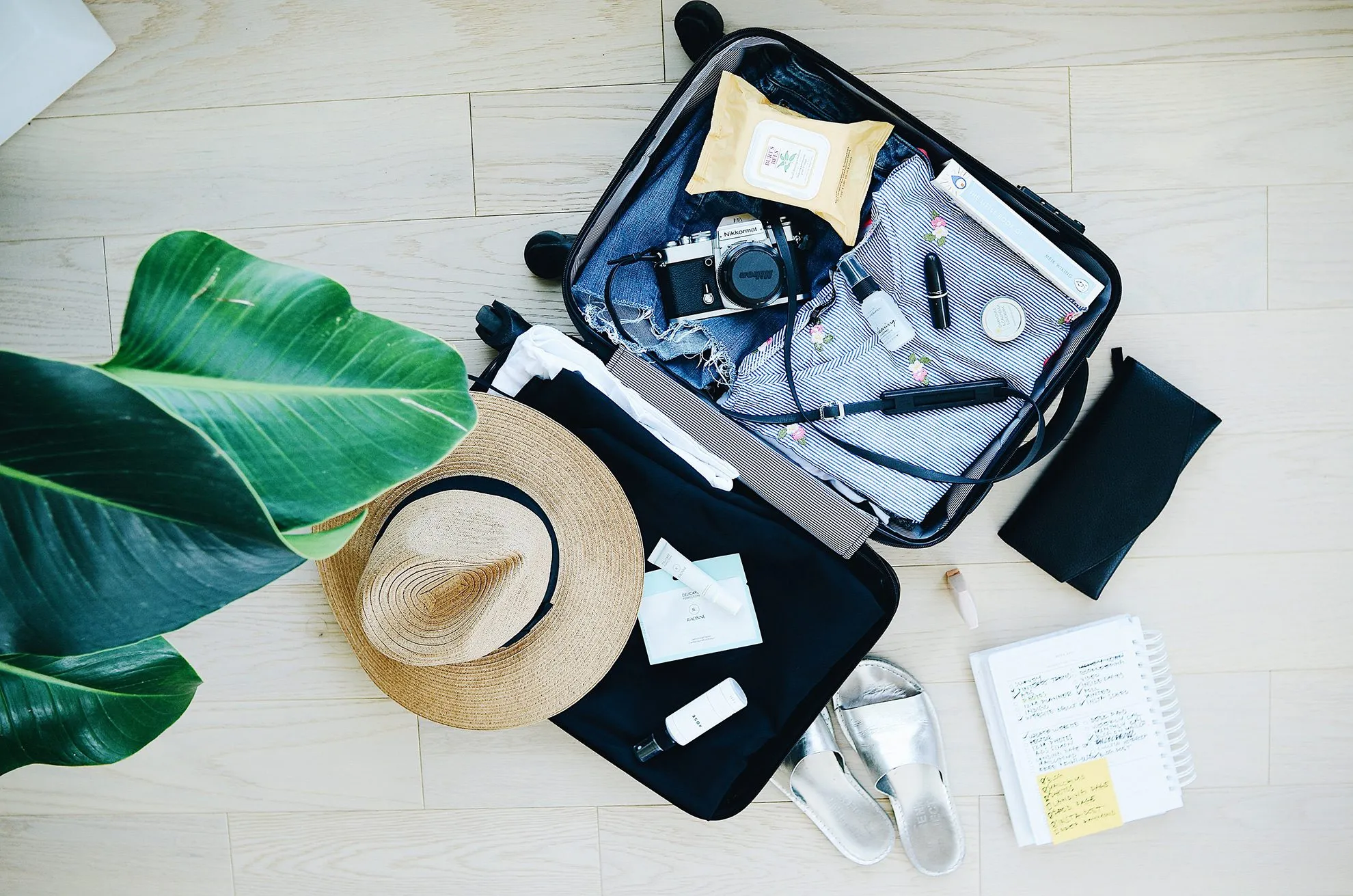
Alcohol, perfumes, and other goods can be freely purchased at duty-free and carried on board aircraft of any airline. Staff will pack and seal your purchased items in special bags that are difficult to open. If you are flying on a connecting flight with layovers, you will not be allowed to open the packaging until you reach your final destination. It's also not advisable to lose the receipt: it will serve as proof that the item was purchased at duty-free.
Sometimes, if you are flying a complex itinerary consisting of different tickets, you may be asked to check packaged goods as baggage during a layover. Ideally, it's better to buy perfumes, alcohol, and souvenirs at duty-free in the last airport from which you depart.
Important: low-cost carriers sometimes limit not only the weight but also the number of carry-on items. In other words, you can only take one bag or backpack into the cabin. This means all items you bought in duty-free shops must be packed into one bag, otherwise the carrier will make you pay extra for an additional bag. These are the rules.
Pay attention to the prohibitions existing in the countries you are flying to. Unpleasant surprises may also be hidden here, due to which you will have to part with your purchased items. Regional regulations may prohibit the movement of certain goods across the customs border of a particular country. For example, Russia allows the import of only three liters of any alcohol, up to 10 packs of cigarettes (or 50 cigars, or 250 grams of tobacco). And alcohol cannot be brought into Kuwait and Saudi Arabia at all.
If you are traveling within Russia
As a rule, items you decide to purchase at duty-free can be transported free of charge, even if your several bags of souvenirs exceed the carry-on baggage allowance. This means you will not need to pay extra for purchased items, even if you already have, for example, a bag or backpack. The condition is that the items must be packed in plastic. This is usually a 40x30x20 cm bag.
Some airlines add the weight of duty-free purchases to existing carry-on baggage. For example, when flying with Pobeda, you will pay for carrying extra items if the package dimensions exceed 10x10x5 cm.
Food in Carry-on Baggage
If you have a long flight ahead, you will definitely think about what food you can take in your carry-on. Dry food products can be carried on the plane without problems, but they must fit within the standard weight and dimensions. Therefore, feel free to take waffles, dried fruits, and snack bars with you to refuel during the flight. Honey, jam, olive oil, and other "liquid" foods are treated as liquids, so the rules for carrying liquids in carry-on baggage apply to them. These products must be placed in containers whose volume does not exceed 100 ml.
We wish you pleasant trips!