Safety Rules on Board an Airplane
Are you glued to your phone or tiredly rolling your eyes while the flight attendant diligently waves her hands, demonstrating life-saving equipment? Don't do that. Safety rules are important. This article is all about them.
General Rules
During each flight, there are two types of safety rules on an airplane: external and internal. The former are the same for all airlines, while the latter differ from company to company. Knowing the general rules can greatly help you and prevent problems. Especially if you don't have time to familiarize yourself with the internal rules of your flight's carrier. These rules can be summarized in five points:
1. Follow all crew instructions.
2. Do not interfere with crew members or other passengers. For the crew, a flight is serious and hard work. For passengers, it is often one of the most stressful situations in life.
3. Do not violate the rules of conduct during takeoff and landing. Statistically, these are the most dangerous moments while on an airplane.
4. Do not smoke on board the aircraft. Better leave that to actors in old black and white films. Cigarette smoking is prohibited by external rules, and most airlines have independently banned the use of electronic devices. Even if it turns out that your carrier's rules do not have such a prohibition, remember that smoke — even from electronic cigarettes — can cause serious discomfort to others.
5. Refrain from consuming alcohol before boarding the aircraft. We know, we know: some prefer to drink to relieve flight stress, and most airlines include alcoholic beverages on their menu. However, doctors recommend relieving stress not with alcohol, but with special medications that your doctor may prescribe.
What to do before arriving at the airport
To avoid unnecessary stress during the flight, it's best to take a few simple steps before heading to the plane:
1. If possible, check in online. This will help you avoid queues at the check-in counter at the airport, and in some cases, it will provide additional opportunities. For example, sometimes when checking in online, you can choose a special meal menu — vegan or kosher.
2. Charge all your gadgets and power banks. A flight is much more enjoyable with a downloaded movie or podcast.
3. If you are flying for the first time and are very anxious, read more about the technical design of airplanes. For example, find out what makes noise in an airplane or how fast modern air craft fly.
4. If you are afraid of flying and have enough time before your departure day, visit a doctor and consult with them about ways to reduce anxiety before and during the flight.
How to behave when boarding
Boarding the aircraft is one of the most unsettling stages of a flight. The check-in queue, the crush on the bus if boarding isn't via a jet bridge, another queue before the gangway, and finally, inside the plane. To ensure everyone can get through this stage as calmly as possible, remember these six rules when boarding:
1. Do not disturb other passengers during the boarding of the aircraft. If someone has taken your seat, they might just be waiting to get to their own. Do not raise your voice and resolve any conflicts only with the involvement of a flight attendant.
2. If you are flying with children, ensure they are in a safe position on the bus to the plane and do not run onto the runway.
3. Prepare your boarding pass and ticket in advance so you don't have to search for them at the entrance to the aircraft. Besides taking time, you could also accidentally drop your pass onto the runway.
4. Move carefully through the cabin. This is especially important if you have bulky carry-on luggage.
5. Place your carry-on luggage in the overhead bin. If you cannot do this, wait for assistance from a flight attendant. If necessary, they will find additional space and help you stow your belongings more compactly.
6. While other passengers are still stowing their belongings and taking their seats, review the safety rules on board the aircraft, which are usually kept in the seat-back pocket in front of you.
How to prepare for takeoff
Once all passengers are seated, the crew will begin preparations for takeoff. The pilot will introduce themselves and share information about the flight, and flight attendants will conduct a briefing. At this stage, it's important to remember the following:
1. Listen carefully to the briefing. In a critical situation, the knowledge gained from it could save your life or the lives of your loved ones.
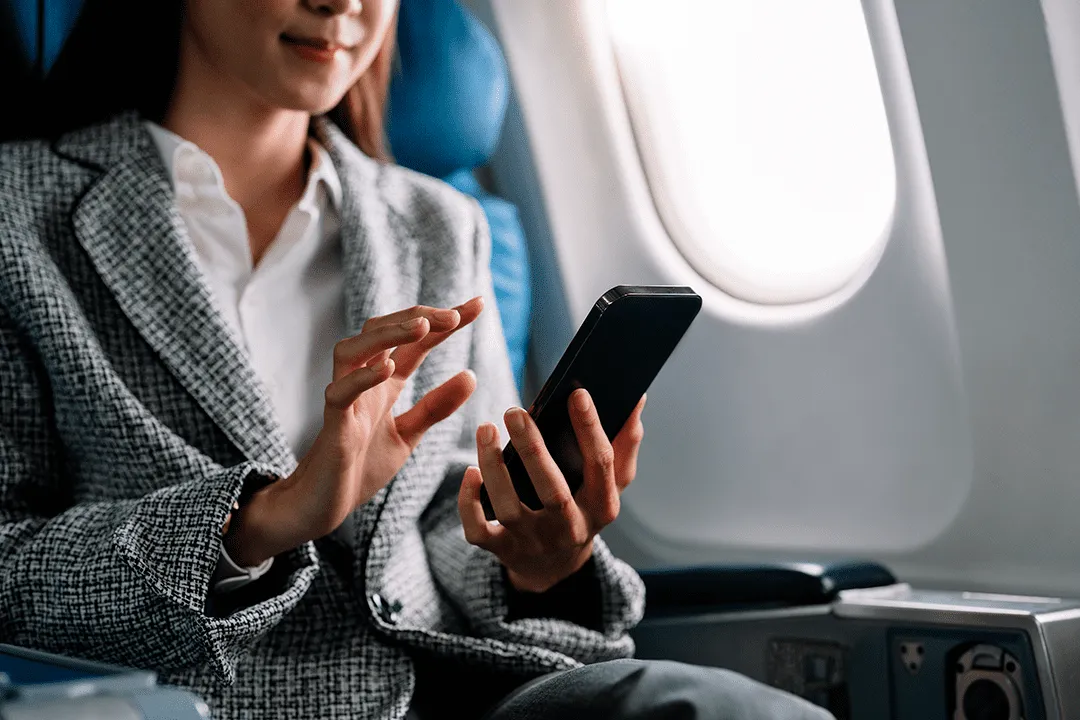
2. Be sure to switch mobile devices to "Airplane Mode" or turn them off. Passengers often believe this rule can be broken, but that's not true: mobile device signals can interfere with the navigation equipment that pilots use to control the air craft. The probability of this is minimal, but it still exists.
3. Fasten your seat belts. Numerous studies and tragic incidents have confirmed the effectiveness of this seemingly simple safety measure.
4. Raise the window shade. This should be done so that in a critical situation, you can assess the surrounding environment and adapt more quickly to natural light.
How to behave during the flight
Once the aircraft reaches the required altitude, you will be allowed to unfasten your seatbelts. At this stage, you can go to the restroom or simply stretch. But don't forget the following rules:
1. Follow crew instructions. This rule applies throughout the entire flight.
2. Do not leave your seat unnecessarily. During the flight, the airplane may encounter turbulence, and it will then be difficult for you to return.
3. Do not smoke.
4. If you decide to order alcohol, remember that being intoxicated on board is prohibited.
5. Do not make noise or disturb others. If the flight is long, some passengers will surely want to sleep.
What to do if the airplane encounters turbulence
Turbulence is one of the most frightening words associated with flying. But most often, there's nothing to fear: yes, the airplane will shake, sometimes to such an extent that small objects (for example, during a meal) might fall, but it will soon pass. Sometimes the airplane might not shake at all: this happens if the turbulence is quite mild. It's not as scary as it might seem. But to ensure complete passenger safety on the airplane, there are also special rules for such cases:
1. Do not panic. This is the main rule in all extreme situations. It's hard to remain calm and composed when you're high in the sky and the airplane is shaking, but, most importantly, remember that it will pass and that the crew has everything under control. If you feel anxious, try breathing exercises and drink some water.
2. Follow crew instructions. Be prepared that you may be asked to bend your head to your knees, holding it with your hands.
3. Fasten your seatbelts. This is especially important when entering a turbulence zone.
4. Return your seatback to the upright position and raise your tray table.
5. Do not attempt to use safety equipment without the flight attendant's permission.
How to behave during landing and braking
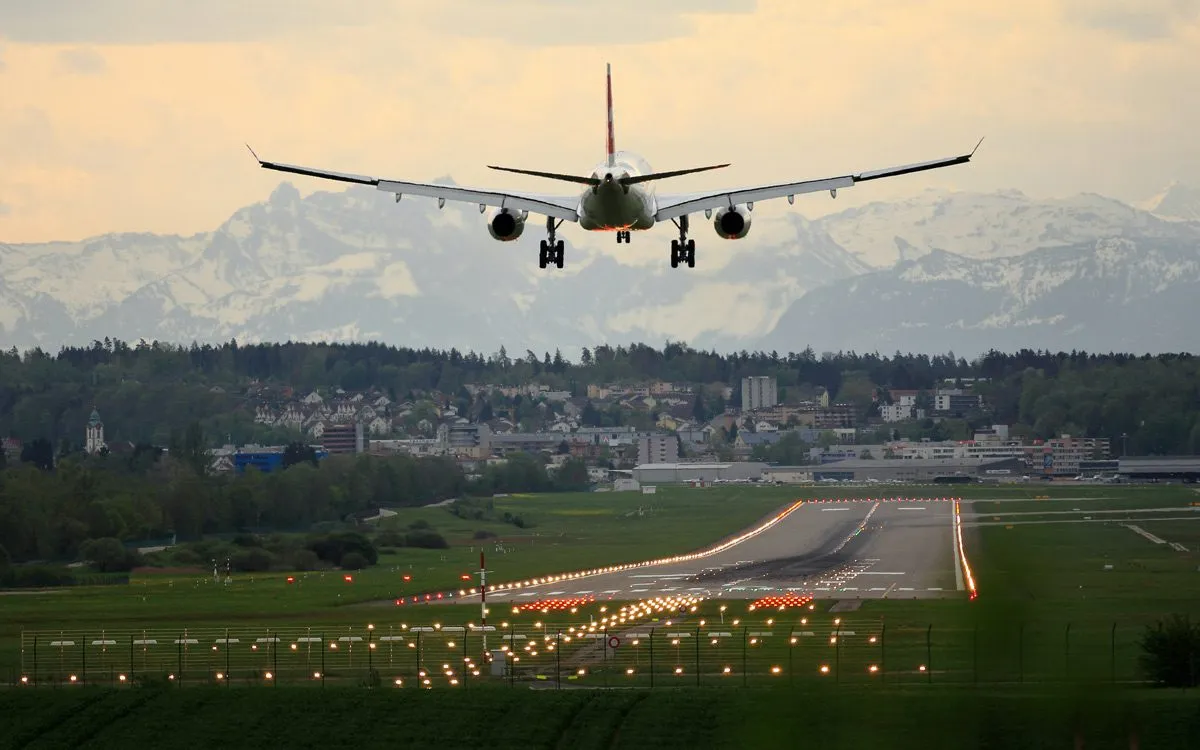
The final stage of the flight is landing and braking. Like takeoff, this is one of the most injury-prone stages, so it is especially important to follow the rules during it. Here are the key ones:
1. Do not leave your seat until the flight attendants allow it. Otherwise, you might fall, for example, during a sudden maneuver after the aircraft has stopped.
2. Fasten your seat belts. You can only unfasten them when instructed by the crew members.
3. Be prepared to cup your head with your hands and lean towards your knees. This will reduce the risk of injury in a critical situation.
4. When the crew allows you to leave your seat and the airplane, yield to other passengers if possible to avoid creating a "traffic jam".
What rules children must follow during a flight
For most airlines, the same rules apply to children as to adults. But there are a few specifics:
1. A child under 12 years old cannot fly without adult supervision. However, this does not necessarily have to be a parent or relative: you can arrange permission for a nanny, teacher, or other adults you trust.
2. Children over 12 years old can fly independently, but only with a passport and parental consent if flying abroad.
3. Children should not unfasten their seat belts during the flight, except for going to the restroom. Moreover, a child can only go there accompanied by an adult.
4. During takeoff and landing, children should lower their heads, hug their knees, and press their feet against the floor. This is due to the particular risk for children in emergency situations.
5. In case of an emergency landing, a child should only exit the airplane through a hatch or an inflatable slide. An emergency exit might be more dangerous for them than for an adult.
Also remember how to behave in emergency situations if you are flying with a child:
1. If an oxygen mask is needed, put the mask on yourself first, and then on the child.
2. In case of fire, cover the child with outerwear and help them lie on the floor. If a crew member gives the command to evacuate the cabin, help them reach the exit by crawling or crouching. This will reduce the risk of suffocation if the fire intensifies.
And don't forget to subscribe to our Telegram channel! There you'll find: selections of inexpensive tickets, private sales for subscribers, the most up-to-date news on entry rules for countries around the world, and simply interesting travel content — travel hacks, guides, and expert advice.