Egypt without the beach: why fly to Cairo
 Polina
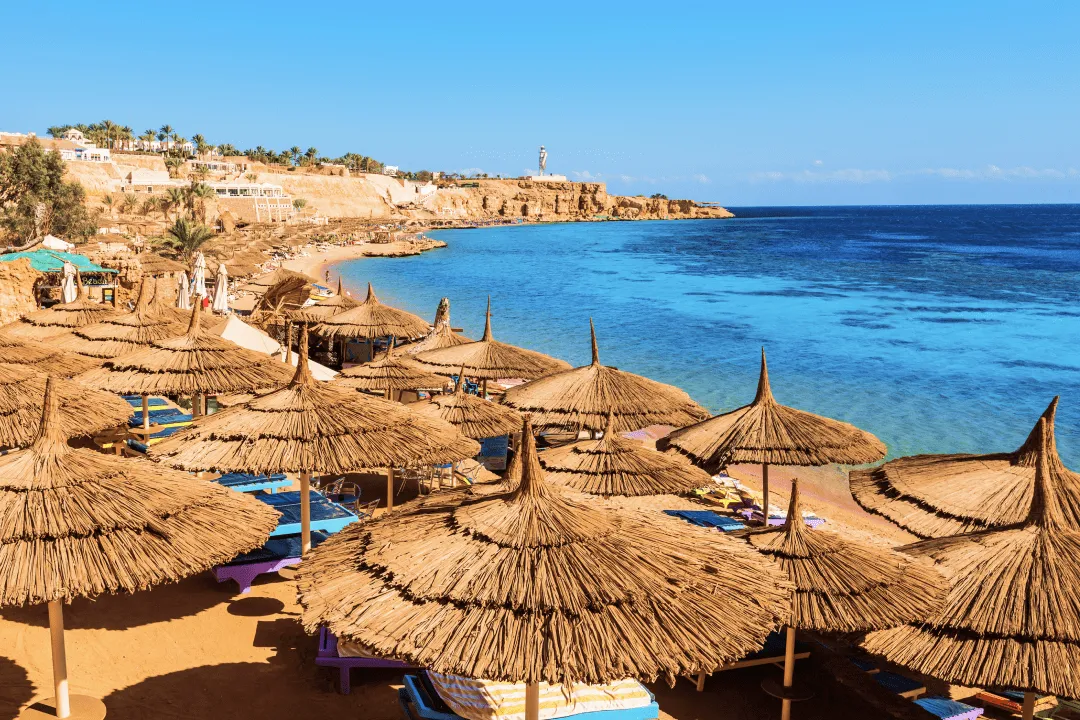
For most tourists, Egypt is a predictable scenario: a sun lounger, the Red Sea, coral reefs, and an all-inclusive bracelet in Hurghada or Sharm El Sheikh. In this coordinate system, Cairo is often perceived as an inevitable evil – a tiring bus excursion for a single photo in front of the pyramids.
But the capital of Egypt is not just a backdrop. It is one of the most vibrant, bustling, and colorful megacities in the world, deserving of a separate trip. Forget about swim trunks and sunscreen. We have compiled an extended guide of 8 reasons why you should fly to the "City of a Thousand Minarets" for a few days.
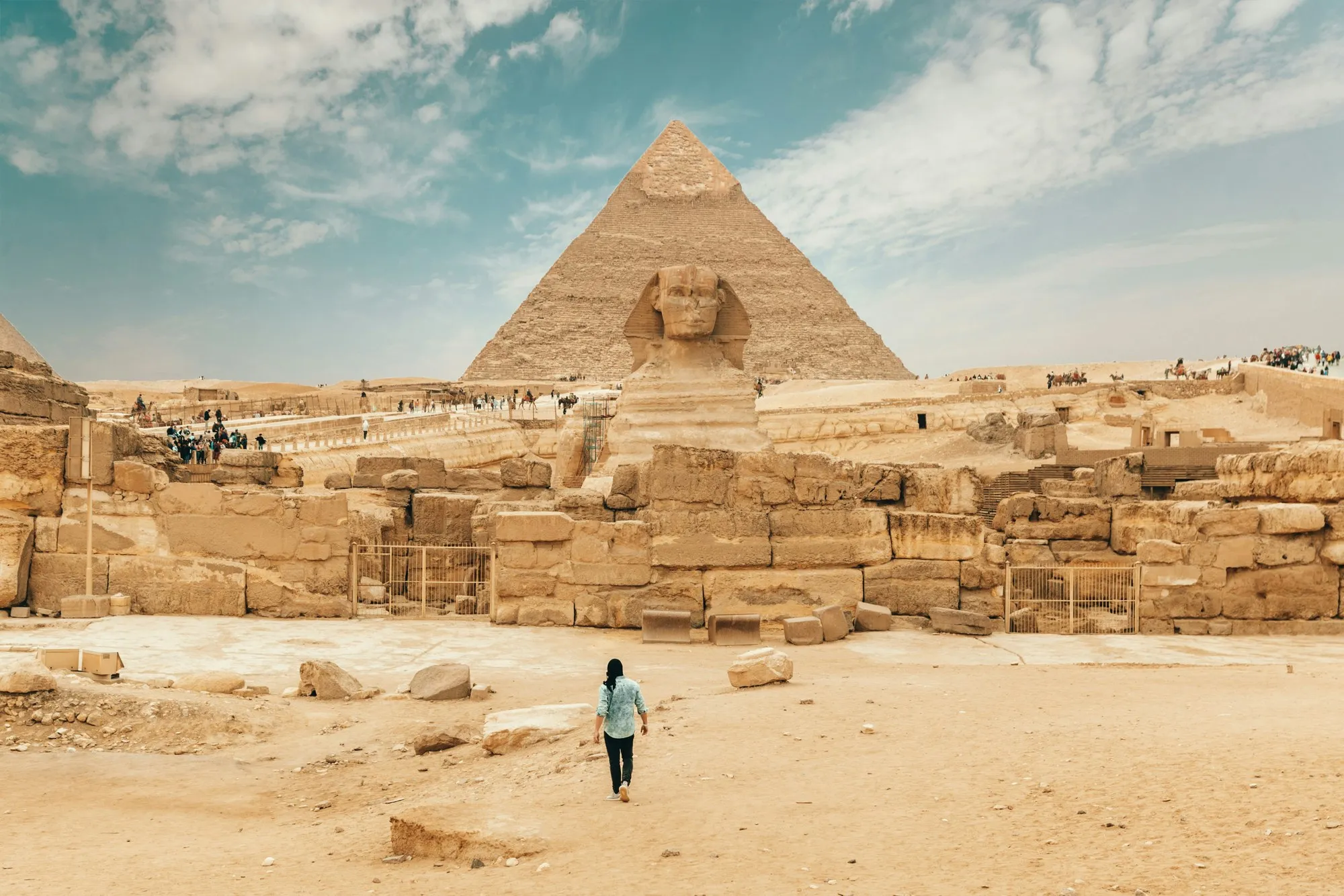
Pyramids without the hustle and bustle
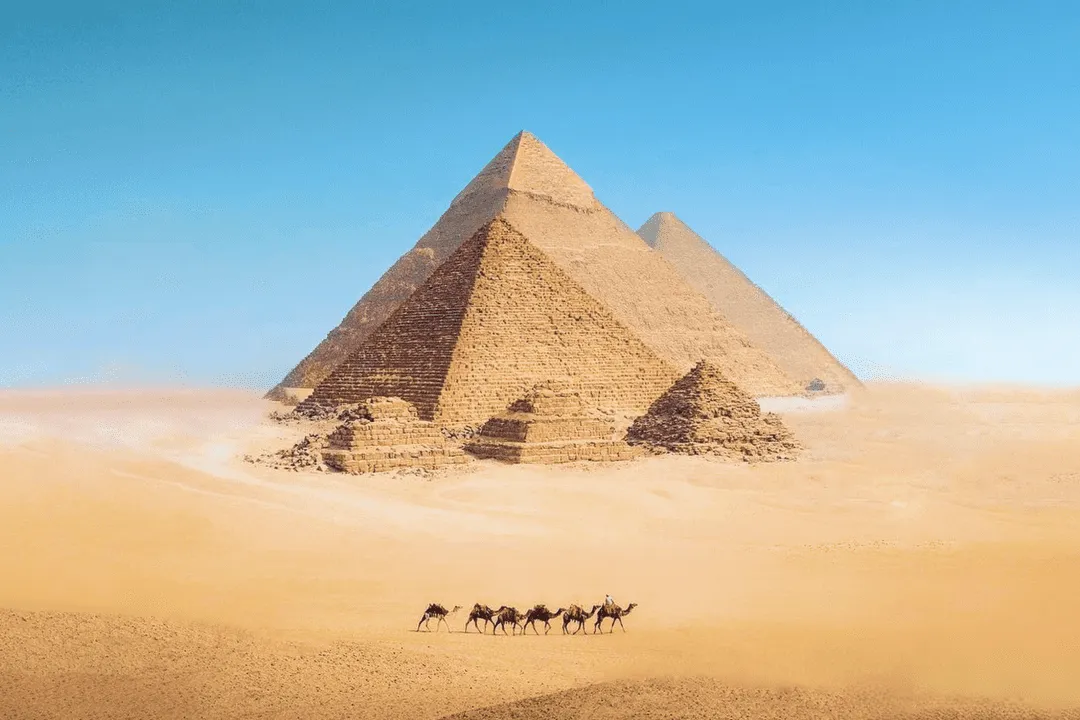
When you visit the pyramids on an excursion from a resort area, you get heat, rush, and annoying vendors. A self-guided trip offers the luxury of seeing this wonder of the world differently. The secret is simple: stay in a hotel in the Giza area (there are dozens of them). There's nothing more impressive than having breakfast on a terrace overlooking the Sphinx or dining while watching the sun set precisely between the peaks of the Cheops and Chephren pyramids. In the evening, when the buses leave, the plateau plunges into mystical silence. For this view, it's worth buying tickets from Moscow to Cairo and waking up to a view of eternity.
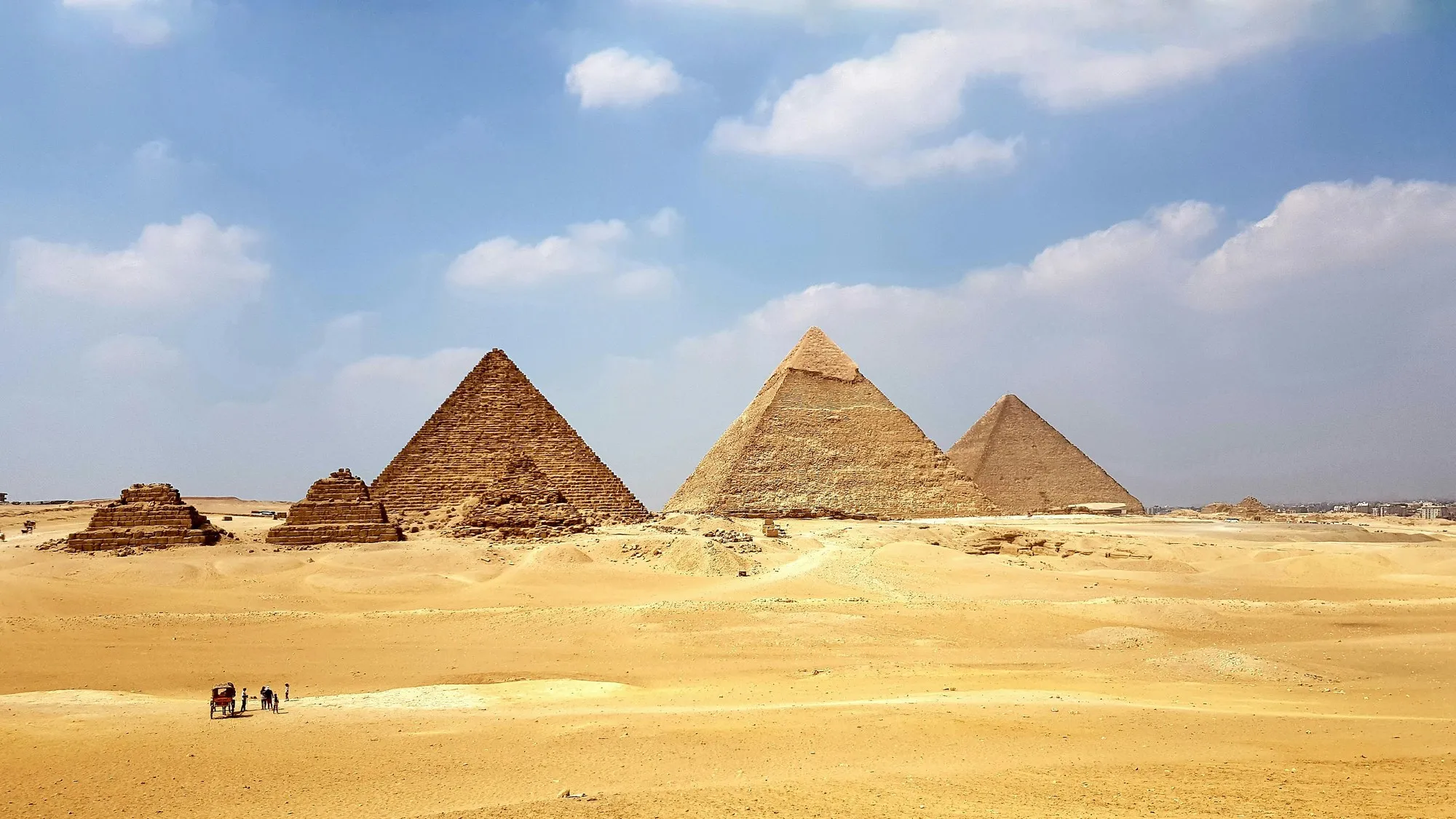
The Grand Egyptian Museum (GEM)
This is the main cultural reason to visit Cairo right now. The new museum, located at the foot of the pyramids, is the world's largest archaeological complex dedicated to a single civilization. If the old museum in Tahrir Square resembled a dusty warehouse, GEM is a triumph of technology. Here, for the first time, the complete collection of treasures from Tutankhamun's tomb (over 5,000 artifacts!), including his chariots and golden mask, is assembled. It's a place where 4,000 years of history meet the architecture of the future.
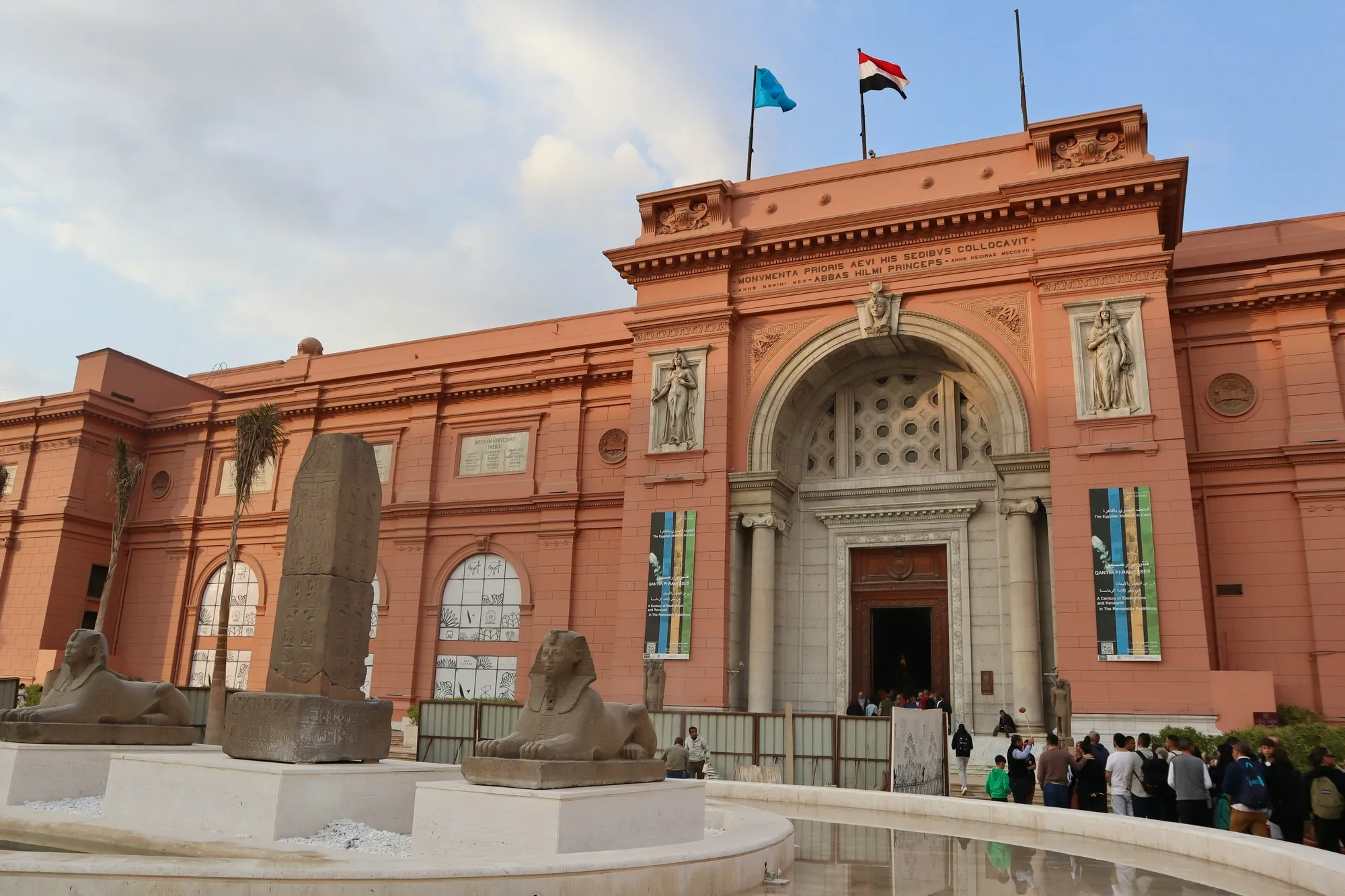
Medieval Vibe on Al-Muizz Street
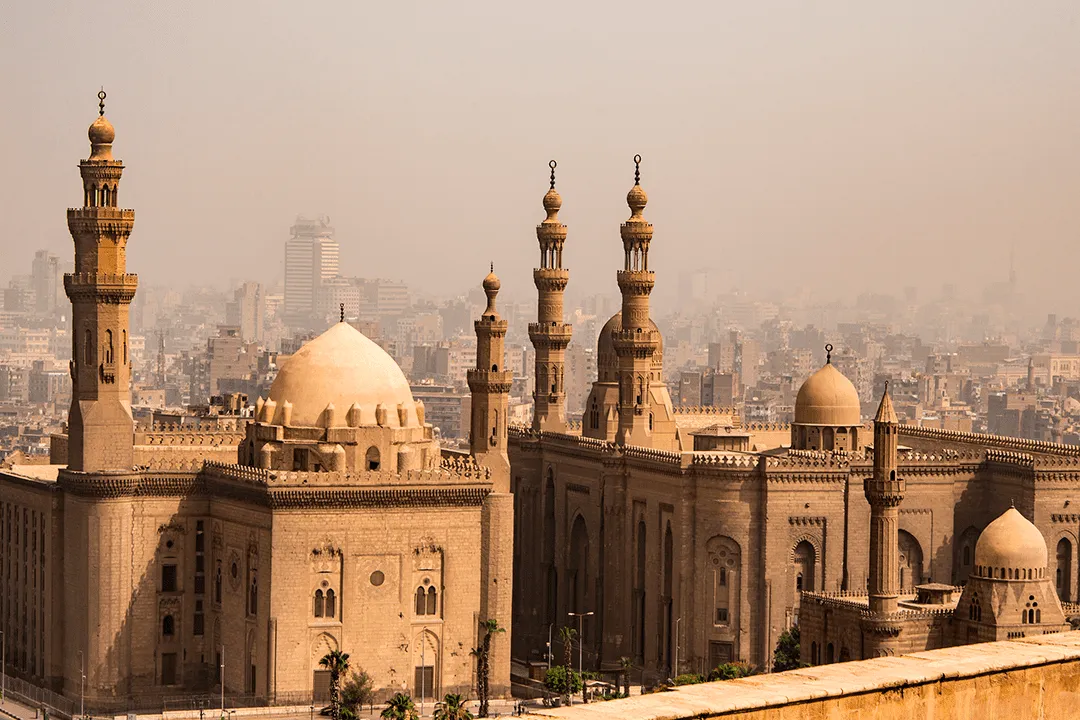
Everyone knows Khan el-Khalili market, but the real magic is hidden on the adjacent Al-Muizz Street. It's an open-air museum of Islamic architecture, a kilometer long. Here you'll find the highest concentration of medieval palaces, mosques, and madrasas in the world. In the evening, when the lights come on and the call to prayer echoes from dozens of minarets, an incredible atmosphere of "One Thousand and One Nights" tales is created. Be sure to visit the Qalawun complex – its interiors are as beautiful as the Alhambra.
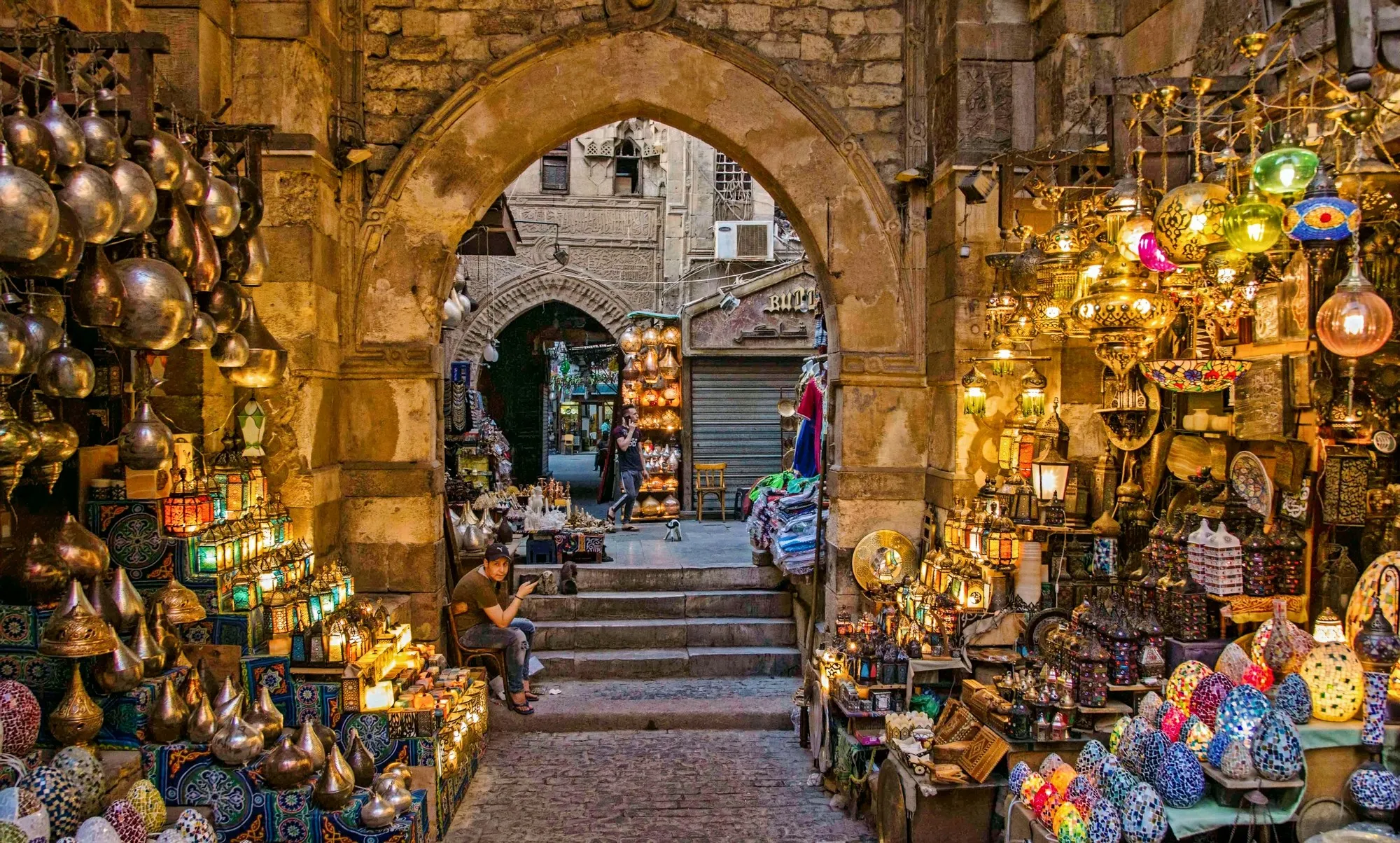
The Serenity of the Coptic Quarter
Cairo is a city of contrasts. If you're tired of the metropolis's noise, salvation can be found in the Coptic Quarter. It's a "Christian island" in a Muslim sea, where the streets become narrow and quiet, and the air is cool. Here you'll find the famous 7th-century "Hanging Church," built over the gates of a Roman fort, and the Church of Abu Serga, in whose crypt, according to tradition, the Holy Family hid during their flight to Egypt. This place is imbued with tranquility and antiquity.
The Cave Church in Garbage City
The most unusual and shocking place in Cairo. To reach the Monastery of Saint Simon the Tanner, you need to drive through the Zabbaleen quarter ("Garbage City"), where residents manually sort waste. But at the end of the journey, a reward awaits you – a magnificent amphitheater carved directly into the rock of Mokattam Mountain. This church can accommodate up to 20,000 people and impresses with its scale and acoustics. This is the Cairo that standard tours will never show you.
"Paris on the Nile" in Downtown
Downtown Cairo, built in the 19th century by Khedive Ismail, was designed by French architects. If you look up and ignore the chaotic traffic, you might think you're in Europe: wide avenues, pompous Beaux-Arts facades, and squares with monuments. Stroll to Talaat Harb Square, have coffee at the legendary Groppi cafe, where aristocracy once gathered, and feel the nostalgic spirit of the colonial era.
Sunset on a Felucca
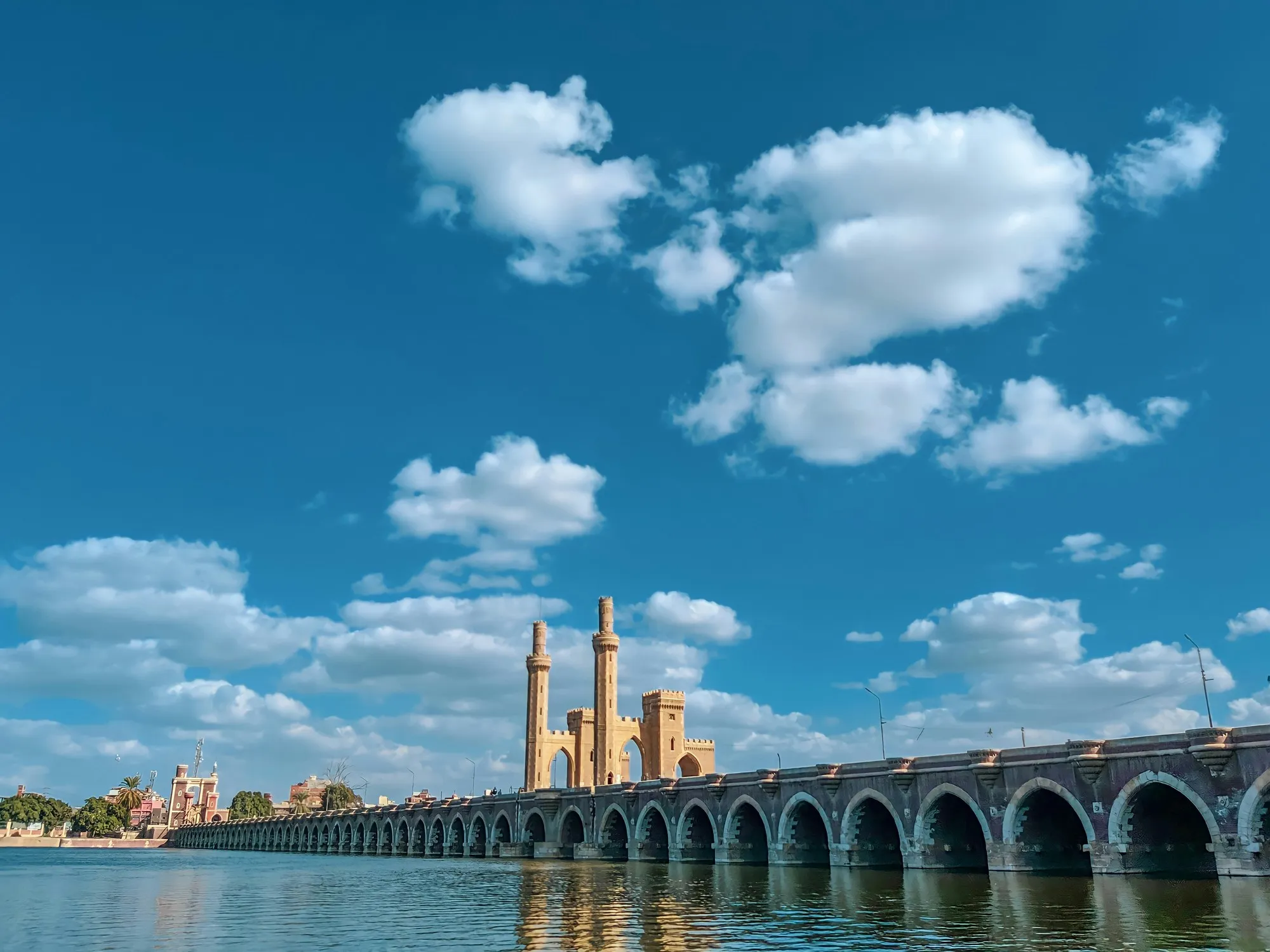
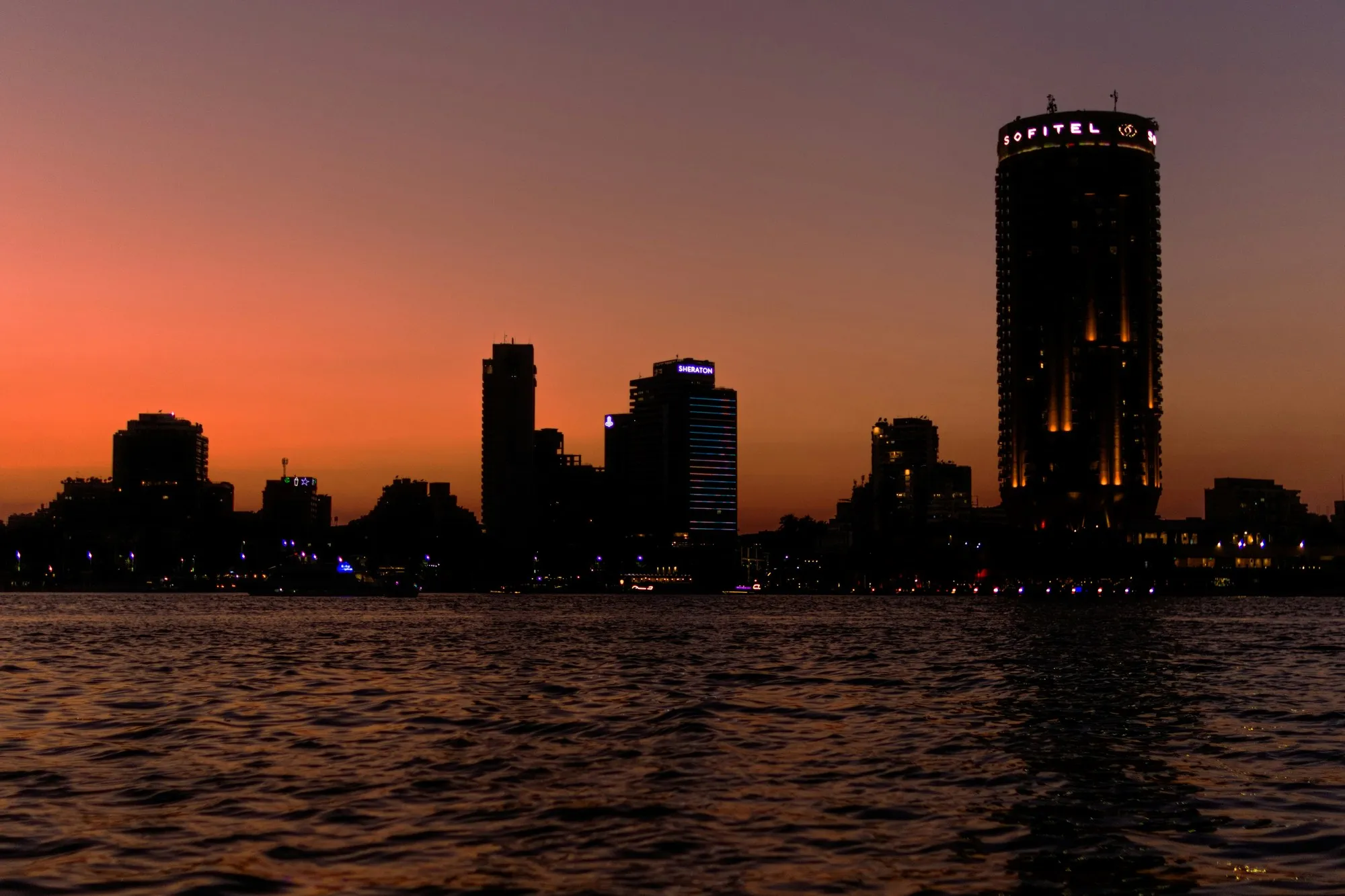
The Nile is the artery that gives life to all of Egypt. The best way to end a busy day is to rent a felucca (a traditional sailboat) for an hour before sunset. Unlike noisy cruise ships with discos, a felucca moves silently, powered only by the wind. From the water, the city looks completely different: chaos gives way to tranquility, and the lights of the embankments reflect in the dark waters of the great river.
A Culinary Adventure
All-inclusive hotels serve adapted food, but the true taste of Egypt is found on the streets of Cairo.
- Koshary: A carb bomb made of rice, pasta, lentils, and chickpeas, topped with spicy tomato sauce and fried onions.
- Stuffed Pigeon (Hamam Mahshi): An exquisite delicacy served in the best restaurants.
- Hawawshi: A local equivalent of a meat pie, baked in an oven.
- Mango: Freshly squeezed juices are made on every corner in Cairo, and local mangoes are considered among the sweetest in the world.
Cairo cannot be understood in a rush. You need to live in it, get lost in its labyrinths, and find your way back to see the real Egypt – without the gloss, but with soul.