How to haggle down prices by 3 times in Turkey, Egypt, and Morocco
 Polina
The East is a delicate matter, and an Eastern bazaar is a sport in itself. Here, the price tag on an item (if it even exists) is nothing more than a bold invitation from the seller to start an exciting game. If you pay the listed price, you're not just overpaying; you're literally offending the shopkeeper, depriving him of the legitimate pleasure of haggling. We'll tell you how to activate "local pro" mode and bring home a suitcase full of souvenirs without breaking the family budget.
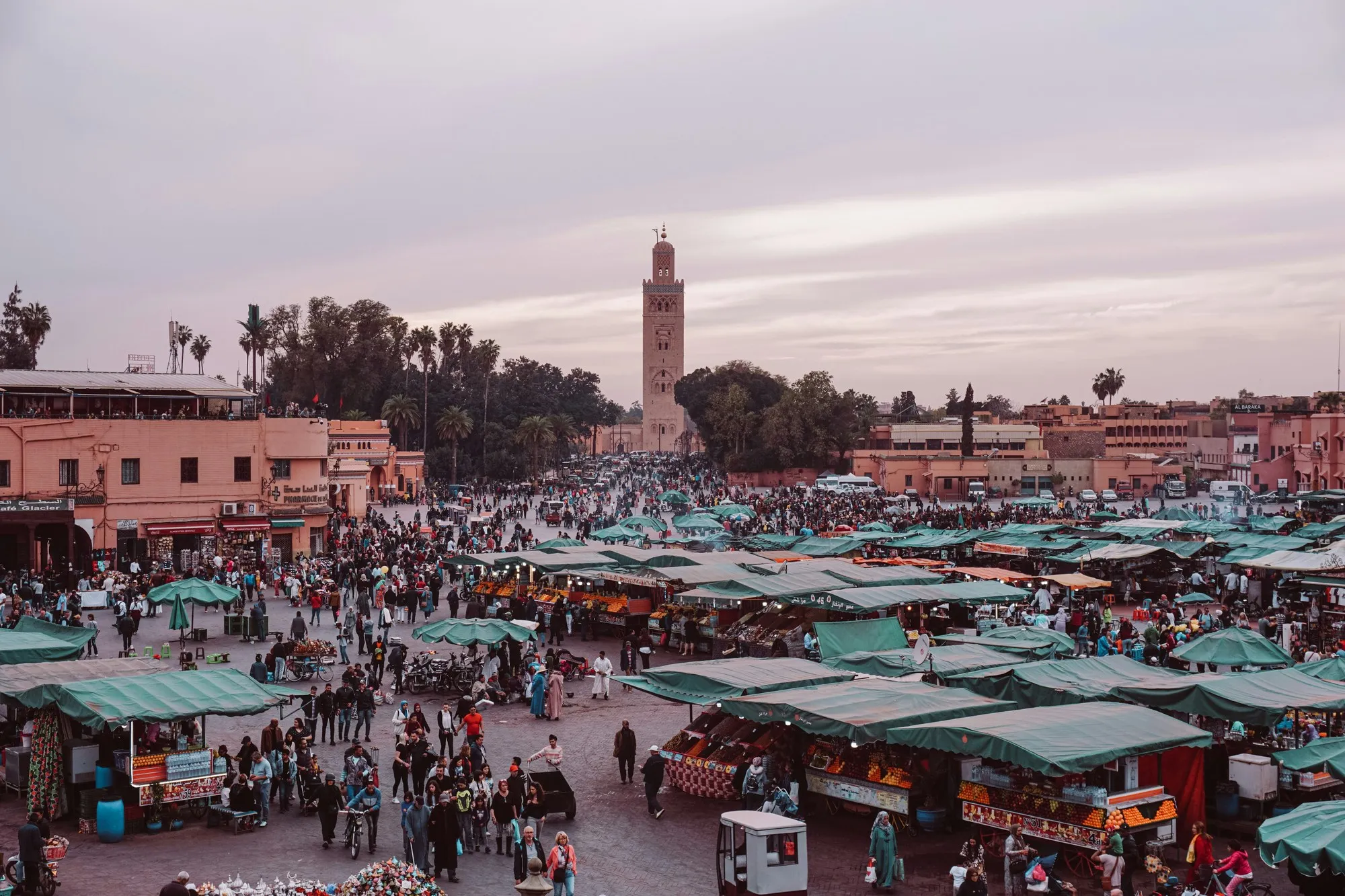
The first tan rule: don't be a "white bread"
Sellers are excellent psychologists and physiognomists. If you only arrived yesterday and your skin is whiter than office paper, the price for you automatically doubles (or even quintuples). To the shopkeeper, you are a "fresh" tourist who isn't yet familiar with the local currency and doesn't know the real value of that embossed teapot.
Tip: Go for major purchases on the 3rd-4th day of your vacation, when a sea tan has already "stuck" to your face. This is an important signal: you've been here a while, you've learned the prices, and it will be difficult to trick you. If you've just managed to buy tickets to Istanbul on Kupi.com and immediately rushed to the Grand Bazaar, at least try not to look lost – hide your guidebook and put on sunglasses. A leisurely stroll and a bored expression are your best friends.
One-man show
Haggling at a market in Marrakech or Cairo is pure theater, where everyone has a role. Never show that you desperately need an item. As soon as the seller notices a sparkle in your eyes at the sight of "that very" leather bag – that's it, the battle is lost, there will be no discount.
How to do it: Lazily sort through the goods, sigh, point out a "crooked seam" or "wrong shade" (even if the item is perfect). When you hear the initial price, make startled eyes, as if you've been offered to buy a share in an oil company, not a plate. Put your hand to your heart, shake your head, and name a price three times lower. The seller will dramatically express indignation, appeal to your conscience, and mention his hungry children. Don't be alarmed – this is an obligatory part of the show that everyone goes through who books tickets for the Saint Petersburg – Hurghada route for profitable shopping. This is not a conflict; it's a dialogue.
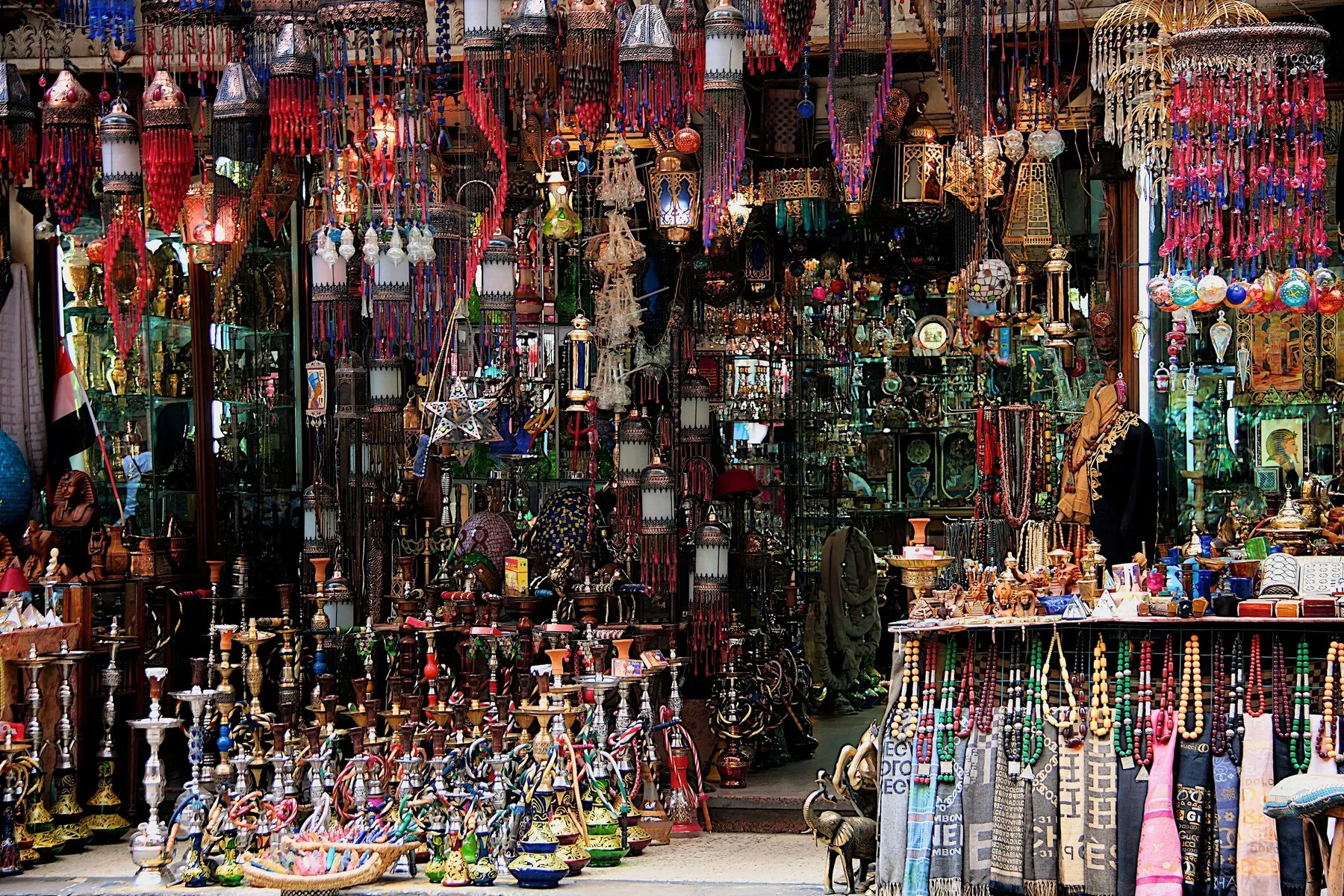
The "Leaving Customer" Method
This is the most powerful and foolproof technique in an experienced traveler's arsenal. It should be used when negotiations have reached a stalemate: you're sticking to your price, and the seller has only "dropped" a couple of liras or dirhams and swears that's his limit.
What will happen: simply thank them politely, wish them good sales, and slowly (this is important!) head towards the exit of the shop. In 90% of cases, you'll hear the coveted phrase from behind you: "Hey, friend, alright! Take it for your price!" The magic works because losing a real customer is a bad omen for an Eastern merchant. If they don't chase after you, it means you truly named a price below cost. In that case, you can just go into the next shop and start the show again, already knowing the real price threshold.
The "Good Cop, Bad Cop" Tourist Game
If you're traveling as a couple or a group, use teamwork. This is a classic that works flawlessly in bazaars. One of you should play the role of the "eager buyer," while the other acts as the "greedy and grumpy companion" who pulls you towards the exit, grumbling that "it's cheaper at home" and it's time for lunch anyway.
Result: The seller will start trying to convince the "grumpy" partner, offering discounts to keep the "eager" one. In this situation, the psychological pressure shifts from you to the seller – now he needs to prove to your group that the deal is beneficial.
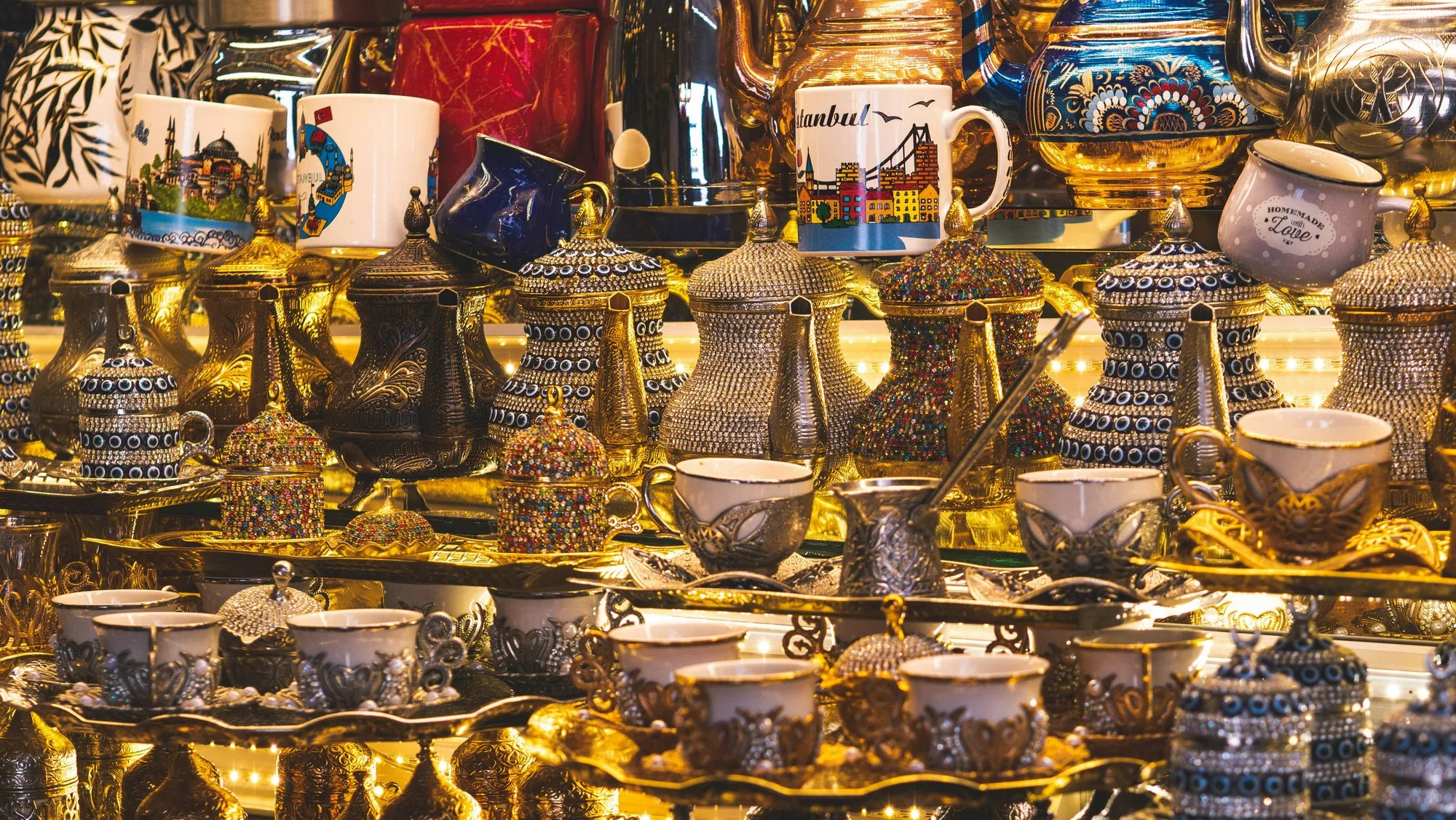
The Magic of Cash and the "Last Hundred"
Cards are convenient, but in an Eastern bazaar, a terminal is the enemy of a discount. A seller will always be more willing to lower the price if they see actual cash.
Clever move: Divide your budget. Keep the main amount deep in your pocket, and in your wallet or front pocket, leave exactly the amount you're willing to pay for the item. When haggling reaches its peak, pull out this money and show an empty wallet: "Friend, this is all I have left, honestly! Either we take it for this amount, or I'm going for a shawarma." The sight of crisp banknotes in hand often makes the seller give in.
Peculiarities of the National Discount Hunt
In Turkey, focus on leather, sweets, and textiles. Rituals are loved here: if you're offered a tulip-shaped glass of tea, don't refuse; it's a great opportunity to strike up a conversation. Tea doesn't obligate you to buy, but it transforms you from "just a tourist" into a pleasant conversationalist, to whom it would be a sin not to give a discount. Remember the "evening haggling rule": before closing time (around 9:00-10:00 PM), sellers often become more amenable to make the "last cash" of the day.
In Egypt, haggle for oils, spices, and cotton. The main rule is to beware of the phrase "It’s a gift!" (Это подарок). Remember: in tourist areas, there are no "just because" gifts. Any souvenir placed in your hands is the start of a transaction. Smile, joke, but firmly stick to your price.
In Morocco, in the medina (old city), you can encounter the toughest haggling in the world, but excitement is key here. If you haggle sluggishly, a Moroccan might simply lose interest in you. Show that you appreciate their goods but know their value. For carpets or leather goods, the price can be brought down by 4-5 times, but be patient – the process can take half an hour. If you don't want the stress, look for state-run shops (Ensemble Artisanal) with fixed prices.
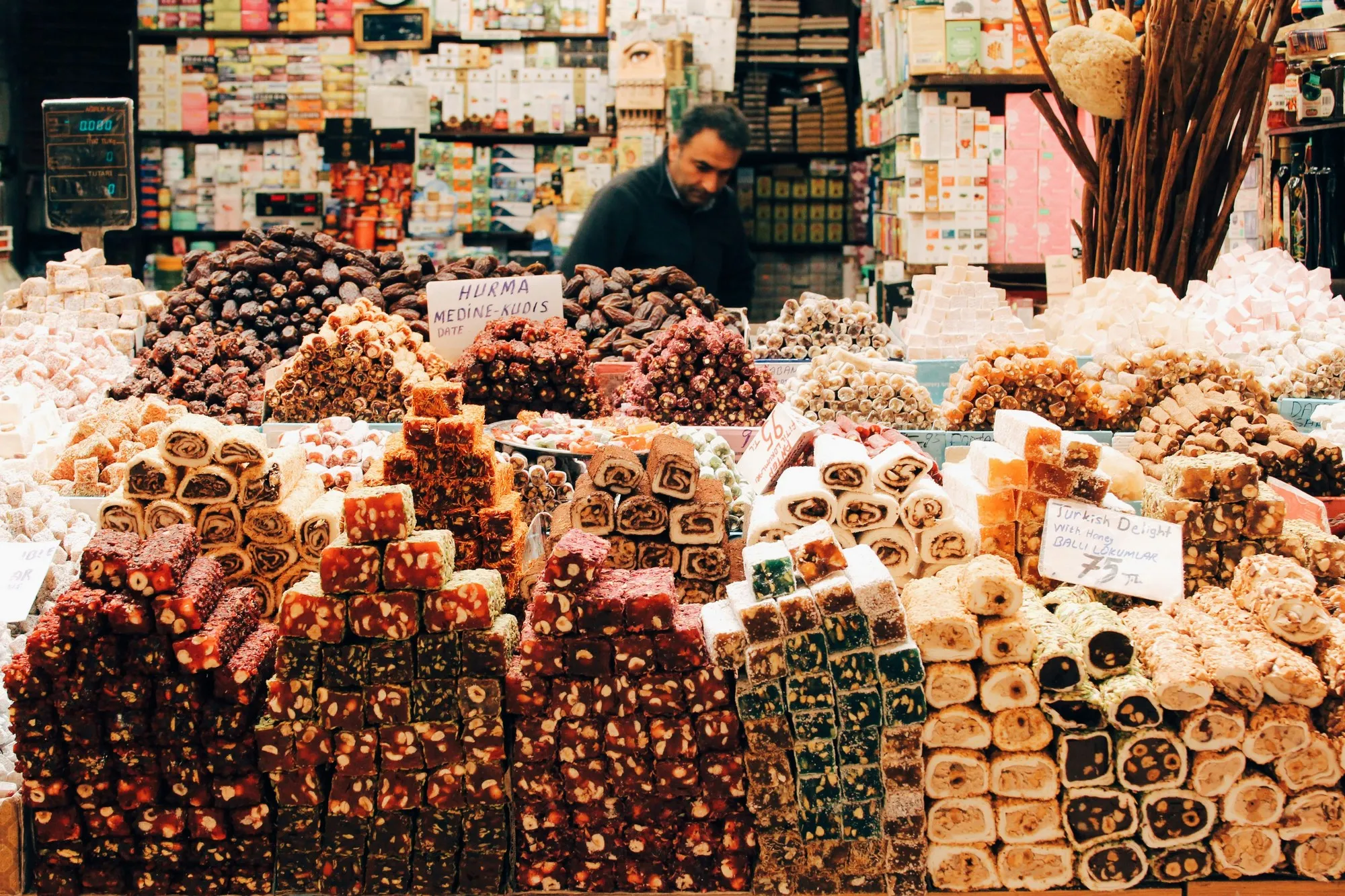
Checklist for successful shopping
- Small change. Always carry cash in local currency. Change from a large bill can "suddenly" run out in the seller's pocket exactly at the moment of the deal.
- Smile and irony. Aggression doesn't work. The image of a friendly, but very frugal expert works.
- A few words in the local language. Learn "Shukran" (Arabic for "thank you") or "Teşekkür ederim" (Turkish for "thank you") – this will immediately raise your status in the shopkeeper's eyes. If the price seems exorbitant, confidently say "Çok pahalı" (Turkish for "very expensive") or "Ghalia awi" (Egyptian for "too expensive").