How to start traveling solo?
Traveling solo comes with a lot of fears and prejudices: you'll get lost, get sick, won't understand the local language, and generally, locals will immediately dislike you. And ultimately, it's just more fun with company — no argument there!
Don't give in to stereotypes: if you travel alone, there are a million advantages. And perhaps it's even better than arguing with companions about where to go for breakfast or if a museum is worth spending several hours in line for. We'll tell you how to start traveling the world solo and what to do if you encounter difficulties on your trip.
Why travel solo
- You get to know yourself better. In everyday life, we constantly rely on loved ones. You might live with a partner, wake up early, and adjust to their work schedule, but secretly want something completely different. For example, sleeping until noon and working hard at night. Travel is a great way to explore your desires and habits. And, of course, to get enough sleep!
- You challenge yourself. While traveling, it's easier to do things you've never done before. For example, walk on a rope bridge, visit a water park, or take a ski lesson. And no one will judge you or try to talk you out of it. Let your imagination run wild and do bold things.
- You are independent. This means you can do what interests you: visit places you want to see, not your friends, dine in cafes you like, take a million selfies, go to bed when you want, instead of dragging yourself to a party. Or vice versa — dance until morning.
- You organize your leisure time. When traveling alone, everything depends solely on you: you buy tickets on Kupi.com, choose transport, arrange with guides, get lost and find your way. This is much cooler than giving the choice to friends with whom you have different interests and needs. Someone wants to hang out all day at vintage flea markets, while someone else dreams of standing in line for three hours at a gallery to admire French Impressionism. No attempts to find a compromise or explain why your option is better — wherever you decide, that's where you'll go, complete freedom.
- You interact more with your destination. Wandering through the ruins of an old city alone, with just your camera, is a wonderful experience. You delve deeper into the history and beauty of the place, rather than listening to your companion's stories about their work. Bliss!
On Kupi.com, we wrote about the coolest places, where to go for a solo vacation.
What if I get lost
This is a rare situation: getting lost to the point of being hard to find yourself is only likely if you travel alone into a forest. Or to an uninhabited island. Or into a desert without a guide.
If you're going to, say, Kazan or Istanbul, it's simple: most likely, you just won't get lost. Anywhere you go, there will be someone who can tell you the way or contact a service that can help you. Don't underestimate Google Maps, which can easily plot your route — just keep your phone charged and carry a power bank. A regular paper map is also a must-have. These are sold in most tourist information centers, and sometimes they are given out for free.
Important: download offline maps to your smartphone in case you lose internet access.
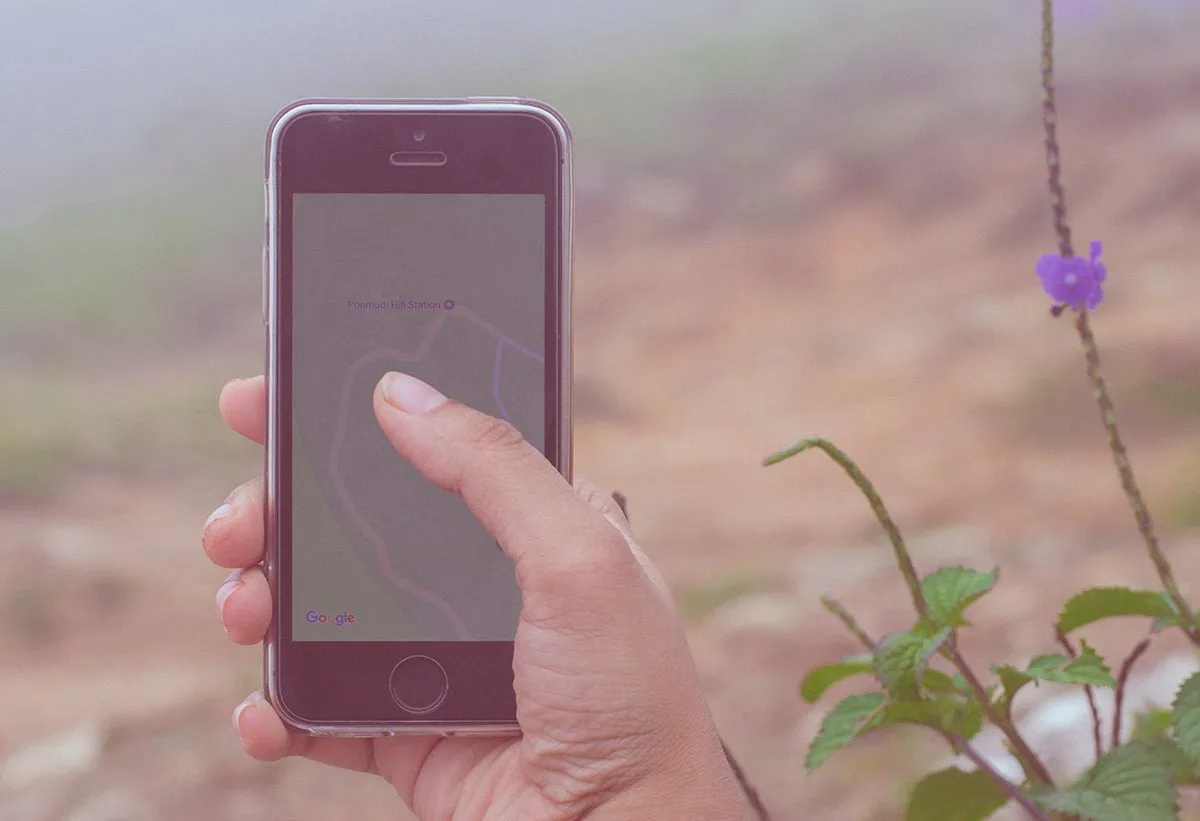
Getting lost is a basic human fear, based on the fear of the unknown and self-doubt. It haunts you if you are not confident, often rely on a partner, or are afraid to step out of your comfort zone.
Don't be afraid to ask people for directions. If you don't want to bother passersby, go into a cafe or shop and ask for help. We are sure: you'll be surprised how many people will want to help you.
We've prepared a small checklist of what to do if you still manage to get lost in an unfamiliar city:
- Don't panic and check your smartphone's battery. If the percentage is close to zero, it's okay: you'll just have to switch from Google Maps to direct communication.
- Find out your current address: look at signs on nearby buildings, or the name of the bus stop.
- Find a place with available Wi-Fi. This could be a cafe, a train station, or a shopping mall.
- Ask for help. Ideal options are police officers, store security guards, staff in small shops who aren't busy, families with young children, elderly people.
- Find a taxi stand and tell them the address of your hotel or any other place you know.
I don't speak the local language: what to do?
This is definitely not a problem in the modern world! You have a smartphone: it's a universal tool that will help you navigate a country where an unknown language is spoken.
To explain to a driver where to go, you'll need to show your hotel reservation or memorize the name of the desired location beforehand. In shops, museums, and other tourist spots, vendors often speak basic English, but non-verbal sign language and showing the desired object on your phone screen are also good alternatives.
In many cities, especially large ones, there are tourist information centers or tour agencies whose staff speak popular European languages. They can advise you on which transport to choose, where to go, and which excursions to book.
If you're not great with languages and the country is exotic, book group tours. Often this is cheaper than organizing the trip yourself, and other advantages include having a guide, transfers, accommodation, and a well-planned itinerary for each day.
I can't talk to strangers
Yes, it's not easy for introverts when traveling, but you won't need to constantly socialize with everyone. While traveling, you mostly talk to people in two situations: if you're looking for company for an activity or if you need help. If you're bored and want to find a companion for an excursion or concert, just take the first step. Locals are often positively disposed towards foreigners. Most likely, they'll want to get to know you and share experiences.
Our advice: start a conversation with a compliment to set the mood right away. Then, after a few minutes of small talk, offer to have the person join you. Even if you can't arrange something immediately, you might be able to exchange numbers and plan a joint visit for another day.
If you need help, fear will only get in the way. Shyness won't help you get to your hotel, buy medicine at a pharmacy, or choose the right size clothing. Don't be afraid to speak first: try it once, and it will get easier.
I'm afraid I won't be able to organize everything
The advantage of traveling solo is that everything is in your hands. This means you'll have a plan, all your routes, and an understanding of where to go and how to get to the desired attraction. You just need to take care of everything in advance.
Here are some tips on how to travel solo and organize your trip independently:
- Ahead of time, create a maximum plan of all must-visit places. It's better not to make it somewhere and plan to do it next time, than to be scrambling for Wi-Fi in the city center, trying to figure out where to go, and wasting time searching. Tip: instead of printed tourist guides, watch a few vlogs from locals who talk about life in the city. You're sure to find some unconventional locations for yourself.
- Book accommodation on a trusted website. It's best to correspond or call the apartment owner or hotel administrator in advance to ensure there's no fraud. Anything can happen! And just in case, write down a few other nearby hotel options: if anything goes wrong, you'll have a backup.
- Read about the area where you'll be staying. For example, there might be a large cluster of churches nearby; in that case, don't be surprised if there are many pilgrims on the street and you're woken up by church bells in the mornings. Or the area might have a higher crime rate: you'll have to keep your wallet close and take a taxi to your hotel.
- Don't take too many things with you. This might seem counterintuitive — it feels like if you're going to another country for two weeks, you need to stock up on everything necessary. But often, tourists bring a whole library of books they plan to read in the evenings, only for them to go unused because there's simply no time for reading. Keep in mind that travel is not your usual life at home. Here, the conditions are different, the routine is different: you get more tired, sleep a lot, and recover your strength. However, do take proper care with clothing suitable for the right season: it's better to bring an extra jacket than to spend money in stores because your outfits don't match the weather.
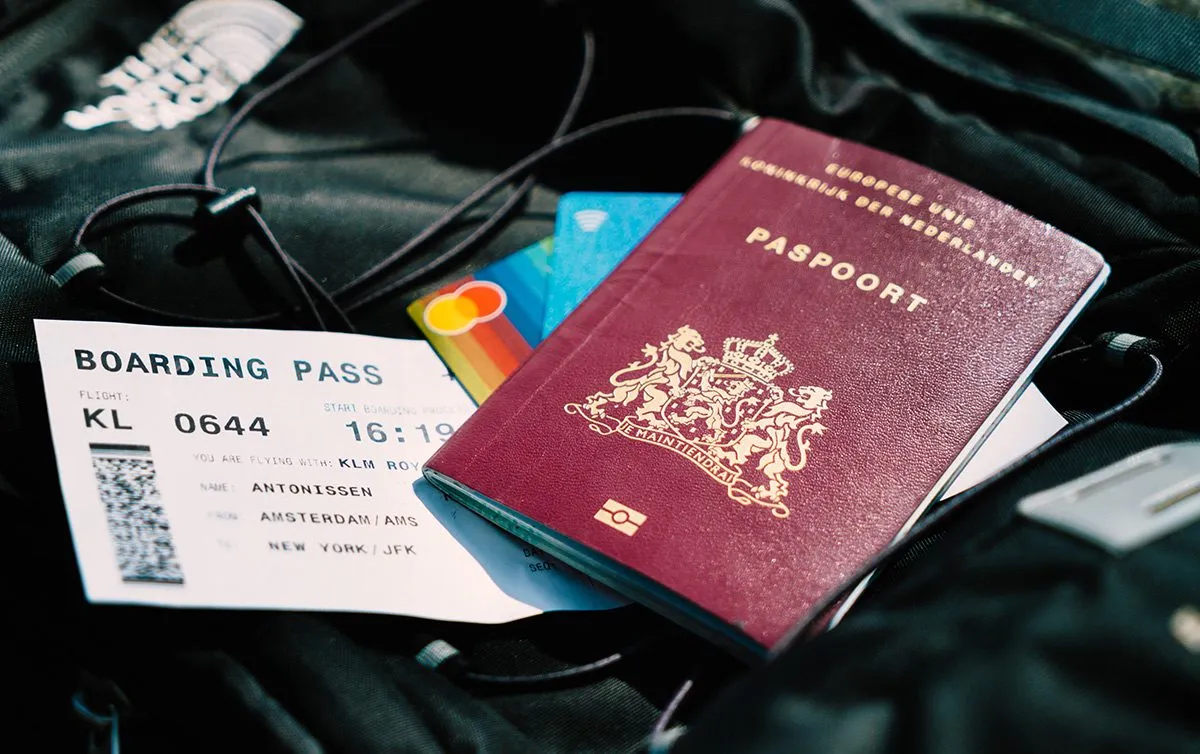
- Make copies of your passport, visas, tickets, and itineraries before you leave: both electronic and printed. And send electronic copies of documents to your email or private messages on social networks to ensure you have access to them. Even if your phone is stolen, you'll be able to download the files from another device: for example, from the hotel administrator's laptop.
- Store valuables in the hotel safe. And don't carry all your cash in your bag. The less money you carry with you, the better.
- Follow your heart! Yes, you understood correctly: don't try to organize absolutely everything. That way, you'll lose the main pleasure of the trip — the feeling of adventure, new discoveries, and unpredictability. Instead of a taxi or bus, walk to the museum — look around, notice interesting places, adjust your plans.
Read more tips on Kupi.com about how to travel independently.
How to travel solo if you're a woman
No gender stereotypes: traveling solo as a woman is wonderful. However, a solo trip can cause many fears for women. Here are some of them:
— fear of being alone in male company;
— fear of experiencing violence in an unfamiliar country;
— fear of not fitting into local traditions (in many Eastern countries, there are specific requirements for female tourists);
— fear of being robbed.
Don't panic: we'll now tell you how to keep yourself safe and prepare for your trip so everything goes smoothly.
- Share accommodation with other women. One option: find women on social media who are also planning a trip and suggest renting an apartment together. Or join a volunteer project — and live on a farm or in a hostel where you won't be scared, as there will be other people around to support you if something goes wrong.
- Study the traditions of the country you're visiting. Is tipping customary? If so, how much? Is bargaining in shops acceptable, or is it bad manners? Can you wear short shorts if it's hot, or will you be fined for it?
- Talk to locals. When you arrive in the city, ask the hotel administrator or a nearby shop owner which areas to avoid, where the best places to buy groceries are, and which transport is safe to use.
- Don't listen to others. Even if your boyfriend is sure you can't manage alone, and your parents are overly worried. You'll succeed, because you want it, so go, girl!