How Tourism Changed After the Pandemic
 Yasya
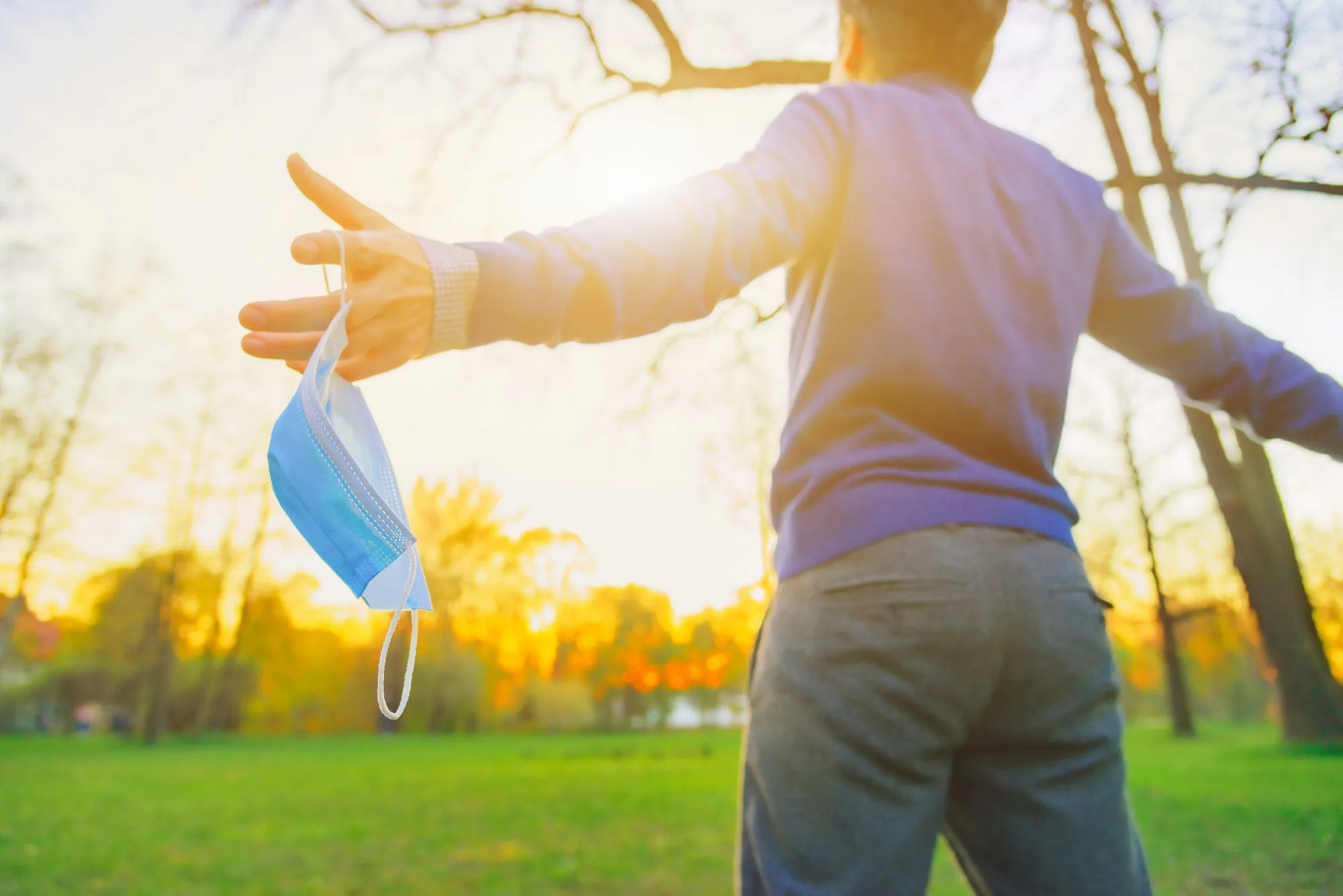
YasyaRemember 2020? That time when everyone wore masks, set QR codes with vaccination certificates as phone wallpapers, and held parties via Zoom? The very coronavirus pandemic that put travel on hold. Five years later, we can look back and see how COVID-19 affected the tourism market. That's what we'll do!
Growth of Domestic Tourism
"You can't live on foreign destinations alone," tour operators realized after the pandemic. And tourists themselves discovered that you can change your surroundings without leaving your home country. For example, in 2023, the number of trips within Russia was 78 million, and in 2024 – already 92! According to the Association of Tour Operators, in 2024, 48% of all sold tours were to the Krasnodar Krai.
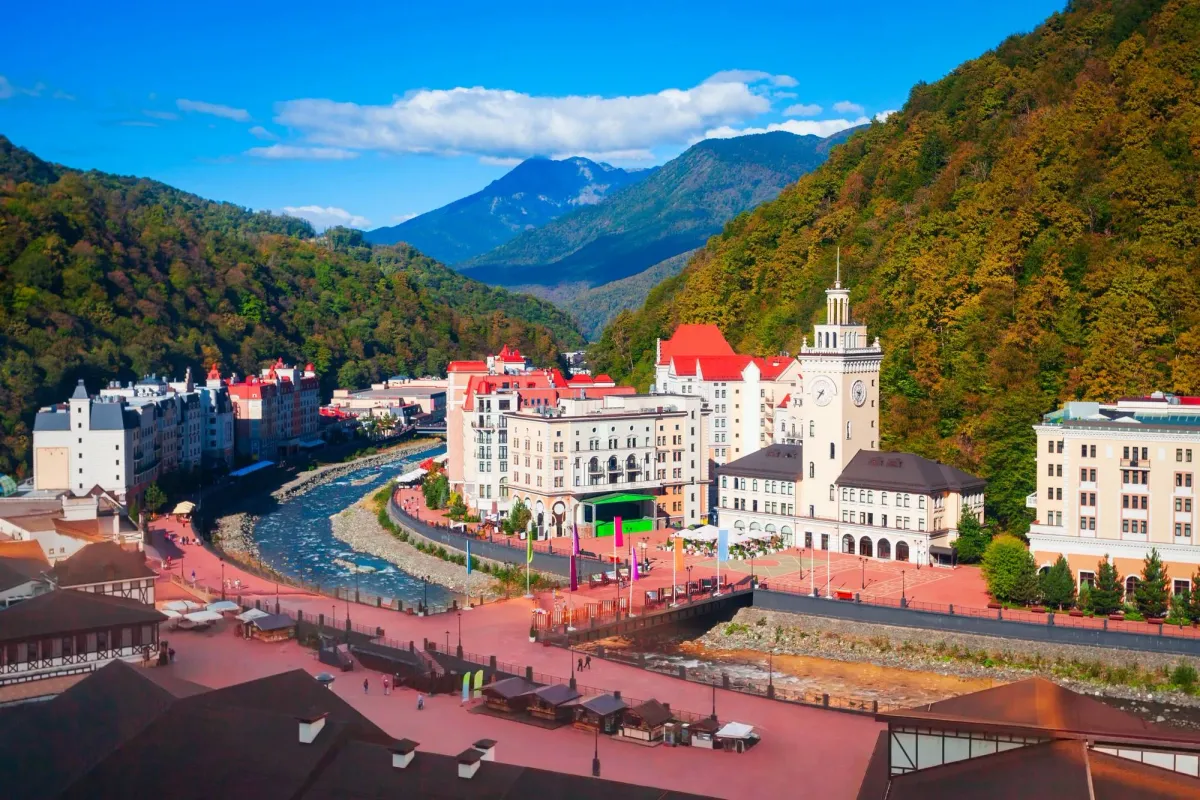
Domestic tourism is a global trend: American Express reports that in 2025, 74% of respondents plan to take one to three domestic trips, while 59% will opt for international travel. Therefore, going to Kamchatka or seeing the Northern Lights in Teriberka is now more popular than posting photos from Lake Como.
Turn to the East
The industry has recovered after the COVID stagnation. Thus, the number of foreign trips by Russians in 2024 increased by 15.4% compared to 2023. Globally, the picture is also positive: in 2019, 1.5 billion international tourist trips were made, and in 2024, almost as many – 1.4 billion.
France, Spain, the USA, and China are still among the top visited countries. However, the most impressive growth in arrivals is seen in countries of the Middle East and Eastern Europe: Qatar (+141% compared to 2019), Albania (+77%), Saudi Arabia (+61%). Among the best in terms of revenue were Serbia (+99%), Pakistan (+64%), and Romania (+61%).
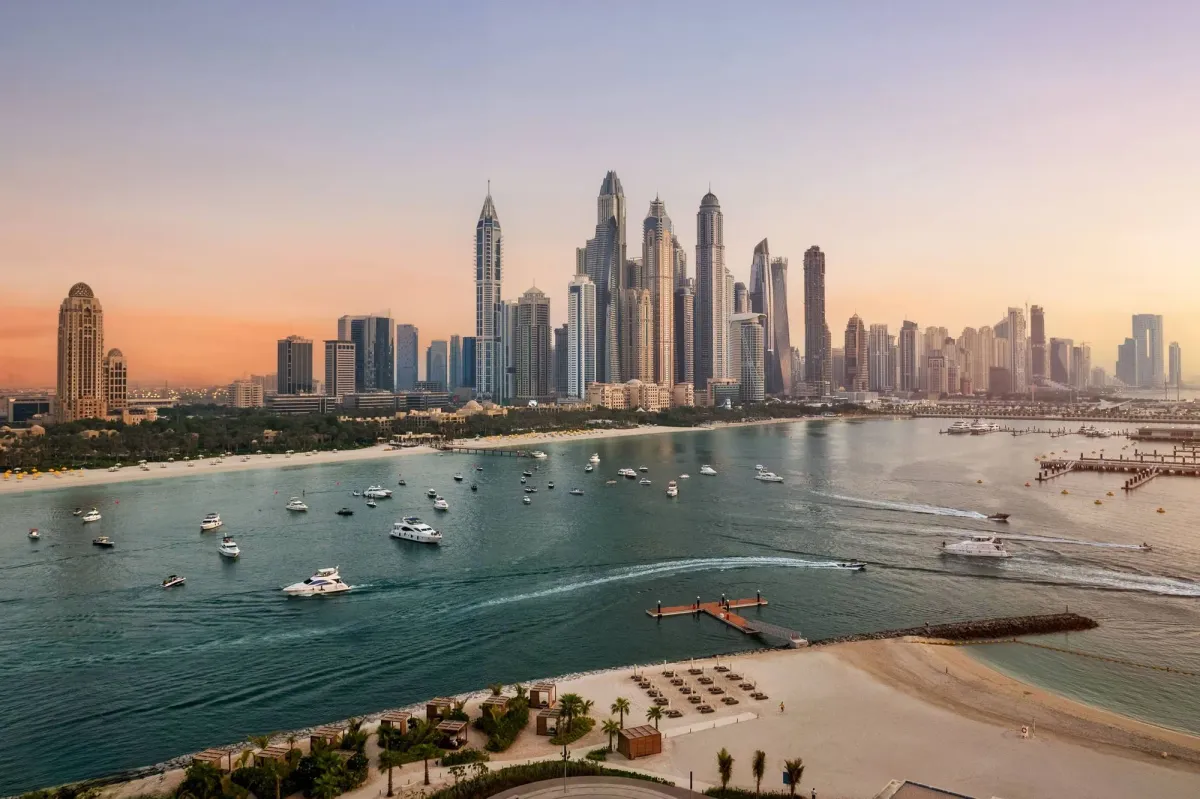
We also look more to the East, but for our own reasons. Expectedly, Turkey became the leader in the number of foreign tourist trips by Russians in 2024, followed by the UAE, China, and Thailand. All of this fits the query "where to travel from Russia without a visa".
Remote Work
The coronavirus sent many to remote work. The flexibility of this work format and digital nomad visas began to blur the line between business trips and vacations. This is how the term bleisure emerged, from English business and leisure. After all, if you can work from anywhere in the world, why stay at home? This trend allows people to discover new countries and cities without pausing their careers, and to lead a lifestyle where productivity and relaxation coexist seamlessly. Many countries also liked this approach, as remote employees who arrive for an extended period contribute to the local economy.
Shorter Trips
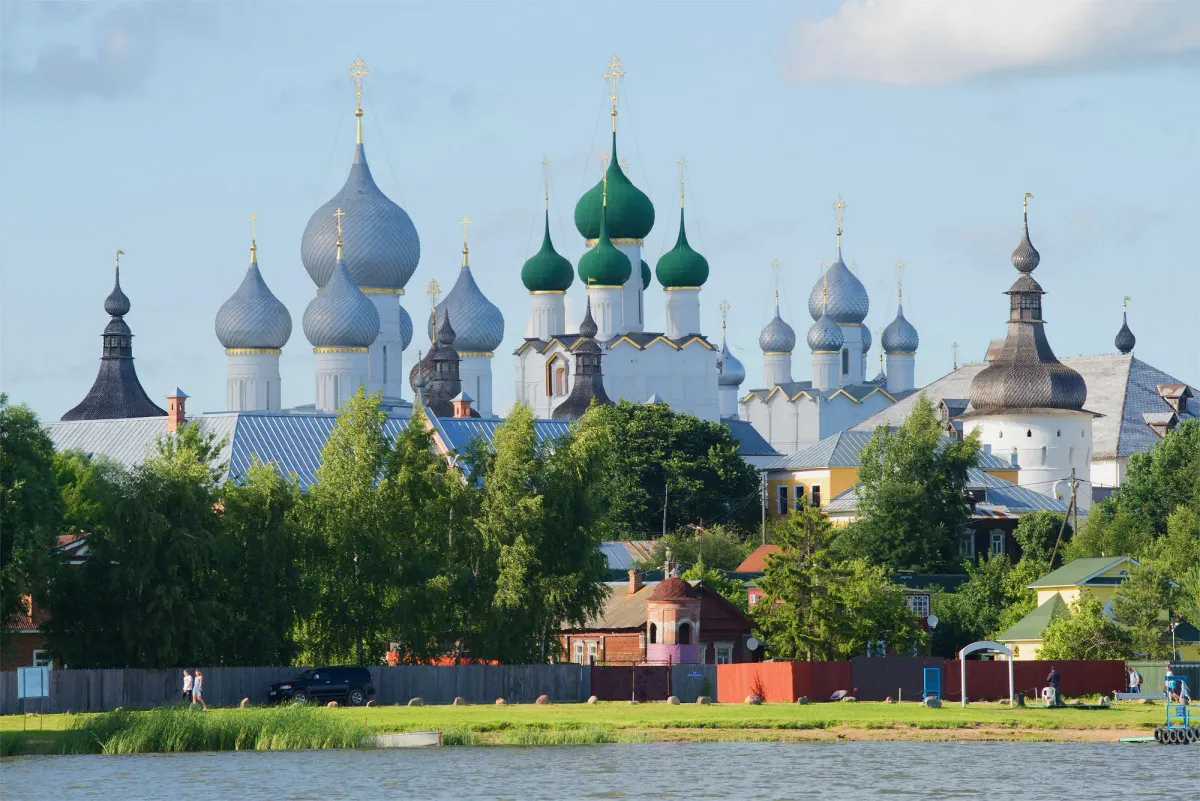
The duration of vacations has also shifted towards shorter breaks for safety and travel cost reasons. Tourists more often choose secluded places rather than large all-inclusive hotels. The demand for "weekend tours" has also grown, where Saturday and Sunday are enough for a trip. The cities of the Golden Ring distinguished themselves in this regard; for example, in 2024, travelers visited Rostov Veliky twice as often.
Alternative Routes
Immediately after the pandemic, many felt a desire for revenge. The concept of "revenge travel" even appeared in Western media. Everyone rushed to make up for lost time. And as is known, 80% of travelers visit 10% of the most popular tourist destinations. As a result, you literally have to stand in line to take a photo in front of the Eiffel Tower or listen to how tired Barcelona residents are of tourists.
Travelers found an original way out of the situation – so-called "alternative routes." Social networks played their role here. Bloggers have a huge influence on their audience, especially Generation Z, including showing them little-known places worth visiting. Less publicized cities offer tranquility and natural beauty without inflated prices. So instead of Dubrovnik, you can go to Split, and instead of Florence, to Bologna.
Authenticity
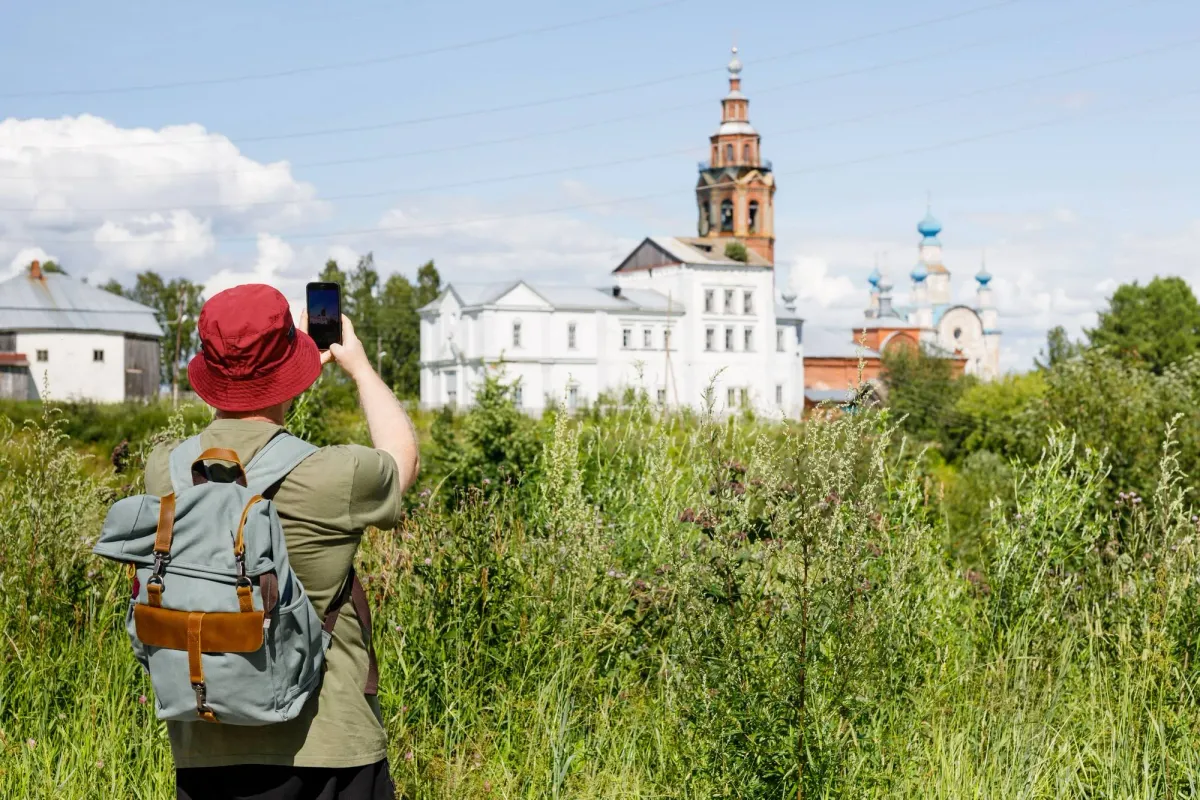
This point follows from the previous one. Tourists began to look more closely at maps and ask, "what's cool here?" to make their trip truly unique. Small towns in the region and local attractions are now trendy. People want to enjoy the tranquility and authenticity of a place not affected by mass tourism. Unhurried journeys and stories from locals turned out to be much more pleasant than a superficial tour of world-famous museums.
Wellness Tourism
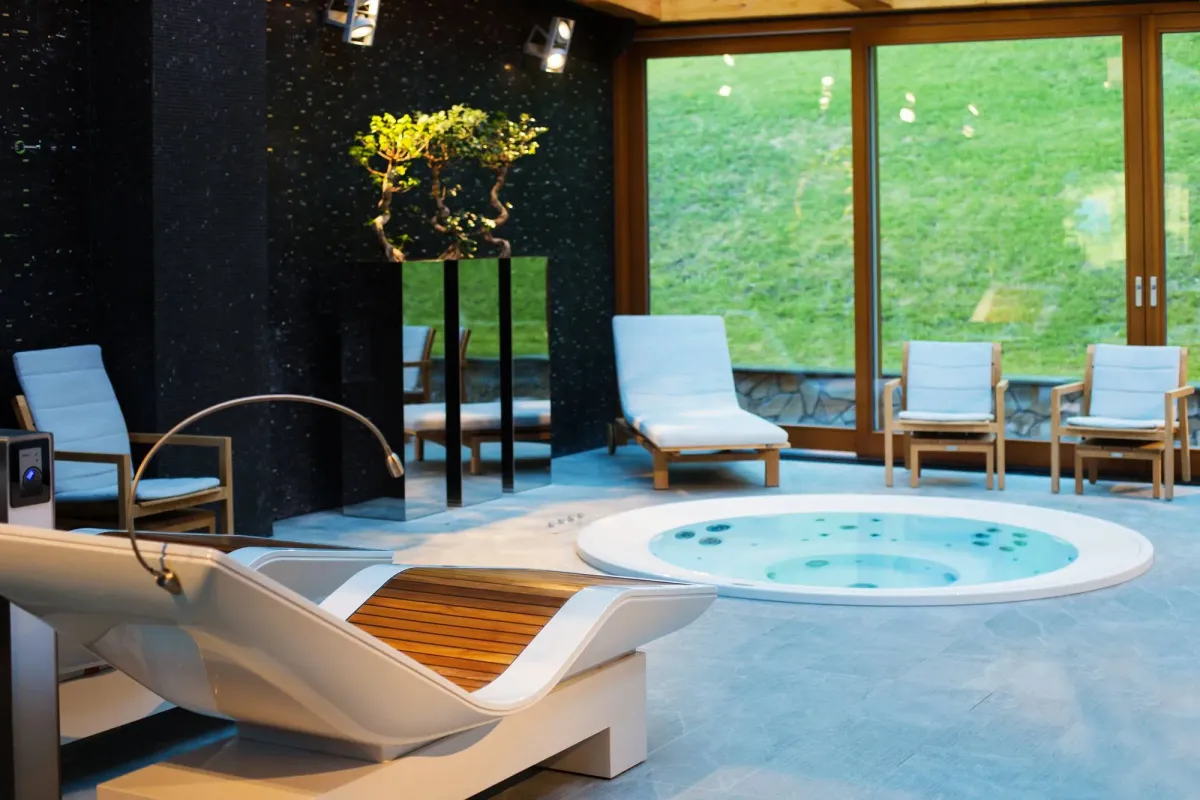
COVID showed how fragile our health can be. It's no surprise that self-care sharply broke into tourism trends. Now, people want to make travel not only exciting but also beneficial. This led to an increased demand for wellness tours. The global wellness tourism industry reached $720 billion in 2019, then decreased by 51% in 2020, and by 2023, it had already grown to $868 billion.
Sanatorium and Spa Resort Holidays
Those for whom massages and masks in wellness centers seemed insufficient took their health more seriously. And they went to sanatoriums. In 2023, a quarter more such tours were sold than in the previous year. Among the leaders in Russia are the resorts of the Caucasian Mineral Waters: Pyatigorsk, Zheleznovodsk, Essentuki, Kislovodsk.
Use of AI
When the world went remote, services that simplify our lives came to the forefront. NFC payments, contactless delivery, and chatbots became commonplace. The tourism sector also bet on neural networks. Now they help airlines, tour operators, and applications communicate with their audience, while tourists build routes using ChatGPT and DeepSeek. AI adjusts plans based on unforeseen changes, such as flight delays and weather conditions, and suggests alternative entertainment or the best nearby restaurants. However, one should not rely entirely on artificial intelligence: its suggestions often contain errors and inaccurate data.
Thanks to the pandemic for these changes, but even more thanks for it being over. And we can travel again. So hurry up and get your tickets!