Is it true that more and more people are giving up flights?
 Yasya
YasyaSince 2021, railway traffic in Russia has begun to outpace air traffic. This trend continued in 2024. Periodically, “scary” assumptions circulate in the media that people will soon stop using airplanes altogether. We decided to find out why people generally prefer car and train travel over air travel.

Why do people refuse to fly?
Aerophobia
Often, “I don't want to fly” means “I'm afraid to fly.” According to various sources, the fear of flying affects 15 to 40% of the adult population. Women are more likely to suffer from aerophobia symptoms than men. Moreover, in 60% of cases, the fear of flying is accompanied by other fears – of water, confined spaces, and so on. The main symptoms of aerophobia are anxiety and worry before a flight, panic attacks, sweating, dizziness, and nausea. However, like any other phobia, this disorder also has its own gradation. We discussed in the blog more about how to prepare for your first flight and not be afraid.
Ticket Prices
Cheap airline tickets are still one of the most sought-after requests among travelers. And it's understandable: experts predict ticket price increases, warn about it, and regularly record it. Airplanes remain the most expensive mode of transport, and this factor deters many. Fortunately, you have kupi.com – a service for ticket loopholes, and if you act in advance and thoughtfully, you can always fly on vacation cheaply.
However, the trend for short trips, for example, to a neighboring city, is gaining popularity. You don't need to take a whole vacation for them – a regular weekend is enough. Train tickets will easily fit into a given budget, and the effect of a change of scenery will still be felt.
Dislike of Security Checks
You need to arrive at the airport in advance. Then go through metal detectors. Stand in line for check-in. Then go through security again. And stand in line again. Tedious, wouldn't you agree? This prospect deters some passengers. Of course, there are also security measures at train stations, but they are usually much less strict.
Noise from Children
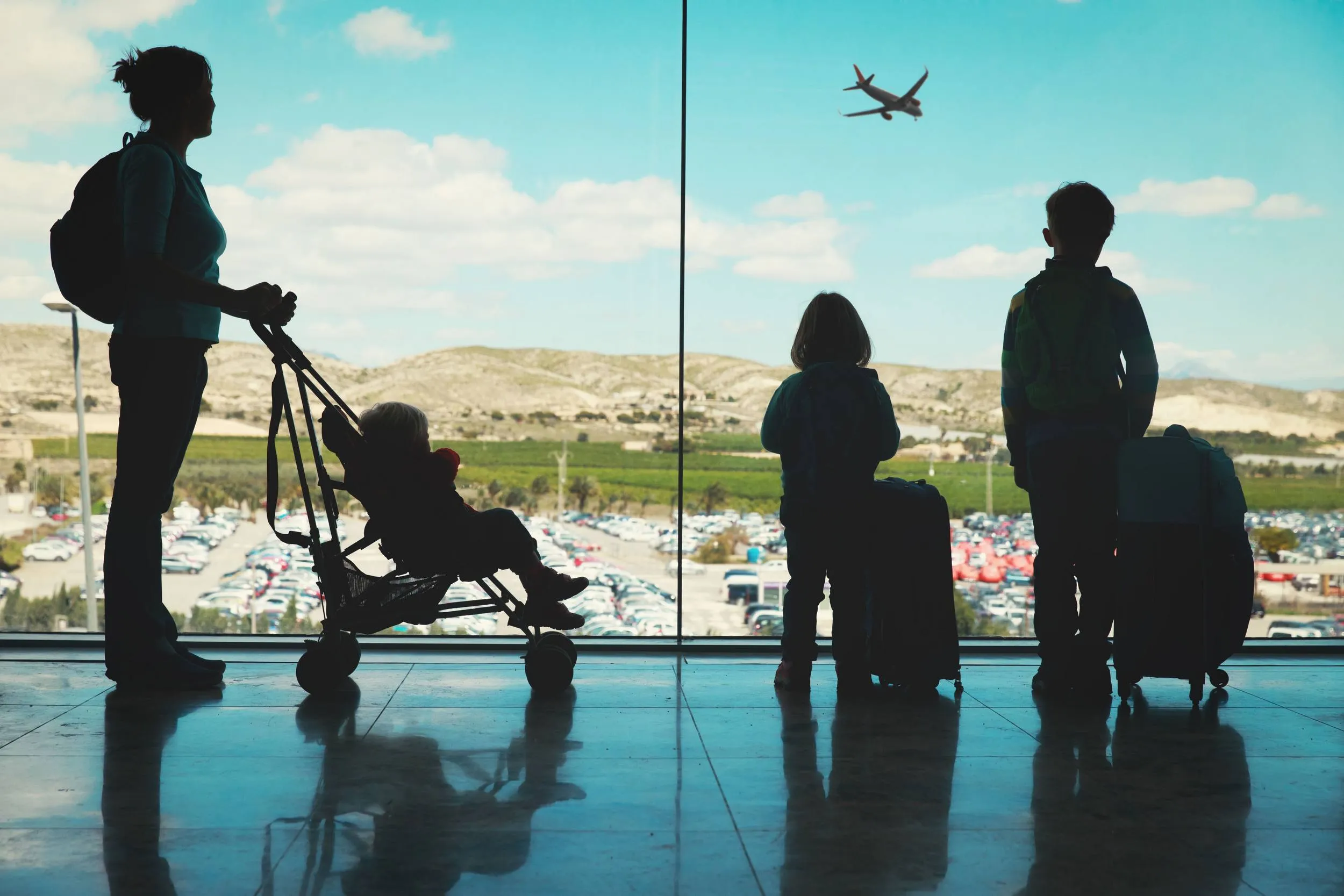
Ears hurt from pressure changes, a terrifying engine hums nearby, there are many people around, running is forbidden, nothing is allowed! So children cry. And passengers around suffer, because there's nowhere to go once the plane has taken off. It's a different story on a train – close the compartment door and enjoy a quiet journey. And children have more fun in long-distance train cars: the corridors are long, and they can climb onto the top bunk.
In the US, 8 out of 10 travelers are willing to pay more for special child-free flights. In Russia, the situation is different: only 15% are willing to pay extra for such a service.
Fear of Specific Aircraft
Some people are afraid of low-cost carriers, some have heard about cramped cabins, and in the US, for example, passengers refuse to fly on Boeing, choosing Airbus instead. It's all due to a high-profile scandal related to the company's aircraft safety. Therefore, Americans have made it a rule to check which aircraft they are offered to fly on. And if it's a Boeing, it's better to cancel the trip altogether.
Climate Change
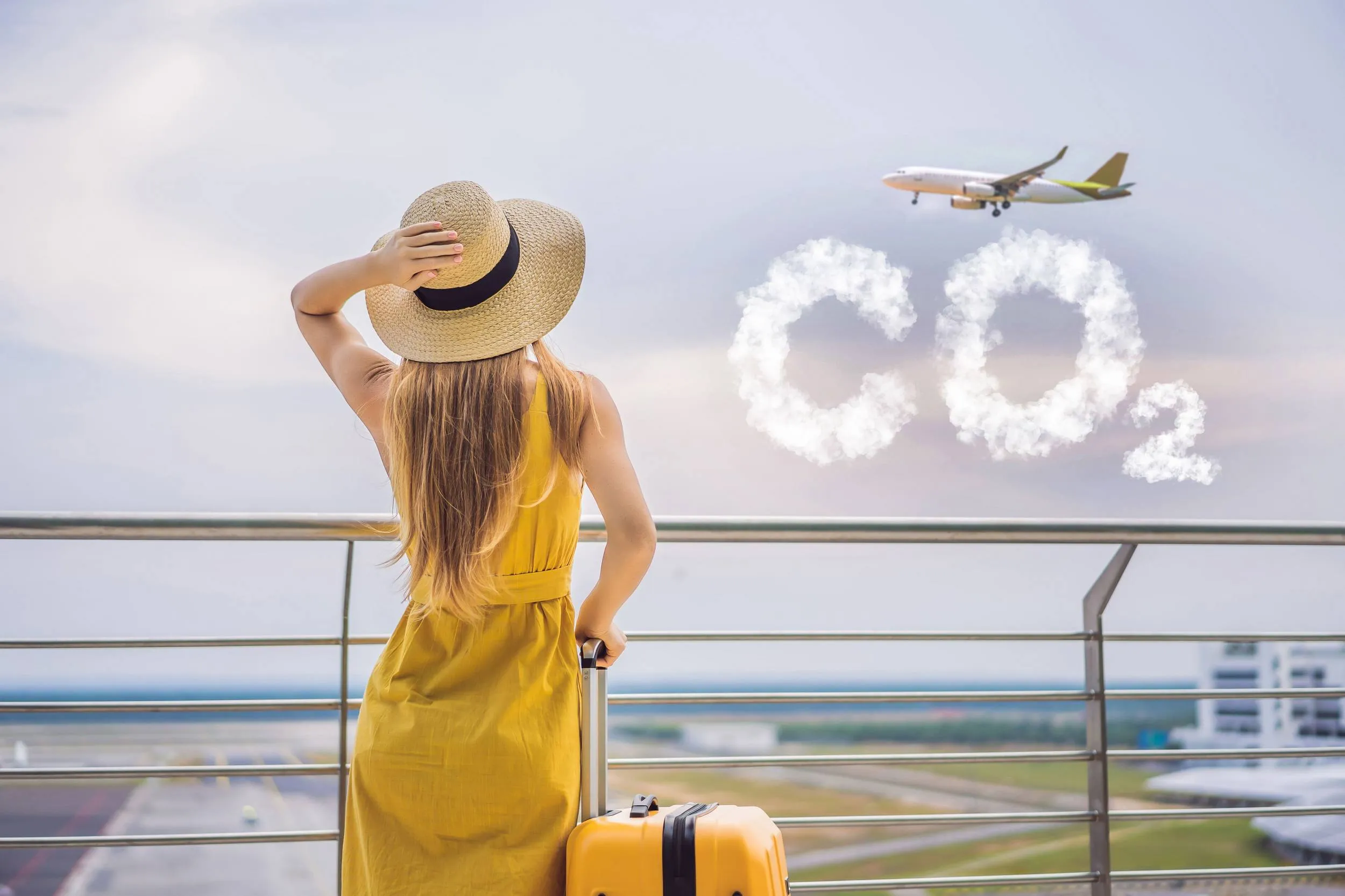
Five or six years ago, refusing flights due to carbon dioxide emissions was at its peak popularity. It even got a special name – Swedish Flygskam or our “flight shame.” The arguments of its followers are as follows:
- the last eight years on Earth have been the hottest on record.
- sea level rise is accelerating, and extreme weather events are occurring more frequently than ever.
- air travel accounts for about 4 percent of human-caused global warming.
- aircraft are becoming more efficient, but travelers' appetites are outpacing the industry's environmental achievements.
Has the movement managed to firmly establish itself in the information space? More no than yes. Recent news includes increased bans on domestic flights for employees of British companies.
All these are important reasons to choose another mode of transport (especially aerophobia). But can we talk about the impending collapse of the entire air travel system? Unlikely: in 2024 alone, domestic airlines transported 111.6 million people. This is not at all like a “total refusal of flights.”