Types of Trains and Fares for Travel in Germany
 Yasya
YasyaGermany has the largest railway network in Europe – over 33,000 km of tracks. Therefore, traveling around the country by train is an excellent idea and a convenient way to see more in one trip. This is especially important for those who dream not of a walk in Treptow Park, but of visiting a remote town, for example, Travemünde, like Dostoevsky. For such a trip, you will first need tickets to Berlin, say, with a layover in Antalya, as well as knowledge about Germany's railway system. Which is what we will discuss.
Types of Trains
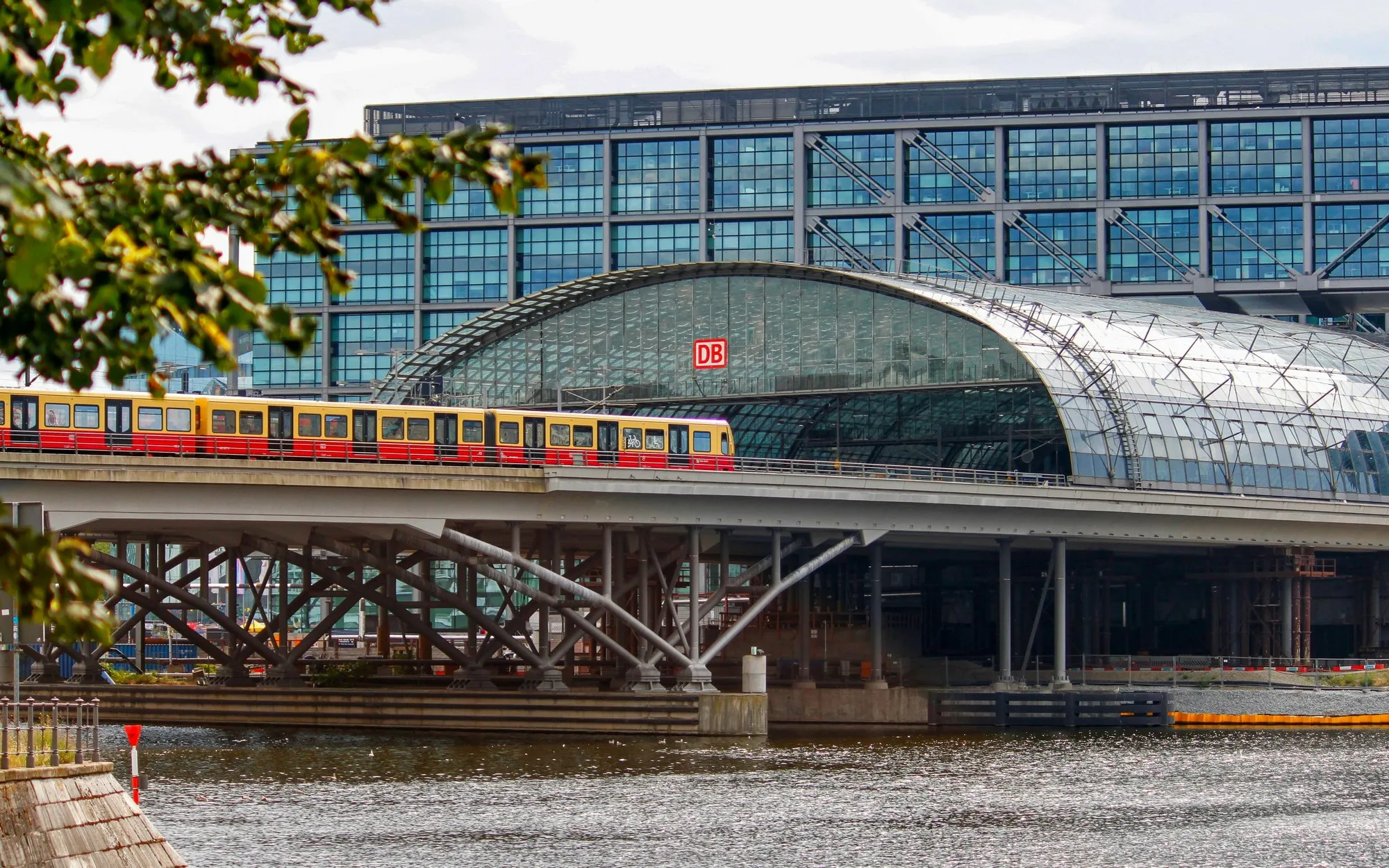
In general, German trains can be divided into two or three categories: long-distance trains, regional trains, and local trains, such as S-Bahn or U-Bahn trains. It is important to understand the difference between them, as they significantly affect travel time and cost. Germany's national railway operator is Deutsche Bahn, and we will focus specifically on its trains and fares.
Germany's Long-Distance Trains
Long-distance trains in Germany are used to connect major cities and therefore usually travel faster, but require advance booking, especially during peak periods.
These trains include:
ICE: InterCityExpress trains – luxurious high-speed trains operating between major cities and capable of reaching speeds of up to 300 km/h. ICE Sprinter trains make even fewer stops.
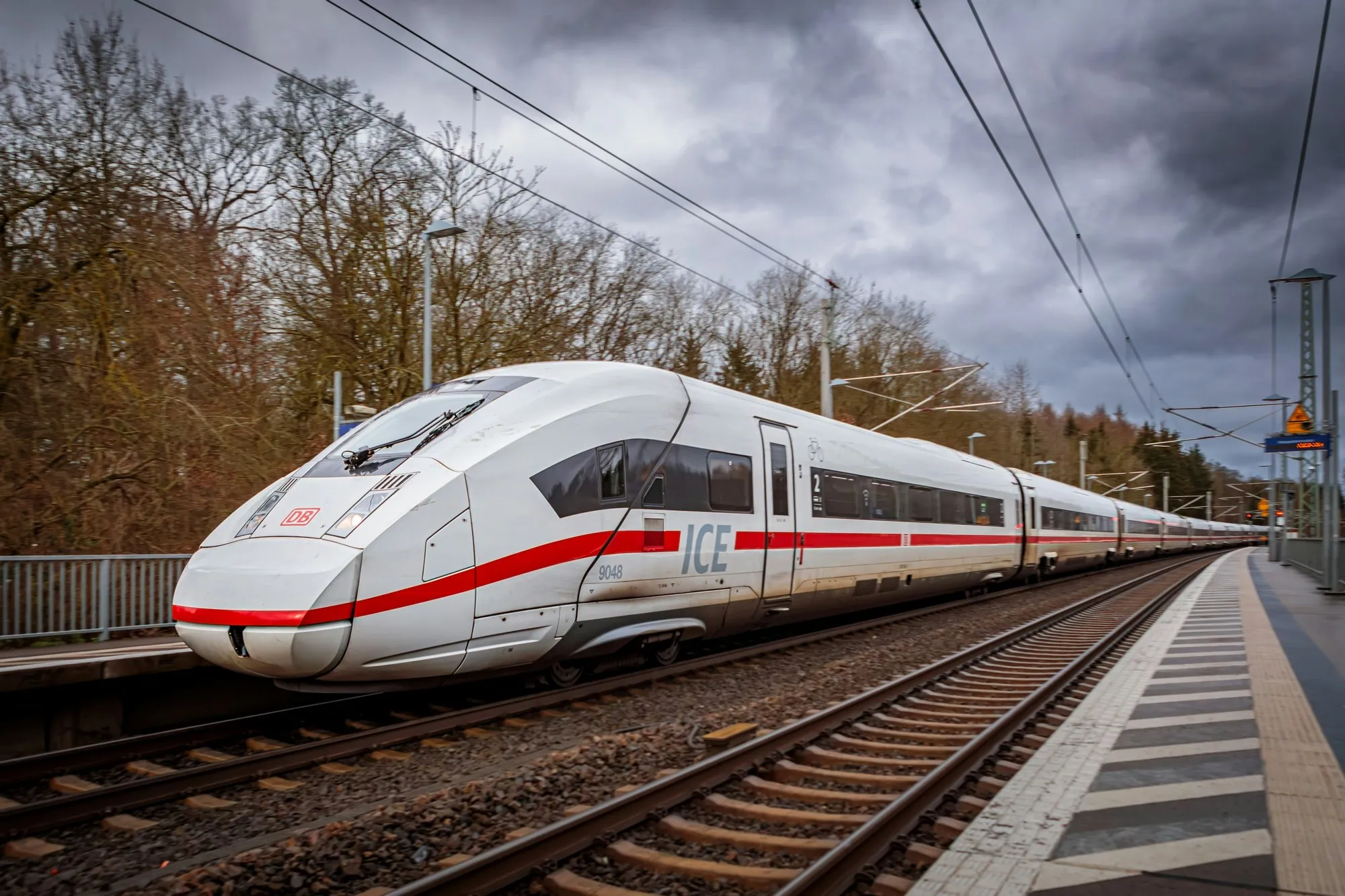
IC: intercity trains that also operate between German cities, but are on average slower than ICE trains (maximum speed around 200 km/h) and often not as new and beautiful.
EC: Eurocity trains, operating between cities in Germany and other European cities. They may differ from regular Deutsche Bahn trains, as, depending on the route, they may be operated by a railway company from another country.
CNL: City Night Line, i.e., night trains. Suitable for travelers who don't want to lose daylight hours traveling and can sleep to the sound of wheels. They include international routes, for example, Munich – Milan. They consist of three types of carriages: with seats (3+3 per carriage), couchette, and sleeping (economy and luxury).
Germany's Regional Trains
They travel shorter distances, usually within a single region. Booking and seat reservations are not possible on these trains, ticket prices are fixed, so there is no need to buy tickets on Kupi.com in advance, and a number of special offers apply to them.
These include:
IRE: Interregio-Express trains, which operate over longer distances between regions, but usually at a much lower speed than long-distance trains (and are therefore classified as regional trains when it comes to discounts).
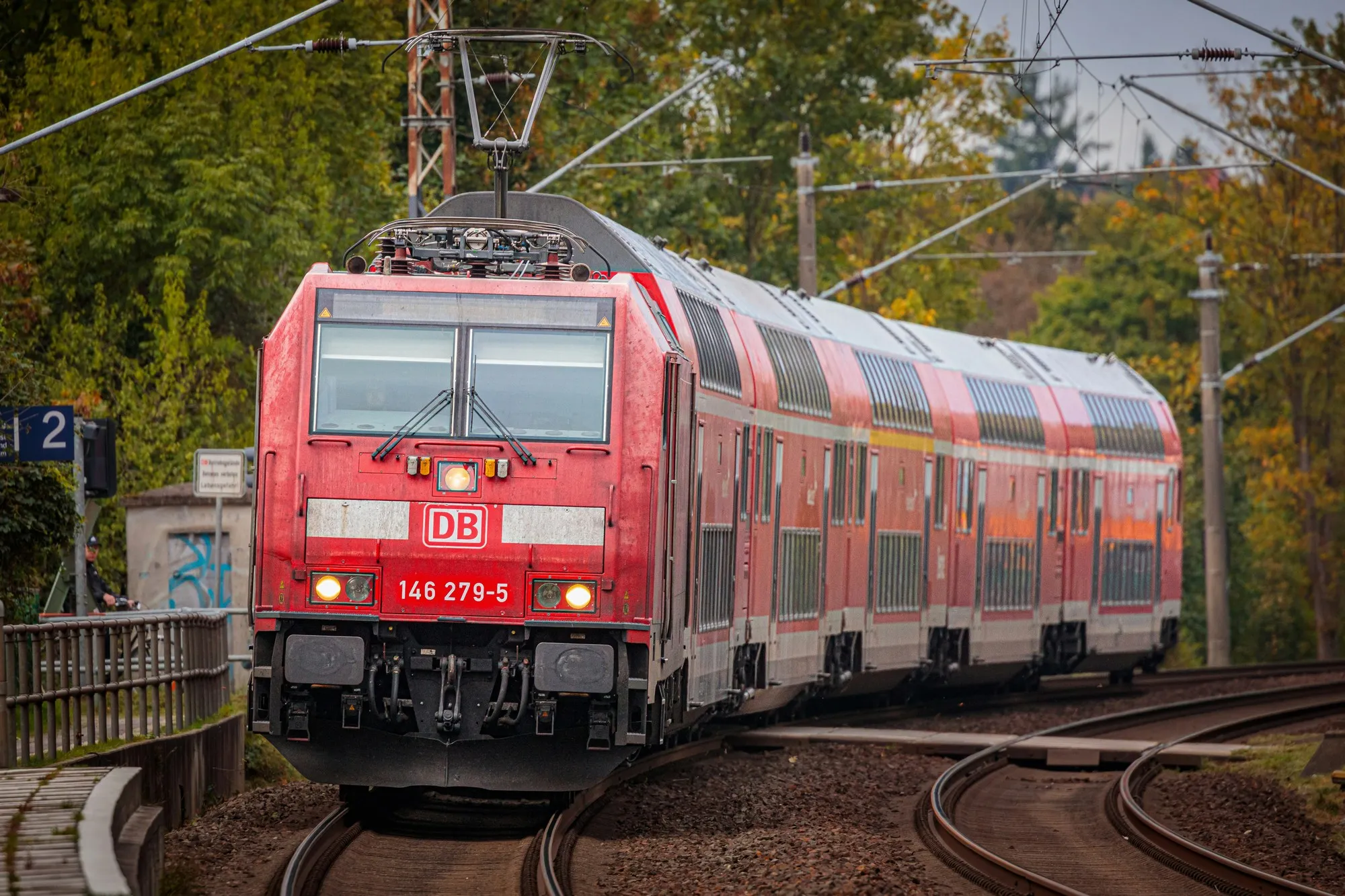
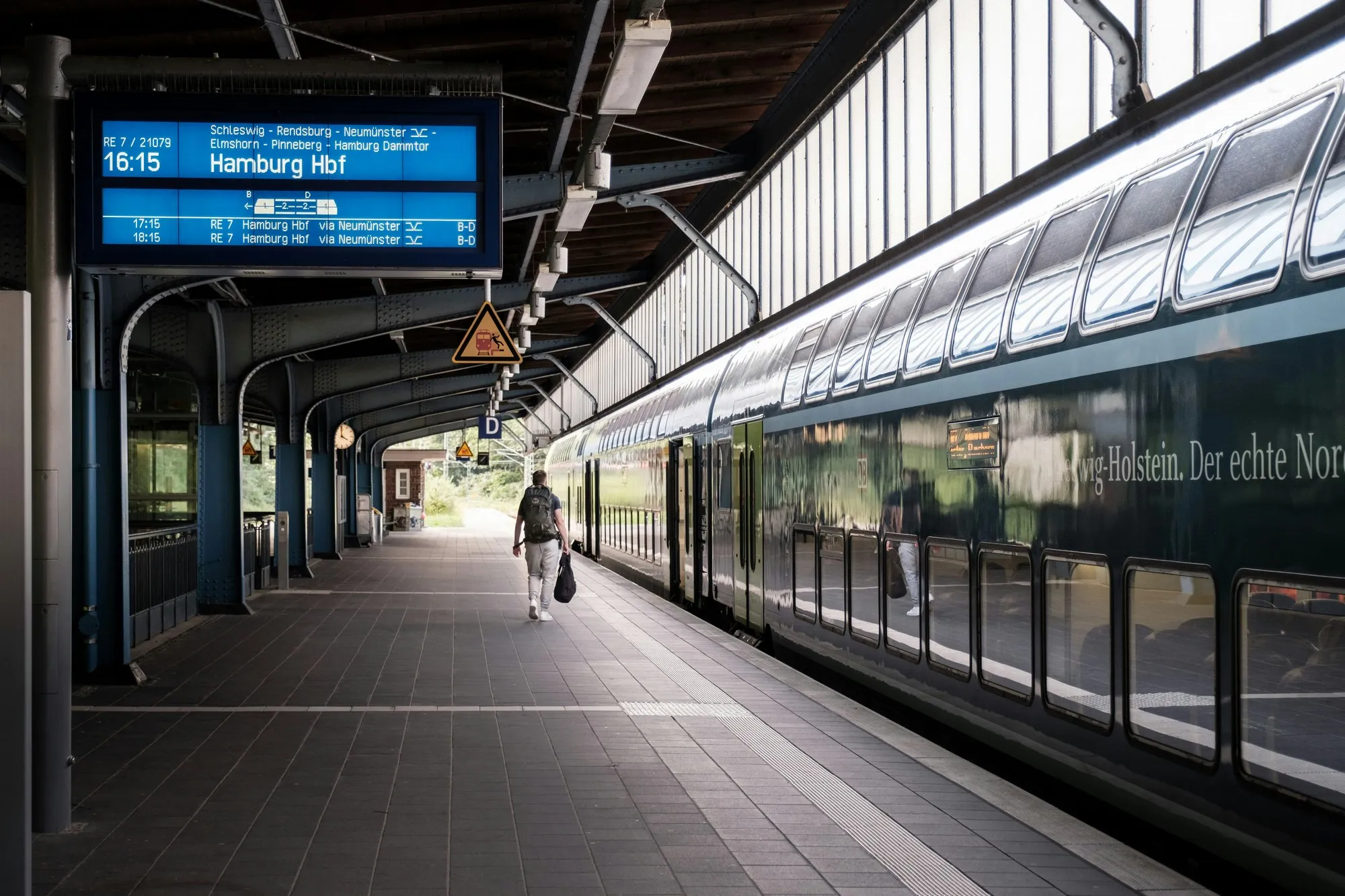
RE: regional express trains that connect destinations within one region but do not stop at every stop along the route. They reach speeds of up to 150 km/h, making them one of the most convenient and popular options for intercity travel.
RB: regional Bahn trains that connect destinations within one region and stop at every stop along a specific route.
Germany's Local Trains
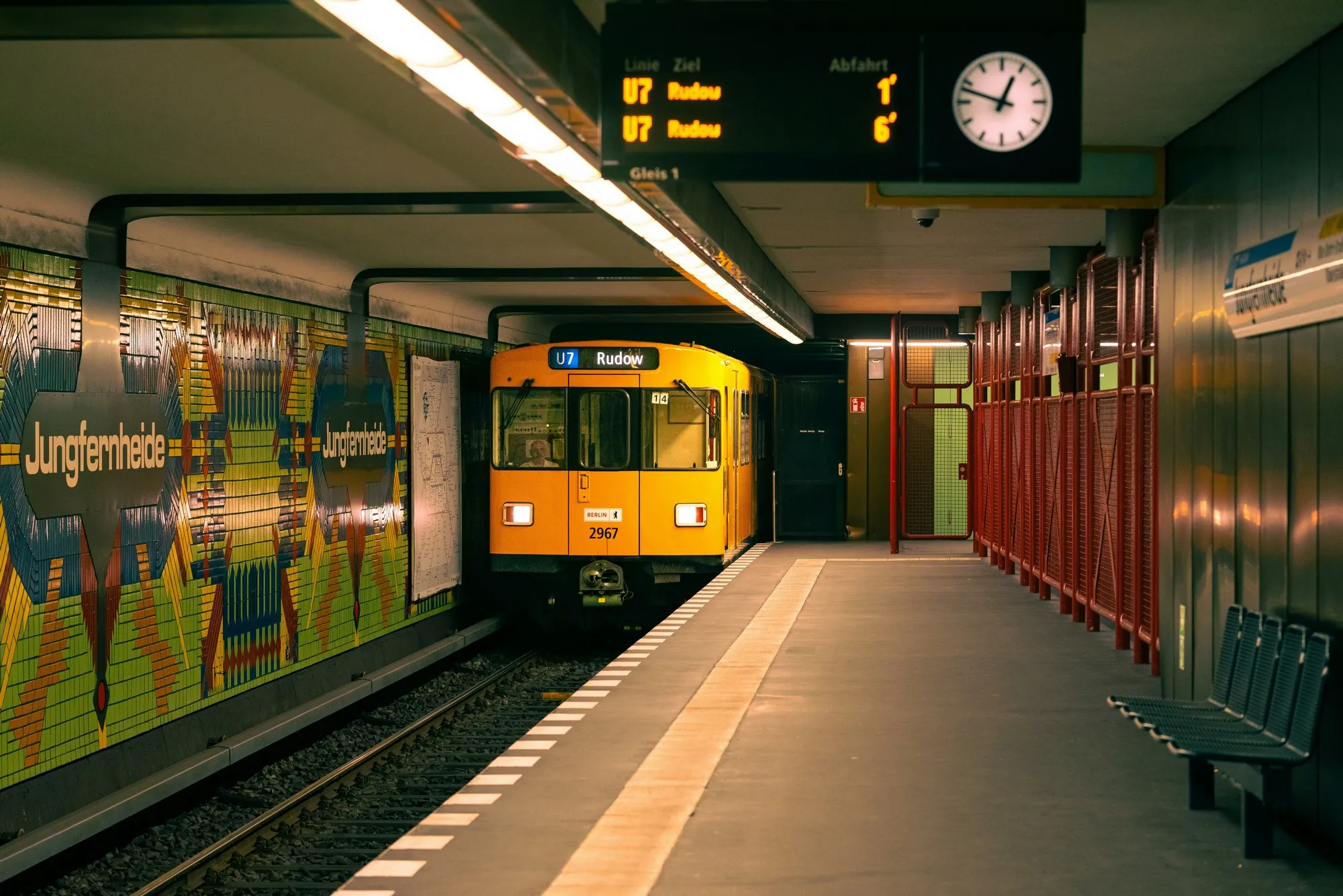
S-Bahn – essentially suburban trains connecting points within cities, airports, and the suburbs, as well as…
U-Bahn (in some cities) – a metropolitan railway, more precisely, Untergrundbahn, literally 'underground railway'. In Cologne and Düsseldorf, the U-Bahn structure includes underground tram sections.
Where to Check Schedules and Buy Tickets on Kupi.com
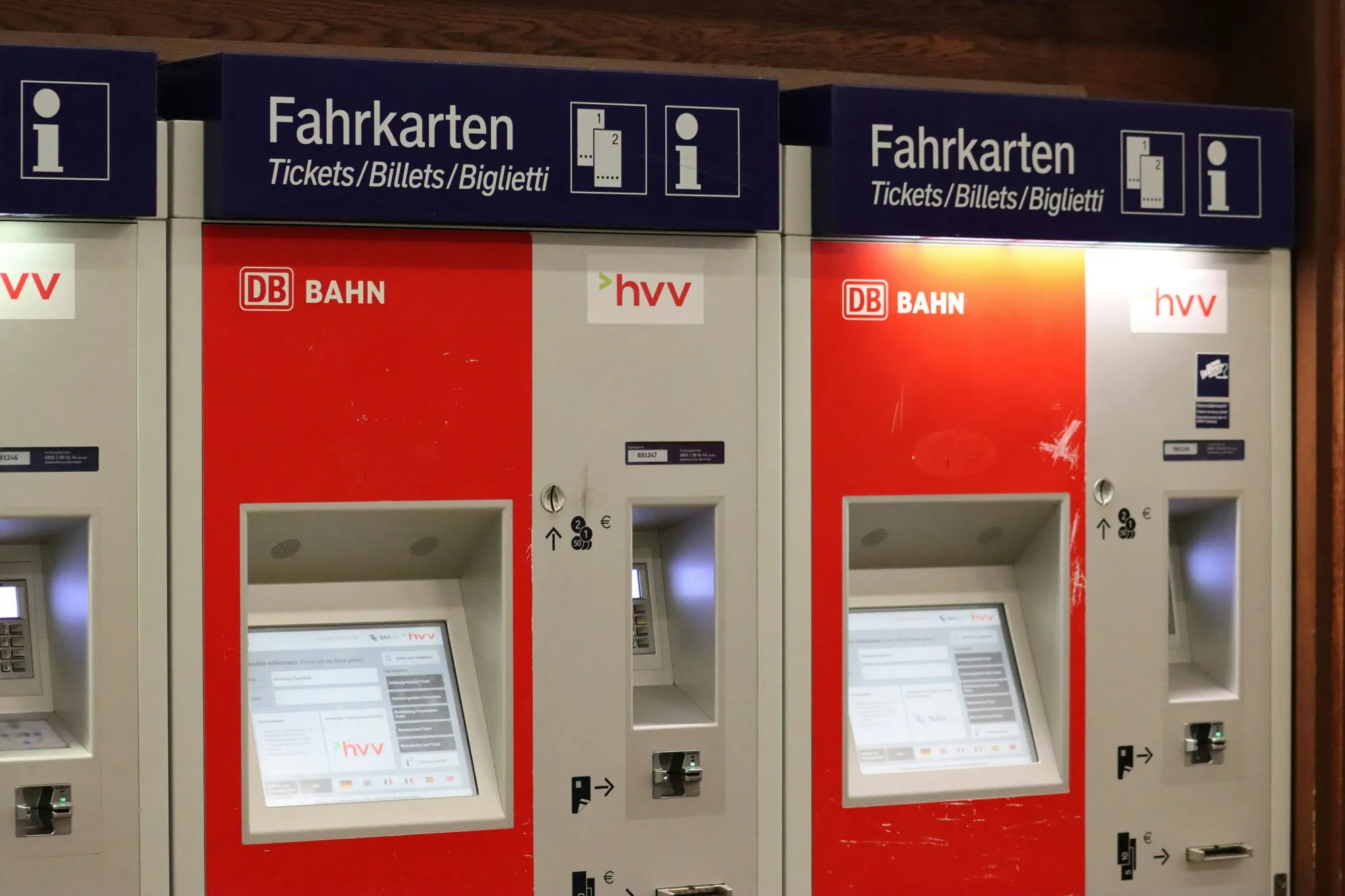
The easiest way, if you know English, is on the website of Deutsche Bahn or in the DB Navigator mobile app. International cards are accepted for payment (Visa and MasterCard issued in Russia are out of luck). The ticket must be printed or saved on your phone. Ticket machines are available at stations, accepting cards and cash. At ticket counters, you can also get advice on planning your route, but there are often queues.
Main Deutsche Bahn Fares
First, know that Deutsche Bahn offers discounts for passengers depending on their age:
- children up to 6 years old – free;
- children from 6 to 14 years old accompanied by parents or grandparents – free;
- youth from 15 to 26 years old;
- seniors from 65 years old.
To get a discount, be sure to indicate your age and the age of those traveling with you when searching for tickets. For others, the following fares are available:
Flexpreis (flexible): the most expensive fare, but it allows you to travel on any train on the day specified on the ticket. You can interrupt your journey and continue it later. The ticket can be returned before the day of travel for a full refund. The price depends on the route, booking date, and the travel date itself. For example, the price of a ticket from Berlin to Düsseldorf when purchased on the same day can reach 160 €. But if booked in advance, it starts from just 17,99 € (i.e., it can be 17.99, 29.99, 49.99, 69.99 € etc.).
Sparpreis ('economy'): a cheaper fare that requires commitment to a specific train and time. The number of such tickets is limited, so it is recommended to buy them in advance. Refunds are only possible with a fee. Such a ticket can be exchanged or canceled at a reduced rate before its first day of validity. The processing fee is 10 €. Prices start from 22 €.
Super Sparpreis (super economy): the cheapest fare, but with the strictest conditions. It is also tied to a specific train and time, and ticket refunds are not possible. This fare is available for travel on ICE/IC/EC trains. You can use local transport (e.g., RE, RB, IRE, and S-Bahn trains) to get to or from the long-distance station if you included them in your booking. Price – from 7 €.
Ländertickets ('state' tickets): tickets allowing an unlimited number of journeys within a specific federal state (e.g., Bayern Ticket for Bavaria) for one day. They are usually valid on regional trains (RE, RB, S-Bahn) and can be used by multiple passengers (up to 5 people). Price – from 24 € (e.g., in Bavaria – 32 €).
Quer-durchs-Land-Ticket ('across the country' ticket): a ticket allowing an unlimited number of journeys for one day from 09:00 on weekdays or from 00:00 on Saturdays and Sundays until 03:00 the next day on all regional and suburban trains (RE, RB, IRE, S-Bahn) throughout Germany. The first passenger pays 49 €, each subsequent passenger pays only 10 € per ticket, but no more than 5 passengers.
Deutschland-Ticket (also known as D-Ticket): a ticket with which you can freely use all types of public transport – buses, trams, and suburban trains throughout Germany (except ICE, IC/EC) for one month. It works like a transport subscription, so the payment must be canceled before the 10th of the following month. Cost – 58 €.
BahnCard (railcard): discount cards for Deutsche Bahn. Various types exist, for example, BahnCard 25 (25% discount), BahnCard 50 (50% discount), and BahnCard 100 (unlimited travel).
How to Choose a Seat on a DB Train
Seat selection is an option. You can board the train and take any available seat. On long-distance trains such as IC, ICE, and EC, you can additionally reserve a seat for a small extra fee: 5.50 € for second class or 6.90 € for first class (when purchasing such a ticket with Flexpreis, seat selection is already included in the price). Inside the carriage, on or above each seat, there is a display showing which seats are already reserved and which are free.
Other Carriers
Are there any in Germany? Yes! For example, Flixtrain, a kind of railway low-cost carrier. Daily, it operates one or more trains on the routes Berlin – Cologne – Heidelberg – Stuttgart and Cologne – Osnabrück – Hamburg. Only one class, no catering, but with low fares even when booking for immediate dates.
What Else You Need to Know About Trains in Germany
Most importantly: be prepared that the famous German punctuality does not always extend to the railways. Train delays occur quite frequently. Compared to other European countries, they are not as significant, but they might cause bewilderment for tourists from Russia.
There are no fees for baggage and no weight restrictions; you simply take it with you on the train, placing it on shelves at the end of each carriage, between seats, or overhead.
In Berlin, Bremen, Dresden, Düsseldorf, Frankfurt am Main, Frankfurt am Main Airport, Hamburg, Hanover, Cologne, Leipzig, Mannheim, Munich, Nuremberg, and Stuttgart, there are waiting lounges for passengers with Flexpreis first-class tickets. They are usually open daily from 07:00 to 21:00. In the waiting lounges, tea, coffee, soft drinks, beer, and snacks are offered free of charge.
As you can see, it's not that complicated!