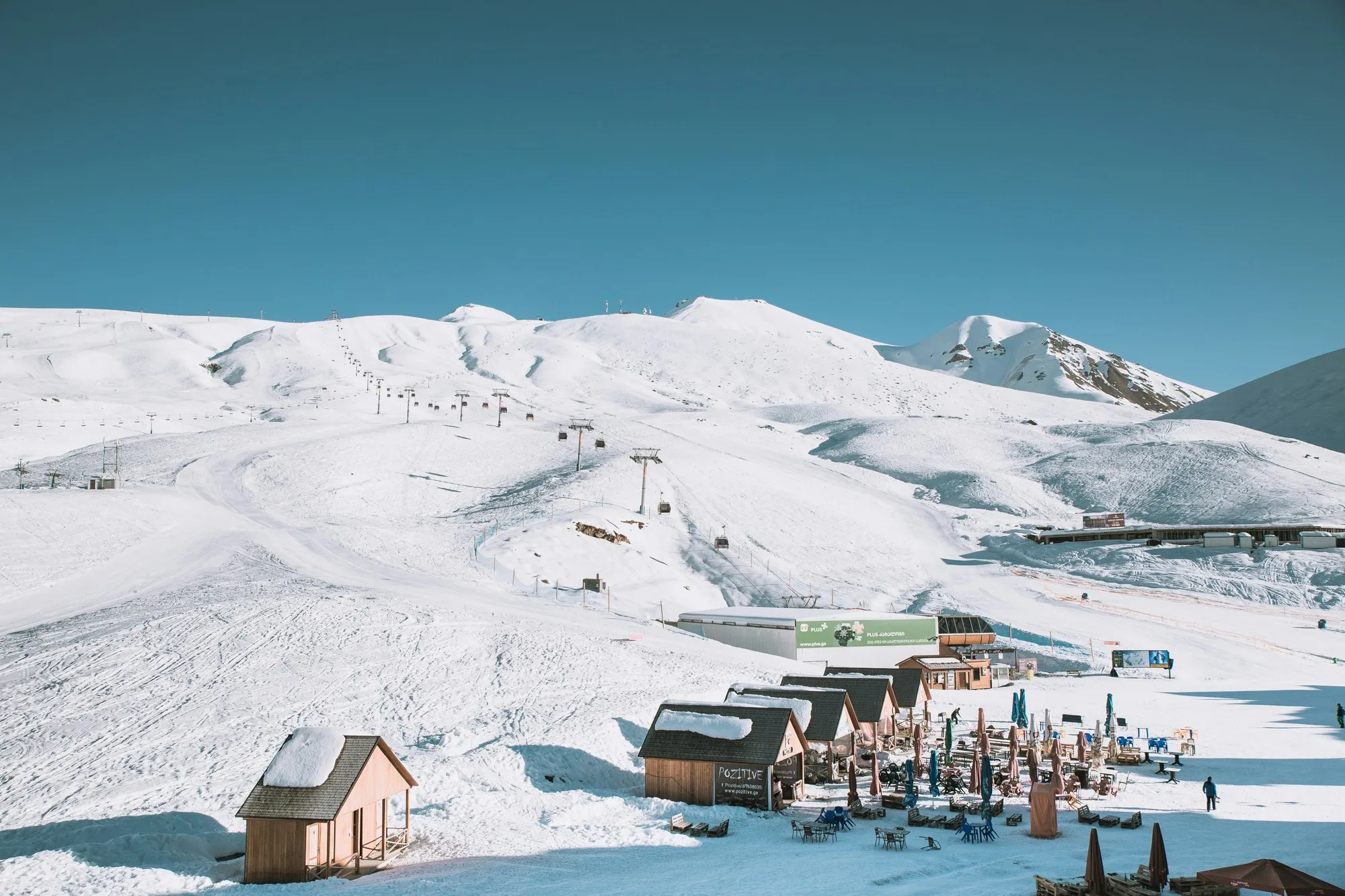
If you've decided to
visit a ski resort for the first time, some terms commonly found on ski holiday websites might cause you difficulty. In this article, we'll discuss what a ski pass is.

What is a ski pass?
Upon arrival at the resort, the first thing you need to do is purchase a ski pass – an electronic pass for the lifts, usually the size of a regular bank card. It has a special chip embedded in it, from which the turnstile at the lift reads information. It contains information about the zone where it is valid, its period of validity, and the owner's data.
How to use a ski pass?
To pass through the lift, you need to place the card against a special reader.
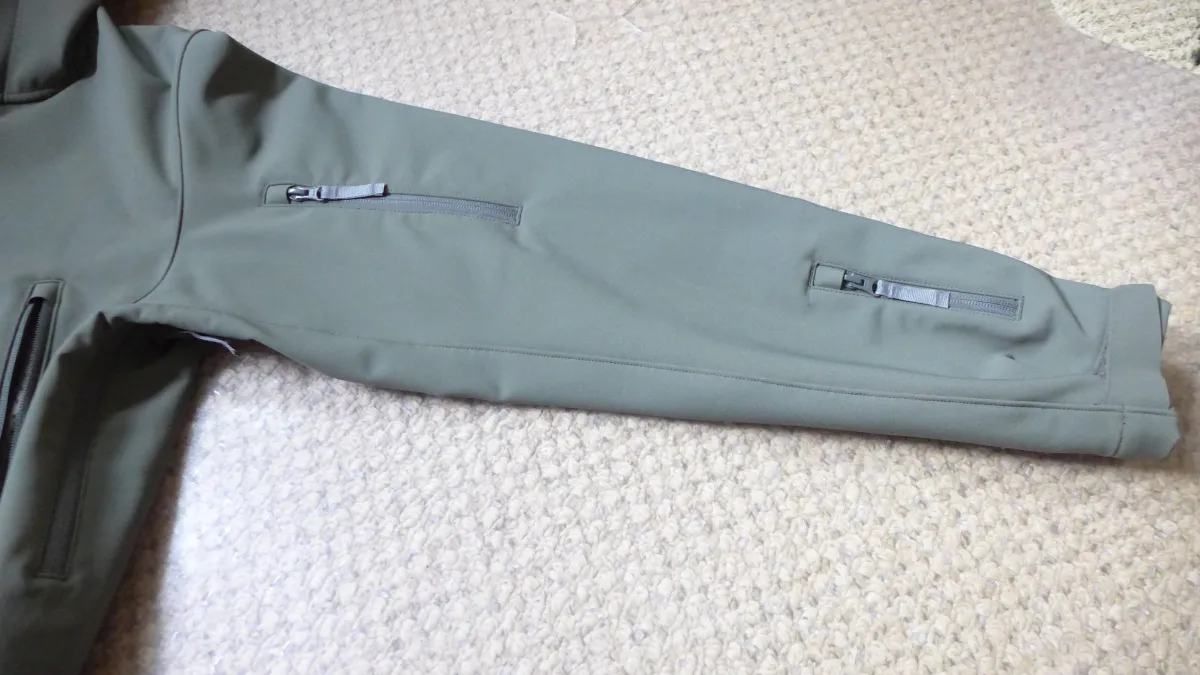
Ski equipment often comes with
special pockets on the sleeve of a jacket or jumpsuit for a ski pass. In this case, you don't need to take it out; just place your hand against the validator, and the turnstile will let you through.
A ski pass is a personal card that contains your personal information and sometimes a photo. When you present it to the validator, your photo appears on the controller's computer, along with special signals indicating whether it's a child's or adult's ski pass, male or female. So, buying a pass for a child and using it yourself won't work, and it's also not advisable to swap ski passes with each other, for example, a male and female one.
For intentional violation, your ski pass may be confiscated and annulled.
Additionally, keep in mind that when using a ski pass, there is a so-called
time-out. If you've passed through the turnstile and for some reason need to return and pass again, you can only do so after a certain period. After validation, the ski pass is blocked for 2-10 minutes. This is done to prevent multiple people from skiing simultaneously with one ski pass.
How much does a ski pass cost?
The cost of a ski pass depends on the season, the owner's age, the zone, and its period of validity.
Obviously, in November and late March, it will cost less than in December and January. But keep in mind that each resort has its own high and low season dates.
| Region |
Early Season |
High Season |
Regular Season |
| Rosa Khutor (Russia) |
until 25/12 |
from 26/12 to 01/03 |
from 02/03 to 03/04 |
| Dolomites (Italy) |
until 21/12 |
from 22/12 to 06/01, from 01/02 to 14/03 |
from 07/01 to 31/01, from 15/03 |
| Three Valleys (France) |
until 19/12 |
from 20/12 to 17/04 |
from 18/04 |
| Tyrol (Austria) |
until 19/12 |
from 20/12 to 09/01, from 24/01 to 10/04 |
from 10/01 to 23/01, from 11/04 |
All resorts offer special discounts for children and seniors. Typically, the discount applies to children up to 16 or 17 years old and adults over 60-65 years old. In some regions, children under 8 years old receive a free ski pass, provided they ski accompanied by an adult.
In Europe, skiing regions are quite large and combine several areas. You can buy a ski pass that will only be valid in your area, or you can purchase a ski pass for the entire region.
For example, let's consider the popular French region "Three Valleys", which includes the areas: Courchevel, Meribel, and Val Thorens. A 6-day ski pass valid only in the Val Thorens area costs 228 euros, while for all three areas it costs 283 euros. If you are a good skier and get bored going up and down the same slopes all day, there's no point in getting a single-area ski pass. Especially since the price difference isn't that big.
The validity period of a ski pass can be any. From a few hours (most often from 8:00 to 12:00 and from 12:00 until the lifts close) to the entire season.
Typically, lifts start operating at 8:00 and close between 16:30 - 17:00.
Many resorts offer ski passes valid for a certain number of days within the period you purchased it for. For example, you came to ski for 10 days, but for 2 days you want to go on an excursion somewhere or just relax. In this case, a ski pass that is valid for any 8 out of 10 days is the ideal option for you.