Where to take mud baths in Russia
If you thought mud was just an annoyance after a walk in bad weather, we hasten to convince you otherwise. Russia is full of places where people literally lie in it to improve their health, rejuvenate, and simply reset. We've compiled a detailed list of locations where therapeutic baths are both serious medicine and otherworldly landscapes.
Before planning your route, we advise you to buy tickets to Mineralnye Vody on Kupi.com or book tickets to Sochi on Kupi.com in advance – these are the main transport hubs from which it is most convenient to reach the country's most healing spots.
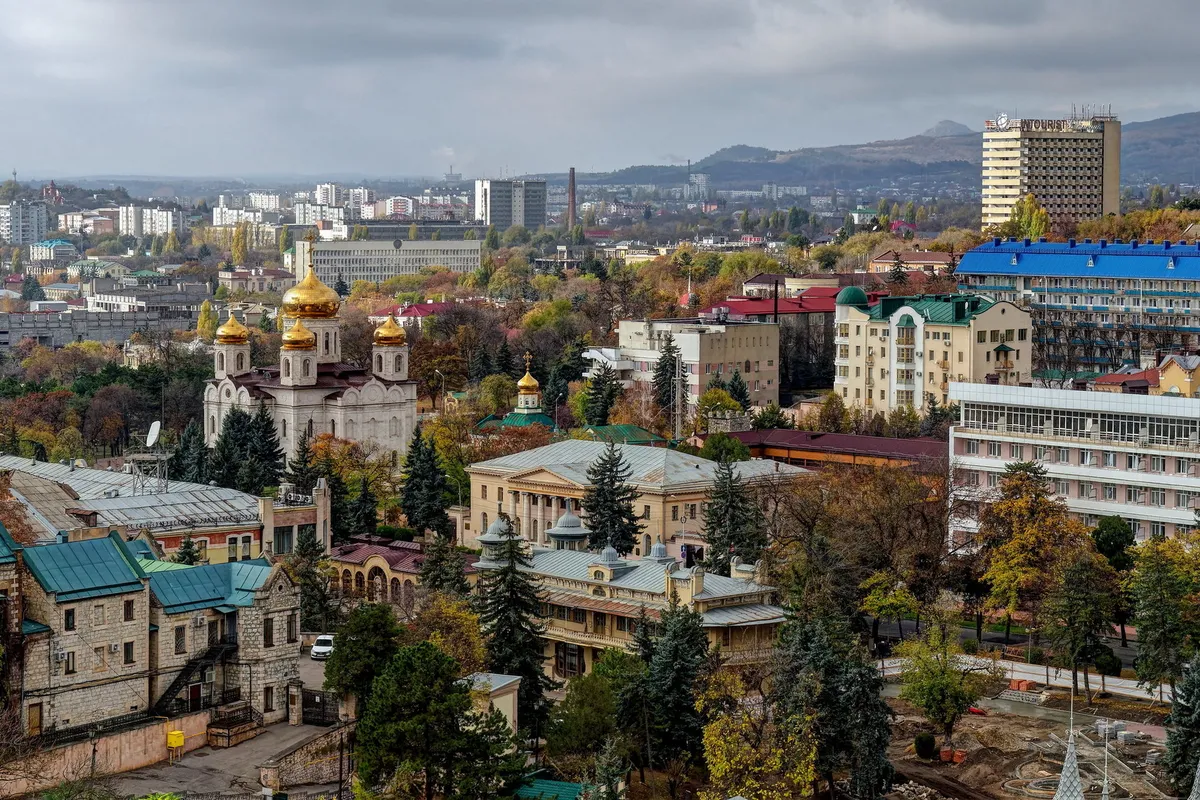
Pyatigorsk and Zheleznovodsk
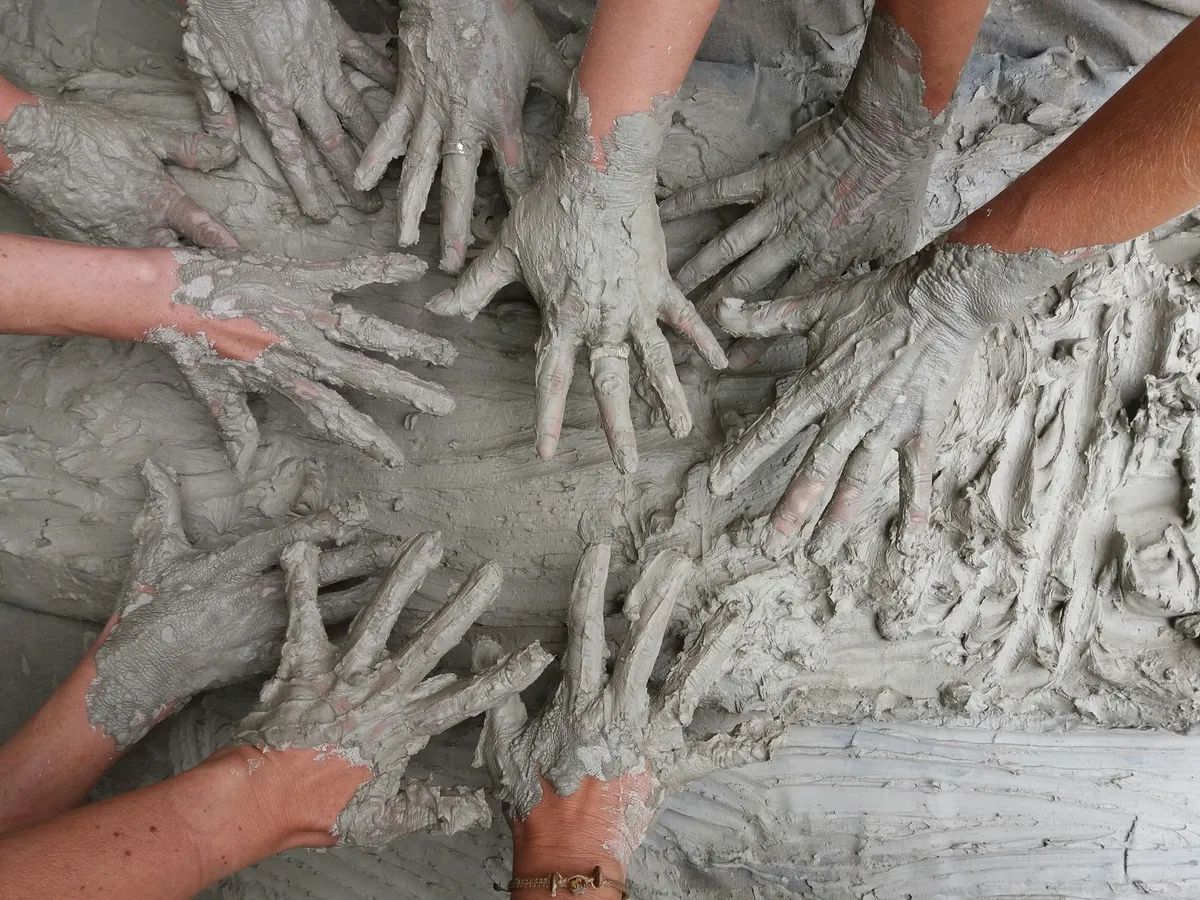
The main star of the Caucasian Mineral Waters is Lake Tambukan. Its sapropelic sulfide mud is considered one of the best in the world. It is coal-black, velvety, and its mineral concentration can rival that of the Dead Sea. In local mud baths, the procedure looks aesthetic: you are wrapped in warm swaddling clothes, creating a "cocoon" effect, so that beneficial substances penetrate deep into the pores under the influence of heat.
Why go: to treat joints, strengthen immunity, and walk among ancient architecture. Be sure to visit the Semashko Mud Bath in Essentuki – a neoclassical building with antique statues turns the process into a true ritual. Tambukan mud also effectively combats skin inflammation and accelerates tissue regeneration.
What's important to know: Tambukan mud is very oily and literally "sticks" to the skin. Due to its high content of organic substances and penicillin-like compounds, it has a powerful bactericidal effect, which is why it is often used in cosmetology for masks and wraps.
Elton and Baskunchak
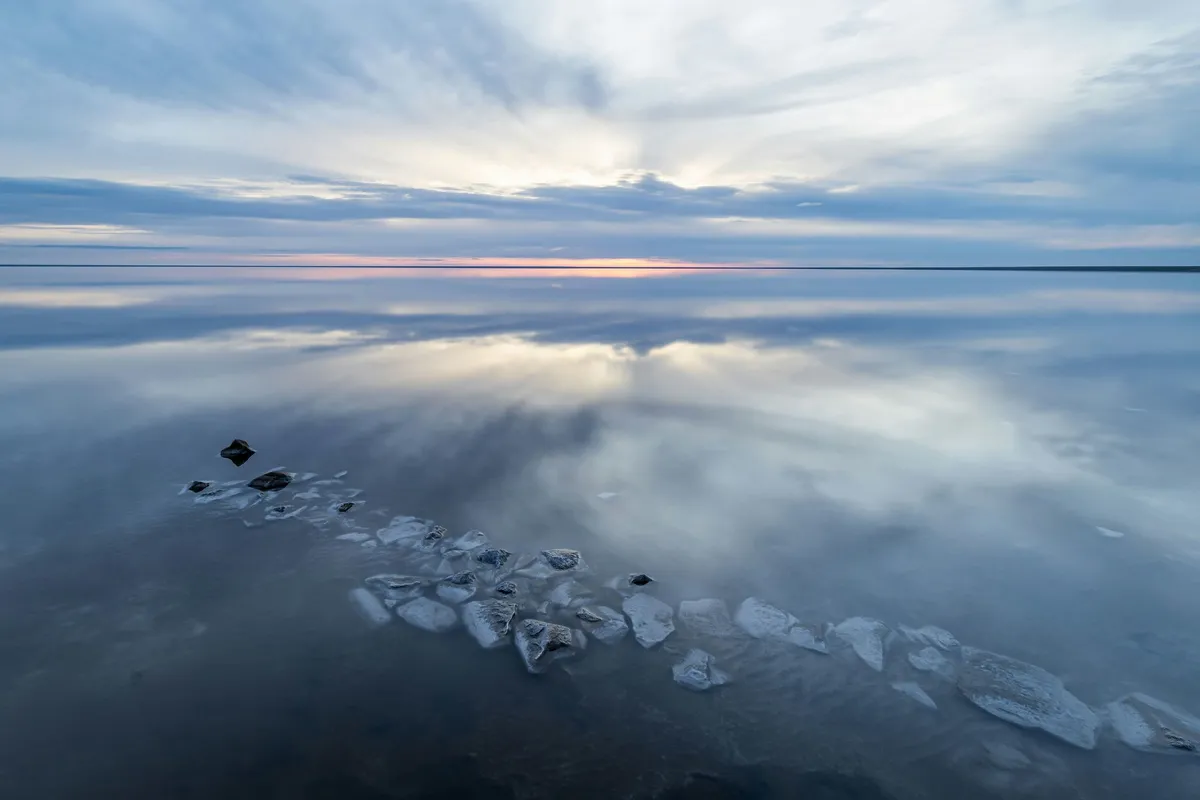
In the Volgograd and Astrakhan regions, there are two giants – Lakes Elton and Baskunchak. These are vast salt marshes where the brine (hypersaline water) is so dense that it pushes the body to the surface, allowing you to literally lie on the water. The mud here lies beneath a thick layer of salt; it smells of hydrogen sulfide, but its healing power outweighs any aesthetic inconveniences.
Why go: for otherworldly views. A snow-white salt crust underfoot, pinkish water, and an endless horizon. The mud here helps with skin diseases, respiratory problems, and chronic inflammation. Elton mud is especially valued for its manganese and iodine content.
What's important to know: The infrastructure at Baskunchak is more "wild" – you often have to get to bathing spots on special "pyliks" (local off-road vehicles). Elton, however, has a fully-fledged modern sanatorium. Be prepared that after a bath, your skin will instantly be covered with a prickly salt residue, which needs to be quickly rinsed off in a fresh shower.
Taman
On the Taman Peninsula, nature has created an attraction: here, mud doesn't just lie at the bottom, but slowly bubbles and erupts from the earth's depths through mud volcano craters. The most famous is the Tizdar volcano. You swim in a deep pool with a thick gray mass that has enormous buoyancy: it's impossible to drown in it; you can only comically flounder on the surface.
Why go: for a fun "weightlessness" experience. The mud here is volcanic – it's lighter than sapropelic mud and contains a huge amount of iodine, boron, and bromine, which has a beneficial effect on the nervous system and thyroid gland. This is an ideal place for those who want to combine treatment with a beach holiday.
What's important to know: The Tizdar volcano is located a couple of hundred meters from the shore. After the "eruption," tourists usually run to the Azov Sea to wash off the gray layer. This acts as an excellent contrast shower, invigorating blood vessels and skin.
Sestroretsk
If you don't want the southern heat, head to the Resort District near St. Petersburg. The local pride is gytja clays. These are unique organic deposits, remnants of the ancient Litorina Sea, which splashed here thousands of years ago. They differ from southern muds in their greenish tint and lack of a pungent smell.
Why go: to combine treatment with a refined vacation. The local mud is rich in bivalent iron and is excellent for chronic fatigue, anemia, and stress. Procedures in Sestroretsk are considered among the most gentle for the body.
What's important to know: The climate here is mild, so procedures in Sestroretsk are ideal for those for whom heat is contraindicated. Dense coniferous forests and ionized sea air create an additional effect of natural inhalation, cleansing the lungs.
Lake Karachy
A unique bitter-salt lake is hidden in the Novosibirsk region. Local mud has been used for over a century and is considered a benchmark for treating the nervous system. According to legend, even Khan Kuchum restored his strength here. Lake Karachy mud is a complex biochemical cocktail formed under the harsh Siberian climate.
Why go: for silence and genuine Siberian wellness. There are no crowds of tourists here, and the composition of the brine and mud is so active that the effect of "lightness in the body" is felt after the very first procedures. Gynecological and urological diseases are successfully treated here.
What's important to know: The resort extracts the famous "Karachinskaya" mineral water, which is recommended for drinking in addition to the baths. A comprehensive approach (mud externally, water internally) helps normalize metabolism much faster.
Staraya Russa
In the Novgorod region, one of the country's oldest resorts, founded in the 19th century, is located. The mud here is sulfide-sapropelic, with an incredibly high iron content. But the main highlight of the place is the Muravyevsky Fountain, the most powerful self-flowing mineral spring in Europe, which gushes from underground to a height of up to ten meters.
Why go: to treat digestive organs, recover from injuries, and simply breathe the salty air by the fountain. Staraya Russa muds act gently, so they are often chosen for the delicate recovery of children and the elderly.
What's important to know: The resort park of Staraya Russa is a monument of landscape art. Walks through it between procedures ("terrenkur") are considered an essential part of therapy for strengthening the heart muscle and lungs.
Lake Yarovoye
In the Altai Krai, there is Lake Bolshoye Yarovoye, often called the Siberian Sea. In terms of salt concentration, it is not inferior to the Dead Sea, and in terms of mud composition, it even surpasses it in several trace elements. In summer, life here is bustling: water parks operate, stars come for concerts, and foam parties are held on the beaches.
Why go: for "living" mud, inhabited by Artemia Salina crustaceans. It is their metabolic products that make the local silt so healing for skin and joints. Neurological disorders and nasopharyngeal problems are also treated here.
What's important to know: If you are looking for solitude, head to Maloye Yarovoye. There are no discos there, but the concentration of beneficial substances in the mud is even higher, and the silence allows you to fully experience the energy of Altai.
Saki
The city of Saki on the western coast is a mecca for those who need serious medical intervention. The local lake provides sapropelic mud, which by many chemical indicators is considered a standard in balneology. Specialists who have been studying the effect of mud on the human body for decades work here.
Why go: they specialize here in the most complex cases of musculoskeletal and nervous system recovery. The treatment method in Saki is often called "intensive": the mud here is very active, and it is often applied as high-temperature spot applications.
What's important to know: Saki is one of the most accessible cities for travelers with limited mobility. All infrastructure, from ramps in shops to special entrances to the lake, is designed for the comfort of every guest.
Sol-Iletsk
The Orenburg region is famous for its salt lakes, which formed on the site of ancient salt mines. The most famous is Lake Razval. The water in it is so salty that it does not freeze even in severe frosts. The muds, however, are in the neighboring Lake Tuzluchnoye, which is significantly warmer and softer in composition.
Why go: to warm up the whole body, treat psoriasis and other skin diseases, and strengthen the spine. After the procedures, be sure to visit the local market for the famous Sol-Iletsk watermelons.
What's important to know: During peak season (July-August), Sol-Iletsk can be very crowded and hot. To avoid queues for mud baths, it's better to plan your visit for the morning hours or early autumn (velvet season).
What you need to know
Remove jewelry. Metals (especially silver) instantly oxidize upon contact with hydrogen sulfide and turn black. It will be extremely difficult to restore their former shine.
Listen to your heart. Mud applications place a significant load on the cardiovascular system. If you feel weakness or dizziness, stop the procedure immediately.
Forget about white. Mud is practically impossible to wash out due to its high content of oils and minerals. Use dark swimwear that you don't mind getting stained.
Observe the timing. The optimal session time is 15-20 minutes. Staying in the mud longer is not only pointless but also harmful: the body can receive an excessive dose of active substances.
Whichever place you choose, remember: sometimes, to feel truly clean and refreshed inside, you first need to get properly dirty on the outside.