Support

Dundo

About

Nestled in the northeastern corner of Angola, Dundo is a city that offers a unique blend of industrial heritage and rich cultural depth. As the capital of the Lunda Norte Province, it serves as an important urban center situated near the border with the Democratic Republic of the Congo. The city is distinguished by its well-planned streets and leafy avenues, creating a distinct atmosphere that sets it apart from many other regional capitals.

Dundo. Source: Kupi.Binoculars

With a population of approximately 177,000 residents, Dundo acts as a gateway to the cultural heart of the northeast. The city was originally established in the early 20th century to support the diamond mining industry, which played a pivotal role in its development. Travelers interested in the evolution of this settlement from a mining hub to a provincial capital can explore the fascinating history of Dundo to learn more about its past.

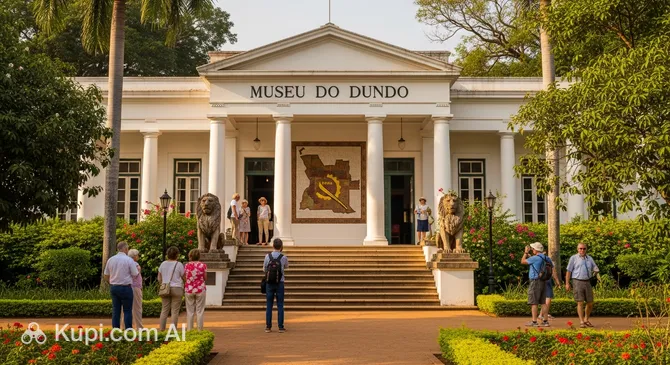
One of the primary reasons to visit is the renowned Dundo Museum (Museu do Dundo). This institution houses one of the most significant ethnographic collections in Central Africa, preserving the artistic and cultural legacy of the Chokwe people, including famous masks and sculptures. Beyond the museum, the city's unique colonial architecture and garden-city layout make it a pleasant place for exploration. Dundo welcomes visitors to discover its hidden treasures and experience a truly authentic side of the country.

Weather Overview

Dundo experiences a consistently warm climate throughout the year, with average temperatures generally hovering between 24°C and 26°C. The city sees its highest daytime temperatures around July and August, where peaks can reach up to 33.5°C, while the nights during June and July are slightly cooler, dipping to approximately 18°C. This stability in temperature makes the region comfortable for visits regardless of the season, though travelers should be prepared for varying humidity levels.

The rainfall pattern is distinct, dividing the year into clear wet and dry periods. June and July are the driest months, typically recording zero wet days, making them ideal for outdoor exploration. In contrast, the weather in Dundo shifts significantly from November to April, which is the peak of the rainy season with frequent precipitation occurring on 20 to 26 days per month. Expect warm, dry mid-year months and a humid, rainy season towards the beginning and end of the year.

Interesting Facts

Beyond the main attractions, Dundo holds many fascinating secrets that reveal its unique position in the region's history and culture. From its origins as a private enclave to its contribution to national identity, here are some intriguing facts about the city.

  • The Home of "The Thinker": Dundo is the spiritual home of "O Pensador" (The Thinker), a famous figurine of Chokwe origin that depicts an elder in deep contemplation. This sculpture is considered a masterpiece of African art and has become the national symbol of Angola, appearing on the country's currency and official insignia. The local museum played a pivotal role in collecting and preserving these artifacts.

  • A Planned "Company Town": Unlike many cities that grew organically, Dundo was founded and built entirely by the diamond mining company Diamang in the early 20th century. It functioned as a private "state within a state" for decades, where the company provided all housing, electricity, and infrastructure, creating a meticulously organized settlement designed specifically for its employees.

  • The Garden City Legacy: The city is renowned for its distinct "garden city" layout, a direct result of its colonial planning. The streets were designed with wide avenues lined with exotic shade trees, many of which were imported specifically to create a cooler, greener environment for the residents, giving the city a lush appearance that persists today.

  • Preserving Ancient Sounds: Dundo holds a unique place in the history of ethnomusicology. In the mid-20th century, the Dundo Museum undertook a massive project to record the traditional folklore and music of the Lunda-Chokwe people. These archives are considered some of the most important records of Central African musical heritage, saving countless songs and oral histories from being lost to time.

How to Get There

Reaching this northern city is an adventure in itself, often involving a journey through the lush landscapes of Angola. For a comprehensive guide on travel options and routes, you can read more about how to get to Dundo. The most direct and common method for international and domestic travelers is by air, connecting through the country's major hubs.

The city is served by its own local aviation hub, Dundo Airport (IATA: DUE). Located just 2.9 km from the city center, it offers the ultimate convenience for visitors. A taxi or transfer from the terminal to downtown is very quick, typically taking around 25 minutes including wait times. Alternatively, some travelers might transit through Saurimo Airport (IATA: VHC) in the city of Saurimo. However, it is important to note that this airport is approximately 259.6 km away from Dundo, which would require a long subsequent journey by road.

For clarity, here is a summary of the main airports:

Airport Name City Passenger Traffic Km from City
Saurimo Airport Saurimo Medium 259.6
Dundo Airport Dundo 2.9

Currently, there are no direct railway connections servicing Dundo. The city's transport infrastructure relies primarily on road and air networks. Visitors planning to travel overland should check the condition of the roads and consider hiring a robust vehicle or using local bus services, which connect Dundo to other major towns in the Lunda Norte province and beyond.

Main Attractions

Dundo is a city that surprises visitors with its unique combination of colonial urban planning and deep-rooted African heritage. Unlike many other settlements in the region, it was designed as a "garden city," where wide avenues lined with ancient trees provide shade and a scenic atmosphere for walking. The local sights reflect both its industrial history as a diamond mining hub and the rich cultural traditions of the Lunda Norte province.

The most renowned cultural institution in the city is the Dundo Museum (Museu do Dundo). Founded in the mid-20th century, this museum is famous internationally for its exceptional ethnographic collection. It houses thousands of artifacts, including the celebrated masks and sculptures of the Chokwe people, as well as recordings of traditional folklore music. For tourists, it offers an unparalleled opportunity to understand the artistic legacy and social structures of the indigenous communities of northeastern Angola.

Another significant landmark is the Cathedral of Our Lady of the Conception (Sé Catedral de Nossa Senhora da Conceição). This religious building stands as the spiritual heart of the city and is the seat of the Diocese of Dundo. Visitors are often drawn to its peaceful ambiance and distinct architecture, which serves as a gathering point for the local community during major religious festivals and weekly services.

For sports enthusiasts, the Sagrada Esperança Stadium (Estádio Sagrada Esperança) is a key point of interest. It is the home ground of the local football club, G.D. Sagrada Esperança, one of the top teams in the country. Attending a match here offers a vibrant glimpse into modern Angolan culture, where the passion for football brings together thousands of residents in a lively and energetic setting.

Nature lovers will appreciate the city's proximity to the Luachimo River. The river not only provides hydroelectric power to the region but also offers picturesque spots for relaxation along its banks. The lush vegetation surrounding the river and the nearby waterfalls create a refreshing contrast to the urban environment, making it a popular area for short excursions and photography.

Local Cuisine

The local cuisine in Dundo is a delightful reflection of the broader gastronomic traditions of Angola, enriched by the agricultural abundance of the Lunda Norte province. Food here is hearty and flavorful, deeply rooted in the use of locally grown ingredients like cassava, corn, and peanuts. Visitors can expect meals that are not only filling but also showcase the region's connection to the land and its rivers.

At the center of the dining table is almost always Funge, a thick porridge made from cassava or corn flour that serves as the staple starch for most dishes. It is typically paired with rich, savory stews. One must-try dish is Moamba de Galinha, a chicken stew slowly cooked in a thick sauce made from palm oil (muamba) and often flavored with okra and garlic. Given the city's proximity to the Luachimo River, fresh river fish is also a local specialty, often grilled (caldeirada) or prepared in a dried fish stew known as Calulu, which includes fresh vegetables and palm oil.

When it comes to beverages, the traditional drink known as Kissangua is a cultural staple worth tasting. Made from corn flour and sometimes pineapple, it is a refreshing, non-alcoholic drink that is often homemade. For those looking to experience local social customs, Maruvo (palm wine) is a popular traditional alcoholic beverage tapped directly from palm trees. Of course, standard Angolan beers like Cuca are widely available and enjoyed cold to beat the warm tropical heat.

The food culture in Dundo is relaxed and welcoming. While there are formal restaurants within hotels that serve international and Portuguese-influenced cuisine, the most authentic experiences are often found in smaller, local eateries and "quintais" (backyard restaurants). These spots offer a friendly atmosphere where tourists can mingle with locals. Additionally, the city's markets are vibrant hubs where you can find an array of fresh tropical fruits, such as mangoes and pineapples, which are exceptionally sweet and flavorful in this region.

Travel Tips

Welcome to Dundo! To ensure your journey through this historic "garden city" and the cultural heart of Lunda Norte is as smooth and enjoyable as possible, we have compiled a list of essential travel advice. These practical tips will help you navigate local customs, logistics, and daily life with confidence.

  1. Clothing and Gear: Given the consistently warm tropical climate, lightweight and breathable fabrics like cotton or linen are your best bet for staying comfortable. Since Dundo is known for its wide, walkable avenues, bring a pair of sturdy walking shoes. If you are visiting between November and April, a durable raincoat or umbrella is essential to handle the frequent heavy showers.

  2. Transportation: The most common form of public transport is the candongueiro (blue and white minibus taxi), which follows set routes and is very affordable, though often crowded. There are no modern metro systems or international ride-hailing apps operating here. For safety and convenience, it is highly recommended to arrange a private driver or taxi through your hotel, especially for trips to the airport or outskirts.

  3. Finances: The official currency is the Angolan Kwanza (AOA). While some larger hotels and supermarkets may accept Visa cards, cash is absolute king in Dundo, particularly in local markets and smaller eateries. ATMs (Multicaixa) are available, but they can occasionally run out of bills, so it is wise to carry enough cash for your daily needs.

  4. Health and Safety: Malaria is a risk throughout Angola, so packing high-quality insect repellent and sleeping under a mosquito net is crucial. Always drink bottled water and avoid tap water. Pharmacies are available in the city center, but it is safer to bring a supply of any specific prescription medications you require. Stick to well-lit areas at night and avoid displaying expensive electronics in public.

  5. Communication: Portuguese is the primary language of communication, and English is not widely spoken outside of major business settings. Learning a few basic phrases like "Bom dia" (Good morning) and "Obrigado" (Thank you) will go a long way. To stay connected, purchase a local SIM card from providers like Unitel upon arrival, as Wi-Fi can be intermittent in some areas.

  6. Local Etiquette: Angolans are warm and polite people who value proper greetings. Always greet people with a handshake and a smile before asking a question or starting a transaction. It is respectful to address elders and officials as "Senhor" (Sir) or "Senhora" (Madam). When visiting villages or cultural sites, always ask for permission before taking photos of locals.

  7. What to Avoid: Never take photographs of government buildings, military installations, police officers, or the airport. This is strictly prohibited in Angola and can lead to serious legal trouble or the confiscation of your camera. Be very observant of signs indicating "No Photography."

  8. Museum Tip: If you plan to visit the famous Dundo Museum, try to go in the morning. Not only is the temperature cooler, but the lighting is also better for appreciating the intricate details of the Chokwe masks and sculptures. Check the opening hours locally, as they can sometimes change without online notice.

By keeping these tips in mind, you will be well-prepared to embrace the unique rhythm of life in Dundo. Whether you are exploring the museum's treasures or enjoying the shade of the city's ancient trees, a little preparation ensures a memorable and hassle-free adventure.

Entertainment & Nightlife

Entertainment in Dundo reflects the city's laid-back yet culturally rich character. While it does not possess the frantic energy of a major metropolis like Luanda, the nightlife here is warm, welcoming, and deeply centered around social connection, music, and good food. The evening scene typically comes alive on weekends, with locals gathering to unwind after the work week. The atmosphere is generally relaxed, where the sound of Kizomba and Semba music fills the air, and conversations flow freely over cold drinks.

For a more sophisticated evening, the Hotel Diamante Dundo is a central fixture in the city's social landscape. Its bar and restaurant areas offer a comfortable setting for a quiet drink or a late dinner, attracting a mix of business travelers, expatriates, and local professionals. The dress code here tends to be smart casual. Another key hub for social activity is often the local Clube Recreativo (Recreational Club), which traces its roots back to the city's mining heritage. These venues often host events or casual gatherings where you can experience the community spirit of Dundo in a safe and structured environment.

If you are looking for a more authentic local vibe, venture out to the smaller "quintais" (backyard bars/restaurants) found in the residential neighborhoods, particularly in areas like Chitato. These spots are less formal and much livelier, often featuring loud music and dancing late into the night. Here, the crowd is predominantly local, and the prices are very affordable. It is the perfect place to try local snacks and enjoy a cold Cuca beer while immersing yourself in the rhythms of Angolan music.

Practical planning is essential for a night out in Dundo. Most venues stay open late on Fridays and Saturdays, but weeknights can be quite quiet. Cash is essential, as card machines may not be available at smaller venues. In terms of transportation, it is not advisable to walk long distances at night, even though the city is relatively safe compared to larger urban centers. The best approach is to arrange a taxi or a private driver through your hotel before heading out, ensuring you have a reliable ride back.

During the day, entertainment options focus on culture and sports. As mentioned, the Dundo Museum is the city's premier attraction for history and art lovers. For those interested in the local passion for sports, catching a football match at the Sagrada Esperança Stadium provides an exciting afternoon of cheering alongside thousands of dedicated fans. The wide, tree-lined avenues also make for pleasant daytime strolls, offering a peaceful contrast to the evening's social buzz.

Parks & Museums

Dundo distinguishes itself from other Angolan cities through its deliberate design as a "garden city," offering a harmonious blend of lush green spaces and profound cultural heritage. Visitors will find that the city's layout itself feels like a vast park, where nature and urban life are intricately woven together, providing a serene backdrop for exploring the region's rich history.

The crown jewel of the city's cultural landscape is undoubtedly the Dundo Regional Museum (Museu Regional do Dundo). Housed in a distinct colonial-era building, this institution is globally recognized for its exceptional ethnographic collection dedicated to the Lunda-Chokwe people. Tourists are drawn here to view rare traditional masks, intricate sculptures, and musical instruments that offer a deep dive into the spiritual and social life of the region. It serves not just as a gallery, but as a vital archive of Central African identity.

While Dundo does not have a multitude of separate museums, the city center itself acts as an Open-Air Architectural Museum. The well-preserved colonial buildings, originally constructed for the employees of the Diamang mining company, showcase a unique architectural style adapted for the tropics. Walking through these historic quarters offers a glimpse into the planned urbanism of the early 20th century, making it a fascinating experience for those interested in history and design.

In terms of natural areas, the city is renowned for its Tree-Lined Avenues. Unlike typical urban parks, the greenery in Dundo is integrated into the streets, which are flanked by centuries-old exotic trees that form natural tunnels of shade. This "garden city" concept makes simple strolls through the neighborhoods a refreshing experience, providing respite from the tropical heat and creating a picturesque environment for photography.

Just a short distance from the urban center lies the scenic Luachimo River area. This natural landmark is a favorite spot for locals and visitors alike, offering lush riverbanks that are perfect for quiet contemplation or picnics. The sound of the flowing water and the dense vegetation surrounding the river create a tranquil escape from the city's daily rhythm, and nearby waterfalls add to the area's natural allure.

For a truly authentic experience, take a moment to explore the grounds surrounding the museum and the old Clube Recreativo. These areas often retain a quiet, nostalgic atmosphere where you can appreciate the slow pace of life in Lunda Norte. It is a perfect way to absorb the local ambiance before heading back to the bustling activity of the modern town.

Getting Around

The public transport system in Dundo differs significantly from the structured networks found in many international cities. There is no metro, tram, or trolleybus service here. Instead, the backbone of local mobility is the candongueiro, a blue and white minibus taxi that operates on semi-fixed routes throughout the city and its suburbs. These vans are the primary mode of transit for the local population, linking residential neighborhoods with the city center, markets, and government buildings. They are ubiquitous, frequent, and offer an authentic glimpse into daily life in the region.

For shorter distances or areas where minibuses do not venture, kupapatas (motorcycle taxis) are a popular alternative. These are agile and can navigate traffic or narrower streets much faster than cars. While they are convenient for quick trips, they offer less protection than a vehicle, so passengers should exercise caution and insist on a helmet if available. Standard private taxis are less common on the streets for hailing; it is generally more reliable to arrange a private car or driver through your hotel or a trusted local contact.

Payment for public transport is almost exclusively cash-based. There are no electronic travel cards, mobile apps, or travel passes available for the candongueiros or motorcycle taxis. You pay the fare directly to the conductor (known as the cobrador) in the minibus or to the driver of the motorcycle upon reaching your destination. Prices are generally fixed for specific routes but are subject to change based on fuel costs. It is essential to carry small denominations of the local currency, as drivers often struggle to make change for large bills.

Navigating the system requires a bit of local know-how. There are very few designated bus stops with signage. Instead, passengers typically wait at popular gathering points, road junctions, or simply wave a hand from the roadside to hail a passing vehicle. To get off, you simply notify the conductor a shortly before your desired stop. Operating hours are not strictly regulated; transport starts running at sunrise and tapers off significantly after dark. Tourists are advised to avoid using public transport late at night due to safety concerns and the scarcity of vehicles.

For visitors accustomed to ride-sharing apps like Uber or Bolt, it is important to note that these services do not operate in Dundo. Car rentals are available but limited, and hiring a car with a local driver is often the most stress-free option for those unfamiliar with the road conditions. Walking is also a viable and pleasant option within the city center, thanks to the wide, tree-lined avenues that the city is famous for, but for any travel beyond the immediate downtown area, securing reliable motorized transport is recommended.

Accommodation

Accommodation in Dundo is primarily designed to serve business travelers and professionals visiting the region's mining and administrative centers. As a result, the range of options is somewhat limited compared to major tourist destinations. Visitors generally will not find international luxury hotel chains or dedicated backpacker hostels. Instead, the city offers a selection of functional mid-range hotels and smaller, locally-run guesthouses known as hospedarias, which provide basic but comfortable amenities.

The most convenient area for tourists to stay is within the planned city center. staying here places you within walking distance of the famous tree-lined avenues, the Dundo Museum, and the few available restaurants. This central zone is safe, well-lit, and offers the best access to taxis. Alternatively, the Chitato neighborhood, located a bit further out, hosts several smaller guesthouses that offer a more residential and authentic atmosphere, though transport to the main attractions will be necessary.

The most prominent and well-equipped establishment in the city is the Hotel Diamante Dundo. Widely regarded as the premier option for international visitors, it offers standard modern conveniences such as air conditioning, a swimming pool, and an on-site restaurant. It serves as a social and logistical hub for visitors to the province. While there are other smaller lodges, this hotel represents the upper end of comfort available in the city.

Booking Tip: Because the supply of quality rooms is limited and demand from business delegations can be high, it is strongly advised to book your accommodation well in advance. Do not rely on finding a room upon arrival, especially during the week when business travel is at its peak.

Regarding costs and payments, prices in Dundo can be surprisingly high relative to the level of service provided, a common trait in Angola's hospitality sector. Budget travelers should be prepared for mid-range pricing even for simple rooms. While the main hotel may accept credit cards, the vast majority of smaller guesthouses require payment in cash (Angolan Kwanza). Furthermore, many local lodgings do not have a strong presence on international booking platforms, so making reservations via phone or through a local travel agent is often the most reliable method.

Nearby Cities

For those looking to explore the surroundings, Dundo serves as an excellent base for day trips to several interesting nearby locations:

City Population Distance (km)
Saurimo 393000 257
Tchitato 195136 17
Cuango 183767 327
Lucapa 154305 119
Luau 90000 400

Located just a short drive away, Tchitato is the closest option for a quick excursion. Historically significant as one of the early centers of the region, it functions almost as a twin city to Dundo. Visitors here can experience a more bustling, organic urban atmosphere that contrasts with the structured, garden-city layout of the provincial capital, offering a genuine slice of local daily life and commerce.

Further to the south lies Lucapa, which served as the capital of the Lunda Norte province before the administrative seat was moved. This town is deeply rooted in the history of the diamond mining industry that shaped the region. A visit to Lucapa provides travelers with a glimpse into the colonial-era infrastructure and the industrial heritage that drove the development of northeastern Angola.

These nearby destinations offer a glimpse into the diverse culture and landscapes of the region.

Shopping & Souvenirs

Shopping in Dundo offers a modest yet authentic experience that reflects the practical needs of its residents and the rich cultural heritage of the region. Unlike major metropolitan hubs filled with luxury boutiques, the retail scene here is functional and community-oriented. Visitors will find a mix of modern supermarkets catering to daily necessities and vibrant open-air markets where the true pulse of the city can be felt. While it is not a destination for high-end fashion, it provides a unique opportunity to engage with local traders and discover goods that are specific to the Lunda Norte province.

The main commercial activity is split between the organized city center and the bustling neighboring areas. In the heart of Dundo, along the wide, tree-lined avenues, you can find a selection of small shops, pharmacies, and electronics stores. However, for a more intense concentration of trade, many locals head towards the Chitato district. This area serves as a primary commercial hub where streets are lined with smaller vendors and independent shops selling everything from clothing and textiles to household goods.

Travelers looking for a modern shopping experience will not find sprawling shopping malls in the western sense. Instead, the city relies on several large supermarkets and smaller commercial galleries. These establishments offer imported goods, groceries, and basic supplies in a comfortable, air-conditioned environment. They are the best places to stock up on bottled water, toiletries, and snacks during your stay.

The true highlight of shopping in Dundo lies in its local markets. These lively spaces are essential to daily life and offer a sensory immersion into Angolan culture. Here, you can wander through stalls piled high with fresh tropical fruits, vegetables, and dried fish from the local rivers. Beyond food, these markets are often the best places to find colorful African wax print fabrics (samakaka), which are widely used in traditional clothing and make for excellent gifts.

For souvenirs, the region's artistic legacy provides wonderful options. Dundo is the heart of Chokwe culture, famous for its intricate wood carvings and masks. While you should never attempt to buy antique or historical artifacts (which are protected heritage), you can find beautiful modern replicas and handicrafts made by local artisans. Look for small wooden sculptures, woven baskets, or the iconic "Mwana Pwo" mask replicas, which serve as meaningful keepsakes of your visit to the northeast.

When planning a shopping trip, keep in mind that stores typically open around 8:00 AM and close by 6:00 PM or 7:00 PM on weekdays, with shorter hours on Saturdays. Sunday is generally a quiet day with most shops closed, although some markets may still operate in the morning. Cash is the absolute preferred method of payment. While a few major supermarkets may accept local debit cards, international credit cards are rarely accepted in smaller shops and markets, so it is essential to carry sufficient Angolan Kwanza.

Tax-free shopping and VAT refund schemes for tourists are not currently available or operational in Dundo. Prices displayed are final, though friendly bargaining is common and expected when purchasing items from informal vendors in the markets.
Nearby cities

Reached the end of the page?

That means the route is fully explored