Support

Saurimo

About

Saurimo, the bustling capital of the Lunda Sul Province, offers a fascinating glimpse into the northeastern region of Angola. Known for its vibrant energy and strategic importance, the city serves as a key economic hub, largely due to the area's rich diamond deposits. With a population of approximately 393,000 residents, it is a place where local traditions and modern development coexist against a backdrop of the expansive Lunda Plateau.

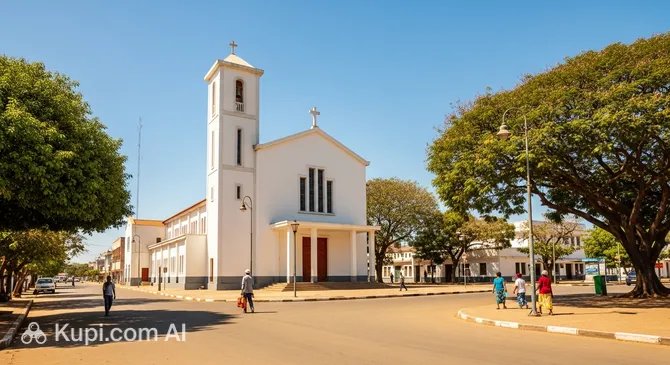
Saurimo. Source: Kupi.Binoculars

The city was formerly known as Henrique de Carvalho during the colonial period, and the history of Saurimo reflects its transformation from a mining outpost into a major urban center. Today, it is an excellent starting point for travelers wishing to explore the unique cultural heritage of the Chokwe people. Visitors can discover intricate local handicrafts, including famous masks and sculptures that are celebrated throughout the country.

Beyond its cultural allure, Saurimo provides access to the natural beauty of the region. The nearby Chicapa River offers scenic views and a refreshing escape from the city center. Whether you are intrigued by the geological wealth of the land or the warmth of its community, Saurimo invites you to experience a distinct and memorable side of the country.

Weather Overview

Saurimo experiences a tropical climate characterized by consistent warmth and two distinct seasons, making it a year-round destination for those who enjoy higher temperatures. To ensure you pack the right gear for your visit, it is helpful to review the detailed forecast for the weather in Saurimo before you travel. Generally, the city remains pleasant, though humidity and rainfall vary significantly depending on the month.

The wet season typically spans from November to April, bringing frequent precipitation. During peak rainy months like December and January, travelers should be prepared for wet conditions, as rain can occur on up to 28 days of the month. Despite the frequency of the rain, the air remains warm, with average temperatures hovering comfortably around 23°C.

In contrast, the dry season from May to September offers clear skies and very little rainfall, with June and July often recording 0 wet days. While daytime highs can climb to 32.5°C by August, the evenings in June and July are refreshing, with minimum temperatures occasionally dropping to around 16.3°C. Overall, expect warm temperatures year-round with a distinct dry season from May to September and frequent rainfall between November and April.

Interesting Facts

Beyond the main attractions, Saurimo holds many fascinating secrets that reveal its deep connection to both geological wealth and historical exploration. Digging a bit deeper into the city's background uncovers a destination defined by world-class resources and enduring traditions.

  • The city serves as the primary urban gateway to the Catoca Diamond Mine, which is recognized as the fourth-largest kimberlite pipe in the world and a cornerstone of Angola's economy.

  • While the city is rapidly modernizing, its former name, Henrique de Carvalho, paid tribute to the 19th-century Portuguese explorer who famously visited the Lunda royal court, marking the area's significance long before the mining boom.

  • The Chicapa River is not merely a scenic spot for visitors; it plays a critical industrial role by hosting a major hydroelectric dam that supplies renewable energy to the city and the surrounding mining complexes.

  • Saurimo is considered a cultural heartland for the Mukanda initiation rituals, a vital and elaborate tradition of the Chokwe people that marks the transition of young men into adulthood and preserves ancient social values.

How to Get There

Reaching the capital of Lunda Sul Province is an adventure that connects you to the heart of northeastern Angola. While the region is remote, air travel remains the most practical and efficient method for visitors. For a comprehensive overview of routes and transport options, you can read more about how to get to Saurimo before finalizing your travel plans.

The primary entry point for most travelers is the local Saurimo Airport (IATA: VHC), located conveniently within the city limits. It is a regional facility that connects the area with the country's capital, Luanda, and other major hubs. Since the airport is situated just 5.5 km from the city center, the transfer is quick and easy; a taxi or shuttle ride typically takes approximately 30 minutes. With an annual passenger traffic of around 50,000, it is a relatively small but essential gateway for the region.

If direct flights are unavailable, you might consider flying into Luena Airport (IATA: LUO) in the city of Luena. However, please note that this airport is located about 239 km away from Saurimo. The overland journey between Luena and Saurimo is substantial and can take roughly 6 hours by road transport, making this a less common option unless you are planning a broader road trip across eastern Angola.

For clarity, here is a summary of the main airports in the vicinity:

Airport Name City Passenger Traffic Km from City
Luena Luena Medium 239.2
Saurimo Saurimo Small 5.5
Dundo Dundo 254.5

Main Attractions

While Saurimo is primarily known as a bustling business hub for the diamond industry, the city offers several interesting sites that reflect its history and natural surroundings. Visitors taking the time to explore the capital of Lunda Sul will find a mix of colonial-era architecture, religious landmarks, and scenic natural spots that provide a welcome break from the urban energy.

A central landmark in the city is the Saurimo Cathedral (Sé Catedral de Saurimo). Located in the heart of the town, this religious structure stands as a testament to the area's colonial past and spiritual heritage. Its modest yet distinct architecture makes it a recognizable point of reference for locals and tourists alike. The cathedral provides a peaceful atmosphere and offers a glimpse into the daily religious life of the community.

For those looking to escape the city center, the Chicapa Falls (Quedas do Chicapa) are a must-see natural attraction. Situated on the Chicapa River, which winds through the region, these waterfalls offer a picturesque setting perfect for photography and relaxation. The lush vegetation surrounding the falls creates a refreshing microclimate, making it a popular spot for picnics and enjoying the raw beauty of the Lunda Plateau.

To truly understand the cultural depth of the region, a visit to the local craft markets is highly recommended. The Lunda Sul province is the home of the Chokwe people, who are world-renowned for their exceptional artistic skills. In these bustling markets, travelers can admire and purchase authentic handicrafts, including the famous Mwana Pwo masks and intricate wooden sculptures, which serve as meaningful souvenirs and support local artisans.

Local Cuisine

The culinary landscape of Saurimo is deeply rooted in the traditions of the Chokwe people and the agricultural abundance of the Lunda Sul province. The local food culture is hearty and organic, relying heavily on ingredients grown in the surrounding savannahs and caught in the region's many rivers. For visitors, dining here offers a genuine taste of the Angolan interior, where meals are often communal and centered around starchy staples paired with rich, flavorful stews.

At the heart of almost every meal is Funge, a thick porridge that serves as the canvas for the region's flavors. In Saurimo, it is most commonly made from cassava flour (funge de bombó), resulting in a grayish, slightly elastic texture that locals expertly scoop up with their fingers. It is typically served with Kizaca, a popular dish made from stewed cassava leaves, often enriched with peanut paste and palm oil. Another regional specialty to look out for is Catatos. These edible caterpillars are a protein-rich delicacy in the Lunda provinces, usually fried with garlic and onions, offering a unique crunchy texture that adventurous eaters should not miss.

Given the city's proximity to the Chicapa and Luachimo rivers, freshwater fish also plays a significant role in the local diet. It is frequently grilled or cooked in a Calulu stew, which combines dried fish or meat with vegetables like okra and sweet potato leaves. To wash it all down, you must try Maruvo, a traditional palm wine tapped directly from palm trees. This drink is a specialty of the region and holds cultural significance in local gatherings. For a non-alcoholic option, Kissangua, a fermented drink made from corn or cassava, provides a refreshing way to cool off.

When it comes to dining out, Saurimo offers a mix of experiences ranging from hotel restaurants to informal "quintais"—backyard eateries that serve authentic homemade meals. For the freshest experience, a visit to the local markets reveals stalls selling grilled meats and seasonal fruits. While the city has modern dining spots catering to business travelers, the true flavor of Saurimo is found in these smaller, family-run establishments where recipes have been passed down through generations.

Travel Tips

Visiting Saurimo requires a bit of extra planning due to its location in the interior of the Lunda Sul province, but the reward is an authentic experience of Angola's industrial and cultural heartland. To help you navigate this unique destination comfortably and safely, here are some essential practical tips for your journey.

  1. Pack for the Climate and Terrain. Since Saurimo has a tropical climate, lightweight and breathable clothing is best for the heat. However, if you are visiting during the rainy season (November to April), a sturdy raincoat and waterproof shoes are mandatory. A pair of comfortable, closed-toe shoes is essential year-round, as many roads and sidewalks can be uneven or unpaved.

  2. Plan Your Transportation Carefully. Public transport is limited to informal blue-and-white minibuses known as candongueiros, which can be crowded and confusing for newcomers. It is highly recommended to arrange private transfers through your hotel or hire a local driver. If you plan to explore the surrounding areas or visit the Chicapa Falls, renting a 4x4 vehicle is necessary due to road conditions.

  3. Cash is King. The local currency is the Kwanza (AOA). While some major hotels may accept international Visa cards, the network can be unreliable, and ATMs often run out of cash or reject foreign cards. Bring sufficient cash in USD or Euros to exchange at official banks or bureaus (casas de câmbio) upon arrival to cover daily expenses like meals and transport.

  4. Prioritize Health Precautions. Malaria is a risk throughout the region, so carrying antimalarial medication and using strong insect repellent is crucial. Drink only bottled or purified water and avoid ice in drinks at smaller establishments. Pharmacies are available in the city center, but they may not stock specific prescription brands, so bring a sufficient supply of your own personal medicines.

  5. Break the Language Barrier. Portuguese is the official language and is used for all daily interactions. English is not widely spoken outside of the mining industry's professional circles. downloading an offline translation app and learning a few basic phrases like Bom dia (Good morning) and Obrigado (Thank you) will go a long way in earning the respect of locals.

  6. Respect Local Etiquette. Angolans are polite and value proper greetings. Always greet people with a handshake and a smile before asking a question or starting a transaction. When interacting with the Chokwe community or visiting markets, ask for explicit permission before taking photos of people or their handicrafts, as privacy is highly valued.

  7. Be Careful with Photography. Avoid taking pictures of government buildings, police stations, military personnel, or any infrastructure related to the diamond mining industry. Security is tight in these areas, and unauthorized photography can lead to confiscation of equipment or questioning by authorities.

  8. Prepare for Power Fluctuations. Electricity supply can be intermittent in some parts of the city. It is a good idea to carry a high-capacity power bank to keep your phone charged while you are out. Additionally, bring a universal travel adapter, as the standard outlets are Type C (European style).

By keeping these practicalities in mind, you can focus on enjoying the vibrant atmosphere and rich traditions of Saurimo. With a little preparation, your trip to this fascinating corner of Lunda Sul will be both smooth and memorable.

Entertainment & Nightlife

Nightlife in Saurimo offers a distinctively authentic experience, far removed from the high-paced clubbing scenes of larger metropolises. Instead of sprawling mega-clubs, the city's evening entertainment is centered around cozy bars, open-air terraces, and vibrant restaurants where the focus is on socializing, good music, and local hospitality. The atmosphere is generally welcoming and relaxed, with weekends being the prime time to see the city come alive as locals gather to unwind after the work week.

For those looking to immerse themselves in the local vibe, Bar Lunda is a standout venue. Known for its lively environment, it is a popular spot where residents and visitors mix freely. The music here often features a blend of international hits and beloved Angolan genres like Kizomba and Semba, creating a rhythm that naturally invites people to the dance floor. It is an excellent place to enjoy a cold Cuca beer or a cocktail while soaking in the energetic pulse of the city.

Another key player in the city's social scene is Restaurante Luboia. While primarily known for its dining, it transitions seamlessly into a social hub as the evening progresses. With its inviting atmosphere and central location, it serves as a perfect starting point for a night out. Visitors often linger here long after dinner, enjoying the warm ambiance and the company of friends. For a more casual, open-air experience, Restaurante - Bar O Quintal offers a laid-back setting that captures the essence of Angolan "quintal" (backyard) culture, ideal for a breezy evening under the stars.

When planning a night out in Saurimo, practical preparation is essential. The dress code is typically smart-casual; while you don't need formal wear, looking neat is appreciated. Most venues do not have strict opening hours but tend to fill up around 9:00 PM and stay open until late, especially on Fridays and Saturdays. It is crucial to carry sufficient cash in Kwanza, as credit card machines can be unreliable or unavailable in smaller establishments.

Safety and transport should be top priorities for any evening excursion. Public transport is not suitable for night travel, and hailing taxis on the street can be difficult. The best approach is to arrange a private driver through your hotel or use a trusted taxi service recommended by local contacts. Avoid walking alone at night, even short distances, and stick to well-lit, populated areas. By taking these simple precautions, you can safely enjoy the warmth and vibrancy of Saurimo's nightlife.

During the daylight hours, entertainment in Saurimo takes a more leisurely pace. If you are not exploring the natural wonders outside the city, you can spend time at one of the local hotel pools, which often serve as daytime social clubs for the expatriate and business community. Additionally, a visit to the local markets offers a different kind of sensory entertainment, where the bustling trade in fabrics and fresh produce provides a colorful window into the daily life of the Lunda Sul province.

Parks & Museums

While Saurimo is primarily an industrial and commercial hub, the city and its surroundings offer pockets of greenery and a profound cultural depth for those who know where to look. Rather than extensive botanical gardens or large national museums, the region is defined by its "living history." Here, the heritage of Angola is preserved not in glass cases, but through the enduring traditions of the Chokwe people and the raw natural beauty of the Lunda Plateau.

Chicapa River Banks
The banks of the Chicapa River serve as the region's primary natural playground and are the closest equivalent to a major nature park in the area. These riparian zones offer a lush, green contrast to the red earth of the city and are popular among locals for weekend leisure. The river's surroundings are ideal for travelers looking to experience the unmanicured beauty of the savannah. It is a perfect spot for a riverside picnic, a peaceful walk, or simply observing the local flora and birdlife that thrive along the water's edge.

A Living Museum of Culture
The true "museum" of Saurimo is found in its daily life and traditions. The Lunda Sul province is the heartland of the Chokwe culture, renowned worldwide for its sophisticated art and social structures. Instead of visiting a static building, visitors are encouraged to witness culture in motion. The famous Mwana Pwo (representing the ideal female beauty) and Cihongo (representing male power) masks are not just artifacts; they are active parts of ceremonial dances and community gatherings, making the city a vibrant, open-air gallery of heritage.

Cultural Centers and Craftsmanship
In the absence of a large, dedicated regional museum, the city's historical artifacts are often housed in smaller cultural centers (Casas da Cultura) or government halls. These intimate venues frequently host exhibitions of local art, including the intricate wooden sculptures and basketry for which the region is famous. These spaces provide a more personal interaction with the art, often allowing visitors to meet the artisans who continue to craft these masterpieces using techniques passed down through generations.

City Squares and Public Gardens
Within the city center, social life revolves around the public squares and small gardens that dot the urban landscape. These green spaces, often shaded by acacia or palm trees, are where the community gathers to socialize and relax. They offer a glimpse into the laid-back rhythm of Saurimo, providing a cool respite from the heat. Strolling through these areas allows visitors to appreciate the local atmosphere and observe the blend of modern activity and traditional social customs.

Historical Architecture
The streets of Saurimo themselves act as a historical exhibit. The city center retains a collection of colonial-era buildings that reflect its history as the former Henrique de Carvalho. Walking through the older districts, you will notice structures with Portuguese architectural influences, characterized by wide verandas and pastel colors. These buildings stand as silent witnesses to the city's transformation from a colonial outpost to a modern provincial capital.

Insider Tip
For a truly authentic experience, try to time your visit with a local festival or public celebration. It is during these times that the Mukanda initiation rituals or traditional mask dances are most likely to be performed publicly. Seeing these masks in motion, accompanied by the rhythmic beating of drums, offers a far more profound understanding of the region's history than any static display could provide.

Getting Around

The public transport system in Saurimo differs significantly from what travelers might be accustomed to in Europe or North America. There is no metro, tram, or trolleybus network in the city. Instead, the transportation infrastructure relies almost entirely on informal road-based services. For visitors, understanding how to navigate this unstructured system is key to getting around the city center and reaching the surrounding neighborhoods effectively.

The backbone of local mobility is the candongueiro, the ubiquitous blue-and-white minibus taxi found throughout the region. These vans operate on vaguely defined routes connecting the city center with residential suburbs. There are no official bus stops; passengers simply flag down a vehicle by the side of the road and signal their desired direction. To get off, you tell the conductor or driver when you are approaching your destination.

For shorter distances or trips to areas where minibuses do not go, kupapatas (moto-taxis) are an extremely popular alternative. These motorcycle taxis are agile and can navigate traffic or unpaved roads more easily than cars. They are often the fastest way to travel short distances, though safety standards can vary. If you choose this mode of transport, it is advisable to look for a driver who provides a helmet for the passenger.

Regarding payment, the system operates exclusively on cash. There are no travel cards, passes, or mobile apps for paying fares. Prices for candongueiros are generally fixed and very affordable, while fares for kupapatas and private taxis must be negotiated before the journey begins. It is essential to carry small denominations of the local currency, as drivers often do not have enough change for large bills.

Traditional private taxis are available but are not as common as the informal options. They typically do not use meters, so agreeing on a fare upfront is mandatory. Unlike in larger capital cities, ride-hailing apps are not widely used here, so you will likely need to arrange a taxi through your hotel reception or find one at designated stands near major markets or the airport.

Public transport generally operates from the early hours of the morning until sunset. Services become scarce after dark, and for safety reasons, tourists are advised to avoid using candongueiros or moto-taxis at night. If you need to travel in the evening, relying on a private driver hired through a reputable hotel or a pre-arranged transfer is the safest and most reliable option.

Accommodation

Accommodation in Saurimo is primarily designed to cater to the needs of business travelers and professionals connected to the region's thriving diamond mining industry. As a result, the hospitality landscape is functional and practical rather than tourism-oriented. Visitors will not find sprawling luxury resorts or extensive backpacker hostels here. Instead, the city offers a selection of solid mid-range hotels and smaller, locally-run guesthouses known as pensões, which provide a comfortable and secure base for exploring the Lunda Sul province.

The most convenient area to stay is undoubtedly the city center. Choosing a hotel within the central grid ensures easy access to the few available restaurants, supermarkets, and administrative buildings. Staying centrally also minimizes the need for long commutes on the city's informal transport network. Most reputable establishments in this area are equipped with essential amenities for international travelers, such as air conditioning, private bathrooms, and, crucially, backup generators to handle occasional power outages.

For those planning a visit, it is important to understand the pricing and booking dynamics. Despite the modest range of options, prices can be relatively high compared to other regions in Angola, largely due to the consistent demand from the corporate sector. Budget travelers may find limited options, as low-cost dormitories are virtually non-existent. Mid-range hotels often charge premium rates for standard comforts, reflecting the economic reality of a mining hub.

Booking Tip: It is highly recommended to secure your accommodation well in advance. Hotels in Saurimo can fill up quickly with mining delegations or government officials, leaving little room for last-minute arrivals. While some larger hotels may have a presence on international booking platforms, many establishments rely on direct bookings via phone or email. Additionally, always confirm whether your hotel accepts credit cards beforehand, as payment terminals can be unreliable; carrying sufficient cash to cover your stay is a wise precaution.

Nearby Cities

For those looking to explore the surroundings, Saurimo serves as an excellent base for day trips to several interesting nearby locations:

City Population Distance (km)
Luena 357413 240
Ndulo 258161 324
Tchitato 195136 240
Cuango 183767 271
Dundo 177604 257

Although the distances in eastern Angola can be significant, requiring early starts for a day trip, the journey is rewarding for those interested in the region's deeper culture. Dundo, located in the neighboring Lunda Norte province, is particularly renowned for its cultural significance. It is home to the famous Dundo Museum, which houses one of the most important collections of ethnographic art in Africa, showcasing the rich heritage of the Chokwe people.

Another notable destination is Luena, the capital of Moxico province. Known for its red earth and vast landscapes, it is a key stop on the historic Benguela Railway. A visit here offers a different perspective on the country's interior, with opportunities to explore local markets and observe the peaceful daily life of this important transport hub.

These nearby destinations offer a glimpse into the diverse culture and landscapes of the region.

Shopping & Souvenirs

Shopping in Saurimo offers a distinct experience that prioritizes local culture and daily necessities over high-end luxury retail. While you will not find sprawling designer outlets or massive department stores, the city provides a genuine glimpse into the commercial life of the Lunda Sul province. For tourists, the appeal lies in discovering authentic regional products, particularly traditional handicrafts, rather than browsing international fashion brands.

The main commercial activity is concentrated in the city center, particularly along the streets surrounding the provincial government buildings and the cathedral. This area serves as the primary open-air shopping district where small boutiques, electronics shops, and hardware stores line the roads. Walking through these streets allows visitors to find imported clothing, shoes, and basic travel supplies while soaking in the bustling atmosphere of the town.

Regarding shopping malls, Saurimo is still developing its modern retail infrastructure. Travelers should not expect large Western-style malls. Instead, the city features several modern supermarkets and smaller commercial galleries that cater to the local population's needs. These establishments offer a more air-conditioned and organized shopping environment where you can purchase groceries, toiletries, and sometimes imported goods.

The true heart of commerce in Saurimo beats in its local markets. These vibrant, open-air hubs are essential for understanding daily life in Angola. Here, vendors sell everything from fresh tropical fruits and vegetables to colorful fabrics and household items. The atmosphere is energetic and loud, offering a sensory overload of sights and smells. It is the best place to interact with locals and observe the traditional trade dynamics of the region.

For souvenirs, Saurimo is an exceptional destination due to the rich artistic heritage of the Chokwe people. The most prized items to bring back are the intricate Chokwe masks, such as the famous Mwana Pwo, which are celebrated worldwide for their craftsmanship. Additionally, look for wooden sculptures, woven baskets, and the vibrant Samakaka fabric, a traditional cloth featuring geometric patterns in red, yellow, black, and white that is unique to this part of the country.

Opening hours for formal shops in the city center typically run from 8:00 AM to 6:00 PM on weekdays, with shorter hours on Saturdays. Sunday is generally a quiet day with many businesses closed, although markets may still be active in the morning. When it comes to payment, cash is the absolute standard. While a few major supermarkets might accept local debit cards, international credit cards are rarely accepted in smaller shops and markets. It is crucial to carry sufficient Angolan Kwanza (AOA) in smaller denominations for seamless transactions.

Tourists should be aware that there is currently no tax-free refund system available in Saurimo. The price you see is the final price, and VAT refunds for visitors are not applicable in this region. Bargaining is common and expected in informal markets, but prices in supermarkets and formal shops are fixed.
Nearby cities

Reached the end of the page?

That means the route is fully explored