Support

Luena

About

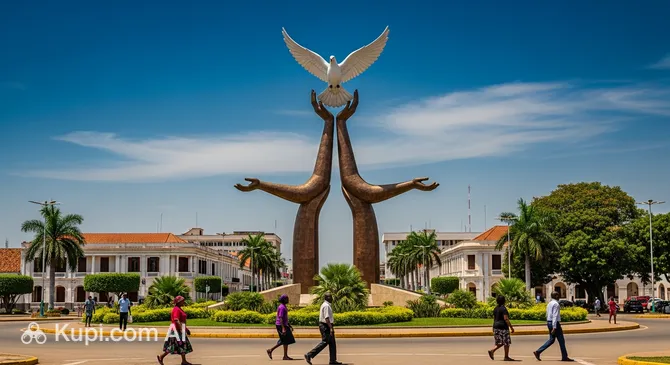
Luena. Source: Kupi.Binoculars

Luena is a captivating destination located in the eastern region of Moxico Province. As the provincial capital, it serves as a vital urban hub and a gateway to the vast landscapes of the interior. Visitors are often welcomed by a sense of resilience and warmth that defines this growing city, making it an interesting stop for those looking to experience the authentic spirit of Angola.

Geographically, the city is situated on the high plateau of the country, offering a distinct atmosphere compared to the coastal regions. With a population of approximately 357,000, it is a bustling center of commerce and culture for the surrounding area. The climate is generally tropical, with a wet season that brings lush greenery to the region, enhancing the natural beauty of the cityscape and its outskirts.

The city has undergone significant changes over the decades. To fully appreciate its current identity, travelers often look into the history of Luena, which traces its evolution from the town formerly known as Luso to its present status. Today, the city is known for its peaceful ambiance and is home to landmarks such as the Monument to Peace, which symbolizes unity and hope for the future.

Travelers visiting Luena can admire the striking architecture of the local Cathedral or observe the daily activity around the historic railway station, a key stop on the famous Benguela Railway. For nature enthusiasts, the city serves as an excellent starting point for excursions into the nearby Cameia National Park, known for its seasonally flooded plains and diverse birdlife. Whether you are passing through on a cross-country journey or staying to explore, Luena offers a unique glimpse into the heart of the nation.

Weather Overview

Travelers planning a visit should be aware that the weather in Luena is generally mild and pleasant, though it follows a distinct seasonal pattern. The city experiences a tropical climate with a clear division between the rainy and dry periods, ensuring that visitors can choose the best time for their activities based on their preferences.

The wet season spans from roughly November to April, characterized by frequent rainfall. During peak rainy months like December and January, the region can experience between 25 and 28 wet days per month, so packing rain gear is essential. Despite the frequency of rain, average temperatures remain comfortable, typically hovering around 21°C to 22°C.

In contrast, the dry season from May to September offers sunny skies with virtually no precipitation, particularly from June to August. This is also the cooler part of the year; in June and July, average temperatures drop to around 19°C, with nighttime lows occasionally reaching 12°C. As the season transitions in September and October, the weather warms up significantly, with maximum temperatures climbing to 30°C or higher.

Interesting Facts

Beyond its role as a provincial hub, Luena holds many fascinating secrets hidden in its names, history, and local legends. Travelers who look closer will discover a city defined by symbolic meanings and unique cultural origins that are often overlooked.

  • The name of the province, Moxico, is believed to be derived from the term "Mukiko," which refers to a traditional basket used by the local people for artisanal fishing. This etymology highlights the region's deep-rooted connection to its rivers and the resourcefulness of its inhabitants.

  • While many know the city was renamed from Luso to Luena after independence, few are aware of the name's deeper significance. In the local Lunda language, the word "Luena" is often interpreted to mean "wild" or "untamed," capturing the spirit of the river that flows through the region and the vast, natural beauty of the surrounding landscape.

  • Luena is widely celebrated as the "City of Peace" (Cidade da Paz). This cherished nickname honors the city's pivotal role in hosting the agreements that brought unity to Angola, making it a living symbol of reconciliation and hope for the entire nation.

  • The historic train station is not just a transport hub but an architectural icon, distinguished by its prominent clock tower. As a key stop on the legendary Benguela Railway, this structure has stood as a silent witness to the city's transformation, connecting the Atlantic coast to the heart of the continent.

How to Get There

Reaching this provincial capital is primarily done via air travel, which connects the region to the rest of the country. For travelers planning their itinerary, finding the most efficient route is key, and you can find more about how to get to Luena on our detailed transport page. The city's infrastructure supports regular domestic flights, making it accessible despite its location in the interior of Angola.

The most direct way to arrive is through the local Luena (LUO) airport, which is conveniently situated within the city limits. Located just 0.9 km from the center, the airport allows for a very quick transfer; a taxi or shuttle ride typically takes just a few minutes. This regional hub handles a moderate flow of passengers and serves as the main gateway for visitors exploring Moxico Province.

If direct flights are unavailable, an alternative option is to fly into Saurimo (VHC), located in the neighboring city of Saurimo. However, travelers should be prepared for a long overland transfer, as this airport is situated about 237.8 km away. The journey by road can take roughly 6 hours and 20 minutes, making it a secondary choice for those who cannot land directly in the city.

For clarity, here is a summary of the main airports:

Airport Name City Passenger Traffic Km from City
Luena Luena Medium 0.9
Saurimo Saurimo Small 237.8

Main Attractions

As the capital of Moxico Province and a city steeped in history, Luena offers visitors a unique blend of cultural heritage and natural beauty. While it may not have the bustling tourism infrastructure of a coastal metropolis, its landmarks tell a powerful story of resilience. The city is best explored at a leisurely pace, allowing travelers to appreciate its colonial-era architecture, wide avenues, and the welcoming spirit that defines this part of Angola.

One of the most significant landmarks in the city is the Monument to Peace (Monumento da Paz). Standing as a towering symbol of national unity, this structure commemorates the historic peace agreements signed in the region. The monument features two large arms elevating a white dove, representing hope and a bright future. It is a deeply emotional and photogenic site that anchors the city's identity as the "City of Peace."

For those interested in architecture and spiritual history, the Cathedral of Our Lady of the Assumption (Sé Catedral de Luena) is a must-visit. This Roman Catholic cathedral serves as the heart of the local diocese and is a fine example of religious architecture in the region. Its serene atmosphere and distinct design make it a standout building in the city center, offering a quiet place for reflection amidst the daily activity of the town.

Nature enthusiasts often use Luena as a base to explore the vast Cameia National Park. Although located outside the immediate city limits, it is the province's premier natural attraction. The park is renowned for its seasonally inundated plains, known as "chanas," which create a unique ecosystem teeming with birdlife. It offers an authentic and rugged wilderness experience for adventurous travelers looking to see the raw beauty of the eastern provinces.

Another site of historical importance is the Luena Railway Station. As a key stop on the iconic Benguela Railway, which connects the Atlantic coast to the interior of the continent, the station is a symbol of the region's connectivity. The building itself, often featuring a classic clock tower, stands as a testament to the city's strategic role in transportation. Watching the trains arrive and depart offers a glimpse into the pulse of daily life and movement in Moxico.

Local Cuisine

The culinary scene in Luena offers an authentic taste of eastern Angola, characterized by hearty, traditional meals that rely heavily on locally sourced ingredients. While the city may not boast high-end gourmet establishments, it is dotted with welcoming eateries and local spots where the food is prepared with care and deep cultural pride. The diet here is centered around sustenance and flavor, reflecting the agricultural abundance of the Moxico plateau.

At the heart of almost every meal is Funge (or Funji), a thick, starchy porridge made from cassava or corn flour. It serves as the canvas for rich, savory stews. In this inland region, these stews frequently feature fresh river fish, reflecting the city's proximity to local waterways, or dried meat known as carne seca. For the adventurous traveler, Luena is an excellent place to try Catatos. These are edible caterpillars, typically fried with garlic, onions, and peppers. They are considered a regional delicacy in Moxico Province and are rich in protein, offering a truly unique gastronomic experience.

Another staple product of the region is honey. Moxico is often celebrated for its high-quality honey production, and visitors will find it used as a natural sweetener or sold in jars at local markets. Alongside this, fresh tropical fruits like mangoes and pineapples are widely available, providing a refreshing and sweet counterpoint to the savory main courses.

When it comes to beverages, the local culture is vibrant. A popular traditional drink is Kissangua, a homemade non-alcoholic beverage made from corn flour and sugar, often served at social gatherings. For those looking for something stronger, Maruvo (palm wine) is a traditional favorite tapped from local trees. Of course, widely recognized national beers like Cuca are easily found and are best enjoyed cold during the warm evenings.

Dining in Luena is often a communal and informal affair. Tourists are encouraged to visit local markets or "quintais"—small, backyard-style restaurants—to get the most authentic experience. These spots offer not only the best prices but also a chance to interact with residents. The atmosphere is generally relaxed, with food served in generous portions meant to be shared and savored slowly.

Travel Tips

Visiting Luena offers a unique glimpse into the serene heart of the Moxico Province, but traveling to this interior region requires a bit more preparation than visiting the coastal cities. These practical tips are designed to help you navigate the "City of Peace" with ease and fully appreciate its welcoming atmosphere.

  1. Clothing and Gear: Since Luena sits on a high plateau, the weather can be surprisingly varied. Pack lightweight, breathable fabrics for the warm days, but be sure to bring a sweater or jacket for the evenings, especially during the dry season (May to August) when temperatures can drop to around 12°C. If you are visiting between November and April, a sturdy raincoat or umbrella is essential for the wet season. Modest attire is recommended when visiting religious sites like the Cathedral.
  2. Transportation: Public transport within the city mainly consists of blue-and-white minibuses known as candongueiros, which follow set routes. For shorter distances, motorbike taxis (locally called kupapatas) are a fast and common way to get around, though you should agree on a price beforehand. If you plan to explore the surrounding areas or visit Cameia National Park, renting a 4x4 vehicle with a driver is highly recommended due to road conditions.
  3. Finances: The local currency is the Angolan Kwanza (AOA). While the economy is modernizing, Luena is still very much a cash-based society. Credit cards are rarely accepted outside of major hotels or large supermarkets. It is crucial to carry enough cash for daily expenses. ATMs are available but can sometimes run out of money or reject international cards, so bringing USD or EUR to exchange at local banks is a wise backup plan.
  4. Health and Safety: Luena is generally safer and more relaxed than the capital, but standard precautions apply; avoid walking alone in unlit areas at night. Malaria is a risk throughout Angola, so carry strong insect repellent and consider sleeping under a mosquito net. Pharmacies are available in the city center for basic supplies, but you should bring any specific prescription medications with you. Always drink bottled or filtered water.
  5. Communication: Portuguese is the official language and is used for all daily interactions. English is not widely spoken, so downloading an offline translation app or learning a few basic phrases like "Bom dia" (Good morning) and "Obrigado" (Thank you) will go a long way. For internet access, purchasing a local SIM card (such as Unitel) is affordable and usually provides a reliable 4G connection in the city.
  6. Local Etiquette: Angolans are warm and polite people who value proper greetings. It is customary to greet people with a handshake and a smile before asking a question or starting a transaction. When entering a room or a shop, a general greeting to everyone present is considered good manners. showing respect to elders is deeply ingrained in the culture.
  7. What to Avoid: Be extremely cautious about photography. Strictly avoid taking photos of police officers, military personnel, government buildings, or the airport, as this is prohibited by law and can lead to serious misunderstandings or confiscation of equipment. Always ask for permission before taking photos of local residents.
  8. Local Insight: Don't leave without trying or buying some local honey. Moxico Province is famous across the country for its high-quality, organic honey. You can find it sold in pure, amber-colored jars at the local markets, and it makes for a delicious and authentic souvenir of your trip to the region.

By keeping these tips in mind, you will be well-equipped to enjoy the slow pace and genuine hospitality that Luena has to offer. Whether you are here for the history, the nature, or the culture, a little preparation ensures your journey through eastern Angola is both safe and memorable.

Entertainment & Nightlife

To experience the nightlife in Luena is to embrace the relaxed and communal spirit of the Moxico Province. Unlike the high-energy clubbing scene found in the capital, the evenings here are defined by laid-back socializing, vibrant music, and warm hospitality. The nightlife is centered primarily around the city center, where locals gather in open-air restaurants and bars to enjoy cold drinks, grilled food, and the rhythms of Kizomba and Semba that often play late into the night.

For a genuine taste of the local scene, travelers should visit Kandimba Restaurante & Bar. Located near the city's main square, this establishment is a staple of Luena's social life. By day, it serves hearty meals, but as the sun sets, it transforms into a lively spot where residents come to unwind with a beer and conversation. It offers an authentic atmosphere that is unpretentious and deeply rooted in the local culture, making it a perfect place to mix with the community.

Another excellent option for a more polished evening is Restaurante do César, situated within the Hotel Kawango. This venue offers a slightly more upscale setting, ideal for travelers looking for a comfortable place to enjoy a cocktail or a glass of wine. The ambiance here is quieter and more intimate, suitable for a relaxing night out after a day of exploration. Additionally, the bar at Hotel Kawissa is a well-known meeting point that provides reliable service and a welcoming environment for tourists.

Practical advice is essential for enjoying your night out. The dress code in Luena is generally casual, though a smart-casual approach is appreciated in hotel bars. Prices are very affordable compared to coastal cities, but it is important to carry cash, as card machines can be unreliable. For transportation, public minibuses stop running in the evening, so it is highly recommended to arrange a taxi or a private driver through your hotel or restaurant before heading out.

Safety in Luena is relatively good, and the "City of Peace" lives up to its name with a calm environment. However, visitors should exercise standard caution by avoiding unlit streets on the outskirts and traveling in groups when possible. Stick to the bustling, well-lit areas of the city center where the nightlife is concentrated, and you will find the experience both safe and enjoyable.

While the nights are for socializing, daytime entertainment in Luena offers a different kind of enrichment. Visitors can explore the Casa da Cultura (House of Culture) to gain insights into the region's history and ethnographic heritage. For those willing to venture further, the city serves as the gateway to the Cameia National Park, offering a chance to witness the unique wildlife and landscapes of eastern Angola before returning to the city for the evening's festivities.

Parks & Museums

While Luena may not boast the extensive museum districts found in larger global capitals, it offers a deeply meaningful collection of cultural landmarks and natural spaces that reflect its identity as the "City of Peace." Visitors will find that the city's heritage is best experienced through its living history, its symbolic monuments, and the breathtaking wilderness that surrounds this provincial hub in Angola.

For nature lovers, the most significant highlight is undoubtedly Cameia National Park. Although it requires a journey outside the immediate city limits, it is the ecological jewel of Moxico Province. The park is famous for its vast, seasonally flooded plains known as "chanas," which create a unique habitat for diverse bird species and aquatic life. It represents the raw, untamed beauty of the region and offers adventurous travelers a chance to witness the landscape recovering and thriving.

Closer to the urban center, the city itself is characterized by wide, tree-lined avenues and open squares that function as communal green spaces. The banks of the Luena River, from which the city takes its name, provide a serene setting for a walk. These natural areas are not manicured botanical gardens but rather authentic slices of the local geography where residents gather, offering a peaceful atmosphere for a stroll in the late afternoon.

In terms of cultural heritage, the Monument to Peace (Monumento da Paz) serves as the city's most important open-air museum. This towering structure is more than just a statue; it is the physical embodiment of the historic peace accords that were negotiated in the region. Visitors can walk around the complex to admire the design, which features two hands releasing a white dove, symbolizing the country's unity and hope. It is a place of quiet reflection and a must-see for understanding the local spirit.

Another key site that functions as a historical gallery is the Luena Railway Station. As a vital node on the legendary Benguela Railway, the station is an architectural landmark featuring colonial-era design elements. While not a traditional museum, the building and its surroundings tell the story of the railway's role in connecting the Atlantic coast to the African interior. Watching the trains and observing the station's daily life offers a vivid window into the economic and social history of the province.

For a deeper dive into local traditions, travelers should look for the Casa da Cultura (House of Culture). This venue often acts as a community hub for arts and events, showcasing local craftsmanship, music, and dance. While exhibitions may vary, it is a primary spot to engage with the artistic expression of the Chokwe, Luvale, and other local ethnic groups.

Insider Tip: To experience the true "green" heart of the region, ask a local guide to show you the Chanas during the rainy season. These flooded grasslands transform the landscape into a shimmering mirror of water and greenery, offering a spectacular and photogenic view that few tourists get to see.

Getting Around

The public transport system in Luena is straightforward and relies primarily on informal road-based networks rather than complex infrastructure like metros or trams. The city does not have a subway or a large-scale municipal bus fleet. Instead, getting around is an authentic experience driven by privately operated vehicles that connect the city center with the suburbs and surrounding neighborhoods.

The backbone of local transit is the candongueiro, a blue-and-white minibus that functions as a shared taxi. These vehicles follow general routes along main avenues but do not always have designated stops; passengers typically flag them down from the roadside and signal when they wish to get off. They are the most affordable way to travel, offering a chance to commute alongside residents and observe the daily rhythm of the city.

For shorter distances or to reach areas where minibuses do not venture, motorbike taxis, locally known as kupapatas, are extremely popular. These are faster and offer door-to-door service, making them convenient for quick errands. However, they are less regulated than cars, so it is advisable to choose a driver who has a spare helmet and appears to be driving cautiously.

The payment system across all forms of public transport in the city is strictly cash-based. There are no travel cards, electronic passes, or mobile apps for ticketing. Passengers pay the driver or the conductor (often called the cobrador in minibuses) directly upon boarding or exiting. Fares are generally very low, but it is essential to carry small bills and coins, as drivers frequently struggle to make change for large denomination notes.

Tourists planning to use these services should be prepared for a system that operates without fixed timetables. Candongueiros usually run from early morning until sunset; availability drops significantly after dark, so it is not a reliable option for nightlife. When using a motorbike taxi, it is customary to agree on the fare before the journey begins to avoid misunderstandings upon arrival.

Regarding alternatives, conventional private taxis are not as widespread on the streets as they are in larger capitals. Visitors who prefer the comfort of a private car typically arrange transport through their hotel or hire a car with a driver for the duration of their stay. Ride-sharing apps are not currently a standard part of the local transport landscape, so relying on pre-arranged logistics is often the safest bet for newcomers.

While the city lacks a historic tram or cable car, the Luena Railway Station serves as a major transport landmark. Although it is primarily for intercity travel on the Benguela Railway rather than local commuting, the area around the station acts as a central hub where many minibuses and taxis congregate, making it a key reference point for navigating the transport network.

Accommodation

Accommodation in Luena is generally practical and functional, catering primarily to business travelers and those exploring the interior of the country. Visitors should not expect the high-end luxury resorts found in some coastal capitals; instead, the city offers a selection of mid-range hotels, guesthouses (often called residenciais), and budget-friendly lodges. These establishments typically provide clean, comfortable amenities that serve as a reliable base for your adventures in Moxico Province.

The most convenient area to stay is undoubtedly the city center. Choosing a hotel in this zone places you within walking distance of key landmarks, local restaurants, and the vibrant daily life of the streets. Staying centrally also ensures easier access to transport hubs, such as the railway station and taxi ranks, making it simpler to arrange excursions to nearby attractions or the national park.

Among the well-known options in the city is Hotel Kawissa. It is frequently cited by travelers for its central location and on-site dining facilities, making it a solid choice for those looking for convenience. Another popular establishment is Hotel Kawango, which is often recognized for its restaurant, Restaurante do César. This hotel is a common meeting point for locals and visitors alike, offering a social atmosphere and amenities that often include a swimming pool, which is a welcome feature during the warmer months.

Booking Tip: Unlike in major global tourist destinations, online booking platforms may have limited listings for Luena. It is highly recommended to book your accommodation in advance by contacting the hotel directly via phone or email. If you are traveling during a major holiday or a local government event, securing your room early is essential as availability can fill up quickly.

In terms of pricing, options generally fall into the budget to mid-range categories. While some establishments accept credit cards, the local system can be intermittent, so it is crucial to carry sufficient cash (Angolan Kwanza) to cover your stay and incidental expenses. Most hotels offer a straightforward, hospitable experience, prioritizing basic comfort and security over lavish extras.

Nearby Cities

Luena serves as a strategic gateway in the Moxico Province, connecting the eastern interior to other significant regions of Angola. While the distances between urban centers in this vast country can be substantial, the road and rail networks link the city to several interesting destinations. Travelers often use Luena as a base to reach neighboring provincial capitals and historic towns, offering a chance to witness the changing landscapes of the high plateau.

One of the most prominent cities in the vicinity is Saurimo, located approximately 240 km to the northeast. As the capital of Lunda Sul Province, it is a bustling economic hub known for its vibrant local culture. To the west lies Cuito, situated about 328 km away. This historic city in Bié Province is a testament to the nation's resilience and is a key stop for those crossing the central highlands.

Traveling east towards the border with the Democratic Republic of the Congo, visitors will find Luau. Positioned 281 km from Luena, this town marks the eastern terminus of the Benguela Railway and serves as an important commercial entry point. Other accessible towns include Ndulo and Catabola, which offer further opportunities to explore the rural heart of the country.

For your convenience, here is a table detailing the nearby cities, their populations, and their distances from Luena:

City Name Population Distance (km)
Ndulo 258,161 229
Saurimo 393,000 240
Luau 90,000 281
Catabola 126,631 287
Cuito 355,423 328

Shopping & Souvenirs

Shopping in Luena offers a down-to-earth and authentic experience that reflects the modest yet vibrant lifestyle of the Moxico Province. Unlike the bustling commercial hubs of the capital, the retail scene here is relaxed and centered on community needs. Visitors will not find high-end luxury boutiques or sprawling fashion districts; instead, the city provides a mix of functional general stores, lively open-air markets, and small shops where the warmth of the local service is the main attraction.

The primary commercial activity is concentrated in the city center, particularly along the main avenues radiating from the Luena Railway Station. This area serves as the commercial heart of the town, where travelers can find a variety of small shops selling clothing, electronics, and household goods. Walking down these streets offers a pleasant opportunity to observe the daily commerce of the city, with vendors and shopkeepers often engaging in friendly conversation with their customers.

While Luena does not boast the massive shopping malls found in larger international cities, it has modernized in recent years with the addition of large supermarkets and commercial centers. Establishments like Shoprite and Nosso Super provide a more contemporary shopping environment where visitors can purchase groceries, toiletries, and other travel essentials in a familiar, air-conditioned setting. These spots are reliable for stocking up on supplies if you are planning an excursion into the surrounding wilderness.

For a deeper dive into local culture, the bustling municipal markets are the most interesting places to visit. These vibrant hubs are where the city comes alive, filled with the colors and scents of the region. Here, you can find everything from fresh tropical fruits and river fish to colorful fabrics known as panos. The markets are not just places to buy food; they are social gathering points where you can witness the true rhythm of Luena and interact with residents in a lively atmosphere.

When searching for souvenirs, the most iconic item to bring back is undoubtedly honey. The province is renowned across Angola for producing some of the finest organic honey in the country. You can find it sold in pure, amber-filled jars at local markets or roadside stalls. Additionally, look for traditional basketry; the name of the province, Moxico, is derived from a type of basket, making a locally woven piece a culturally significant keepsake. Wood carvings reflecting the artistic heritage of the Chokwe people are also unique finds.

Practicalities are important for a smooth shopping experience. Most shops generally open around 8:00 AM and close by 6:00 PM, though supermarkets may stay open later. Smaller businesses often close for a lunch break between 1:00 PM and 2:00 PM. Payment is overwhelmingly cash-based. While major supermarkets may accept local debit cards, international credit cards are rarely accepted in smaller shops or markets. It is essential to carry sufficient Angolan Kwanza (AOA) in small denominations. Tourists should also note that tax-free shopping or VAT refund schemes are not currently available in the region.

Nearby cities

Reached the end of the page?

That means the route is fully explored