Support

Huambo

About

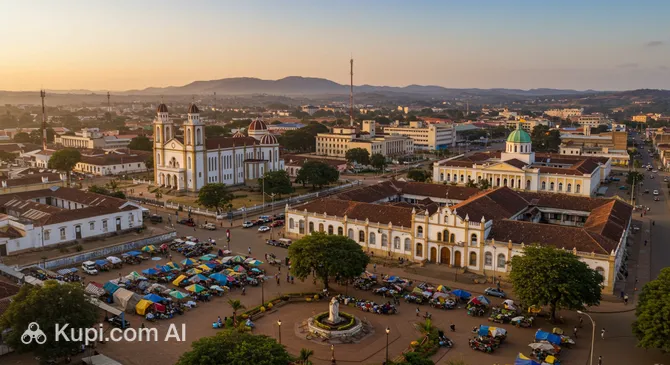
Welcome to Huambo, a captivating city located on the central plateau of Angola. As the country's second-largest city, it serves as a bustling hub of culture and commerce, yet it retains a surprisingly relaxed atmosphere thanks to its high altitude. Visitors are often delighted by the region's temperate, spring-like climate, which offers a refreshing escape from the tropical heat found elsewhere in the nation.

Huambo. Source: Kupi.Binoculars

Formerly known as Nova Lisboa, the city boasts a unique architectural character that blends colonial heritage with modern energy. Walking through the wide avenues, you can sense the spirit of the local community and admire the mix of old and new structures. For those interested in how this highland metropolis evolved over the decades, the history of Huambo offers a fascinating glimpse into its transformation from a planned colonial settlement to a thriving provincial capital.

The city is often celebrated for its greenery and scenic surroundings, earning it a reputation as a garden city. Key landmarks include the striking Sé Catedral de Huambo, a beautiful white cathedral that dominates the skyline, and the tranquil Jardim da Cultura, where locals and tourists alike enjoy peaceful strolls. With its vibrant markets and proximity to the stunning landscapes of the Planalto Central, Huambo is an inviting destination for any traveler wishing to experience the diverse beauty of the region.

Weather Overview

Huambo benefits from a temperate highland climate, offering mild conditions throughout much of the year. The weather in Huambo is generally defined by a distinct dry season during the cooler months and a wet season during the warmer period.

The dry season, spanning from May to September, sees virtually no precipitation, with months like June, July, and August recording 0 wet days. During this time, temperatures are cooler, with daily averages dipping to around 17.1°C in June and nighttime lows reaching approximately 10°C.

Conversely, the wet season usually lasts from October to April. This period is characterized by frequent rainfall, with months such as March and December experiencing up to 25 wet days. Despite the rain, temperatures remain pleasant, typically ranging from highs of roughly 24°C to 25°C. Expect warm days with regular showers in the summer and cooler, dry conditions during the winter months.

Interesting Facts

Beyond its scenic landscapes and highland breeze, Huambo hides a history full of ambitious plans and unique cultural footnotes that many visitors overlook.

  • The Capital That Never Was: In 1928, the city was renamed Nova Lisboa (New Lisbon) and was officially designated to replace Luanda as the capital of Angola. The colonial administration favored its temperate, disease-free climate and central location, but despite the official decree, the administrative transfer never fully materialized.

  • A Motorsport Legacy: During the late 1960s, the city became an unexpected hub for international racing. It hosted the famous Nova Lisboa 6 Hours, a sports car endurance race that utilized a street circuit through the city, attracting renowned drivers and teams from across the globe.

  • The "Pauling Town" Era: Before its rise to prominence, the settlement was locally nicknamed "Pauling Town." This moniker honored the British contractor George Pauling, whose engineering firm was instrumental in constructing the Benguela Railway, the vital transport line that originally sparked the city's development.

  • Royal Roots: The name "Huambo" is not random; it is derived from Wambu, one of the 14 ancient kingdoms of the Ovimbundu people. Historical accounts suggest the name honors a legendary hunter or chief, rooting the modern city deeply in the region's pre-colonial heritage.

How to Get There

Reaching this central highland city is relatively straightforward, with air travel being the most efficient option for most visitors. For a comprehensive guide on all transport modes, you can read more about how to get to Huambo to help plan your journey.

The most direct entry point is the local Huambo airport (IATA: NOV), also known as Albano Machado Airport. Conveniently located just 4.1 km from the city center, it serves as the primary gateway for domestic flights connecting from Luanda and other provinces. The short commute from the terminal to downtown typically takes about 25 minutes by taxi or shuttle, making it a hassle-free arrival point.

If direct flights are unavailable, you might consider flying into Catumbela Airport (IATA: CBT) in the coastal city of Catumbela. However, travelers should be aware that this airport is approximately 247.7 km away from Huambo. The overland journey from the coast to the highlands is scenic but long, taking roughly 4 to 5 hours by road. Another regional option is Menongue (IATA: SPP) in the city of Menongue, situated about 298.3 km away.

For clarity, here is a summary of the main airports:

Airport Name City Passenger Traffic Km from City
Catumbela Airport Catumbela Medium 247.7
Menongue Menongue Small 298.3
Huambo Huambo 4.1

Main Attractions

Huambo is often referred to as the "Garden City" of Angola, and its attractions reflect a harmonious blend of architectural heritage and natural beauty. While the city is a commercial hub, its tourism appeal lies in its peaceful atmosphere, historical buildings, and proximity to some of the country's most stunning landscapes.

Sé Catedral de Huambo (Cathedral of Our Lady of the Conception) is arguably the most recognizable landmark in the city. Located in the heart of downtown, this pristine white structure is a fine example of colonial-era architecture that has been beautifully preserved. Its striking façade and tall tower dominate the skyline, making it a favorite subject for photographers. For visitors, it serves not only as a place of worship but as a symbol of the city's architectural elegance and resilience.

For those interested in the natural wonders of the region, a trip to Mount Moco is an essential experience. Although situated just outside the city limits in the wider Huambo Province, it is the highest peak in the country, rising to 2,620 meters. It is a premier destination for hikers, climbers, and especially birdwatchers, as the mountain's forest patches are home to several endemic bird species found nowhere else on Earth. The panoramic views from the slopes offer a breathtaking perspective of the Planalto Central.

To understand the local culture and history, the Regional Museum of Huambo is a worthwhile stop. The museum houses a collection that spans ethnography, geology, and natural history, offering insights into the diverse traditions of the Ovimbundu people and the region's biodiversity. While the collection is modest, it provides valuable context for travelers looking to connect with the heritage of the central highlands.

Back in the city center, the Jardim da Cultura (Culture Garden) invites visitors to relax in one of Huambo's signature green spaces. True to the city's reputation, this park is a lush oasis where locals gather for leisure and social events. It is an excellent spot for a quiet afternoon walk, allowing tourists to soak in the slow-paced, friendly vibe of the city while admiring the surrounding flora that thrives in the temperate climate.

Local Cuisine

The culinary scene in Huambo is a direct reflection of its status as the agricultural heartland of Angola. Known for its fertile soil and temperate climate, the region produces an abundance of fresh vegetables, maize, and beans, which form the foundation of the local diet. Travelers here can expect hearty, farm-to-table meals that prioritize fresh ingredients and traditional preparation methods over complex spices.

No visit to the central highlands is complete without trying Funge, the staple side dish of the country. In Huambo, you will often find the version made from corn flour (fuba de milho), which has a slightly sweeter taste and firmer texture compared to the cassava variety common in the north. It is typically served with rich stews such as Calulu, a flavorful combination of dried fish or meat cooked with sweet potato leaves, okra, and palm oil. Another local favorite is Kizaca, a dish made from stewed cassava leaves, often seasoned with peanut paste for a creamy, savory finish.

For those looking to quench their thirst, the traditional drink Kissangua is a must-try cultural experience. This homemade beverage is typically made from corn flour and pineapple peels, fermented to create a refreshing, slightly sweet drink that locals enjoy throughout the day. In the evenings, you can join the residents in enjoying a cold Cuca or Nocal, the most popular national beers, which pair perfectly with the savory local snacks.

The food culture in Huambo is relaxed and unpretentious. While there are formal restaurants in the city center serving Portuguese-influenced cuisine and grilled meats, the true flavor of the city is found in its markets and smaller eateries. Be sure to visit the local street vendors to try the region's famous fruit; thanks to the cool climate, Huambo is one of the few places in the country where you can find fresh, locally grown strawberries and avocados, often sold right by the roadside.

Travel Tips

Planning a trip to Huambo requires a bit of specific preparation due to its unique highland climate and local customs. These practical tips will help you navigate the "Garden City" with ease and ensure a smooth and enjoyable experience.

  1. Clothing and Gear: Because of the city's high altitude, temperatures can drop significantly in the evenings, so packing layers like a warm sweater or light jacket is essential, even during the warmer months. If you are visiting during the wet season (October to April), bring a sturdy raincoat or umbrella, and ensure you have comfortable walking shoes for exploring the city's uneven pavements and parks.

  2. Transportation: The most common form of public transport is the blue-and-white minibus taxi known as a Candongueiro; while cheap, they can be crowded and confusing for newcomers. For safety and convenience, it is better to hire a private taxi or arrange a driver through your hotel. Motorbike taxis, locally called Kupapatas, are ubiquitous for short trips but should be used with caution regarding safety gear.

  3. Finances: The local currency is the Angolan Kwanza (AOA), and cash is the primary method of payment for most daily transactions, including restaurants and markets. International credit cards are rarely accepted outside of major hotels, and ATMs can be unreliable with foreign cards, so bring sufficient USD or EUR to exchange at official bureaus.

  4. Health and Safety: Although the climate is cooler, malaria remains a risk, so carry insect repellent and consult your doctor about prophylaxis before traveling. Always drink bottled water rather than tap water, and while Huambo is generally peaceful, it is wise to avoid walking alone in unlit areas at night and to keep valuables discreet.

  5. Communication: Portuguese is the official language and is spoken by everyone; English is not widely understood outside of the tourism and business sectors. It is highly recommended to learn a few basic phrases or download an offline translation app. For connectivity, you can easily purchase a local SIM card from providers like Unitel in the city center.

  6. Local Etiquette: Greetings are very important in Angolan culture; always say "Bom dia" (Good morning) or "Boa tarde" (Good afternoon) and shake hands before starting a conversation or asking for directions. showing respect to elders and remaining patient in social interactions will be greatly appreciated by the locals.

  7. What to Avoid: Strictly avoid taking photographs of government buildings, military personnel, police officers, or critical infrastructure like bridges and airports. This is considered a serious security breach in Angola and can lead to the confiscation of your camera or legal issues.

  8. Local Insight: Don't miss the chance to buy fresh produce from street vendors, particularly the region's famous strawberries and avocados. Huambo's cool climate produces some of the best fruit in the country, and buying directly from locals is both cheaper and a great way to support the community.

With these practical tips in hand, you are well-prepared to discover the charm and hospitality of the central highlands. Enjoy the refreshing climate and the vibrant culture that make Huambo such a special destination!

Entertainment & Nightlife

Entertainment and nightlife in Huambo offer a distinctively relaxed yet vibrant experience, reflecting the city's friendly "Garden City" atmosphere. While it does not have the frantic pace of the capital, the evenings here are lively, especially on weekends when the cooler highland air fills with the rhythms of Kizomba and Semba. The nightlife scene is largely centered around socializing in open-air terraces, hotel bars, and a select few nightclubs where locals and visitors mingle freely.

The city center, particularly around the commercial zones of the Cidade Alta, serves as the main hub for evening activities. Unlike sprawling metropolises, Huambo's nightlife is relatively compact, making it easier to navigate. The vibe is generally casual and welcoming, with a dress code that leans towards smart-casual. Most bars and restaurants begin to fill up around 8:00 PM for dinner and pre-drinks, while the dance clubs typically kick into high gear after 11:00 PM and stay open until the early hours of the morning.

For those looking to experience the local party scene, Kopus Club is one of the most well-known venues in the city. It attracts a trendy crowd and is the place to go if you want to dance to a mix of Angolan hits and international tracks. Another staple of Huambo’s social life is the venue associated with the Ferrovia (Railway) sports complex. It often functions as a lively spot for evening gatherings, offering a mix of food, drinks, and music in a setting that feels deeply connected to the city's history. For a more laid-back evening, the bar at Hotel Ekuikui I provides a sophisticated environment to enjoy a cocktail and conversation.

Practicality and safety are important when enjoying a night out in Huambo. Public transport is scarce at night, and walking between venues after dark is not recommended due to poor street lighting in some areas. The best advice is to arrange a private taxi or a driver through your accommodation before heading out. Prices for drinks and entry fees are generally affordable compared to Luanda, but it is essential to carry cash (Kwanza), as card machines can be unreliable at smaller establishments.

During the daytime, entertainment in Huambo shifts towards cultural and outdoor activities. Visitors can explore the bustling local markets to see the vibrant trade of the central highlands or enjoy a peaceful afternoon in the city's green spaces. While traditional amusement parks are not a major feature, the city's cinemas and cultural centers occasionally host events and screenings. The relaxed pace of the day provides the perfect balance to the energetic social atmosphere that takes over once the sun goes down.

Parks & Museums

True to its reputation as Angola's "Garden City," Huambo offers a refreshing array of green spaces that stand in harmony with its reviving cultural institutions. The city’s high-altitude climate allows for lush vegetation that is unique in the country, creating a scenic backdrop for exploring its history and artistic heritage.

Jardim da Cultura (Garden of Culture) is the beating heart of the city's social life and a perfect example of Huambo's green planning. Located centrally, this expansive park serves as a communal living room where residents gather for everything from morning exercises to weekend picnics. It is more than just a park; it is a cultural venue that frequently hosts open-air events, fairs, and concerts, making it an ideal spot for tourists to observe the relaxed, friendly rhythm of local life.

For botany enthusiasts, the Estufa Fria (Cold Greenhouse) is a fascinating landmark that highlights the region's agricultural potential. This historic botanical space features a variety of plant species that thrive in the central highlands' temperate weather. Recently rehabilitated, it offers a tranquil environment for walking and studying the local flora, reflecting the city's deep roots in agricultural research and environmental preservation.

The cultural landscape is anchored by the Regional Museum of Huambo (Museu Regional do Huambo), which provides a window into the rich heritage of the Ovimbundu people. The museum houses a significant collection of ethnographic artifacts, including traditional clothing, hunting tools, and ceremonial objects, as well as archaeological finds that trace the history of the central plateau. It is an essential stop for visitors wishing to understand the traditions that shaped this region before and during the colonial era.

A modern addition to the city's artistic scene is the Centro Cultural Manuel Rui. Named after the celebrated Angolan writer and poet, this multidisciplinary center is a hub for contemporary arts, featuring exhibition halls, a theatre, and spaces for workshops. It represents the new face of Huambo, bridging its literary history with a forward-looking creative energy, and often hosts plays and art exhibitions that are accessible to the public.

For a truly authentic experience, nature lovers willing to venture a bit further should visit the Kavongue Forest Reserve. Located roughly 20 kilometers from the city center, this protected area offers a wilder contrast to the manicured urban parks. It is a fantastic spot for hiking and birdwatching, giving intrepid travelers a glimpse of the dense, native highland forests that once covered much of the province.

Getting Around

Navigating Huambo is an authentic experience that relies heavily on road-based transport rather than extensive rail or subway networks. The city does not have a metro, tram, or trolleybus system. Instead, the public transport landscape is dominated by an informal yet highly organized network of minibuses and motorcycle taxis, which serve as the lifelines for local commuters moving between the city center and the surrounding neighborhoods.

The most ubiquitous form of transport is the Candongueiro, the iconic blue-and-white painted minibus (usually a Toyota HiAce). These vehicles operate on fixed routes throughout the city and are the primary mode of travel for residents. There are no official bus stops in the Western sense; instead, passengers flag them down by the side of the road and shout their destination to the conductor, known as the cobrador, who hangs out of the window. To get off, you simply signal the driver or conductor as you approach your destination.

For shorter distances or areas that are difficult to reach by van, Kupapatas (moto-taxis) are an extremely popular alternative in Huambo. These motorcycle taxis offer a faster, door-to-door service and are particularly useful for navigating traffic or narrow streets. While they are convenient and affordable, they lack the safety features of a car. Tourists are strongly advised to insist on a helmet, although they are not always provided, and to agree on the fare before hopping on.

Regarding payment, the system operates exclusively on cash. There are no travel cards, passes, or mobile apps for paying fares on public transport. You pay the conductor or driver directly in local currency (Kwanzas). Fares for Candongueiros are generally fixed and very affordable, while prices for Kupapatas must be negotiated in advance. It is essential to carry small denominations, as drivers often struggle to make change for large bills.

For those seeking more comfort or privacy, traditional private taxis are available, though they are not as visible on the streets as the blue-and-white vans. They usually congregate at specific stands, such as near the airport or major hotels. Ride-sharing apps are not widely established in the city, so it is best to ask your hotel reception to call a trusted driver for you. Car rentals are also an option, but due to local driving habits and road conditions, renting a car with a local driver is often the most stress-free choice for visitors.

A special feature of the city's transport infrastructure is the Benguela Railway (CFB). While it is primarily an intercity service connecting the coast to the eastern border, the central station in Huambo is a significant landmark. The train is not used for daily urban commuting within the city limits, but it offers a comfortable and scenic way to travel regionally if you are planning excursions to nearby towns or the coast. The station itself is a testament to the city's historical importance as a transport hub.

Public transport typically operates from the very early hours of the morning, around 5:00 AM, until early evening. Service drops off significantly after sunset, and it can be difficult to find a Candongueiro or Kupapata at night. For safety and convenience, tourists should plan their travel during daylight hours and rely on pre-arranged private transport for any evening activities.

Accommodation

Accommodation in Huambo is primarily designed to serve business travelers and visiting officials, resulting in a hospitality landscape that is functional, comfortable, and steadily improving. While the city does not yet offer ultra-luxury resorts, visitors will find a solid selection of reliable mid-range hotels and charming local guesthouses, known as pensões. The atmosphere in these establishments often reflects the city's relaxed "Garden City" vibe, offering a quiet retreat after a day of exploration.

For the best experience, it is highly recommended to stay in the City Center (Cidade Alta or downtown). This area is not only the safest and most developed part of Huambo but also places you within easy reach of major landmarks like the Sé Catedral and the Jardim da Cultura. Staying centrally minimizes the need for long commutes and provides better access to restaurants, supermarkets, and taxi stands.

The hotel scene is anchored by a few well-known establishments that set the standard for local lodging. The most prominent among them is Hotel Ekuikui I, named after a historic king of the Bailundo. It is widely regarded as the city's premier hotel, offering modern amenities such as a swimming pool, conference rooms, and reliable Wi-Fi, making it a favorite for international visitors. Another notable option is the Hotel Roma Ritz, which offers a comfortable and central base for travelers who prioritize location and modern facilities.

Booking Tip: Unlike in major global tourist hubs, online booking platforms may not list all available properties in Huambo, or availability may not be updated in real-time. For the best results, it is often more effective to contact hotels directly via phone or email. Additionally, demand can spike during government conferences or regional events, so securing your reservation at least a few weeks in advance is a wise precaution.

Regarding costs, prices generally fall into the mid-range to upper-mid-range category. Quality accommodation is in high demand, so rates can be higher than one might expect for a provincial capital. Budget travelers can find more affordable rates in smaller guesthouses, though amenities like constant electricity and hot water may vary. regardless of where you stay, be prepared to pay in cash (Kwanza) or with a local debit card, as international credit card machines can be unreliable.

Nearby Cities

For those looking to explore the surroundings, Huambo serves as an excellent base for day trips to several interesting nearby locations:

City Population Distance (km)
Cubal 357,618 165
Cuito 355,423 136
Bailundo 294,494 65
Ganda 235,486 124
Caluquembe 169,420 160

Among these options, Bailundo is the most popular choice for a convenient day trip, located just about an hour's drive north of Huambo. It holds immense historical significance as the seat of the ancient Kingdom of Bailundo. Visitors can explore the Ombala (Royal Court) to learn about the rich traditions of the Ovimbundu people and the legacy of King Ekuikui. The town offers a profound cultural experience set against the beautiful backdrop of the central highlands.

Another fascinating destination is Cuito, the capital of the neighboring Bié Province. Situated to the east, it is a city known for its resilience and vibrant spirit. A visit here allows travelers to witness the bustling daily life of a provincial capital and admire the local architecture, which is steadily being revitalized. The journey between Huambo and Cuito is also scenic, passing through rolling hills and agricultural landscapes that define the heart of the country.

These nearby destinations offer a glimpse into the diverse culture and landscapes of the region.

Shopping & Souvenirs

Shopping in Huambo offers a distinct blend of emerging modern retail and traditional African commerce. While the city is not a destination for high-end luxury fashion, it provides a genuine look into the local lifestyle. Visitors can expect to find a mix of practical goods, vibrant textiles, and excellent local produce. The experience ranges from the convenience of air-conditioned malls to the energetic atmosphere of open-air marketplaces where bargaining is part of the culture.

For a contemporary shopping experience, the Xyami Shopping Huambo is the city's premier destination. Located centrally, this modern complex houses a variety of clothing stores, electronics shops, and a large supermarket. It is a popular spot for both locals and tourists seeking imported goods or a comfortable environment to browse. The mall also features a food court and a cinema, making it a social hub as much as a retail center.

To truly understand the commercial spirit of the region, visiting the local markets is essential. The Mercado Municipal (Municipal Market) and the sprawling informal markets, such as the famous Mercado da Alemanha, are where the city comes alive. These bustling areas are packed with vendors selling everything from colorful fabrics and second-hand clothing to household items. Given Huambo's reputation as the country's breadbasket, the food sections are particularly impressive, overflowing with fresh strawberries, avocados, and dairy products produced in the surrounding highlands.

When searching for souvenirs, look for items that reflect the artistic heritage of the Ovimbundu people. Wood carvings and traditional pottery are popular choices, showcasing skilled craftsmanship. Basketry is another local specialty, with intricate designs that make for beautiful, lightweight gifts. Additionally, bringing back a bag of locally grown coffee or a jar of rich highland honey is a great way to share the flavors of Angola with friends back home.

Standard store hours in the city center are typically from 8:00 AM to 6:00 PM on weekdays, with many shops closing around 1:00 PM on Saturdays. The shopping mall usually operates with extended hours, staying open until 10:00 PM. While credit and debit cards are accepted in the mall and major hotels, cash (Angolan Kwanza) is the only method of payment in markets and smaller street shops. It is highly recommended to carry small bills to make transactions smoother.

Tourists should be aware that tax-free shopping or VAT refund schemes are not generally available in the country. The price you see on the tag is typically the final amount you will pay.

Reached the end of the page?

That means the route is fully explored