Support

Menongue

About

Menongue is a welcoming and rapidly developing city serving as the capital of the Cuando Cubango Province. Known for its warm hospitality and strategic importance, it acts as a vital commercial and transportation hub in the southeastern region of Angola. The city offers a unique blend of urban life and proximity to some of the country's most pristine natural landscapes, making it an intriguing stop for adventurous travelers.
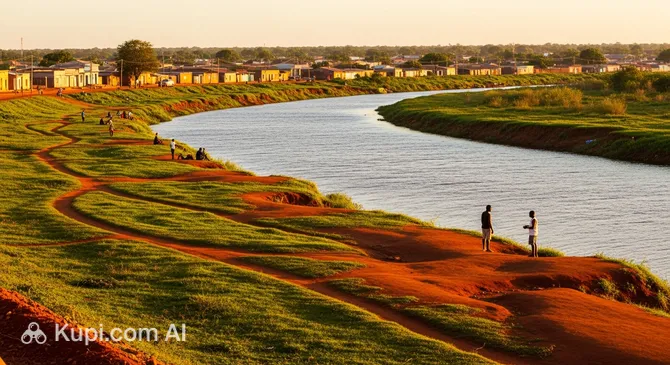
Menongue. Source: Kupi.Binoculars

Geographically, Menongue is situated on the banks of the picturesque Cuebe River, which adds a refreshing charm to the cityscape. With a population of approximately 320,000 residents, it is a bustling center that maintains a distinct local character. The climate here is generally tropical savanna, offering warm days that are perfect for outdoor exploration.

The city was formerly known as Serpa Pinto until 1975. Visitors interested in the past can explore the history of Menongue to understand its evolution from a colonial settlement to its current status as the terminus of the important Moçâmedes Railway. This railway connection links the city to the coast, playing a crucial role in its growth and accessibility.

For tourists, Menongue serves as a gateway to the wild beauty of the province. The city is an excellent starting point for expeditions into the renowned Okavango Basin, a region celebrated for its rich biodiversity and wildlife. Within the city itself, the riverfront provides a relaxing atmosphere for walks, while the local markets offer a glimpse into the daily life and culture of the people.

Whether you are passing through on a cross-country journey or looking to explore the natural wonders of southeastern Angola, Menongue invites you to discover its friendly spirit and scenic surroundings.

Weather Overview

Menongue features a climate with distinct seasonal variations, offering travelers different experiences depending on the time of year. Generally, you can expect warm temperatures, but the conditions shift between a dry winter and a humid summer. For the most accurate planning, it is advisable to consult the weather in Menongue before your trip.

The dry season, running from May to September, is characterized by clear skies and virtually no rainfall. During this period, particularly in June and July, the weather is cooler with average temperatures hovering around 18.2°C, and nights can be quite crisp with lows dropping to approximately 10°C.

Conversely, the wet season typically lasts from November to April, bringing frequent precipitation; January, for instance, can see up to 23 wet days. The months leading into the rainy season, September and October, are usually the hottest, with maximum temperatures often reaching above 32°C.

Interesting Facts

Beyond its administrative duties, Menongue holds fascinating stories and natural treasures that reflect its unique character. The city is not just a transit point but a destination where local heritage and the environment converge.

  • The city's name is a direct homage to King Mwene Vunongue, a revered 19th-century Nganguela monarch. His historical significance is preserved at a local heritage site where his tomb is located, offering a tangible connection to the region's royal past.

  • For a long time, the surrounding province was poetically referred to as the "Lands at the End of the World" (Terras do Fim do Mundo). This moniker described the area's vastness and isolation within Angola, though Menongue has since transformed from a remote outpost into a vibrant regional capital.

  • Just a short distance from the urban center, visitors can discover the beautiful Cuebe Waterfall (Quedas do Cuebe). This scenic spot on the river is a favorite local retreat, providing a peaceful atmosphere for picnics and a chance to enjoy the refreshing mist of the cascades.

  • Geographically, the city plays a crucial role in the Kavango-Zambezi Transfrontier Conservation Area (KAZA). As part of the headwaters feeding the Okavango Delta, the river systems around Menongue are essential for supporting the rich wildlife that migrates through this massive ecological corridor.

How to Get There

Reaching this provincial capital is relatively straightforward, with air travel being the most convenient option for most visitors. For a comprehensive overview of all transport methods, routes, and tips, you can read more in our detailed guide on how to get to Menongue. The city is well-connected to the national network, serving as a key logistical hub in southeastern Angola.

The primary entry point is Menongue Airport (IATA: SPP), conveniently located just 2.3 km from the city center. This facility handles domestic flights, linking the region to the capital, Luanda, and other major cities. Upon arrival, the short journey to the downtown area is very quick, typically taking only about 5 to 10 minutes by taxi. As the main gateway, it handles a light volume of passengers annually, ensuring a generally relaxed arrival experience while remaining essential for tourism and business in the province.

Alternatively, some travelers might consider flying into Huambo Airport (IATA: NOV), situated in the city of Huambo. However, it is important to note that this airport is approximately 293 km away from Menongue. The overland transfer from Huambo is significant, taking roughly 7.5 to 8 hours by car or bus depending on road conditions. This route is generally recommended only if you plan to explore the central highlands before heading southeast.

For clarity, here is a summary of the main airports:

Airport Name City Passenger Traffic Km from City
Menongue Menongue Light 2.3
Huambo Huambo - 293.0

Beyond air travel, Menongue is accessible by road and rail. The city is the eastern terminus of the historic Moçâmedes Railway, which runs from the coastal city of Namibe through Lubango, offering a scenic and adventurous rail journey across southern Angola. For those driving, the road network connects Menongue to Bié and other neighboring provinces, though it is always advisable to check current road conditions before embarking on long-distance driving trips.

Main Attractions

Menongue offers a compelling mix of historical depth and natural beauty, making it a rewarding destination for those willing to explore beyond the beaten path. The city's attractions reflect its role as a regional capital and its significant place in Angola's history, ranging from monuments honoring local royalty to sites of memory from the struggle for independence.

One of the most prominent landmarks in the city is the King Mwene Vunongue Statue. Located in a central roundabout, this imposing monument pays tribute to the 19th-century Nganguela monarch who is revered for his resistance against colonial occupation. The statue stands as a symbol of local pride and cultural identity, and visiting it offers tourists a chance to learn about the traditional leadership and heritage that shaped the region long before the modern era.

For a deeper dive into the country's turbulent past, the Missombo Prison (Cadeia do Missombo) is a significant historical site located approximately 16 kilometers from the city center. Once used as a detention center for political prisoners during the colonial era, it has been designated as a national historical-cultural heritage site. A visit here provides a somber but educational insight into the struggle for national liberation, preserving the memory of those who fought for independence.

In the heart of the city, the Cathedral of Our Lady of Fatima (Sé Catedral de Menongue) stands as a key architectural landmark. Built in the 1950s, this church is characterized by its simple yet dignified design, featuring a distinct bell tower that rises above the downtown area. It serves not only as the spiritual center for the local Catholic community but also as a peaceful stop for visitors admiring the city's colonial-era urban planning.

Nature lovers will find respite along the banks of the Cuebe River, which winds through the city and defines its landscape. A favorite spot for locals and tourists alike is the Cuebe Waterfall (Quedas do Cuebe), a scenic area perfect for picnics and relaxation. The lush surroundings and the soothing sound of the water create a tranquil atmosphere, offering a refreshing contrast to the bustling city streets and a glimpse into the rich biodiversity of the province.

Local Cuisine

The local cuisine in Menongue is a delightful reflection of traditional Angolan flavors, heavily influenced by the region's agricultural resources and the abundance of the Cuebe River. Visitors can expect hearty, filling meals that rely on fresh, locally sourced ingredients. The foundation of almost every main meal is Funge, a thick porridge made from cassava or corn flour, which serves as the perfect vessel for soaking up the rich, savory sauces that characterize the local cooking.

Given the city's location on the riverbanks, freshwater fish plays a significant role in the local diet. One distinct dish to try is Calulu de Peixe, a flavorful stew made with dried or fresh fish, vegetables like okra and sweet potato leaves, and red palm oil. Another popular choice is grilled Cacusso (tilapia), often served simply with a side of beans and roasted plantains. For meat lovers, Muamba de Galinha—chicken stewed in a thick palm oil sauce with garlic and spices—remains a beloved comfort food throughout the province.

When it comes to beverages, the traditional drink known as Kisangua is a must-try cultural experience. This sweet, non-alcoholic drink is made from corn flour and sugar, often brewed at home and shared during gatherings. For those looking for something stronger, Angolan beers like Cuca are widely available and serve as the standard accompaniment to social meals. In rural areas surrounding the city, you might also encounter traditional palm wine, tapped fresh from local trees.

The dining scene in Menongue is unpretentious and welcoming. While there are a few formal restaurants, often attached to hotels, the most authentic experiences are found in local eateries known as "quintais" (backyard restaurants). Here, the atmosphere is lively and communal. Tourists can also explore the local markets to find an array of seasonal tropical fruits, such as mangoes and pineapples, which offer a refreshing snack in the warm climate.

Travel Tips

Preparing for a trip to Menongue requires a bit of planning to ensure a smooth journey through the heart of the Cuando Cubango Province. These practical tips will help you navigate local customs and logistics, allowing you to focus on the unique adventures and warm hospitality this region has to offer.

  1. Clothing and Gear: The climate is generally tropical but can vary significantly. Pack lightweight, breathable fabrics for the hot days, but be sure to bring a warm sweater or jacket for the evenings, especially during the dry season (May to September) when temperatures drop. Comfortable, sturdy shoes are essential, as many roads and walkways may be unpaved or uneven.

  2. Transportation: Within the city, the most common and affordable way to get around is by using kupapatas (moto-taxis) or candongueiros (blue and white shared minivans). If you plan to explore the surrounding wilderness or travel between towns, hiring a 4x4 vehicle with an experienced local driver is highly recommended due to road conditions.

  3. Finances: The local economy is heavily cash-based. The currency is the Kwanza (AOA), and while some major hotels may accept international cards, ATMs are often out of service or do not accept foreign cards. It is crucial to carry sufficient cash and exchange money at official banks or bureaus in the city center.

  4. Health and Safety: Malaria is a risk in this region, so carrying mosquito repellent and sleeping under a net is vital. Always drink bottled water and avoid tap water. In terms of safety, Menongue is generally welcoming, but you should avoid walking alone in poorly lit areas at night and always keep your valuables secure.

  5. Communication: Portuguese is the official language and is used for almost all interactions; English is not widely spoken. Learning a few basic phrases like "Bom dia" (Good morning) and "Obrigado" (Thank you) will be greatly appreciated by locals. For internet access, purchasing a local SIM card from a provider like Unitel is the best way to stay connected.

  6. Local Etiquette: Greetings are a very important part of Angolan culture. It is considered polite to shake hands and ask "Como está?" (How are you?) before asking a question or starting a business transaction. Showing respect to elders and those in authority is also a key social norm.

  7. What to Avoid: Strictly avoid taking photographs of government buildings, military personnel, police officers, or the airport. This is considered a serious security breach in Angola and can lead to the confiscation of your camera or legal issues.

  8. Nature Travel Tip: When exploring the natural beauty outside the city limits, always stick to marked paths and paved roads. Due to the history of the region, venturing off-road into the bush without a knowledgeable local guide is unsafe and strongly discouraged.

By keeping these practicalities in mind, you will be well-equipped to enjoy the rugged beauty and friendly spirit of Menongue. A little preparation ensures that your visit to this fascinating corner of the country is both safe and unforgettable.

Entertainment & Nightlife

While Menongue does not boast the frenetic 24-hour pulse of a major capital, its nightlife is vibrant, welcoming, and deeply rooted in social connection. The evening scene here is characterized by a relaxed yet lively atmosphere where locals gather to unwind, dance, and enjoy good conversation. The city comes alive after sunset, particularly on weekends, with a mix of open-air bars, lounges, and dance spots that reflect the warm hospitality of the Cuando Cubango region in Angola.

The nightlife is primarily concentrated in the city center and along the banks of the Cuebe River. In these areas, you will find a variety of venues ranging from sophisticated hotel lounges to more casual "quintais" (backyard-style bars) that offer an authentic local experience. The music scene is dominated by the rhythmic beats of Kizomba and Semba, often played live or spun by local DJs. The dress code is generally smart-casual; while you don't need formal wear, looking neat is appreciated.

For those seeking a verifiable and comfortable venue, the Rio Cuebe Lodge is an excellent choice. Known for offering both dining and entertainment, this establishment provides a reliable setting where visitors can enjoy good food and drinks in a pleasant atmosphere. It stands out as a safe and popular meeting point for both locals and travelers looking to relax by the river.

Practical advice for navigating the night includes carrying cash, as credit card machines can be unreliable in smaller venues. The local currency, the Kwanza, is the standard for all transactions. In terms of safety, Menongue is generally peaceful, but it is wise to avoid walking alone in poorly lit areas late at night. For transportation, while moto-taxis (kupapatas) are common during the day, it is safer to arrange a private taxi or a ride from your hotel for late-night travel.

Beyond the nightlife, Menongue offers modest but engaging daytime entertainment options. Cultural enthusiasts can visit the Provincial Museum (also known as the Cultural Center) to learn about the region's ethnography and history. For a relaxing afternoon, the banks of the Cuebe River provide a picturesque setting for picnics and boat rides, while the nearby Cuebe Waterfall remains a favorite spot for nature lovers seeking tranquility before the evening festivities begin.

Parks & Museums

Menongue is a city where cultural heritage and natural beauty are intimately intertwined. While it may not feature vast, manicured botanical gardens typical of larger metropolises, the city compensates with its stunning riverfront landscapes and historical sites that serve as open-air museums. Visitors here can immerse themselves in the deep history of the region while enjoying the serene environment that defines the Cuando Cubango Province.

The most significant natural asset acting as a green space for the city is the area surrounding the Cuebe River. The riverbanks function as a linear park where locals and tourists alike gather to escape the urban heat. The lush vegetation lining the water creates a refreshing microclimate, making it an ideal spot for leisurely walks or finding a shaded area to read and relax. It is the heartbeat of the city's outdoor life, offering a peaceful contrast to the bustling markets.

A short distance from the center, the Cuebe Waterfall (Quedas do Cuebe) offers a more rugged natural experience. Although often listed as a top attraction, it serves primarily as a natural park area for the community. The grounds around the falls are perfect for picnics and nature photography, allowing visitors to appreciate the raw beauty of the savanna landscape meeting the rushing waters. It is a pristine environment that highlights the biodiversity of southeastern Angola.

In terms of cultural preservation, the Memorial of King Mwene Vunongue is a site of great importance. More than just a monument, this location serves as a cultural sanctuary dedicated to the memory of the Nganguela monarch who resisted colonial expansion. The site offers visitors a profound insight into the traditional leadership structures and the history of the local people, effectively functioning as an open-air museum of regional identity.

Another key historical venue is the Missombo Prison. While historically a place of detention, it stands today as a testament to the country's struggle for independence. The site preserves the memory of the political prisoners held there, and walking through its grounds provides a somber but educational experience regarding the resilience of the Angolan spirit. It is a crucial stop for history enthusiasts seeking to understand the 20th-century narratives of the nation.

Architecturally, the city center retains several colonial-era administrative buildings that are worth admiring. The Government Palace and the surrounding administrative complex showcase the architectural style of the mid-20th century, characterized by functional yet distinct designs adapted to the tropical climate. These structures, along with the nearby Cathedral, form a historic core that reflects the city's evolution over the decades.

For a truly authentic experience, take a morning stroll to the local artisanal market. Here, you can observe the vibrant daily commerce and perhaps find traditional basketry or wood carvings. It is a "living museum" of sorts, where the customs, language, and artistic traditions of the Cuando Cubango people are on full display, offering a genuine connection to the local culture that formal museums often cannot replicate.

Getting Around

Navigating Menongue requires adjusting to a public transport system that is almost entirely informal. Unlike major global metropolises, the city does not have a metro, tram, or large municipal bus network. Instead, the local transit ecosystem relies on privately owned vehicles that cover the city's main arteries and neighborhoods, offering an authentic and cost-effective way to get around.

The backbone of the city's transport is the candongueiro. These are typically blue and white Toyota Hiace minibuses that operate on semi-fixed routes. There are no official bus stops; instead, passengers flag them down from the side of the road. The destination is usually shouted by a conductor (known as the cobrador) leaning out the window. While they can be crowded, they are the most reliable method for traveling longer distances across the city or to the outskirts.

For shorter trips or reaching areas where the roads are difficult for vans, kupapatas (moto-taxis) are the preferred option. These motorcycle taxis are agile and ubiquitous, often found waiting at street corners or markets. They are generally faster than minibuses but are best suited for solo travelers. It is important to note that while convenient, safety standards can vary, so asking for a helmet is strongly advised.

The payment system in Menongue is strictly cash-based. There are no travel cards, passes, or mobile apps for public transport. Passengers pay the fare directly to the driver or the conductor upon boarding or disembarking. Prices are generally low and fixed for candongueiro routes, while fares for kupapatas should be negotiated before the journey begins. It is highly recommended to carry small denominations of the local currency, as drivers often struggle to make change for large bills.

Tourists should be aware that there are no published timetables. Transport typically operates from early morning (around sunrise) until early evening. Service frequency drops significantly after dark, and it can be difficult to find public transport late at night. To stop a vehicle, simply stand by the road and wave your hand; for minibuses, pointing a finger downwards usually signals a local stop.

As for alternatives, traditional metered taxis are scarce on the streets. If you require a private car, it is best to arrange a transfer through your hotel or hire a car with a driver for the day. Ride-sharing apps are not currently active in the city. However, the city center is relatively compact, making walking a viable and pleasant option for exploring the main landmarks and riverfront areas during the day.

Accommodation

Accommodation in Menongue is generally functional and geared towards a mix of business travelers and those exploring the natural beauty of the province. While the city does not have an extensive array of international luxury chains, it offers a selection of reliable and comfortable options. The range typically includes mid-range hotels located in the city center and scenic lodges situated along the riverbanks, providing visitors with a choice between urban convenience and a more nature-oriented stay.

For those prioritizing accessibility to administrative buildings, shops, and local services, the City Center is the most practical area to base yourself. Staying here places you within walking distance of local markets and restaurants. Alternatively, if you are seeking tranquility and a connection to the region's landscape, the areas along the Cuebe River are highly recommended. These locations are slightly removed from the downtown bustle and offer a peaceful atmosphere with beautiful waterfront views, making them ideal for leisure travelers.

Among the well-known establishments, Hotel Ritz Laúca is a prominent choice located in the heart of the city. It is often favored by business travelers for its modern amenities, including a swimming pool and meeting facilities, ensuring a comfortable stay with easy access to urban conveniences. For a different experience, Rio Cuebe Lodge offers a retreat-style setting about 11 kilometers from the center. Situated directly on the riverfront, it features chalet-style accommodation and expansive grounds, perfect for those looking to unwind in a natural environment.

When planning your stay, it is important to note that online booking availability can be limited compared to other global destinations. While some properties appear on major travel platforms, it is often more effective to book directly by phone or email to confirm your reservation. Additionally, travelers should be prepared to pay in cash (Kwanzas) upon arrival, as credit card facilities may not always be reliable or available at all establishments.

In terms of pricing, accommodation in Menongue generally falls into the mid-range category. You can expect to find clean, air-conditioned rooms with breakfast included at reasonable rates. Budget options such as smaller guesthouses exist but may have fewer amenities. regardless of where you choose to stay, booking in advance is highly advisable, especially if you are visiting during local holidays or if there are government events taking place in the province.

Nearby Cities

For those looking to explore the wider region, Menongue serves as a strategic starting point for reaching several interesting nearby destinations. While the distances in this vast country can be significant, the city offers essential regional connections for travelers heading toward the central highlands or further south.

One of the most significant next stops is Cuito, the capital of the Bié Province. Located approximately 264 kilometers away, it is a city of great historical importance and resilience. Visitors here can witness remarkable reconstruction efforts and explore a city that sits at the geographical heart of the country. It offers a profound look into the nation's journey and is a key stop for history enthusiasts touring the central plateau.

Further afield lies Huambo, the second-largest city in Angola. Situated in the central highlands, it is renowned for its pleasant, temperate climate and lush surroundings. Often referred to as a garden city, Huambo boasts wide avenues and colonial-era architecture mixed with modern developments. It is a vibrant cultural hub where travelers can visit local markets and enjoy the cooler weather that contrasts with the lower-lying regions.

For those interested in traditional history, Bailundo offers a unique cultural experience. As the historic seat of the Bailundo Kingdom, it holds a special place in the heritage of the Ovimbundu people. The town provides an opportunity to learn about traditional leadership structures and the rich history of the central highlands, making it a fascinating detour for those exploring the wider region.

City Population Distance (km)
Huambo 665,564 297
Cuito 355,423 264
Bailundo 294,494 339
Caluquembe 169,420 339
Quipungo 158,918 341

These regional connections offer a glimpse into the diverse culture and landscapes of the area, rewarding travelers with a deeper understanding of Angola's vast and varied geography.

Shopping & Souvenirs

Shopping in Menongue offers a practical and culturally immersive experience rather than a tour of high-end luxury boutiques. The city's retail landscape is a mix of modern necessity and traditional trade, where visitors can find everything from essential supplies to unique local crafts. While it lacks the sprawling commercial complexes of larger capitals, the charm lies in the authenticity of its markets and the friendly interactions with local merchants.

The city center serves as the primary commercial hub, particularly the streets surrounding the main administrative buildings and the cathedral. Here, you will find a variety of small, independent shops and boutiques selling clothing, electronics, hardware, and household goods. Walking through this district allows you to observe the daily rhythm of the city, with vendors often displaying their wares on the sidewalks, creating a lively atmosphere.

For those looking for a more familiar retail environment, Shoprite Menongue is the most significant modern shopping facility in the city. Located conveniently for both locals and travelers, this supermarket offers a wide range of groceries, toiletries, and imported goods. It is often the go-to spot for tourists needing to restock on supplies, bottled water, or snacks before heading out on expeditions into the surrounding province.

The true heartbeat of Menongue's commerce, however, is found in its informal markets. These bustling open-air spaces are where the local culture is most vibrant. You can wander through stalls piled high with fresh produce, including tropical fruits like mangoes and pineapples, as well as dried fish from the Cuebe River. These markets are also excellent places to find colorful fabrics (such as the popular Samakaka print) and affordable clothing.

When it comes to souvenirs, the region is known for the craftsmanship of the Nganguela people. The best items to look for include intricate wood carvings, traditional pottery, and hand-woven baskets, which make for meaningful and portable gifts. While there are few dedicated souvenir shops, you can often find these artisanal items in the local markets or sold by street vendors near major landmarks.

Opening hours in Menongue typically run from 8:00 AM to 6:00 PM on weekdays, with many smaller shops closing for a lunch break between 1:00 PM and 2:00 PM. On Saturdays, businesses usually close earlier, around 1:00 PM, and Sundays are generally very quiet with most stores closed. Regarding payment, cash is the absolute standard. The local currency, the Kwanza (AOA), is required for almost all transactions, especially in markets and smaller shops. While the major supermarket may accept local debit cards, international credit cards are rarely accepted, so carrying sufficient cash is essential.

Visitors should be aware that a tax-free shopping refund system for tourists is not currently available in Menongue. All prices displayed usually include the applicable taxes, and bargaining is common practice in the informal markets but not in established supermarkets or stores with fixed prices.

Nearby cities

Reached the end of the page?

That means the route is fully explored