Support

Luanda

About

Luanda, the vibrant capital and largest city of Angola, is a bustling metropolis located on the country's Atlantic coast. As the nation's primary port and economic center, it pulses with energy, offering a fascinating mix of upscale developments and lively local culture. With a population exceeding 9 million inhabitants, it stands as one of the most populous and dynamic cities on the African continent.

The city is geographically defined by its stunning natural harbor and the scenic bay, which provides a beautiful backdrop to the urban skyline. The climate is warm and semi-arid, making it a sunny destination for much of the year. To truly appreciate the depth of the city's character, delving into the history of Luanda is essential, as it reveals a rich past dating back to its founding in 1575, evident in the colonial architecture that sits alongside modern skyscrapers.
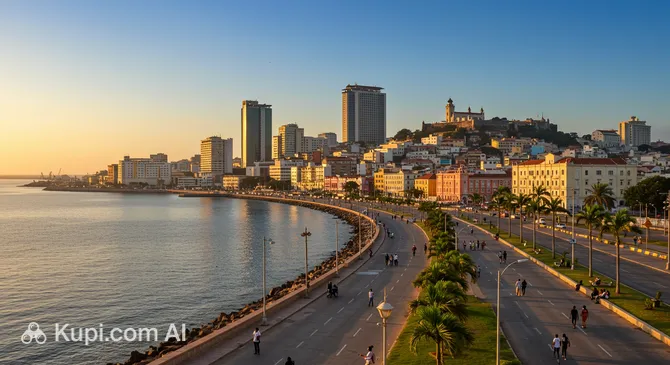
Luanda. Source: Kupi.Binoculars

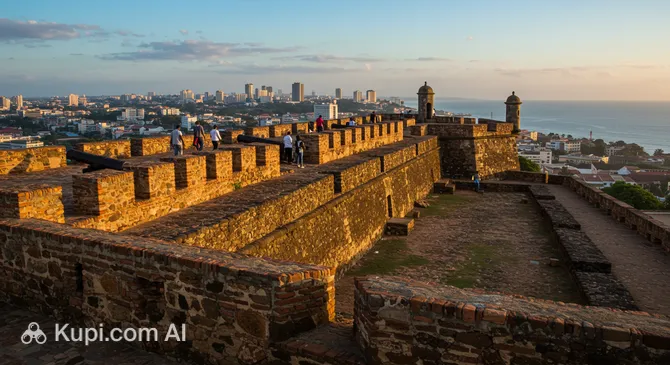
Visitors are often drawn to the Marginal, a sweeping seaside promenade that serves as the social heart of the city, perfect for leisurely walks with views of the ocean and the port. Another key attraction is the Fortaleza de São Miguel, a 16th-century fortress that not only houses the Museum of the Armed Forces but also offers panoramic views of the city and the bay. The contrast between the historic structures and the contemporary growth gives the city a unique and memorable atmosphere.

Luanda is a city that invites exploration, from its energetic markets to its evolving culinary scene. Whether you are interested in its coastal beauty or its cultural heritage, a visit here promises an engaging experience in one of Southern Africa's most important urban centers.
Weather Overview

Luanda typically enjoys a warm climate year-round, characterized by a tropical semi-arid environment. To plan your trip effectively, it is helpful to check the current weather in Luanda, as the city experiences two distinct seasons. The warmest period generally occurs in February and March, with average temperatures hovering around 28.0°C and highs reaching up to 30.5°C.

The cooler months are usually July and August, where the average temperature drops to approximately 22.6°C, offering a comfortable atmosphere for exploration. Precipitation patterns are quite marked; the city experiences a long dry spell from June to September with virtually zero wet days. In contrast, the months from November to April bring more frequent moisture, with April seeing up to 15 wet days, although the overall rainfall volume often remains relatively light.

Interesting Facts

Beyond the bustling streets and modern skyline, Luanda hides a treasure trove of intriguing stories and unique characteristics. From architectural mysteries to global economic rankings, the city offers surprises for every visitor.

  • Luanda has frequently been ranked as one of the most expensive cities in the world for expatriates. Driven by the oil industry and the high cost of imported goods, the prices for housing and daily amenities often surpass those found in major global hubs like Tokyo or Geneva.

  • The city is home to the Palácio de Ferro (Iron Palace), a striking metal structure that local urban legend attributes to the famous Gustave Eiffel, the engineer behind the Eiffel Tower. Although its exact origins are often debated, it remains a fascinating architectural gem believed to have been originally destined for Madagascar before ending up in Angola due to a storm.

  • Founded in 1575 by Paulo Dias de Novais, Luanda holds the distinction of being the oldest continuously inhabited colonial city on the west coast of Africa. This deep-rooted history is woven into the city's layout, where centuries-old buildings stand in the shadow of contemporary skyscrapers.

  • The historic Fortress of São Miguel features a unique artistic detail often missed by casual observers. The walls are adorned with elaborate blue and white ceramic tiles, known as azulejos, which depict various scenes from Angola's early history and natural wildlife.

  • Although locals simply call it "The Island," the popular Ilha do Cabo is technically a sandspit connected to the mainland. This narrow strip of land creates a natural harbor for the city and serves as the epicenter of Luanda's nightlife and beach culture.

Fortress of São Miguel. Source: Kupi.Binoculars

How to Get There

Reaching the Angolan capital is primarily done by air, as it serves as the main entry point for international travelers visiting the country. For detailed planning and alternative routes, you can read more about how to get to Luanda in our dedicated guide.

The most significant transport hub is Quatro de Fevereiro Airport (IATA: LAD). It is conveniently located within the city limits, approximately 4.8 km from the center of Luanda. This proximity allows for a relatively quick transfer; a journey by taxi or private shuttle typically takes around 30 minutes, depending on the city's dynamic traffic. As a major international gateway, it handles a large volume of passenger traffic and connects Angola to numerous global destinations.

Another key facility serving the region is Luanda (Dr Antonio Agostinho Neto) (IATA: NBJ). This modern airport is situated further from the urban core, at a distance of about 39.5 km. Travelers arriving here should plan for a longer transfer time, with the drive to the city center taking approximately 1 hour and 20 minutes by road.

For clarity, here is a summary of the main airports:

Airport Name City Passenger Traffic Km from City
Quatro de Fevereiro Airport Luanda High 4.8
Luanda (Dr Antonio Agostinho Neto) Luanda 39.5

Main Attractions

Luanda offers a compelling mix of historical landmarks and modern leisure spots that reflect its evolution from a colonial trading post to a bustling 21st-century capital. While the famous fortress overlooking the bay often steals the spotlight, the city is home to several other fascinating sites that are well worth exploring.

One of the most culturally significant stops is the Museum of the Coin (Museu da Moeda). Located near the waterfront, this institution is renowned for its unique architecture, with much of the exhibition space situated underground. It provides a captivating journey through the region's economic history, displaying everything from traditional zimbo shells and salt bars used in ancient trade to the modern currency of today. It is a perfect spot for those looking to understand the commercial heritage of the nation.

Museum of the Coin. Source: Kupi.Binoculars

For those interested in historic architecture, the Church of Our Lady of Carmo is an essential visit. Dating back to the 17th century, this church is one of the few remaining examples of early colonial religious buildings in the city that has been preserved in its original style. Its classic baroque design and simple yet elegant facade offer a quiet glimpse into the past amidst the rapidly modernizing city center.

Another notable religious landmark is the Holy Family Church. This large and imposing structure serves as a key center for the local Catholic community. Its distinctive architectural lines make it a recognizable feature of the cityscape, and it offers a peaceful atmosphere for visitors wishing to observe the spiritual side of daily life in the capital.

If you are looking to escape the tropical heat and enjoy some family-friendly fun, the Girafa Water Park is a popular destination. It offers a refreshing break from sightseeing with its pools, slides, and leisure areas. It is a favorite weekend spot for locals and provides a relaxed environment where tourists can unwind and cool off after a day of touring the city.

Girafa Water Park. Source: Kupi.Binoculars

Local Cuisine

Luanda’s culinary scene is a vibrant reflection of its coastal geography and colonial history, offering a delicious fusion of indigenous African ingredients and Portuguese influences. Seafood plays a central role in the local diet, with fresh fish, lobster, and prawns featuring prominently on menus across the city. The most iconic dish to try is Moamba de Galinha (chicken moamba), a rich stew made with chicken, palm oil, okra, and garlic, typically served with funge, a thick porridge made from cassava flour that is the staple side dish of Angola.

For a truly authentic Luandan experience, visitors should seek out Mufete. This traditional feast is particularly popular on weekends and consists of grilled fish (often tilapia or horse mackerel) served with a variety of sides including beans in palm oil, boiled sweet potato, plantain, and cassava. It is a flavorful and hearty meal that perfectly captures the spirit of the city's communal dining culture.

When it comes to beverages, the local choice for a refreshing drink is usually a cold beer, with Cuca being the most famous and widely consumed national brand. For a non-alcoholic option, you must try Kissangua, a traditional homemade drink made from corn flour or pineapple peels, known for its unique taste and cultural significance at celebrations.

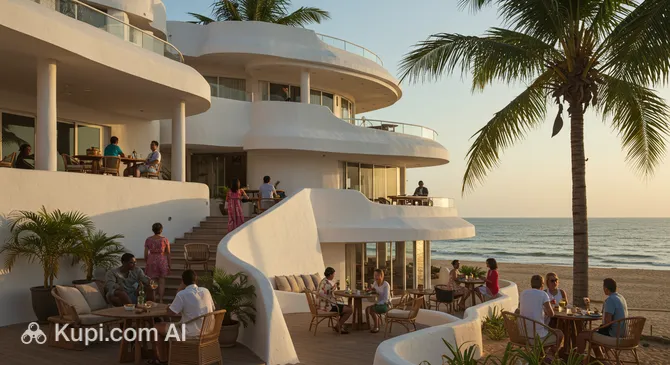
The dining landscape in Luanda is diverse, ranging from street food stalls selling grilled treats to upscale establishments offering international cuisine. The Ilha do Cabo (The Island) is the epicenter of the city's dining scene, lined with numerous restaurants and beach bars where you can enjoy a meal with the sound of waves in the background. If you are looking for a place to enjoy good food in a relaxed atmosphere, the Café Del Mar Restaurant is a notable spot worth visiting.

Café Del Mar Restaurant. Source: Kupi.Binoculars

Whether you are dining in a sophisticated restaurant overlooking the bay or grabbing a quick bite from a local "quintal" (backyard restaurant), the flavors of Luanda are sure to leave a lasting impression. The generous use of spices, palm oil, and fresh produce creates a gastronomy that is both comforting and exciting for adventurous travelers.

Travel Tips

Welcome to Luanda! Visiting the Angolan capital is an exciting adventure, but like any bustling metropolis, it has its own rhythm and rules. To help you navigate the city with confidence and ease, we have compiled a set of essential practical tips that will ensure your trip is as smooth and enjoyable as possible.

  1. Clothing and Gear: Given the warm, semi-arid climate, pack lightweight and breathable fabrics like cotton or linen. A hat, sunglasses, and high-SPF sunscreen are essential for protection against the strong sun. While casual wear is generally acceptable, it is best to dress neatly; avoid overly revealing clothing if you plan to visit religious sites or conservative neighborhoods. Comfortable walking shoes are a must for exploring the city streets.

  2. Transportation: Public transport relies heavily on blue-and-white vans known as candongueiros. While they are an authentic local experience, they can be crowded, chaotic, and confusing for first-time visitors. For safety and convenience, it is highly recommended to use ride-hailing apps or hire a private taxi recommended by your hotel. If you plan to travel extensively, renting a car with a local driver is the best option to navigate the traffic.

  3. Finances: The local currency is the Kwanza (AOA). While international credit cards are accepted in major hotels, upscale restaurants, and supermarkets, cash is still king for smaller shops and markets. ATMs are available but can sometimes run out of money or reject foreign cards, so it is wise to carry some cash (USD or EUR) to exchange at official bureaus (casas de câmbio). Be aware that Luanda can be expensive, so budget accordingly.

  4. Health and Safety: Malaria is a risk in the region, so bring mosquito repellent and consult your doctor about prophylaxis before traveling. Always drink bottled water and avoid tap water or ice cubes of unknown origin. Pharmacies are widely available in the city center, but carrying a personal medical kit is smart. In terms of safety, avoid walking alone at night and keep valuables out of sight; stick to well-lit, populated areas like the Marginal.

  5. Communication: The official language is Portuguese, and English is not widely spoken outside of international hotels and business circles. Learning a few basic phrases like "Bom dia" (Good morning) and "Obrigado" (Thank you) will go a long way. To stay connected, purchase a local SIM card at the airport or an official store upon arrival, as roaming charges can be high.

  6. Local Etiquette: Locals are generally warm and polite. It is customary to greet people properly before asking a question or starting a conversation. Handshakes are the standard greeting. When interacting with officials or police, always remain calm, polite, and respectful. Patience is a virtue here, especially when dealing with bureaucracy or service.

  7. What to Avoid: Strictly avoid taking photographs of government buildings, military installations, police officers, or the airport. This is considered a serious security breach and can lead to confiscation of your camera or even detention. Always ask for permission before taking photos of local people.

  8. Traffic Awareness: Luanda is famous for its traffic jams, locally known as engarrafamentos. Traffic can be extremely heavy, especially during rush hours. Always add a significant buffer time to your schedule when traveling to meetings, the airport, or attractions to avoid stress.

By keeping these practical tips in mind, you will be well-prepared to embrace the vibrant energy of Luanda. With a little preparation and an open mind, you are set to discover the warmth, culture, and unique charm of this dynamic African capital.

Entertainment & Nightlife

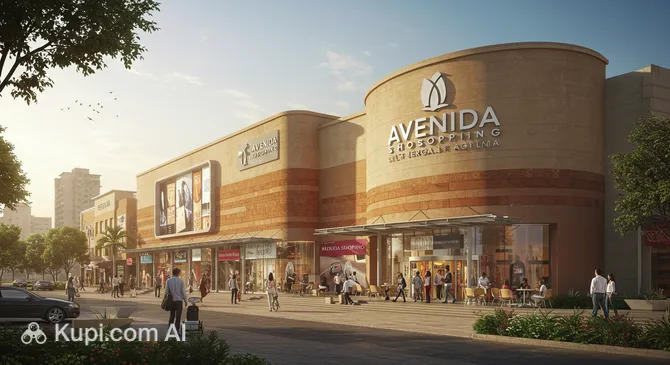
Luanda's entertainment landscape is as dynamic as its economy, offering a blend of modern retail therapy and a pulsating nightlife that reflects the city's joyful spirit. For those looking to indulge in some shopping, the capital provides several contemporary malls that rival international standards. Avennida Shopping is a standout destination, featuring a wide array of fashion boutiques, lifestyle stores, and a food court, making it a perfect place to escape the heat and enjoy some leisure time.

Avennida Shopping. Source: Kupi.Binoculars

Another prominent retail hub is Fortaleza Shopping. Located in a historic area near the bay, it combines convenience with a scenic location, offering visitors a chance to shop for both local and imported goods while enjoying views of the waterfront surroundings.

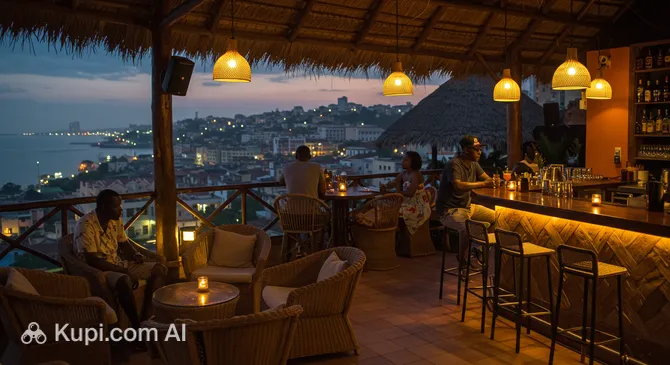
When the sun sets, Luanda truly wakes up. The city is renowned for its love of music and dance, particularly Kizomba and Semba. The nightlife scene is vibrant, with numerous bars and lounges catering to different tastes. BAR BAR is a well-known establishment where locals and expats mingle to enjoy creative cocktails and a lively atmosphere. It is an excellent spot to experience the social energy of the capital.

BAR BAR. Source: Kupi.Binoculars

For those seeking a more relaxed yet stylish evening, Cerrado Bar offers a sophisticated setting to unwind with a drink in hand. If fine dining is on your agenda, the SANA Luanda Hotel Restaurant provides an exquisite culinary experience, serving top-tier international and local dishes in an elegant environment, perfect for a special night out.

Parks & Museums

Beyond its bustling avenues and modern skyline, Luanda offers profound opportunities to connect with Angola's rich heritage and stunning natural geography. The city and its surroundings are home to significant cultural institutions and breathtaking landscapes that provide a deeper understanding of the region's history and biodiversity.

For a comprehensive look at the country's diverse cultural roots, the National Museum of Anthropology is an essential stop. Located in the Coqueiros district, this institution houses an extensive collection of traditional artifacts that tell the stories of Angola's various ethnic groups. Visitors can explore displays of intricate masks, musical instruments, sculptures, and hunting tools, making it a vital educational hub for anyone interested in the nation's anthropological background.

A short distance from the city center lies the National Museum of Slavery, situated in a location of great historical weight. The museum is housed in the Capela da Casa Grande, a 17th-century chapel where enslaved people were once baptized before being transported across the Atlantic. It serves as a somber and important memorial, offering exhibits that document the history of the slave trade and its impact on the region, providing a poignant perspective on the past.

Nature enthusiasts will find that Luanda serves as a gateway to some of the country's most impressive outdoor experiences. Kissama National Park, located just south of the capital, is the most accessible wildlife reserve for a day trip. It offers the chance to embark on a safari and spot wildlife such as elephants, giraffes, zebras, and antelopes roaming in their natural savannah habitat, providing a stark and refreshing contrast to the urban environment.

Closer to the coast, the Miradouro da Lua (Viewpoint of the Moon) offers a spectacular geological spectacle. This unique formation consists of tricolor cliffs that have been eroded by wind and rain into sharp, needle-like pinnacles, creating a dramatic, lunar-like landscape. It is particularly stunning at sunset, when the light accentuates the deep reds and oranges of the earth, making it a favorite spot for photographers and nature lovers alike.

Getting Around

Navigating Luanda requires a bit of adventurous spirit, as the city's public transport system is largely informal and decentralized. Unlike many European or Asian capitals with integrated metro and tram networks, Luanda relies heavily on road-based transport. For the vast majority of residents, getting around means using the iconic blue-and-white minibuses, though options are slowly diversifying with the introduction of modern buses and ride-hailing services.

The backbone of urban mobility in the city is the candongueiro. These are privately owned Toyota Hiace vans painted in distinctive blue and white colors. They operate on fixed routes throughout the city and its suburbs. There are no official timetables or designated stops in the Western sense; instead, passengers hail them from the side of the road or board at large informal terminals. A "cobrador" (conductor) hangs out the window shouting the destination and collecting fares. While efficient and incredibly frequent, they are often crowded and can be confusing for first-time visitors who do not speak Portuguese.

For a more formal alternative, you can look for the public buses operated by TCUL (Transporte Colectivo Urbano de Luanda). These large, modern buses run on specific major avenues and offer a safer, more comfortable, and air-conditioned ride compared to the minibuses. However, their frequency is lower, and they can get stuck in the city's notorious traffic jams just like private cars. There is also a limited suburban train service operated by CFL (Caminhos de Ferro de Luanda), which connects the central Bungo station near the port to the outlying areas like Viana and Catete. This is a practical way to bypass rush-hour traffic if your destination lies along the railway line.

Regarding payment, cash is king in Luanda's public transport. There are no universal travel cards or digital passes for the candongueiros; you simply pay the conductor directly upon boarding. It is essential to carry small denominations of the local currency (Kwanza), as drivers often struggle to change large bills. Fares are generally low and fixed for specific distances. While some public bus initiatives have piloted ticketing cards, cash remains the most reliable method for a short-term visitor.

For most tourists, the most recommended alternative to public transport is the use of ride-hailing apps and private taxis. Services like Heetch, Yango, and the local app Kubinga are widely available and popular. They offer the safety of tracked rides, transparent pricing, and the convenience of booking from your smartphone without needing to navigate language barriers or complex van routes. Traditional street taxis are also available but are more expensive and should be negotiated in advance.

If you decide to experience the local transport, operate mainly during daylight hours. The candongueiros run from very early in the morning (around 4:00 AM) until late at night, but availability drops significantly after dark, and safety becomes more of a concern. Be prepared for the city's heavy traffic, known locally as engarrafamentos, which can significantly extend travel times regardless of the mode of transport you choose.

Accommodation

Finding accommodation in Luanda is an experience that reflects the city's status as a major economic hub. The hospitality sector is heavily oriented toward business travelers, meaning the city boasts a significant number of high-end, modern hotels that offer world-class amenities. However, visitors should be aware that the range of options is somewhat polarized, with a strong emphasis on luxury and upper-mid-range establishments, while budget-friendly hostels or backpacker accommodations are relatively scarce compared to other African capitals.

When choosing a location, the Baixa (Downtown) area is the most convenient for those who want to be in the thick of the action. Staying here places you within walking distance of the Marginal, major corporate offices, and historical landmarks. It is the heart of the city's commercial life and offers the easiest access to urban exploration.

For a more scenic and leisure-oriented stay, the Ilha do Cabo (The Island) is a top choice. This narrow sandspit is lined with beach resorts, boutique hotels, and some of the city's best restaurants and nightlife spots. Staying on the "Ilha" offers a resort-like atmosphere with ocean views, yet it remains just a short drive from the city center, making it perfect for tourists who want to combine relaxation with sightseeing.

Travelers should note that Luanda is often ranked among the most expensive cities in the world, and this is reflected in hotel prices. Rates for standard rooms in reputable hotels can be higher than in Europe or North America. It is highly recommended to book your accommodation well in advance, particularly if you are visiting during major industry conferences or events, as occupancy rates can soar. While major international booking platforms work well for larger hotels, smaller guesthouses may require direct contact. Always check if breakfast and reliable Wi-Fi are included in your rate, as these can add significant value to your stay.

Nearby Cities

While Luanda serves as the vibrant heart of the nation, the surrounding region offers a variety of destinations ranging from modern satellite cities to historic towns and natural retreats. Exploring these nearby locations provides a broader perspective on the area's development and geography, making for excellent day trips or short excursions.

City Distance from Luanda Population
Talatona 12 km 500,000
Cacuaco 13 km 1,279,488
Belas 32 km 500,000
Barra do Dande 41 km 222,528
Ndalatando 192 km 161,584

Located just south of the capital, Talatona is widely recognized as Luanda's modern suburb. Known for its upscale residential compounds, shopping malls, and business centers, it offers a more organized and tranquil atmosphere compared to the bustling city center. It is a prime example of the country's rapid urban expansion and modernization.

To the north lies Cacuaco, a city with deep industrial and historical roots. Traditionally a fishing village, it has grown into a major urban hub. Further along the coast, Barra do Dande sits near the mouth of the Dande River. It is a popular destination for those looking to escape the city, offering scenic cliffs and a relaxed coastal vibe.

For travelers willing to venture further afield, Ndalatando offers a lush escape into the interior. As the capital of the Cuanza Norte province, it is celebrated for its botanical gardens and distinct colonial architecture. Closer to Luanda, the municipality of Belas is home to key administrative sites and serves as the gateway to the leisure areas of the southern coast.

Shopping & Souvenirs

Shopping in Luanda presents a fascinating contrast between ultra-modern retail experiences and vibrant, traditional commerce. As a city known for its high cost of living, visitors will find an array of upscale boutiques offering international luxury brands alongside bustling open-air markets that pulse with local culture. Whether you are looking for designer fashion or authentic African craftsmanship, the Angolan capital offers diverse opportunities to find unique treasures.

For a contemporary shopping experience, the city boasts several large commercial centers that provide a cool escape from the tropical heat. Avennida Shopping is one of the premier destinations, housing a variety of fashion stores, electronics shops, and a supermarket, making it a convenient one-stop location for travelers. Another key spot is Fortaleza Shopping, which is situated in a historic building near the waterfront. It offers a more boutique atmosphere where you can browse for clothing and accessories while enjoying the architectural charm of the area.

Fortaleza Shopping. Source: Kupi.Binoculars

While malls offer comfort, the true soul of Luanda's trade is found in its markets. The most famous destination for tourists is the Benfica Handcrafts Market (Mercado de Artesanato de Benfica), located south of the city center. This sprawling open-air market is the best place to find authentic Angolan art. Here, you can wander through rows of stalls displaying intricate wood carvings, paintings, and traditional masks. It is a place where bargaining is expected, so be prepared to negotiate prices with the friendly artisans.

When searching for the perfect souvenir, the iconic "O Pensador" (The Thinker) statue is the quintessential Angolan keepsake. These wooden figurines, originally from the Chokwe culture, are a national symbol and come in various sizes. Other popular items include colorful Samakaka fabric, which features bold geometric patterns in red, yellow, and black, as well as handmade pottery, basketry, and jewelry made from local materials.

Store opening hours in Luanda generally run from 9:00 AM to 8:00 PM or 10:00 PM for major shopping malls, often remaining open on weekends. Smaller street shops may close earlier or take a lunch break. Regarding payment, major malls and supermarkets typically accept credit cards (Visa is most common), but the network can sometimes be unreliable. Cash is absolutely essential for visiting markets like Benfica or buying from street vendors. Ensure you have enough local currency (Kwanza) in smaller denominations for these transactions.

Regarding tax-free shopping, Angola does not currently have a fully established VAT refund system for tourists that is easily accessible at departure points. Visitors should generally expect the price they see on the tag to be the final price, inclusive of the local consumption tax. It is best to plan your budget without anticipating a tax refund upon leaving the country.

Reached the end of the page?

That means the route is fully explored