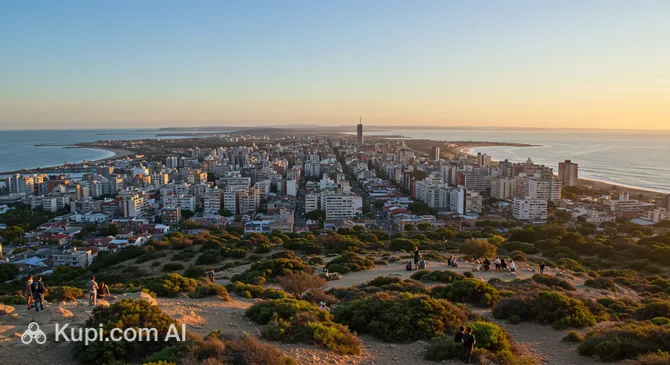
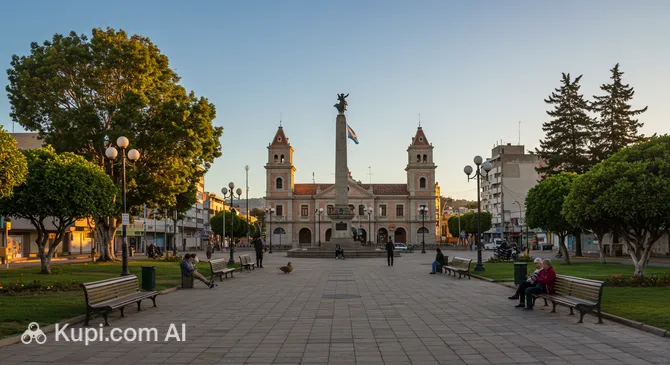
Comodoro Rivadavia stands as a vital commercial and transportation hub in the southern region of Argentina. Located in the province of Chubut, this bustling city is situated along the San Jorge Gulf on the Atlantic coast. Often referred to simply as "Comodoro," it serves as a gateway to the vast landscapes of Patagonia and offers a unique blend of industrial heritage and coastal beauty.
Comodoro Rivadavia. Illustration.
Source: Kupi.com AI
The city is renowned for its distinctive geography, characterized by the iconic Cerro Chenque, a plateau that dominates the skyline and offers panoramic views of the urban area and the ocean. The climate here is semi-arid and famously windy, a feature that has been harnessed by extensive wind farms surrounding the area. As the largest city in the province, it possesses a dynamic atmosphere driven by its status as the "National Capital of Oil," reflecting its pivotal role in the country's energy sector.
While modern industry defines much of its character today, the history of Comodoro Rivadavia reveals a fascinating journey from a small port town founded in 1901 to a thriving economic center. The discovery of petroleum in 1907 marked a turning point, attracting immigrants from across the globe and shaping the multicultural identity that persists to this day.
Travelers visiting the city can explore the National Petroleum Museum, which provides an insightful look into the industry that built the region. For nature lovers, the nearby seaside resort of Rada Tilly offers sandy beaches and opportunities for land sailing. Whether you are passing through on a Patagonian adventure or stopping to admire the rugged coast, Comodoro Rivadavia offers an authentic glimpse into life in southern South America.
Weather Overview
Travelers planning a trip to this Patagonian city will encounter a semi-arid climate characterized by distinct seasonal changes. The summer months, particularly January and February, are the warmest, offering average temperatures around 19°C and daily highs reaching approximately 24°C. These months are also the driest, with very few wet days, making them popular for exploring the coast.
In contrast, the winter season brings cooler air, with average temperatures in June and July dropping to between 5.6°C and 6.2°C. Overnight lows during this period can dip to around 3°C. While actual rainfall amounts remain low throughout the year—often recorded as just 1mm per month—the frequency of wet days increases slightly during the cooler months, peaking at about six days in May and June.
For a more detailed forecast to help with packing, you can consult the guide to the weather in Comodoro Rivadavia. Generally, visitors can expect pleasant, dry summers and cool winters with minimal precipitation.
Average monthly temperature
Average monthly precipitation
Interesting Facts
Beyond the main attractions, Comodoro Rivadavia holds many fascinating secrets and geographical curiosities. These unique aspects reveal the resilience and distinct character of this Patagonian city.
Accidental Fortune: The city's destiny as the "National Capital of Oil" was actually determined by a mistake. In 1907, a team desperately drilling for fresh water struck oil instead, an event that forever changed the region and is now chronicled at the Petroleum Museum.
The Moving Mountain: The massive plateau known as the Cerro Chenque Viewpoint does not just offer panoramic views; it physically divides the city into northern and southern sections. The hill is geologically active and is slowly sliding toward the sea, a phenomenon that has occasionally shifted roads and altered the landscape.
Capital of the Wind: Long before renewable energy became a global standard, Comodoro Rivadavia was famous for its relentless gusts. It is home to one of South America's first major wind farms, built to harness the powerful air currents that sweep across the steppe.
A Unique Migration: In the early 20th century, the region welcomed a group of Boer families from South Africa. These immigrants crossed the Atlantic to establish farming communities in the rugged Patagonian interior, leaving a lasting cultural legacy that can still be traced in the area today.
Cerro Chenque Viewpoint. Illustration.
Source: Kupi.com AI
Traveler photos:
How to Get There
Reaching this industrial hub in Patagonia is relatively straightforward, primarily due to its economic importance and strategic location on the Atlantic coast. While the distances in southern Argentina can be vast, reliable air connections make the city accessible from the capital and other major centers. For a comprehensive overview of all transport options, including driving routes and bus services, you can read more about how to get to Comodoro Rivadavia.
The most convenient and common way to arrive is via the General E. Mosconi International Airport (IATA: CRD). Situated approximately 9 kilometers north of the city center, this facility serves as a major gateway for the region. Regular flights connect it with Buenos Aires and other Patagonian destinations. A taxi or shuttle ride from the terminal to the downtown area typically takes about 35 minutes. As the busiest transport hub in southern Patagonia, it is well-equipped to handle the influx of travelers visiting for business or tourism.
For clarity, here is a summary of the main airport serving the city:
Regarding rail transport, Comodoro Rivadavia is not currently connected to the national passenger railway network. The historic train lines that once operated in the region are no longer in service for travelers. Consequently, visitors who prefer overland travel rely heavily on the extensive long-distance bus network or private vehicles. The city is a key stop on National Route 3, the major paved highway that runs along the Atlantic coast, linking Buenos Aires with the southern tip of the continent.
Main Attractions
While often visited for business, the city offers several compelling sites that highlight its unique history and coastal geography. Visitors can explore a mix of industrial heritage landmarks, historic architecture, and scenic waterfront spaces that reflect the identity of the "National Capital of Oil."
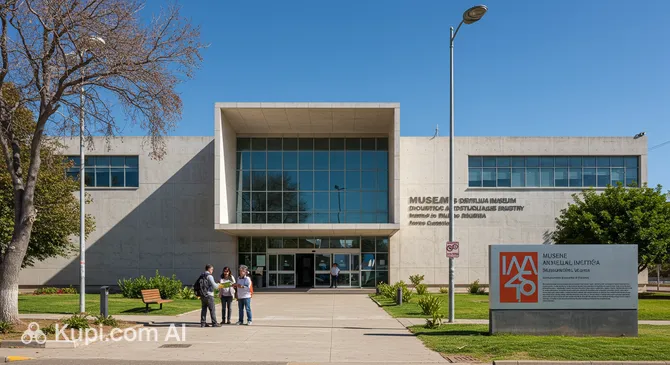
One of the most significant cultural institutions is the Petroleum Museum. Located in the General Mosconi neighborhood, this site is built around the historic Well No. 2, where oil was first discovered in 1907. It is a fascinating stop for tourists interested in industrial history, featuring outdoor exhibits of machinery and indoor displays that chronicle the development of the energy sector in Patagonia.
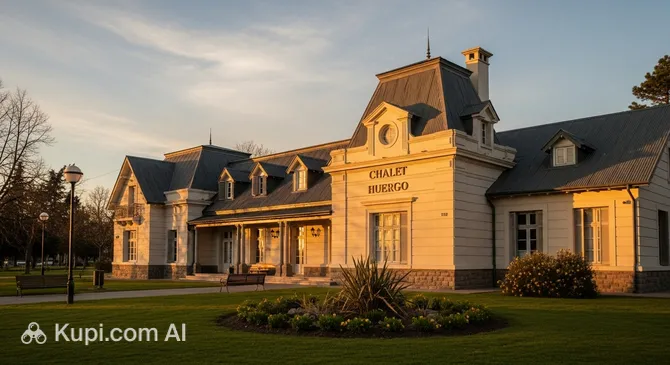
For a glimpse into the city's elegant past, the Chalet Huergo is a must-visit. This historic residence, built in 1919, once served as a guest house for the directorate of the state oil company. Today, it functions as a cultural center surrounded by beautifully landscaped gardens. Tourists flock here not only for the architecture but also for the commanding views it offers over the harbor and the sea.
Chalet Huergo. Illustration.
Source: Kupi.com AI
Traveler photos:
Religious architecture enthusiasts should visit the Cathedral of Saint John Bosco. It holds the distinction of being the first cathedral in the world dedicated to Don Bosco, the patron saint of Patagonia. Its modern design, featuring a striking tower and brick facade, stands as a spiritual landmark in the city center and pays homage to the Salesian influence in the region.
To experience local life and enjoy the fresh sea air, a walk along the Costanera of Comodoro Rivadavia is highly recommended. This waterfront promenade runs along the Atlantic coast, providing a perfect setting for a leisurely stroll or a morning run. It connects various parts of the city and offers unobstructed views of the vast San Jorge Gulf, making it a favorite spot for both residents and visitors to unwind.
Local Cuisine
The culinary landscape of Comodoro Rivadavia offers a delightful blend of coastal freshness and rugged Patagonian traditions. Situated on the shores of the San Jorge Gulf, the city is a prime destination for seafood lovers. The cold Atlantic waters provide an abundance of high-quality ingredients, with spider crab (centolla), prawns, and black hake being among the most sought-after delicacies. These are often served simply, grilled or steamed, to highlight their natural flavors.
However, no visit to this region would be complete without tasting the legendary Cordero Patagónico (Patagonian lamb). This is the signature dish of the area, typically roasted al asador—stretched on a metal cross over an open wood fire. The result is meat that is incredibly tender on the inside with a crispy, flavorful skin. It is a staple at local gatherings and restaurants, usually accompanied by fresh salads and crusty bread.
The city also boasts a vibrant and growing craft beer scene, reflecting a trend that has swept across Patagonia. Locals enjoy gathering at pubs and breweries to sample distinctive ales and lagers. A popular spot to experience this social atmosphere is Holy Beer, where visitors can enjoy a variety of taps in a lively setting. Similarly, Cervecería B'Beer offers a great environment to relax with a pint after a day of sightseeing.
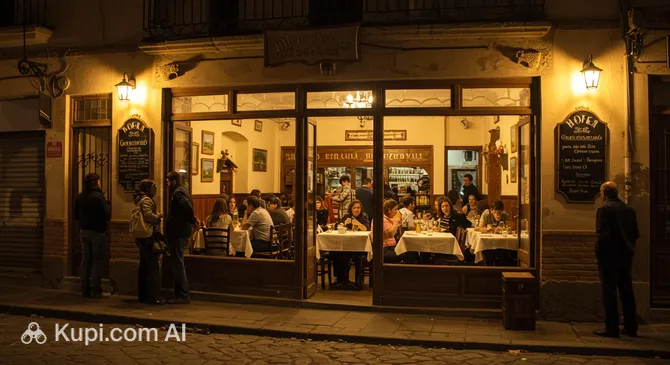
Refugio Comodoro. Illustration.
Source: Kupi.com AI
Traveler photos:
Dining out in Comodoro Rivadavia is generally a casual and welcoming affair. You will find everything from traditional steakhouses (parrillas) to modern gastropubs that fuse international styles with local ingredients. For a meal that captures the essence of the city's hospitality, Refugio Comodoro is a well-regarded establishment where tourists can enjoy hearty dishes. Another excellent option for those seeking a combination of good food and drinks is Brew House, which serves a menu designed to pair perfectly with their beverage selection.
To round off a gastronomic tour, visitors should indulge in the local sweet treats. The influence of European immigrants is evident in the bakeries, where you can find delicious cakes and pastries. Alfajores filled with dulce de leche are a favorite snack, perfect for enjoying with a cup of coffee or yerba mate, the traditional herbal infusion that is an integral part of daily life in Argentina.
Travel Tips
Visiting Comodoro Rivadavia offers a unique opportunity to experience the rugged charm of coastal Patagonia, but the region's distinct climate and local customs require a bit of preparation. To help you navigate the "Capital of the Wind" with ease and confidence, here are some practical tips designed for travelers.
Clothing and Gear: The most important item in your suitcase should be a high-quality windbreaker. The wind in Comodoro Rivadavia is famous for its intensity, so windproof layers are essential regardless of the season. Even in summer, evenings can be cool, so dress in layers (the "onion style"). Comfortable, closed-toe walking shoes are recommended for exploring the hilly terrain and the rocky coastline.
Transportation: The city is spread out, so getting around requires planning. Public buses connect the neighborhoods, but you will need a SUBE card (rechargeable transport card) to use them. Taxis and remises (private hire cars) are widely available and reliable; it is often better to call a remis agency or use an app rather than hailing a cab on the street. If you plan to explore the surrounding landscapes, renting a car is the most flexible option.
Finances: The local currency is the Argentine Peso (ARS). While credit cards are accepted in hotels, large restaurants, and supermarkets, cash is king in smaller shops and kiosks. ATMs are available throughout the city, but they may have withdrawal limits. It is customary to leave a tip (propina) of about 10% in restaurants if the service was good.
Health and Safety: Comodoro Rivadavia is generally safe, but standard precautions apply: keep valuables out of sight and stay in well-lit areas at night. Pharmacies are marked with a green cross, and there is always one open 24/7 on a rotating schedule (known as de turno). For emergencies, the Hospital Regional provides medical assistance.
Communication: Spanish is the official language, and English is not widely spoken outside of major hotels and tour agencies. It is highly useful to learn basic phrases like "Hola" (Hello), "Gracias" (Thank you), and "¿Cuánto cuesta?" (How much?). Buying a local SIM card (from providers like Personal, Movistar, or Claro) is recommended for navigation and translation apps, as public Wi-Fi can be sporadic.
Local Etiquette: Argentines are warm and social. The standard greeting, even among casual acquaintances, is a single kiss on the right cheek. Dinner typically starts late, often after 9:00 PM or even 10:00 PM. If you are invited to share mate (the local herbal tea), accept it as a gesture of friendship, and remember never to stir the straw (bombilla) with your hand.
What to Avoid: Do not underestimate the power of the wind when opening your car door. A sudden gust can rip the door out of your hand, causing damage to the vehicle or injury; always hold the handle firmly with both hands. Additionally, avoid expecting shops to be open between 1:00 PM and 4:00 PM, as many close for the traditional afternoon break (siesta).
Additional Tip: If you are visiting the coast, check the tide tables. The difference between high and low tide in this region is significant. At low tide, the beaches expand dramatically, offering vast spaces for walking and exploring marine life in the rock pools, which are completely submerged during high tide.
By keeping these practicalities in mind, you will be well-equipped to enjoy everything Comodoro Rivadavia has to offer, from its industrial history to its sweeping ocean views. Embrace the local pace, respect the powerful nature surrounding the city, and enjoy your Patagonian adventure!
Entertainment & Nightlife
Entertainment and Nightlife:
As a hardworking industrial hub, Comodoro Rivadavia comes alive in the evenings, particularly on weekends when locals head out to unwind. The nightlife here is less about massive dance clubs and more about a vibrant social scene centered around pubs, restobars, and casual gatherings. The downtown area, or Centro, serves as the primary district for entertainment, with many venues clustered near the main artery, Avenue San Martín.
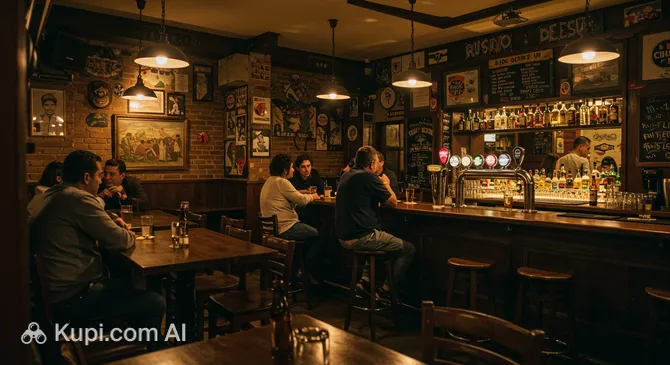
Reflecting the nationwide boom in craft brewing, the city offers an excellent selection of beer halls that double as social hotspots. A favorite among the younger crowd is Holy Beer. With its energetic atmosphere and wide variety of taps, it is an ideal place to start the night and mingle with residents. The vibe is typically casual, so there is no need to dress up formally; jeans and a smart shirt are perfectly acceptable.
Holy Beer. Illustration.
Source: Kupi.com AI
Traveler photos:
Another popular destination for beer enthusiasts is Cervecería B'Beer. These venues usually fill up after 10:00 PM, as the Patagonian night starts late. For those looking to combine a hearty meal with their evening drinks, Brew House offers a gastropub experience that seamlessly transitions from dinner to late-night socializing. The music in these places ranges from Argentine rock to international pop, creating a lively backdrop for conversation.
For a more relaxed evening or some late afternoon shopping, the Área Central provides a mix of retail and leisure options. This shopping district is bustling during the day and early evening, making it a safe and convenient spot to walk around before heading to a bar. While there are not many large-scale nightclubs, several bars in the center stay open until the early hours of the morning, especially on Fridays and Saturdays.
When enjoying a night out, safety and logistics are straightforward but important. The downtown area is generally safe for walking in the evening, but it is advisable to stick to well-lit main streets. For transport, radio taxis or remises (private hire cars) are the most reliable way to get back to your accommodation. It is best to call for a car or use a recognized app rather than hailing one on the street late at night. Prices are reasonable, and it ensures a secure ride door-to-door.
During the daylight hours, entertainment shifts towards cultural and family-friendly activities. The city features modern cinemas showing the latest releases and historic theaters like the Cine Teatro Español, which occasionally hosts concerts and plays. Visitors can also explore various museums dedicated to the region's history or enjoy the open-air parks, although these are best enjoyed when the famous wind is calm.
Parks & Museums
Beyond its industrial skyline and bustling port, Comodoro Rivadavia offers a selection of cultural venues and open spaces where visitors can connect with the region's history and enjoy the outdoors. While the city is known for its strong winds and arid landscape, it has cultivated green areas and preserved significant heritage sites that tell the story of its rapid development.
One of the most notable green spaces in the city center is Sovereignty Square. Often referred to as the "Garden of the Port," this park provides a welcome patch of greenery amidst the urban environment. It is a popular spot for locals to take a break, offering well-maintained paths and a chance to observe the daily rhythm of the city near the waterfront. Its location makes it an accessible refuge for a quick stroll or a moment of relaxation.
For those who prefer the raw beauty of the Atlantic coast, the Costanera of Comodoro Rivadavia acts as the city's primary linear park. This seaside promenade is perfect for breathing in the fresh salt air and watching the waves crash against the shore. It serves as a meeting point for families and fitness enthusiasts, providing unobstructed views of the horizon and the industrial ships that ply the waters of the San Jorge Gulf.
Sovereignty Square. Illustration.
Source: Kupi.com AI
Traveler photos:
The city's museums are deeply rooted in its identity as an energy capital. The most prominent institution is the Petroleum Museum, located on the site of the historic first oil well. It is considered one of the three most important museums of its kind in the world. Visitors can walk among massive antique drilling rigs in the outdoor park and explore indoor exhibits that explain the geological and social history of "black gold" in Patagonia. It is an essential stop for understanding why this city exists.
Petroleum Museum. Illustration.
Source: Kupi.com AI
Traveler photos:
Another cultural highlight is the Museo Ferroportuario, situated in the former railway station. Although it does not have the global fame of the oil museum, it is vital for understanding the city's early days. The museum preserves the heritage of the railway line that once connected Comodoro to the interior and the port, showcasing old locomotives, photographs, and tools that date back to the early 20th century. The building itself is a piece of architectural history, reflecting the English style typical of Argentina's railway era.
For a deeper dive into the region's pre-industrial past, the Museo Regional Patagónico Antonio Garcés is a hidden gem. This museum houses an eclectic collection that ranges from indigenous artifacts and arrowheads to fossils and local flora samples. It offers a fascinating look at the natural history and the original inhabitants of the Chubut province before the arrival of the oil drills.
Getting Around
The public transportation system in Comodoro Rivadavia relies almost exclusively on a comprehensive network of buses, locally referred to as colectivos. These buses connect the bustling downtown area with the sprawling neighborhoods located both north and south of the iconic Cerro Chenque. While there is no metro or tram service, the bus lines are extensive and serve as the primary means of commuting for residents, navigating the city's hilly terrain and coastal roads efficiently.
To access the bus network, passengers must use the SUBE card, an electronic payment system used nationwide. Cash is not accepted on board, so it is essential to acquire this card upon arrival. You can purchase and top up a SUBE card at various "Kioscos" (convenience stores), lottery agencies, and official service centers throughout the city. The fare is deducted automatically by tapping the card on the reader located at the front of the bus when you board.
For tourists, navigating the system is relatively straightforward, though it helps to know that the city is geographically divided. Most bus routes converge in the center near the bus terminal and the port area. Operating hours generally run from approximately 5:00 AM to midnight, with reduced frequency on weekends and public holidays. It is advisable to check route maps or use local transport apps to track arrival times, as the strong winds in the region can make waiting at exposed bus stops uncomfortable.
Taxis and remises offer a popular and convenient alternative to buses, especially for reaching specific destinations that require multiple transfers. Taxis can be hailed on the street and are easily engaging by their distinctive black and yellow colors. In contrast, remises are private hire vehicles that must be booked in advance by phone or at a designated agency base. They operate with fixed rates or distance-based pricing, providing a secure and comfortable option for evening travel or trips to the airport.
Given the significant distances between attractions and the steep topography of certain districts, renting a car is also a common choice for visitors. This option provides the flexibility to explore the surrounding coastal areas and the steppe at your own pace. While the city center is walkable, the layout of Comodoro Rivadavia favors motorized transport, making car rentals or taxis the most practical solutions for a stress-free visit.
Accommodation
Finding a place to stay in Comodoro Rivadavia is relatively straightforward, as the city boasts a solid infrastructure designed to accommodate its constant flow of visitors. Due to its status as a major industrial and commercial hub, the local accommodation scene is heavily oriented toward business travelers. Consequently, visitors will find a good selection of modern, mid-range hotels that prioritize comfort, connectivity, and practical amenities, alongside a growing number of apartment rentals for those seeking more independence.
The most convenient area for tourists to base themselves is undoubtedly the City Center (Centro). Staying in the downtown district places you within walking distance of the main commercial streets, such as San Martín Avenue, as well as a variety of restaurants and the coastal promenade. This central location also offers easy access to public transport and taxi stands, making it simple to navigate the city without a car. For those looking for a quieter experience, there are also options in the residential neighborhoods slightly removed from the bustle of the commercial core.
While the city does not typically feature the sprawling luxury resorts found in major vacation destinations, it offers reliable and professional hospitality. Many establishments provide essential services such as high-speed Wi-Fi, breakfast buffets, and on-site parking, catering to the needs of travelers who are often on the move. In recent years, temporary apartment rentals have become increasingly popular, offering a "home away from home" experience that is ideal for longer stays or families.
Regarding costs, the price range in Comodoro Rivadavia is generally moderate. It is often more affordable than the heavily touristed regions of Patagonia like Bariloche or El Calafate. However, because the city hosts many corporate events and business meetings, occupancy rates can be high during the work week. A helpful booking tip is to reserve your room in advance if you plan to visit between Monday and Friday, whereas weekends might offer more availability and slightly more competitive rates. Most accommodations can be easily booked through major online platforms or by contacting the establishments directly.
Nearby Cities
For those looking to explore the surroundings, Comodoro Rivadavia serves as an excellent base for day trips to several interesting nearby locations:
City
Population
Distance
Rada Tilly
9 098
9 km
Caleta Olivia
51 733
64 km
Pico Truncado
20 889
110 km
Sarmiento
22 000
127 km
Rio Mayo
2 791
242 km
While some of the major cities in the region require a longer journey, there are several destinations perfect for a shorter excursion. Just a few kilometers south lies Rada Tilly, the most exclusive seaside resort in the area. It is famous for its extensive sandy beaches, which are ideal for land sailing and relaxation. Visitors can also head to the nearby Punta del Marqués Natural Reserve to observe a colony of sea lions from high cliffs overlooking the ocean.
For a journey into the geological past, the town of Sarmiento, located about 150 kilometers to the west, is a must-visit. It serves as the gateway to the Bosque Petrificado José Ormachea, a stunning petrified forest where ancient tree trunks have turned to stone over millions of years. The area is also home to the Musters and Colhué Huapi lakes, offering a starkly beautiful contrast to the arid steppe.
Another accessible option is Caleta Olivia, situated just across the provincial border in Santa Cruz. This city is known for the "El Gorosito" monument, a massive statue dedicated to the oil workers of the region. It offers a glimpse into the industrial culture of Northern Santa Cruz and serves as a connecting point for travelers heading further south along the Atlantic coast.
These nearby destinations offer a glimpse into the diverse culture and landscapes of the region.
Shopping & Souvenirs
As the commercial heartbeat of the San Jorge Gulf region, Comodoro Rivadavia offers a shopping experience that serves both its residents and the many visitors who travel here for business or tourism. The city functions as a regional hub, meaning you can find a wide variety of goods ranging from international brands to local artisanal products. While it may not have the massive mega-malls found in Buenos Aires, the shopping scene is vibrant, diverse, and concentrated, making it easy to explore on foot.
The primary destination for retail therapy is the downtown area, particularly along the bustling San Martín Street. This main artery, along with the parallel Rivadavia Avenue, is lined with clothing boutiques, shoe stores, electronics shops, and perfumeries. Walking down these streets offers a glimpse into the daily life of the city, with busy sidewalks and a mix of modern storefronts and older architecture. It is the perfect place to window shop or find essential travel gear while enjoying the lively urban atmosphere.
For a more enclosed shopping experience, visitors often head to Área Central. This commercial gallery is a well-known spot in the city center, offering a collection of smaller shops and services under one roof. It is a convenient place to browse for fashion, accessories, or gifts, especially on windy days when you want to escape the famous Patagonian gusts. Another notable stop for specific needs is Cotillón Rex, a popular store that adds to the variety of retail options available in the district.
Área Central. Illustration.
Source: Kupi.com AI
Traveler photos:
Travelers looking for authentic local flavor should seek out the artisanal fairs that occasionally pop up in the city, such as the Feria de Artesanos. These markets are excellent for finding unique handmade items. Regional producers often sell homemade jams, pickled goods, and artisanal chocolates that reflect the flavors of Patagonia. Leather goods, a staple of Argentine craftsmanship, are also widely available and make for durable and stylish keepsakes.
When searching for the perfect souvenir, consider items that represent the region's identity. Apart from the delicious fruit preserves (particularly those made from berries like elderberry or raspberry), you can find handicrafts made from local stone or wool. Mate gourds and bombillas are also classic gifts that allow you to take a piece of Argentine culture home with you.
Understanding the local schedule is key to a successful shopping trip. Many smaller shops and street-side boutiques follow the traditional split shift, opening around 9:00 AM to 1:00 PM, and reopening from 4:00 PM to 8:00 PM or 9:00 PM. However, larger supermarkets and some chain stores may stay open throughout the day (horario corrido). Payment methods are generally flexible; major credit and debit cards are accepted in most established businesses, though carrying some cash (Argentine Pesos) is advisable for small purchases, kiosks, or artisanal stalls.
Foreign tourists should also be on the lookout for the "Tax Free" logo in participating store windows. Argentina offers a Value Added Tax (VAT) refund system for international visitors on purchases of locally manufactured goods made at adhering retailers. To claim this, you will need to present your passport when buying and keep your receipts to process the refund at the customs office upon your departure from the country.