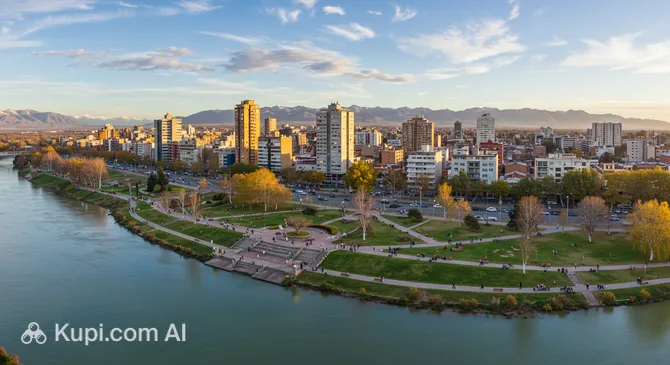
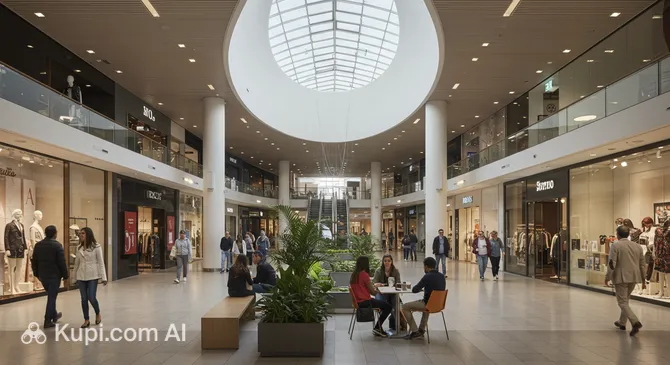
Neuquén is a dynamic and bustling metropolis located in the stunning landscapes of Argentina. As the largest city in Patagonia, it serves as a vital commercial, administrative, and cultural hub for the entire region. Situated at the confluence of the Limay and Neuquén rivers, the city offers a unique blend of modern urban amenities and easy access to breathtaking natural scenery, making it an essential stop for travelers exploring the south of the country.
Neuquén. Illustration.
Source: Kupi.com AI
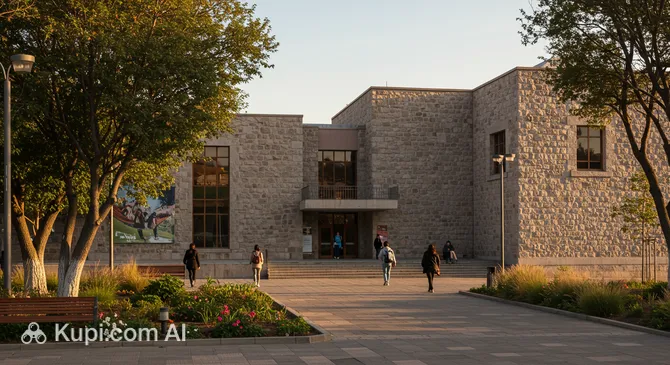
Although it is a relatively young settlement, the history of Neuquén is fascinating, marked by rapid growth and development into a major economic center. Today, visitors can enjoy the Paseo de la Costa, a scenic riverside promenade perfect for walking, cycling, and enjoying the outdoors. The city is also home to a branch of the National Museum of Fine Arts (MNBA), designed by the renowned architect Mario Roberto Álvarez, which houses an impressive collection of artistic works.
Beyond its urban attractions, Neuquén is often celebrated as the gateway to the Paleontological Route, as the surrounding province is rich in dinosaur fossils and prehistoric discoveries. Whether you are passing through on your way to the Andes Mountains or planning a dedicated visit, Neuquén invites you to experience its lively atmosphere, excellent gastronomy, and warm local hospitality.
Weather Overview
Visitors to Neuquén can expect a semi-arid climate with clearly defined seasons, offering plenty of sunshine year-round. Summers are generally hot and dry, with January seeing average temperatures of 25.2°C and highs frequently peaking around 32.2°C. As the seasons shift, the region cools down significantly; winters are cold, particularly in July, when the average temperature drops to 7.0°C and minimums can reach 2.2°C.
Precipitation is notably low, with most months recording very little rainfall and only a few wet days, rarely exceeding five per month in June. This dry pattern makes the city a reliable destination for outdoor plans. For more specific data to help plan your itinerary, take a look at the current weather in Neuquén. Generally, you should expect hot summers perfect for river walks and cold, crisp winters with minimal rain.
Average monthly temperature
Average monthly precipitation
Interesting Facts
Beyond the main attractions, Neuquén holds many fascinating secrets that reveal its unique character and rapid evolution. Uncover the stories behind its landmarks and the hidden gems that define this Patagonian metropolis.
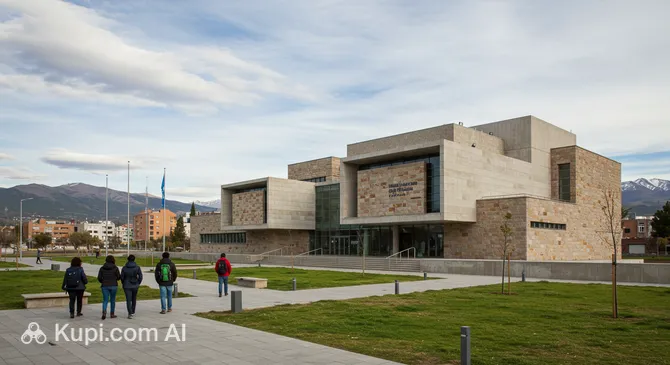
National Museum of Fine Arts Neuquén. Illustration.
Source: Kupi.com AI
Traveler photos:
The city boasts a rare cultural privilege: it is home to the National Museum of Fine Arts Neuquén, which holds the unique distinction of being the only branch of the national institution located outside of Buenos Aires. This modern architectural gem signifies the city's rising status as a major cultural capital in the region.
History enthusiasts will find the Gregorio Álvarez Museum intriguing not just for its exhibits, but for its structure. The building was originally a locomotive shed constructed by the British in the early 20th century, serving as a tangible reminder of the railway's pivotal role in the city's founding and expansion.
The city's name is deeply rooted in the local indigenous heritage, derived from the Mapudungun word Newenken. It translates to "audacious" or "vehement," a descriptor originally applied to the powerful river that borders the city, reflecting the energetic force of the water.
For the best panoramic views, locals head to the Plaza de las Banderas. Located at the foot of the distinctive bardas (cliffs), this landmark was created to celebrate the city's 75th anniversary and marks the symbolic point where the urban grid meets the natural desert landscape.
How to Get There
Reaching this Patagonian metropolis is straightforward, with well-established connections facilitating travel from various parts of the country. Whether you are arriving for business or to explore the stunning landscapes of the province, you can find detailed options and more about how to get to Neuquén to help plan your itinerary efficiently.
The most convenient way to arrive is via the Presidente Peron International Airport (IATA: NQN). This bustling air hub is located directly in Neuquén, just 8.4 km from the city center. As a major facility handling significant passenger traffic, it connects the region with Buenos Aires and other key destinations. The short transfer from the airport to downtown typically takes around 35 minutes by taxi or shuttle service, ensuring a quick start to your visit.
For travelers planning a wider tour of the province, another entry point is the Chapelco Airport (IATA: CPC). However, it is important to note that this airport is located in San Martín de los Andes, approximately 293 km away from Neuquén. While it is a key regional airport, using it to reach the capital city involves a long overland journey of about 7 to 8 hours. It is generally a better option for those intending to visit the Andean lake district before heading to the city.
For clarity, here is a summary of the main airports:
Since there are no major railway stations currently serving long-distance passenger traffic to the city, those preferring overland travel typically rely on Argentina's extensive network of long-distance buses. The local bus terminal is well-connected, offering comfortable services from major cities like Buenos Aires, Mendoza, and Bariloche.
Main Attractions
Neuquén is a city that perfectly balances urban life with nature, offering visitors a variety of spaces to relax, explore, and soak in the local culture. From expansive green parks in the city center to scenic river walks, the main attractions highlight the unique character of this Patagonian capital.
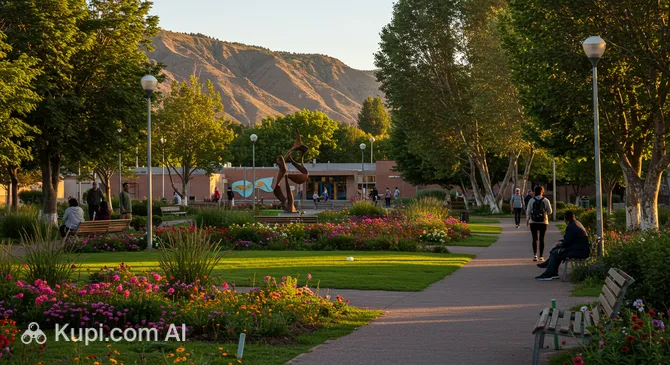
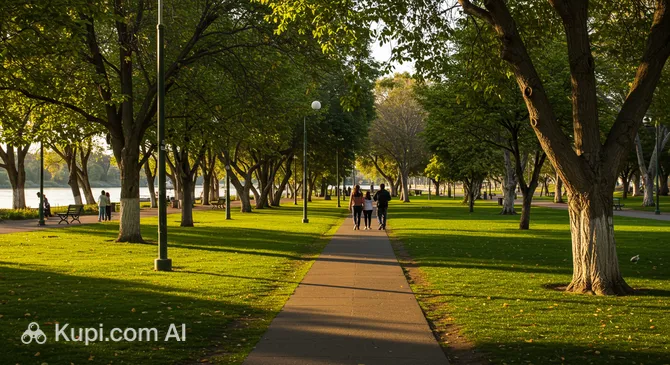
One of the most important recreational areas is Central Park. Located in the heart of the city on lands that once belonged to the railway, this expansive green lung is a favorite meeting point for locals and tourists alike. It is an excellent place for walking, featuring fountains, sculptures, and shaded areas. The park also serves as a cultural corridor, hosting various outdoor events and connecting different parts of the downtown area, making it an essential stop for anyone exploring the city on foot.
Central Park. Illustration.
Source: Kupi.com AI
Traveler photos:
Standing tall as a symbol of the city is the San Martín Monument. Situated at the bustling intersection of Avenida Argentina and Roca, this iconic statue pays homage to General José de San Martín, a key figure in Argentine history. It is not only a historical landmark but also the true center of Neuquén, often serving as the focal point for celebrations and civic gatherings. The surrounding area is lively, filled with shops and cafes, offering a glimpse into the daily rhythm of the metropolis.
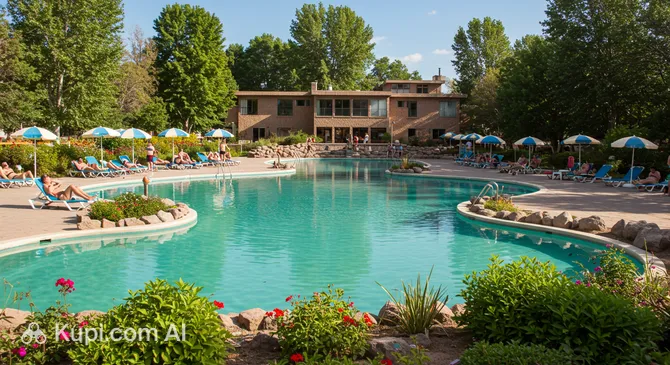
For those looking to enjoy the region's natural beauty, the Río Grande Bathing Resort is a must-visit destination. Located along the banks of the Limay River, this popular spot is part of the larger Paseo de la Costa. During the summer months, it transforms into a vibrant hub where visitors can swim, sunbathe, or enjoy water sports. Even in cooler weather, the riverside paths are perfect for cycling or a peaceful evening stroll while watching the sunset over the water.
Río Grande Bathing Resort. Illustration.
Source: Kupi.com AI
Traveler photos:
Nature enthusiasts will also appreciate North Neuquén Park, known locally as Parque Norte. This protected area is situated on the "bardas" (cliffs) overlooking the city, offering a distinct landscape of native vegetation and trails. It is the ideal location for trekking, running, or simply admiring panoramic views of the Neuquén Valley. The contrast between the arid plateau and the green city below provides a unique perspective on the region's geography.
Local Cuisine
The culinary scene in Neuquén is a delightful reflection of its status as the capital of Patagonia, blending traditional regional flavors with a modern, cosmopolitan gastronomic offer. Visitors will find that the city serves as a showcase for the high-quality produce of the surrounding valley, where fresh fruits, vegetables, and meats form the foundation of most menus. The dining atmosphere ranges from rustic, family-run establishments to sophisticated restaurants, catering to all tastes and budgets.
When it comes to signature dishes, the undisputed king of the table is Patagonian lamb (cordero patagónico). Typically roasted slowly over an open fire on a cross-shaped stake, the meat is tender, flavorful, and a must-try for any carnivore. Another local delicacy is rainbow trout, freshly caught from the nearby Limay and Neuquén rivers. It is often served grilled with lemon or accompanied by creamy sauces made with mushrooms or piñones (seeds from the native Araucaria tree), which add a unique, nutty flavor to both savory dishes and desserts.
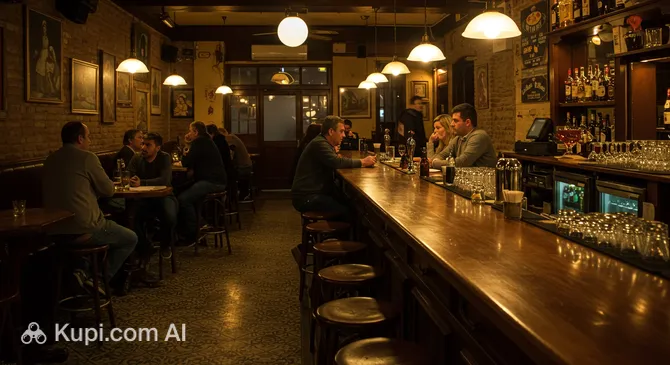
Growler Bar. Illustration.
Source: Kupi.com AI
Traveler photos:
The beverage culture in Neuquén is equally vibrant, with a particular emphasis on the booming craft beer movement. The region produces some of the country's finest artisanal beers, thanks to the purity of the local water and high-quality hops. To experience this firsthand, you can visit places like Growler Bar, where a variety of local styles are on tap. For wine lovers, the province is also emerging as a respected wine region, particularly known for its Pinot Noir and Malbec, which can be enjoyed in many city wine bars.
For a casual dining experience, locals often gather at lively pizzerias and bistros scattered throughout the downtown area. A popular spot for those craving Italian-style comfort food is Amore Pizza Napoletana, known for its authentic preparation. If you prefer a wide range of options in a single location, the food court at Alto Comahue Shopping offers a convenient mix of fast food and sit-down meals, making it a practical choice for travelers on the go. Whether you are looking for a quick snack or a full traditional feast, Neuquén's kitchen is ready to welcome you.
Travel Tips
Planning a trip to Neuquén is the first step toward an unforgettable Patagonian adventure, but knowing a few local logistics can make your stay much smoother and more enjoyable. To help you navigate the city like a pro, here are some practical tips covering everything from packing essentials to cultural nuances.
Clothing and Gear: The weather in Neuquén varies greatly by season, but one constant is the famous Patagonian wind. Regardless of when you visit, bring a windbreaker or a light jacket. In summer (December to February), the heat is dry and intense, so pack light, breathable clothing, sunglasses, and sunscreen. If you plan to hike the "bardas" or explore the riverbanks, sturdy and comfortable walking shoes are a must.
Transportation: To use public buses or the local Tren del Valle, you will need a SUBE card, which you can buy and load at kiosks or lottery shops. Taxis and remises (private cars) are widely available and safe; it is best to order them by phone or an app rather than hailing them on the street. If you intend to explore the surrounding wineries or paleontological sites, renting a car is highly recommended for flexibility.
Finances: The local currency is the Argentine Peso (ARS). While credit and debit cards are accepted in hotels, malls, and major restaurants, cash is still king in smaller shops and kiosks. ATMs are available but often have low withdrawal limits and high transaction fees for foreign cards. It is customary to leave a tip (propina) of about 10% in restaurants and cafes if the service was good.
Health and Safety: Neuquén is generally a safe city for tourists, especially in the downtown area and along the Paseo de la Costa, but standard precautions apply—keep an eye on your belongings in crowded places. Pharmacies (farmacias) are easy to find; look for the green cross sign. They operate on a rotation system for 24-hour emergency service, known as de turno, which is usually posted in their windows.
Communication: Spanish is the official language, and while staff at major hotels may speak English, it is not widely spoken by the general public. Learning a few basic phrases like "Hola" (Hello) and "Gracias" (Thank you) goes a long way. Free Wi-Fi is common in cafes and public spaces, but for reliable connectivity, consider buying a prepaid SIM card from providers like Movistar, Personal, or Claro at a local store.
Local Etiquette: Argentines are warm and social. The standard greeting, even among casual acquaintances, is a single kiss on the right cheek. When dining out, keep in mind that locals eat late; restaurants often do not fill up until 9:00 PM or later. Rushing a meal is uncommon—enjoy the sobremesa, the tradition of lingering at the table to chat after eating.
What to Avoid: Avoid bringing up sensitive political topics, particularly regarding the Falkland Islands (Islas Malvinas), as this is a deeply emotional subject for many Argentines. Also, try not to expect shops to be open during the "siesta" time (roughly 1:00 PM to 5:00 PM), as many smaller businesses close for the afternoon break.
Additional Tip: Take advantage of the river lifestyle. Unlike many cities that turn their backs to the water, Neuquén embraces its rivers. Do as the locals do and head to the Limay River promenade in the late afternoon with a mate (traditional herbal tea) kit or a cold drink to watch the sunset—it is the quintessential local experience.
By keeping these practical tips in mind, you will be well-prepared to embrace the vibrant rhythm of Neuquén. Whether you are here for the dinosaur fossils, the delicious food, or the stunning landscapes, a little local knowledge will ensure your journey is as relaxing as it is exciting.
Entertainment & Nightlife
Entertainment and Nightlife:
As the sun sets over the valley, Neuquén transforms into a vibrant hub of activity, offering a nightlife scene that rivals larger metropolitan areas. The city’s energy shifts from business and commerce to leisure and socialization, with a distinct Patagonian flair. The heart of the action is undoubtedly concentrated along Avenida Argentina and its extension, Avenida Olascoaga. This central corridor is lined with illuminated signs, bustling sidewalks, and a wide array of venues ranging from relaxed pubs to energetic dance floors.
For those who enjoy a laid-back evening, the craft beer culture is a defining feature of the local nightlife. Thanks to the region's high-quality water and hop production, "cervecerías" are the go-to meeting spots for friends. A prime example is Growler Bar, where visitors can sample a variety of local styles in a casual, rustic setting. These bars typically start filling up around 9:00 PM, serving not just drinks but also hearty pub food like burgers and pizzas, making them perfect for a dinner that extends into the night.
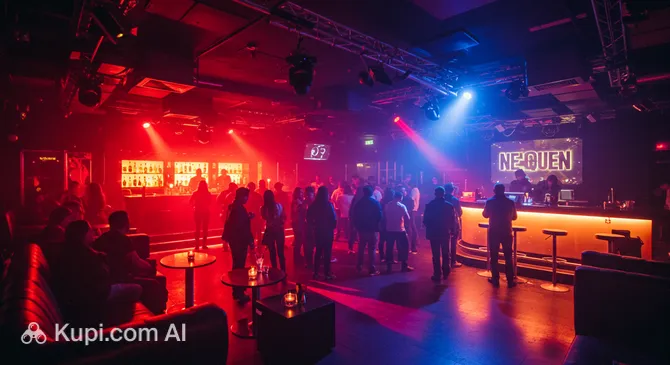
If you are looking to dance the night away, the city offers several nightclubs and discos that cater to different musical tastes, from electronic beats to Latin rhythms like cumbia and reggaeton. One of the most established names in the local scene is Nippon Car. This venue is known for its large capacity and lively atmosphere, often hosting themed parties and events. Keep in mind that the nightlife here starts late; clubs usually open their doors after midnight, but the real crowd arrives around 2:00 AM or 3:00 AM.
Nippon Car. Illustration.
Source: Kupi.com AI
Traveler photos:
During the warmer months, the nightlife expands towards the river. The Paseo de la Costa becomes a nocturnal destination in itself, where food trucks and riverside bars offer a breezy, open-air alternative to the downtown clubs. It is a safe and scenic area to enjoy a cocktail while listening to the sound of the Limay River. The dress code in Neuquén is generally "smart casual"—you will fit in perfectly with neat jeans and a nice shirt, although some upscale clubs might expect a slightly more polished look.
Regarding safety and logistics, the downtown area and the main avenues are well-lit and generally safe for walking at night, especially on weekends when crowds are out. However, for moving between districts or returning to your accommodation late at night, it is advisable to take a taxi or a remis. You can easily hail radio taxis or use local ride-hailing apps. Prices are reasonable, but it is always good to have some cash (pesos) on hand, as not all drivers accept cards.
For daytime entertainment before the sun goes down, the city offers excellent options for shopping and culture. Families and shoppers often head to the Portal Patagonia Shopping Mall, which features a wide range of retail stores, a food court, and a cinema complex showcasing the latest movie releases. Whether you prefer a quiet afternoon at the movies or a spirited night out in the city center, Neuquén ensures there is never a dull moment.
Parks & Museums
Neuquén is a city that prides itself on its balance between urban development and environmental preservation, offering visitors a variety of green spaces and cultural institutions. The city's layout incorporates expansive parks and river walks that invite relaxation, while its museums provide deep insights into the artistic and historical heritage of Patagonia.
For those seeking a connection with nature within the city limits, Parque Este is a wonderful destination. This green space is designed to preserve the native flora of the region, offering a landscape that reflects the authentic Patagonian steppe. It features walking paths and viewpoints that allow visitors to enjoy the scenery of the Neuquén River, making it an ideal spot for a peaceful afternoon stroll or a morning run away from the bustling downtown traffic.
Parque Este. Illustration.
Source: Kupi.com AI
Traveler photos:
Another significant site, located within the broader Central Park area, is the Monument to the Fallen in Malvinas. This solemn cenotaph pays tribute to the soldiers who lost their lives in the conflict. It is a place of reflection and respect, featuring a distinctive architectural design with plates listing the names of the fallen. The surrounding area is often used for civic ceremonies and offers a quiet space for contemplation in the heart of the city.
Culturally, the city is a powerhouse in the region. The National Museum of Fine Arts Neuquén (MNBA) continues to be a primary attraction for art lovers. As the only branch of the national museum outside Buenos Aires, it hosts rotating exhibitions of national and international relevance, ranging from classic European paintings to contemporary Argentine art. The modern building itself is a work of art, integrating seamlessly with the surrounding parkland.
To delve into the local history, a visit to the Gregorio Álvarez Museum is essential. Housed in a beautifully preserved railway shed built in 1901, the museum explores the anthropological and historical roots of the province. Its exhibits cover everything from archaeological findings to the history of the city's founding, all named in honor of the prominent local physician and historian Gregorio Álvarez.
Gregorio Álvarez Museum. Illustration.
Source: Kupi.com AI
Traveler photos:
For families or those interested in local fauna, the Norte Park Zoo offers a chance to see various animal species in a setting that prioritizes education and conservation. While smaller than major metropolitan zoos, it provides an engaging experience for children and an opportunity to learn about the biodiversity of the region and beyond.
Getting Around
The public transport network in Neuquén is efficient and continues to modernize, providing visitors with reliable options to navigate the city and its surroundings. The backbone of the urban transit system is the bus service, locally rebranded as COLE. These modern blue and white buses cover the entire metropolitan area, connecting the downtown district with residential neighborhoods, the river promenade, and the bus terminal. The fleet is equipped with GPS technology, allowing passengers to track arrival times and plan their journeys with greater precision through mobile applications.
For those looking to travel between Neuquén and nearby towns like Plottier or Cipolletti, the Tren del Valle is an excellent alternative. This commuter train service offers a quick and scenic way to bypass city traffic, running along the historic railway tracks that traverse the region. It is particularly useful during rush hours, offering a comfortable ride with specific stops that are convenient for both commuters and tourists wishing to explore the wider metropolitan area without renting a car.
To use both the buses and the train, you must have a SUBE card, the same magnetic card used in Buenos Aires and other major Argentine cities. You cannot pay with cash on board. Visitors can purchase the card at "kioscos" (convenience stores) or lottery agencies displaying the SUBE logo. Once you have the card, you need to load credit onto it at these same locations or via digital wallets. When boarding a bus or entering a train station, simply tap the card on the electronic reader to validate your fare. The system allows for transfers within a certain time window, often at a discounted rate.
Buses generally operate from the early morning hours, around 5:00 AM, until midnight. However, frequencies decrease significantly late at night and on weekends. To navigate the system easily, it is highly recommended to download the official transport app, often referred to as "App COLE" or consult Google Maps, which provides up-to-date route information and stop locations. This is particularly helpful for tourists unfamiliar with the street layout.
If you prefer a more direct mode of transport, taxis and remises are widely available. Taxis in Neuquén are painted yellow and can be hailed on the street, while remises are private cars that must be booked by phone or at a designated agency base. Both are metered and considered safe. For short distances, especially along the flat areas near the city center and the river, the city offers a public bicycle sharing system known as Si Bici. With miles of dedicated bike lanes, cycling is a pleasant and eco-friendly way to visit attractions like the Paseo de la Costa.
Accommodation
Finding the right place to stay in Neuquén is relatively easy, as the city boasts a well-developed hospitality infrastructure designed to accommodate a mix of business travelers and tourists. The accommodation landscape is diverse, ranging from modern high-rise hotels with full amenities to comfortable apartment rentals and budget-friendly hostels. Whether you are looking for a luxury suite for a corporate visit or a simple stopover on your way to the Andes, the city offers options to suit various preferences and budgets.
The most popular area for tourists is undoubtedly the City Center (Centro). Staying near the iconic Avenida Argentina places you within walking distance of the main commercial streets, banks, and a wide selection of restaurants and bars. This location is ideal for those who want to explore the city's cultural attractions, such as the museums and Central Park, on foot. For travelers arriving by car or planning a quick transit, accommodations located along Route 22 provide excellent accessibility and often feature ample parking, making them a practical choice for road trippers.
While the city does not typically feature sprawling resort-style properties, it is home to several reputable hotels that offer high standards of comfort, including gyms, swimming pools, and business centers. In recent years, there has also been a rise in the availability of temporary apartment rentals, which are perfect for families or longer stays, offering a more home-like environment with kitchen facilities.
Booking Tip: Neuquén is a major hub for the energy and oil industries, meaning that hotels can be quite busy during the workweek (Monday to Thursday) due to business conventions and corporate travel. To secure your preferred accommodation, it is highly recommended to book in advance, especially if you plan to visit during major local festivals or peak holiday seasons.
In terms of pricing, the city generally offers good value for money. Mid-range hotels are the most common and provide a solid balance of quality and cost. Budget travelers can find economical hostels and guesthouses, while those seeking more luxury will find the prices reasonable compared to other major tourist destinations in Argentina. Most establishments are listed on major online booking platforms, allowing for easy price comparison and secure reservations.
Nearby Cities
For those looking to explore the surroundings, Neuquén serves as an excellent base for day trips to several interesting nearby locations:
Just a short drive east lies General Roca, a city that stands as a cultural beacon in the Upper Valley (Alto Valle). It is renowned for its vibrant arts scene and the prestigious National Apple Festival. Visitors can explore the Patagonian Museum of Natural Sciences or tour some of the region's historic wineries, which offer tastings and insights into the area's rich viticultural tradition.
Located immediately across the Neuquén River, Cipolletti is practically a sister city to the capital. Known as the national capital of apples and pears, it offers a gateway to the lush agricultural landscapes that define the valley. It is an ideal spot for a quick getaway to enjoy riverside parks and the relaxed pace of a town deeply connected to fruit production.
Another convenient option is Centenario, situated just minutes to the north. This town has developed a charming circuit of agrotourism, featuring tea houses and farms where visitors can experience the rural lifestyle and taste fresh local produce.
City
Population
Distance
Cipolletti
87 492
6 km
Cinco Saltos
22 790
14 km
Plottier
32 390
15 km
Centenario
34 421
16 km
General Roca
160 954
43 km
These nearby destinations offer a glimpse into the diverse culture and landscapes of the region.
Shopping & Souvenirs
Shopping in Neuquén offers a diverse experience that reflects its status as the commercial capital of Patagonia. Visitors will find a vibrant mix of modern shopping centers, bustling commercial streets, and traditional fairs. Whether you are looking for international fashion brands, outdoor gear for your trekking adventures, or unique regional handicrafts, the city provides ample opportunities to find exactly what you need.
The heart of the city's retail activity is concentrated along Avenida Argentina and its extension, Avenida Olascoaga. This central boulevard is lined with a variety of shops, boutiques, and galleries. It is the perfect place for a leisurely walk, allowing you to browse through clothing stores, bookstores, and gift shops while admiring the city's monuments. The "Bajo" district, located near the intersection of Route 22 and Avenida Olascoaga, is another bustling commercial zone known for its wholesale outlets and diverse independent merchants.
For those who prefer a comprehensive indoor shopping experience, the city boasts top-tier malls. Alto Comahue Shopping is a modern architectural landmark situated on the city's elevated entrance. It features a wide range of upscale brands, a food court with panoramic views, and a comfortable atmosphere. Another major destination is the Portal Patagonia Shopping Mall, a large complex that includes a hypermarket, a cinema, and numerous retail outlets, making it a convenient one-stop spot for families and travelers.
Alto Comahue Shopping. Illustration.
Source: Kupi.com AI
Traveler photos:
To discover the local artistic flair, you should visit the Feria Artesanal de Neuquén. Typically located on Avenida Argentina near the cathedral, this artisanal market comes alive particularly on weekends and evenings. Here, local craftsmen display their creations, ranging from leather goods and silverware to woodwork and textiles. It is an excellent place to interact with the creators and purchase authentic handmade items that carry the spirit of the region.
When it comes to souvenirs, the best keepsakes are often edible or functional. Look for regional delicacies such as artisanal chocolates, fruit preserves made from locally grown apples and pears, and alfajores filled with patagonian berries. Local wines, especially Malbec and Pinot Noir from the surrounding valleys, are highly prized gifts. Additionally, Mapuche-inspired handicrafts, such as woven ponchos or intricate silver jewelry, make for meaningful and culturally rich mementos.
Store hours in Neuquén can vary depending on the type of establishment. Shopping malls are generally open daily from 10:00 AM to 10:00 PM. However, street shops and smaller businesses often follow the traditional "siesta" schedule, opening from 9:00 AM to 1:00 PM and reopening from 5:00 PM to 9:00 PM. Major credit and debit cards are widely accepted in malls and larger stores, but it is advisable to carry some cash (Argentine Pesos) for small purchases at markets or kiosks.
International tourists should also be aware of the Tax-Free Shopping system. Argentina offers a VAT (IVA) refund on purchases of locally made products at participating stores. Look for the "Tax-Free" signage in shop windows. To claim the refund, you will need to present your passport during the purchase and process the relevant forms at the customs office at the airport before leaving the country.