Support

Museo Gregorio Álvarez

About

In the very heart of Neuquén, nestled within the greenery of Central Park, lies one of the region's most notable historical buildings—the Gregorio Álvarez Municipal Museum. This is a place where industrial history meets cultural heritage, offering travelers a unique look at the development of Argentina in the early 20th century.

The museum building itself is an exhibit: it is a former railway workshop built in 1901. Since 1986, it has housed a museum dedicated to the history and culture of Patagonia. The architecture of the depot, which retains the features of that era, creates a special atmosphere, allowing you to literally touch the walls from which the development of the province's transport network began.
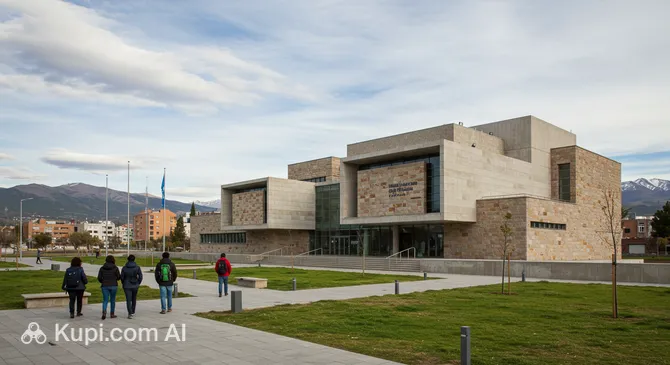
Gregorio Álvarez Museum
Gregorio Álvarez Museum. Иллюстрация. Источник: Kupi.com AI

Today, the museum is an important cultural center. Its halls house artifacts telling the story of the first settlers, the development of the railway, and the city's evolution. With a rating of 4.3 based on hundreds of reviews, the museum remains one of the most beloved and visited attractions for both locals and tourists.

Contacts

To check information about current exhibitions or organize group tours, you can use the official communication channels. The museum is open for interaction and always welcomes guests.

How to contactContact
AddressSan Martín 280, Q8302 Neuquén, Argentina
Phone+54 299 449-1200
Websitewww.neuquencapital.gov.ar

What to Do

The main reason to visit the Gregorio Álvarez Museum is the opportunity to see rare collections dedicated to Neuquén's railway past. Inside, you will find vintage photographs, authentic tools, and documents illustrating how the railway transformed the region. Visitors can examine detailed models and everyday items that belonged to the first railway workers and colonists.

Be sure to pay attention to the architecture of the building itself. The high ceilings and brickwork of the early 20th-century workshops create an excellent backdrop for atmospheric photos. A walk through the halls allows you to feel the scale of industrial construction from those years.

After exploring the indoor exhibits, it's pleasant to take a stroll through Central Park, where the museum is harmoniously situated. This is a great place for a quiet break where you can discuss what you've seen. The museum also regularly hosts temporary exhibitions and educational events, so every visit can bring new discoveries.

Getting There

Finding the Gregorio Álvarez Museum is easy, as it is located in the heart of the city, in Central Park at San Martín 280. This area is a major transport hub, so it is easily accessible from any district.

If you are arriving in Neuquén via Presidente Perón Airport, a taxi or rental car ride to the museum will take only about 15–20 minutes. The distance is approximately 10 kilometers, and the route passes through busy city streets.

For those who prefer public transport, city buses (colectivos) stop within walking distance of the park. From the city center, for example, from the intersection of Roca and Belgrano streets, you can reach the museum on foot in 10–15 minutes. Parking areas are available for motorists around the park, making your visit as comfortable as possible.

Ближайший город: Neuquén

History & Facts

The history of this place is inextricably linked with the development of the railways, which became the engine of progress for all of Patagonia. The building itself, which now houses the collection, was erected in 1901. It originally served as the railway workshops and depot for the Southern Railway—a key infrastructure facility of the time.

The city of Neuquén itself was officially founded only three years later, in 1904, through the efforts of Carlos Bouquet Roldán. Thus, the museum's walls literally remember the time when the city was just beginning to take shape. In 1986, the historical building was given a new life, becoming a municipal museum designed to preserve the memory of the pioneers and the railway era.

Prominent landowners such as Casimiro Gómez played an important role in the establishment of the area by donating land for the city's construction. In 1955, the settlement officially became the capital of the province, and over time, the museum turned into a major cultural center reflecting Neuquén's transformation from a small station into a modern metropolis at the confluence of rivers.

Time Needed

To leisurely view all the exhibits at the Gregorio Álvarez Museum, 1–2 hours is sufficient for most visitors. This time is enough to get acquainted with historical documents, vintage photographs, and study the architectural details of the building itself.

If you plan to combine your museum visit with a walk through Central Park and a break at nearby cafes, we recommend setting aside about 3 hours. The park's peaceful atmosphere is perfect for a relaxed rest after immersing yourself in the region's history.

Working Hours

When planning your visit to the Gregorio Álvarez Museum, please note the opening hours, as they vary between weekdays and weekends:

  • Tuesday – Friday: 8:00 AM to 8:00 PM
  • Saturday – Sunday: 4:00 PM to 8:00 PM
  • Monday: Closed
DayWorking hours
ПонедельникЗакрыто
Вторник8:00 – 20:00
Среда8:00 – 20:00
Четверг8:00 – 20:00
Пятница8:00 – 20:00
Суббота4:00 – 20:00
Воскресенье4:00 – 20:00

Nearby

A walk around the museum is a great opportunity to see the modern face of the city and get acquainted with its daily life. Central Park, where the museum is located, is surrounded by many interesting sites, from cozy squares to cultural spaces.

Exploring the surroundings will help you better feel the atmosphere of the region and find hidden gems of Neuquén's urban architecture.

NameDistance
Central Park0.2 km
San Martín Monument0.5 km
Monument to the Fallen in Malvinas0.6 km
Growler Bar0.7 km
Mr. Fill0.8 km
National Museum of Fine Arts Neuquén0.8 km
Amore Pizza Napoletana1 km

What to see in nearby cities

Reached the end of the page?

That means the route is fully explored