Support

Viedma

About

Welcome to Viedma, the capital of the Río Negro province and a historic gateway to the enchanting region of Patagonia. Located on the southern bank of the majestic Negro River, this city offers a unique blend of administrative importance and riverside tranquility. As you begin your journey through Argentina, Viedma stands out as a destination where nature and urban life coexist in perfect harmony.
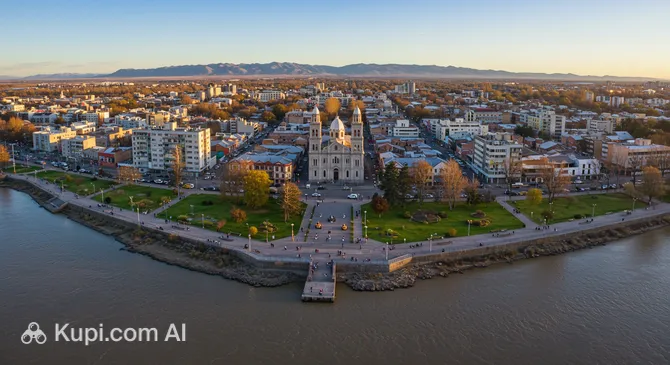
Viedma. Source: Kupi.Binoculars

With a population of approximately 80,000 residents, Viedma maintains a welcoming, small-town atmosphere despite its status as a provincial capital. The city sits directly across the river from Carmen de Patagones, and together they form a significant urban center. The climate here is generally temperate and semi-arid, making it pleasant for outdoor activities throughout much of the year, especially along the extensive riverfront.

The city's heritage is deeply rooted in the colonization of the southern territories. Visitors interested in the past can delve into the fascinating history of Viedma, which dates back to the late 18th century. The local architecture and monuments tell the story of early pioneers and the Salesian missions that shaped the region's cultural identity.

Travelers are often drawn to the beautiful Costanera, a landscaped promenade that stretches along the riverbank, perfect for walking, cycling, or enjoying a picnic with a view. Water sports enthusiasts can enjoy kayaking and rowing on the calm waters of the Negro River. Additionally, just a short drive away lies the El Cóndor beach resort, home to a massive colony of burrowing parrots, offering a spectacular wildlife experience on the Atlantic coast.

Whether you are looking to explore historical landmarks or simply relax by the water, Viedma provides a serene and enriching experience. It is an ideal starting point for any Patagonian adventure, inviting you to discover the warmth of its people and the beauty of its landscapes.

Weather Overview

Viedma features a temperate climate with distinct seasonal variations, offering different experiences depending on when you visit. Summers, spanning from December to February, are typically warm and inviting, with January seeing average highs of around 28.9°C. This creates perfect conditions for enjoying the riverside promenade and nearby beaches.

In contrast, the winter months of June through August bring cooler temperatures, with July being the coldest month, often dipping to an average low of 4.0°C. To help you plan your trip effectively, you can consult the detailed guide to the weather in Viedma. While precipitation is generally low, the city experiences about 4 to 7 wet days per month year-round, so packing layers and a light rain jacket is recommended regardless of the season.

Interesting Facts

Beyond the main attractions, Viedma holds many fascinating secrets that reveal its unique place in Argentine history. Uncover the stories that define the character of this resilient riverside city.

  • The Capital That Almost Was: In the late 1980s, Viedma was at the center of a bold national project to relocate the federal capital of Argentina from Buenos Aires to Patagonia. A law was even enacted to create the "Federal District of Viedma-Carmen de Patagones," though the transfer was ultimately stalled and never completed.

  • Oldest Patagonian Settlement: The city traces its roots back to 1779, making the Viedma-Carmen de Patagones conglomerate the oldest permanent European settlement in Patagonia. This deep history offers a glimpse into the early colonial efforts to inhabit the southern frontiers.

  • The Great Flood of 1899: The current layout of the city is a testament to resilience, as the original town was largely destroyed by a catastrophic flood in 1899. The waters of the Negro River rose so high that the provincial capital had to be temporarily moved to Choele Choel before Viedma was rebuilt and reinstated.

  • International Swimming Hub: The calm but flowing waters of the river host "La Patagones-Viedma," one of the most prestigious open-water swimming marathons in the world. This event has frequently served as a stage for the FINA World Cup, drawing Olympic-level athletes to the city.

How to Get There

Reaching this riverside capital is the first step of your Patagonian adventure. While Viedma has its own domestic airport, flight frequencies can vary, leading some travelers to consider regional hubs in neighboring cities combined with ground transport. For a complete guide on planning your journey, you can read more about how to get to Viedma via various routes.

If you are exploring regional flight options, you might consider arriving at Comandante Airport (IATA: BHI). Located in the city of Bahia Blanca, this is a significant transport node for the area. It is important to note that this airport is not in Viedma itself but in Bahia Blanca, approximately 242 km away, requiring a transfer by bus or taxi to reach your final destination. Alternatively, you can fly into El Tehuelche (IATA: PMY) in Puerto Madryn. This airport is situated about 278 km from Viedma, and reaching the city from there also involves a journey by road.

For clarity, here is a summary of the main regional airports listed:

Airport Name City Passenger Traffic Km from City
Comandante AirportBahia BlancaMedium242.3
El TehuelchePuerto MadrynSmall278.3

Regarding railway connections, Viedma is famously known as the eastern terminal of the iconic Tren Patagónico. This service runs across the province of Río Negro, connecting the Atlantic coast with the Andes mountains in Bariloche. It is a celebrated tourist experience rather than a standard commuter line. While there are generally no direct passenger trains connecting Viedma to Buenos Aires, the Tren Patagónico offers a unique way to arrive from or depart towards the western part of the province.

Main Attractions

Viedma offers a compelling mix of cultural heritage and natural beauty, serving as more than just an administrative capital. Visitors can explore the city’s rich history through its preserved architecture or venture a short distance to witness some of Patagonia's most unique wildlife spectacles. The city's layout and surroundings invite you to discover the legacy of the region's pioneers and the raw beauty of the Atlantic coast.

In the heart of the city, the Manzana Histórica (Historical Block) is a focal point for understanding the local heritage. This area features the Cathedral of Our Lady of Mercy (Catedral Nuestra Señora de la Merced), a beautiful structure built by the Salesian order. It stands as a symbol of the religious and social mission that shaped the community in the late 19th century. Walking around this district allows you to admire the colonial-style architecture and learn about the city's foundational years.

For a deeper dive into the region's past, the Museo Histórico Provincial Eugenio Tello is an essential stop. The museum houses a diverse collection of artifacts, including archaeological items from the indigenous Tehuelche people and objects from the early colonization period. The exhibits provide a well-rounded narrative of how Viedma evolved from a remote settlement into a thriving provincial capital.

Nature lovers should not miss Balneario El Cóndor, located approximately 30 kilometers from the city center where the Negro River flows into the sea. This seaside resort is famous for its towering cliffs which host the world's largest colony of burrowing parrots. The sight of thousands of these colorful birds flying along the sandstone walls is a truly mesmerizing experience for any traveler.

A bit further along the coast, the Reserva Faunística Punta Bermeja offers another exceptional encounter with wildlife. Situated about 60 kilometers from Viedma, this protected reserve is home to a massive permanent colony of South American sea lions. Viewing platforms are strategically placed on the cliffs, allowing visitors to observe the sea lions and various seabirds in their natural habitat against the backdrop of the vast Atlantic Ocean.

Local Cuisine

The local cuisine in Viedma serves as a delicious introduction to the flavors of Patagonia, blending traditional Argentine staples with regional specialties from the fertile lower valley of the Negro River. As a riverside city close to the Atlantic, the gastronomy here is defined by high-quality meats, fresh produce, and a growing reputation for excellent wines and nuts.

A visit to Viedma would not be complete without trying the renowned Patagonian lamb (cordero patagónico). Typically roasted "al asador" (on an iron cross over an open fire), the meat is tender, flavorful, and often seasoned simply to let the natural quality shine. For those who prefer lighter fare, the river and nearby coast provide fresh options like pejerrey (silverside fish) and various seafood dishes. Additionally, the region is a major producer of nuts; you will frequently find locally grown hazelnuts and walnuts featured in desserts, sauces, or served alongside artisanal cheeses.

When it comes to drinks, the province of Río Negro is famous for its cool-climate viticulture. Be sure to sample a glass of Pinot Noir or Merlot from the local wineries, which are highly regarded for their elegance and aroma. If you prefer beer, the craft beer movement is strong here, with several local microbreweries offering refreshing pints that are perfect for a warm evening. Of course, the traditional mate remains the most popular non-alcoholic infusion, shared socially in parks and homes throughout the city.

The food culture in Viedma is relaxed and social, with a dining scene that centers heavily on the Costanera. This riverside promenade is lined with restaurants and restobars where locals and tourists gather to enjoy a meal with scenic views of the water. Whether you are looking for a sophisticated dinner featuring local trout or a casual "picada" (platter of cold cuts and cheeses) at a sidewalk table, the atmosphere is always welcoming and authentic.

Travel Tips

To ensure your visit to Viedma is as smooth and enjoyable as possible, a little preparation goes a long way in this relaxed riverside capital. These practical tips will help you navigate the local customs, climate, and logistics, allowing you to focus on the beauty of the Patagonian gateway.

  1. Pack Layers and Wind Protection: The weather in this part of Argentina can be changeable. Even in summer, evenings can get cool near the river, and the Patagonian wind is a constant factor. Bring a good windbreaker, sunglasses to protect against dust, and comfortable walking shoes for the long promenades along the Costanera.

  2. Getting Around: The city center is compact and easily explored on foot. For longer distances, such as reaching the El Cóndor beach resort, renting a car is highly recommended to give you freedom of movement. Within the city, remises (private taxis booked by phone or at an office) are the most common and reliable form of public transport, as they are often faster and more convenient than the local bus network for tourists.

  3. Managing Finances: While major hotels and supermarkets accept credit cards, many smaller shops, kiosks, and local restaurants prefer or only accept cash (efectivo). ATMs are available in the city center, but they can occasionally run out of money on weekends. It is wise to carry a sufficient amount of Argentine Pesos for daily expenses and tips.

  4. Health and Safety: Viedma is generally a safe and peaceful city. For minor health issues, look for pharmacies marked with a green cross; they operate on a rotating "de turno" schedule for 24-hour service (check the sign in the window for the open pharmacy of the day). The main public hospital is Hospital Artémides Zatti, located near the city center.

  5. Language Barrier: English is not widely spoken outside of high-end tourism establishments. Learning a few basic phrases in Spanish, such as "Hola" (Hello), "Gracias" (Thank you), and "¿Cuánto cuesta?" (How much?), will be greatly appreciated by locals. Downloading an offline translation app and a map of the area is also a good idea before you arrive.

  6. Respect the Siesta: Like many interior cities in Argentina, Viedma observes a strict afternoon break. Most shops and businesses close around 1:00 PM and do not reopen until 5:00 PM. Use this time to relax, enjoy a long lunch, or take a walk by the river, rather than trying to run errands.

  7. Dining Times: Avoid heading out for dinner too early. Locals typically eat late, with restaurants often opening their doors for the evening shift only after 8:30 PM. Arriving at 7:00 PM might find you in front of a closed door or an empty dining room.

  8. River Crossing Experience: A unique local tip is to take the lancha (passenger boat) to cross the Negro River to the neighboring town of Carmen de Patagones. It is a quick, inexpensive, and scenic way to experience the daily life of residents who commute between the two cities, offering a lovely perspective of Viedma from the water.

By keeping these practicalities in mind, you will be well-equipped to blend in with the local rhythm and make the most of your stay. Viedma's charm lies in its slow pace and natural beauty, so take your time and enjoy the warm hospitality of the Northern Patagonia region.

Entertainment & Nightlife

Nightlife in Viedma is characterized by a relaxed and social atmosphere that reflects the city's riverside charm. Rather than large, chaotic nightclubs, the evening scene focuses on restobars, pubs, and cultural venues where locals gather to share food, drinks, and conversation late into the night. The city comes alive after the sun sets, with the illuminated river providing a scenic backdrop for a night out.

The heart of the action is undoubtedly the Costanera (Riverside Promenade), specifically along Avenida Francisco de Viedma. This district is the primary hub for evening entertainment, lined with various establishments that range from family-friendly dining spots to lively bars. In the warmer months, the energy spills out onto the sidewalks, where terraces are filled with people enjoying the cool breeze coming off the Negro River.

For those seeking a complete entertainment experience, the Casino del Río is a major landmark in the city's nightlife. Located near the river, this complex offers more than just gaming; it frequently hosts live shows, musical performances, and features a sophisticated bar and restaurant area. It is a popular destination for visitors looking for a polished environment to spend the evening.

If you prefer a more casual vibe with excellent views, Sol de la Ribera is a well-known venue located directly on the waterfront. It transitions seamlessly from a dining spot in the evening to a lively bar at night, making it a perfect place to start with dinner and stay for cocktails. For craft beer enthusiasts, Libeerarte offers a wide selection of local brews in a friendly, pub-style setting that attracts a younger crowd.

Practical advice for enjoying Viedma at night includes adjusting to the local schedule. The "night" starts late here; restaurants often do not fill up until after 9:30 PM, and bars get busier around midnight. The dress code is generally casual and comfortable (smart-casual for the casino). In terms of safety, the Costanera and city center are considered safe for walking during the evening, but it is always recommended to use a remis (private taxi) when returning to your accommodation late at night, especially if you are staying further from the center.

Beyond the nightlife, Viedma offers culturally enriching daytime entertainment. The Centro Municipal de Cultura is the focal point for the arts, hosting theater productions, concerts, and exhibitions throughout the year. For a relaxing afternoon, the local cinemas provide a modern movie-going experience, often serving as a quiet retreat before the evening activities begin.

Parks & Museums

Exploring the cultural and natural landscape of Viedma offers a refreshing balance between urban history and riverside tranquility. The city takes great pride in its green spaces, which serve as communal living rooms for residents, while its museums preserve the rich legacy of the Patagonian frontier. Whether you are seeking a quiet afternoon under the trees or a deep dive into regional history, Viedma’s public spaces are welcoming and accessible.

The crown jewel of the city's green areas is the Parque Jorge Ferreira. Located along the banks of the Negro River, this expansive park is the heart of outdoor life in Viedma. It is meticulously landscaped and features ample space for picnics, sports, and family gatherings. The park is also the traditional venue for major local events, such as the National River Festival, making it a vibrant hub of activity during the summer months. Its proximity to the water allows visitors to enjoy the cooling river breeze while relaxing on the grass.

For a more traditional urban experience, Plaza San Martín stands as the central square of the city. Surrounded by important administrative buildings, it is a beautifully maintained space with mature trees, fountains, and monuments. It serves as a peaceful retreat in the middle of the downtown area, perfect for a short break while exploring the city center. Another notable green space is the extensive garden network along the Costanera, which provides kilometers of uninterrupted nature trails for walkers and cyclists, seamlessly blending the city edge with the river environment.

When it comes to culture, the Museo Salesiano Cardenal Cagliero is a must-visit for those interested in the religious and social history of Patagonia. Located within the historical Salesian block, this museum offers a fascinating insight into the life and work of the Salesian missionaries who played a crucial role in the development of the region. The exhibits include religious art, historical documents, and artifacts that tell the story of the mission's interaction with the local communities in the 19th and 20th centuries.

Another unique institution is the Museo Tecnológico del Agua y del Suelo. This museum focuses on the vital relationship between the region's agriculture and its water resources. It highlights the engineering marvels of the irrigation systems in the lower valley of the Negro River (IDEVI), which transformed the arid landscape into a fertile production zone. It is an intriguing stop for visitors curious about the economic and geographical transformation of this part of Argentina.

While the Museo Histórico Provincial Eugenio Tello is the primary repository for anthropological and general history, these smaller, specialized museums provide a more nuanced view of specific aspects of Viedma's identity. Together, they form a comprehensive cultural circuit that is easily navigable on foot.

For an authentic local experience, take a moment to visit the Plazoleta del Fundador near the river. It marks the spot where Francisco de Viedma y Narváez founded the settlement in 1779. It is a quiet, contemplative spot that offers a direct connection to the origins of the oldest European settlement in Patagonia, often overlooked by tourists rushing to the larger parks.

Getting Around

Public transport in Viedma is straightforward and primarily relies on a network of buses and taxis, making it easy for visitors to navigate the city and its surroundings. The urban bus service covers the main neighborhoods, the downtown area, and key points of interest such as the university and the hospital. During the summer season, frequency increases on the specific line connecting the city center to the Balneario El Cóndor, allowing tourists to reach the beach comfortably without a car.

To use the local buses, you must have a SUBE card, the same contactless smart card used in the capital and many other cities in the region. You cannot pay the driver with cash. These cards can be purchased and topped up at various "kioscos" (convenience stores) and lottery agencies throughout the city; look for the blue SUBE logo in shop windows. It is advisable to buy a card and load enough credit for your entire stay as soon as you arrive, as finding an open charging point late at night or on Sundays can sometimes be challenging.

For a more direct and faster mode of transport, taxis and remises are widely available and very popular among locals. Standard taxis can be hailed on the street or found at designated ranks, while remises are private cars that must be booked by phone or at a local agency office (remisería). For tourists, remises are often the most convenient option, offering fixed or meter-based rates that are generally affordable. Most drivers accept only cash, so it is important to carry small bills.

A unique and scenic feature of Viedma's transport system is the passenger launch (lancha) that crosses the Negro River. This small boat service connects the Viedma pier with the neighboring town of Carmen de Patagones on the opposite bank. It operates throughout the day and offers a quick, inexpensive, and picturesque alternative to crossing the road bridges. It is not just a tourist attraction but a daily commuter link for residents of both cities.

While the city center and the riverside promenade (Costanera) are compact enough to be explored comfortably on foot or by bicycle, renting a car is highly recommended if you plan to visit further attractions like the sea lion colony at Punta Bermeja. Additionally, Viedma serves as the departure point for the historic Tren Patagónico, a long-distance passenger train that travels across the province to the Andes. While not for city commuting, it is a major transport highlight for travelers heading west.

Accommodation

Where to Stay:

Accommodation in Viedma is characterized by its hospitality and simplicity, catering primarily to travelers seeking comfort and functionality rather than opulence. The city generally lacks large international luxury hotel chains, offering instead a good selection of mid-range hotels, apart-hotels, and family-run establishments. For those looking for a more independent stay, temporary apartment rentals and "cabañas" (cabins) are widely available and are a popular option throughout the region.

The most desirable location for tourists is undoubtedly along or near the Costanera (Riverside Promenade). Staying in this area provides beautiful views of the Negro River and easy access to the city's main concentration of restaurants, restobars, and walking paths. Alternatively, the city center is a practical choice, placing you within walking distance of banks, administrative buildings, and the main plaza. Since Viedma is a compact city, staying in either of these central districts ensures that most attractions are easily accessible on foot or by a short taxi ride.

Regarding costs, the city is generally affordable compared to major Patagonian tourist hubs like Bariloche. The price range typically spans from budget-friendly hostels and guesthouses to mid-range hotels that offer standard amenities such as Wi-Fi, air conditioning, and breakfast. While you can find listings on major international booking platforms, it is worth noting that many smaller local establishments and apartment rentals may offer better rates or specific availability if contacted directly via phone or WhatsApp, a common practice in Argentina.

A crucial booking tip is to be aware of the local events calendar. Accommodation can fill up quickly during the Regata del Río Negro in January, which attracts athletes and spectators from all over, or when the Turismo Carretera car races are held at the local autodrome. If your visit coincides with these popular events or the peak summer season (December to February), it is highly recommended to secure your lodging well in advance to ensure you find a place that suits your needs.

Nearby Cities

For those looking to explore the surroundings, Viedma serves as an excellent base for day trips to several interesting nearby locations:

Located directly across the Negro River, Carmen de Patagones is a historical gem that feels like a journey back in time. As the oldest settlement in Patagonia, it features winding cobblestone streets, colonial architecture, and the famous "Cuevas Maragatas," which were used as dwellings by the first settlers. It is perfect for a quick visit without the need for long travel.

To the north lies Bahia Blanca, a vibrant port city that offers a contrast to the quiet charm of Viedma. It is a cultural center with numerous museums, theaters, and shopping opportunities, making it a great option for those seeking urban entertainment and maritime history.

For nature enthusiasts, Puerto Madryn is a compelling destination situated to the south. Known globally for its coastal wildlife, it serves as the gateway to the Valdés Peninsula, where visitors can observe whales, penguins, and sea lions in their natural habitat, making the journey well worth the effort.

City Population Distance (km)
Bahia Blanca 301572 241
Puerto Madryn 115353 275
Trelew 97915 332
Punta Alta 58315 229
Tres Arroyos 47136 357

These nearby destinations offer a glimpse into the diverse culture and landscapes of the region.

Shopping & Souvenirs

Shopping in Viedma offers a relaxed and authentic experience, reflecting the city's pace of life as a provincial capital rather than a bustling metropolis. Instead of massive commercial centers, you will find a charming mix of family-run businesses, modern boutiques, and regional product stores. The shopping scene here focuses heavily on local production, allowing visitors to discover the unique flavors and craftsmanship of the lower Río Negro valley.

The commercial heart of the city beats primarily along Calle Buenos Aires. This central street serves as the main open-air shopping district, lined with clothing stores, shoe shops, pharmacies, and bookstores. It is a pleasant area for a stroll, especially in the late afternoon when locals come out to run errands and socialize. Adjacent streets like Avenida 25 de Mayo also host a variety of businesses, making the downtown area compact and easy to navigate on foot.

Unlike larger Argentine cities, Viedma does not feature large-scale shopping malls with international franchises. The retail landscape is defined by smaller shopping galleries and arcades located within the city center. These galleries typically house independent boutiques and specialized services. For daily necessities and groceries, large supermarket chains are available, but for leisure shopping, the street-side stores are the main attraction.

For a taste of local culture, the Feria Municipal is a vibrant spot to visit, particularly on weekends. Here, residents buy fresh produce directly from the producers of the IDEVI (Institute for the Development of the Lower Valley). Additionally, the Feria de Artesanos (Artisan Fair), often located near the Costanera or in central plazas during holidays, is the perfect place to find handmade crafts, leather goods, and jewelry created by local artists.

When looking for souvenirs, the region's agricultural bounty takes center stage. Viedma is famous for its production of nuts, particularly walnuts and hazelnuts, which are of exceptional quality. You can buy them raw, roasted, or processed into chocolates and pastes. Other excellent gifts include local wines from the Río Negro province, olive oil, and artisan ceramics that reflect the area's indigenous and colonial history.

Store opening hours in Viedma strictly follow the traditional "siesta" schedule. Most shops open from around 9:00 AM to 1:00 PM, close for the afternoon break, and reopen from 5:00 PM to 9:00 PM. Supermarkets and some larger chains may remain open throughout the day. Regarding payment, while credit and debit cards are widely accepted in established businesses, it is advisable to carry cash (Argentine Pesos) for small purchases, kiosks, and artisan markets.

Regarding Tax-Free shopping, Argentina has a VAT refund system (Global Blue) for foreign tourists on purchases of locally made products. However, the participating stores are mostly found in major tourist hubs like Buenos Aires or Bariloche. In Viedma, finding shops affiliated with the tax-free refund program may be difficult, so it is best to check for the "Tax-Free Shopping" signage in store windows before making a purchase with a refund in mind.

Reached the end of the page?

That means the route is fully explored