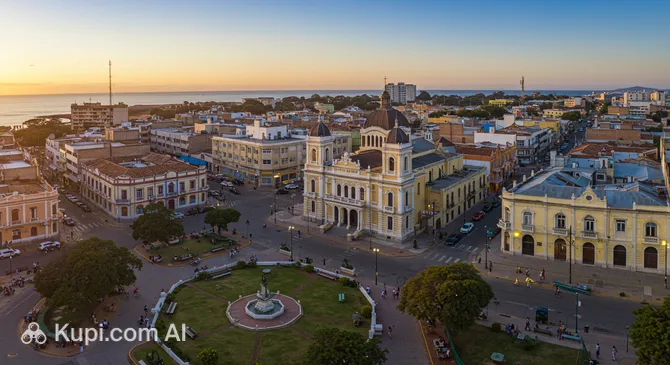
Bahia Blanca is a significant port city located in the southwest of the Buenos Aires Province in Argentina. Often regarded as a gateway to the southern regions of the country, it serves as a major industrial and commercial hub while maintaining a distinct cultural identity. The city sits near the Atlantic Ocean on the Naposta Stream, offering a transition zone between the fertile Pampas and the rugged landscapes of Patagonia.
Bahia Blanca. Illustration.
Source: Kupi.com AI
With a population of approximately 300,000 inhabitants, the city has a lively urban atmosphere supported by a temperate climate that is generally pleasant for sightseeing. The maritime influence is strong here, shaping both the local economy and the lifestyle of its residents. Those keen on understanding how this strategic location evolved from a 19th-century fortress into a modern metropolis can explore the history of Bahia Blanca, which is preserved in its museums and historical archives.
Travelers will find plenty to admire, starting with the neoclassical architecture of the city center. The iconic Teatro Municipal stands out as a cultural jewel, renowned for its beauty and acoustic quality. For a relaxing afternoon, the Paseo de las Esculturas offers a charming green space filled with art installations, perfect for a leisurely stroll. Whether you are interested in maritime heritage or simply looking for a dynamic stopover on your journey south, Bahia Blanca invites you to discover its unique charm.
Weather Overview
The city experiences a temperate climate with distinct seasonal variations, offering warm summers and cool winters. During the peak of summer in January, the average temperature hovers around 24.5°C, with daytime highs frequently reaching 30.5°C, making it an ideal time for outdoor activities. In contrast, the winter months bring a noticeable chill; July is typically the coldest month, with average temperatures dropping to 8.6°C and lows dipping near 4.3°C.
Precipitation is generally light but spread throughout the year, with the number of wet days ranging from 4 to 8 per month. For those planning a visit, it is advisable to consult the detailed guide on the weather in Bahia Blanca to pack appropriately for the season. Overall, travelers can expect warm summers with occasional rain and cold, drier winters.
Average monthly temperature
Average monthly precipitation
Interesting Facts
Beyond its reputation as a major industrial hub, Bahia Blanca holds fascinating secrets that range from sporting legends to pivotal moments in scientific history. This city is not just a gateway to Patagonia but a place where global icons were forged and evolutionary theories began to take shape.
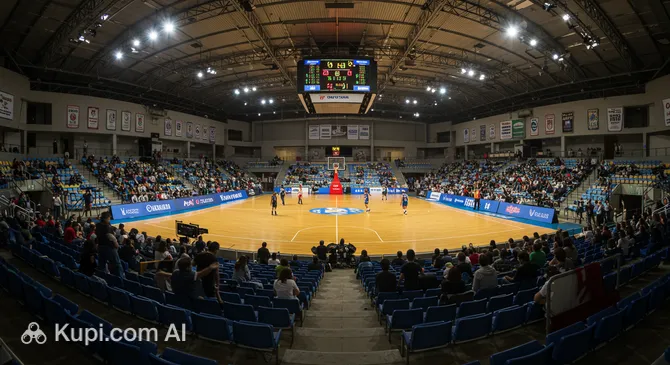
Estudiantes Club – Dr. Osvaldo Casanova Stadium. Illustration.
Source: Kupi.com AI
Traveler photos:
Bahia Blanca is officially recognized as the "National Capital of Basketball" in Argentina, a title earned by its extraordinary passion for the sport and the talent it produces. It is the hometown of NBA legend Manu Ginóbili, who began his career at the local Estudiantes Club – Dr. Osvaldo Casanova Stadium, a venue that remains a pilgrimage site for basketball fans worldwide.
The city played a crucial role in the development of the theory of evolution. During his voyage on the HMS Beagle in the 1830s, Charles Darwin spent considerable time exploring this coast and discovered major fossils of extinct mammals, such as the Megatherium, which were instrumental in shaping his groundbreaking scientific ideas.
The name "Bahia Blanca," which translates to "White Bay," does not refer to white sandy beaches or snow. It was actually named by early explorers, including Ferdinand Magellan in 1520, who observed the white, salt-covered shores visible from the sea at low tide.
Despite its arid surroundings, the city boasts an impressive amount of urban greenery. Residents and visitors alike flock to the Paseo de la Mujer and Parque de Mayo, a sprawling green lung that features an artificial lake and serves as the central recreational hub for the community.
How to Get There
Reaching this strategic port city is relatively straightforward, as it serves as a major transportation hub between the capital and the southern regions of Patagonia. Whether you prefer the speed of air travel or the scenery of an overland journey, there are several options to suit your itinerary. For a comprehensive guide on all available routes and transport modes, you can read more about how to get to Bahia Blanca.
The most convenient entry point for most travelers is the Comandante Airport (IATA: BHI). Located directly in Bahia Blanca, it sits approximately 9.9 km from the city center. This airport is the primary gateway for the region, handling a significant flow of passengers and offering regular connections to Buenos Aires. A taxi or shuttle ride from the terminal to downtown typically takes about 35 minutes, depending on traffic.
Another option, though significantly further away, is the Santa Rosa Airport (IATA: RSA). It is important to note that this airport is located in the city of Santa Rosa, roughly 295.5 km from Bahia Blanca. While it handles a smaller volume of traffic, it can serve as an alternative landing point for specific travel plans. However, arriving here requires a subsequent long-distance drive or bus ride of nearly 4 hours to reach Bahia Blanca.
For clarity, here is a summary of the main airports:
In addition to air travel, Bahia Blanca is a key node for land transportation. The city boasts a busy bus terminal with frequent long-distance services connecting it to Buenos Aires, Mar del Plata, and various destinations across Patagonia. The road network is well-developed, making bus travel a popular and often economical choice. Train services also operate between Bahia Blanca and the federal capital, providing a classic and scenic way to traverse the Buenos Aires Province.
Main Attractions
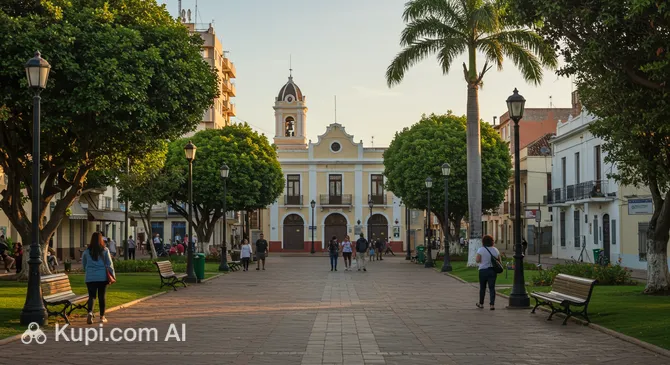
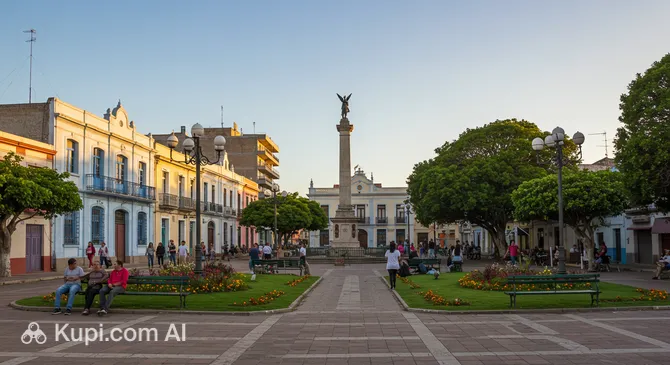
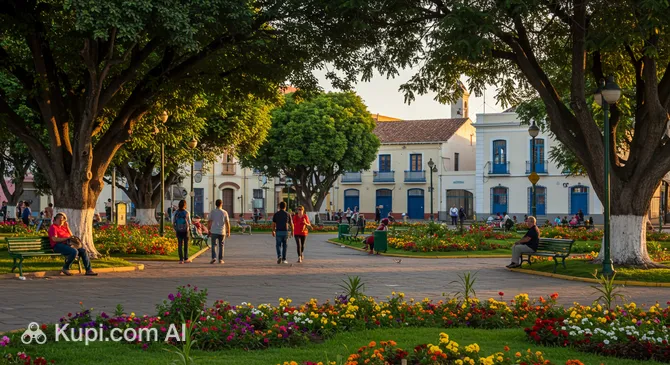
Bahia Blanca offers a variety of interesting sites that blend urban history with recreational spaces. At the center of the city's social life is Rivadavia Square. This historic plaza serves as the main meeting point for locals and is surrounded by some of the most important administrative and architectural landmarks in the area. Visitors can stroll along its well-maintained paths, admire the central monument, or simply relax on a bench to observe the daily rhythm of the city.
Rivadavia Square. Illustration.
Source: Kupi.com AI
Traveler photos:
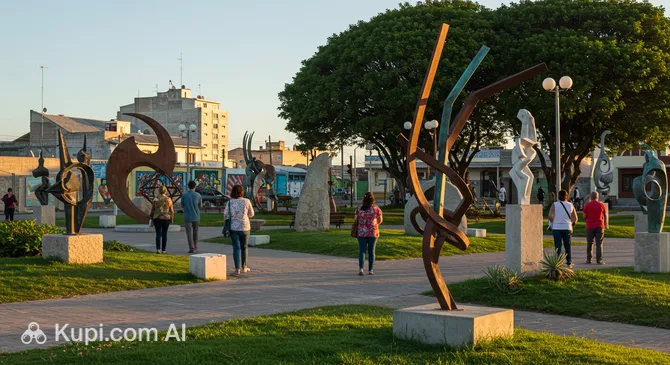
For those who enjoy combining art with nature, the Sculpture Walk (Paseo de las Esculturas) is an essential stop. Located along the banks of the Naposta Stream, this linear park is famous for its collection of large-scale metal sculptures created by various artists. It provides a scenic route for walking or cycling, offering a unique cultural experience in an open-air setting that contrasts beautifully with the surrounding greenery.
Sculpture Walk. Illustration.
Source: Kupi.com AI
Traveler photos:
Another inviting urban retreat is Bartolomé Mitre Square, often referred to simply as Plaza Mitre. This traditional square is a favorite among residents for its peaceful atmosphere and lush vegetation. It features a prominent monument dedicated to the former Argentine president Bartolomé Mitre and serves as a lovely spot for a quiet break while exploring the city's neighborhoods.
Bartolomé Mitre Square. Illustration.
Source: Kupi.com AI
Traveler photos:
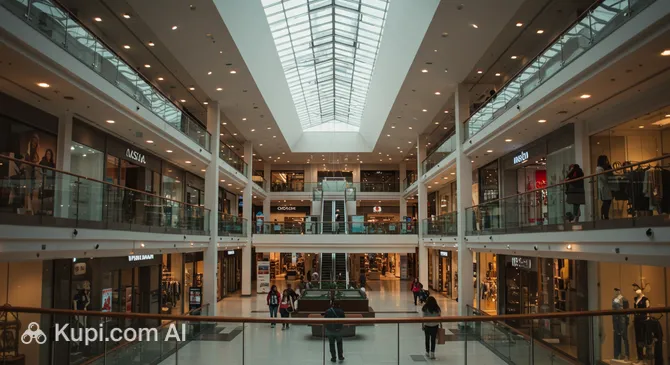
Travelers looking for modern conveniences and entertainment should visit the Bahía Blanca Plaza Shopping. As the premier commercial center in the city, it hosts a wide range of national and international retail brands, making it the ideal spot for shopping. In addition to stores, the mall features a cinema complex and a food court, providing a perfect setting to unwind after a day of sightseeing.
Local Cuisine
The culinary scene in Bahia Blanca is a delightful reflection of its geography, sitting at the crossroads where the fertile Pampas meet the Atlantic coast. This unique position means that while the city shares Argentina’s intense love affair with high-quality beef, it also boasts a stronger maritime influence than many inland towns. Visitors can expect a gastronomic experience that ranges from traditional rustic barbecues to fresh seafood dishes, all enjoyed in a relaxed, unpretentious atmosphere.
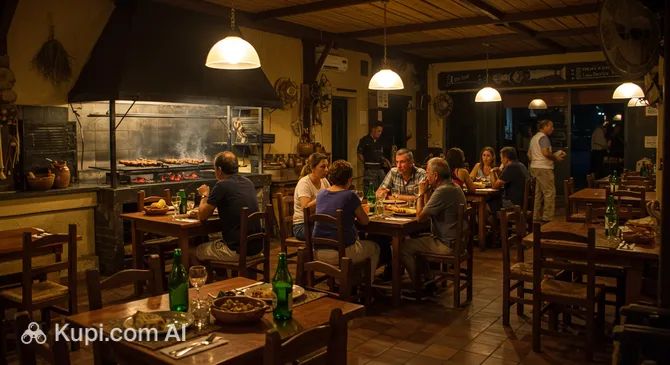
No visit to this region would be complete without indulging in a classic Argentine asado. The local steakhouses, or parrillas, are the heart of social life, serving expertly grilled cuts of meat such as bife de chorizo (sirloin) and tira de asado (short ribs). For those looking to experience this quintessential tradition, El Mundo de la Parrilla is a popular choice, known for its generous portions and authentic preparation that highlights the quality of the local cattle.
El Mundo de la Parrilla. Illustration.
Source: Kupi.com AI
Traveler photos:
Beyond red meat, the city's status as a major port ensures a steady supply of fresh ingredients from the sea. Seafood lovers should look for dishes featuring cornalitos (small fried fish), calamari, and hearty seafood stews known as cazuelas. The strong Italian heritage of the population also shines through in the local cuisine, making handmade pasta and milanesas (breaded meat cutlets) staple comfort foods found on nearly every menu.
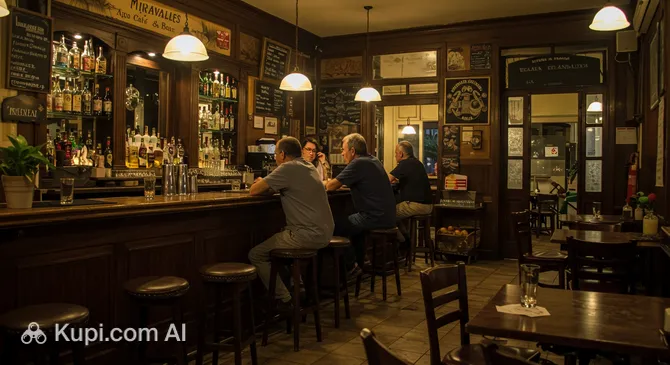
When it comes to beverages, the local culture mirrors the national habits. Wine is the accompaniment of choice for dinner, with a glass of robust Malbec being the standard pairing for red meat. For a more casual or social drink, locals often gather at historic spots like Miravalles Café & Bar. Places like this offer a glimpse into the city's daily rhythm, serving everything from morning coffee to evening aperitifs, including the beloved Fernet with cola.
Miravalles Café & Bar. Illustration.
Source: Kupi.com AI
Traveler photos:
The dining culture here is warm and communal, with meals often stretching late into the evening. Whether you are grabbing a quick bite or sitting down for a multi-course dinner, the vibe is welcoming. Establishments like Refugio Bahía Blanca provide a cozy setting for tourists to mingle with residents and sample a variety of local flavors. Don't forget to end your meal with a sweet treat; an alfajor or a dessert featuring dulce de leche is the perfect way to conclude your culinary tour.
Refugio Bahía Blanca. Illustration.
Source: Kupi.com AI
Traveler photos:
Travel Tips
Preparing for a trip to Bahia Blanca means getting ready for a city that balances industrial energy with a relaxed provincial vibe. To help you navigate the "Gateway to Patagonia" with ease and enjoy your stay like a local, here are some essential practical tips.
Clothing and Gear: The weather here can be changeable, and the city is known for its strong winds, so a windbreaker is a must-have item regardless of the season. Dress in layers to adapt to temperature shifts throughout the day. If you plan to explore the port area or walk the city center, pack comfortable, sturdy walking shoes. The dress code is generally casual, but smart-casual attire is recommended for dining out at nicer restaurants.
Transportation: The most economical way to get around is the public bus system, which requires a SUBE card (the same rechargeable card used in Buenos Aires and across Argentina). You can buy and charge it at kiosks (kioscos) throughout the city. Taxis and remises (private cars booked by phone or at an agency) are safe and readily available. Ride-hailing apps are also an option, but traditional taxis are often more consistent here.
Finances: The local currency is the Argentine Peso (ARS). While credit and debit cards are accepted in major hotels, malls, and supermarkets, carrying cash is essential for smaller shops and kiosks. It is advisable to bring US dollars or Euros to exchange at official bureaus or Western Union locations to get the best value. Tipping is customary; leaving about 10% of the bill in restaurants is standard practice if the service was good.
Health and Safety: Bahia Blanca is generally safe for tourists, but standard urban precautions apply. Avoid walking alone in poorly lit areas on the outskirts at night. Pharmacies are marked with a green cross, and there is always one open 24/7 on a rotating schedule (known as de turno). For any medical emergencies, the public hospital system is available, but having travel insurance that covers private clinics is highly recommended for faster service.
Communication: The main language is Spanish, and English proficiency varies; it is mostly found in high-end hotels and tourist centers. Learning a few basic phrases like "Hola" (Hello), "Gracias" (Thank you), and "¿Cuánto cuesta?" (How much?) will be appreciated. To stay connected, buy a local prepaid SIM card (Claro, Movistar, or Personal) at a kiosk. WhatsApp is the primary method of communication for everything from restaurant reservations to contacting tour guides.
Local Etiquette: Argentines are warm and physical in their greetings. It is common to greet people—even new acquaintances—with a single kiss on the right cheek. When dining, meals are social events that can last for hours. If you are invited to share mate (the local herbal tea), accept it as a gesture of friendship, and remember the golden rule: never stir the straw (bombilla) with your hand.
What to Avoid: Do not expect to eat dinner early. Restaurants in Bahia Blanca, like the rest of Argentina, typically open for dinner around 8:00 PM or 9:00 PM, and locals often don't arrive until later. Trying to find a full meal at 6:00 PM can be difficult. Also, avoid flashing expensive electronics or large amounts of cash in public spaces to stay low-profile.
Siesta Time: Be aware that many smaller shops and businesses close for a mid-day break, typically between 1:00 PM and 4:30 PM. Plan your shopping or errands for the morning or late afternoon. This downtime is a perfect opportunity to relax, enjoy a long lunch, or visit a park like the locals do.
By keeping these practicalities in mind, you will be well-equipped to experience the authentic charm of Bahia Blanca. Whether you are battling the wind on a coastal walk or enjoying a late-night steak, blending in with the local customs will make your visit all the more memorable.
Entertainment & Nightlife
Nightlife in Bahia Blanca is characterized by a relaxed yet vibrant energy, driven largely by the city's significant student population and its port-city heritage. The evening typically begins late, with locals heading out for dinner around 9:00 PM or 10:00 PM, and bars filling up shortly after. The main artery for evening entertainment is Avenida Alem. This bustling avenue is lined with a variety of pubs, craft beer bars (cervecerías), and resto-bars where friends gather to socialize on sidewalk terraces, especially during the warmer months.
For those seeking a classic atmosphere to start the night, Miravalles Café & Bar is a local institution. While it serves as a café by day, in the evening it transforms into a nostalgic meeting point where visitors can enjoy an aperitif or a glass of wine in a setting that retains the charm of old Bahia Blanca. It is an excellent spot for conversation before moving on to louder venues or clubs, which typically open their doors well after midnight and stay open until dawn.
Sports serve as a major form of evening entertainment here, particularly basketball, which is the city's sporting passion. Catching a game at the Estudiantes Club – Dr. Osvaldo Casanova Stadium is a thrilling experience. The atmosphere in the arena on game nights is electric, offering tourists a chance to witness the intense local fan culture firsthand. Tickets are generally affordable, and the matches often take place in the evening, making it a perfect pre-dinner activity.
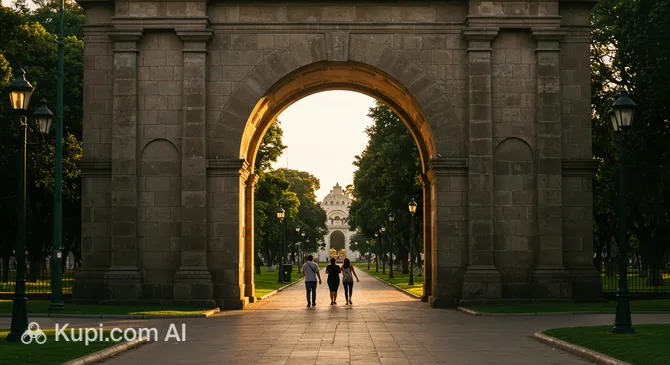
If you prefer a more laid-back outdoor experience, the area around La Arcada: Entrance to Parque de Mayo comes alive at night, particularly in summer. This iconic gateway often serves as a backdrop for food trucks, small fairs, and families or couples enjoying a late-night stroll under the lights. It offers a safe and refreshing environment to unwind away from the crowded bars of the city center.
La Arcada: Entrance to Parque de Mayo. Illustration.
Source: Kupi.com AI
Traveler photos:
While the focus is often on the night, daytime entertainment also has its place. Visitors can explore the city's cultural offerings, such as the Teatro Municipal, which hosts plays and concerts, or visit the Port Museum in nearby Ingeniero White to understand the maritime history. For families, the city offers several well-maintained parks and shopping areas that provide amusement during the daylight hours.
Practical Advice and Safety: The dress code for nightlife is generally smart-casual; jeans and a nice shirt are appropriate for almost any bar or club. Prices are reasonable compared to Buenos Aires, with craft beers and cocktails being quite affordable. In terms of safety, while the main entertainment districts like Avenida Alem are busy and well-lit, it is advisable to avoid walking alone in quiet residential areas late at night. The safest way to get around is by calling a remis (a private car service) or using a radio taxi, rather than hailing a cab on the street.
Parks & Museums
Bahia Blanca offers visitors a refreshing balance between urban energy and natural tranquility, boasting a variety of green spaces and cultural institutions that celebrate its heritage. From expansive parks perfect for outdoor recreation to museums that chronicle the city's maritime and artistic history, there are plenty of opportunities to explore the local lifestyle beyond the busy commercial center.
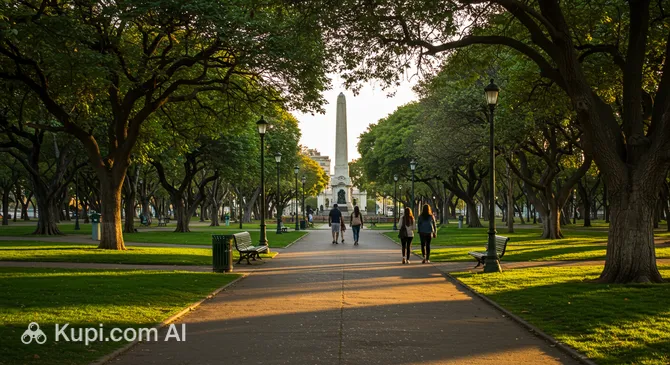
The city's most prominent green lung is the Parque de Mayo, a sprawling area that serves as the primary recreational hub for residents. Covering a significant portion of the city, it features winding paths, ancient trees, and an artificial lake that can be navigated by paddleboats. Connected to this is the Paseo de la Mujer, a modern extension that offers additional space for walking and cycling. It is the perfect spot for a picnic or a leisurely afternoon, providing a peaceful escape from the urban hustle.
Paseo de la Mujer and Parque de Mayo. Illustration.
Source: Kupi.com AI
Traveler photos:
For those interested in history and nature combined, Plaza del Algarrobo is a site of particular significance. This square is named after a historic carob tree (algarrobo) that stands within it, believed to be centuries old and a witness to the region's pre-colonial past. It is a quieter, more contemplative space than the larger parks, ideal for those who appreciate heritage trees and a moment of reflection in a historical setting.
Plaza del Algarrobo. Illustration.
Source: Kupi.com AI
Traveler photos:
Bahia Blanca's cultural landscape is deeply influenced by its port identity. A must-visit is the Museo del Puerto (Port Museum), located in the nearby town of Ingeniero White. This museum offers a fascinating look into the lives of the immigrants who built the community, displaying everyday objects and oral histories in a setting that feels more like a neighbor's kitchen than a formal gallery. Additionally, the Museo de Bellas Artes (Museum of Fine Arts) and the Museo de Arte Contemporáneo (MAC) showcase an impressive collection of Argentine art, reflecting the city's sophisticated cultural pulse.
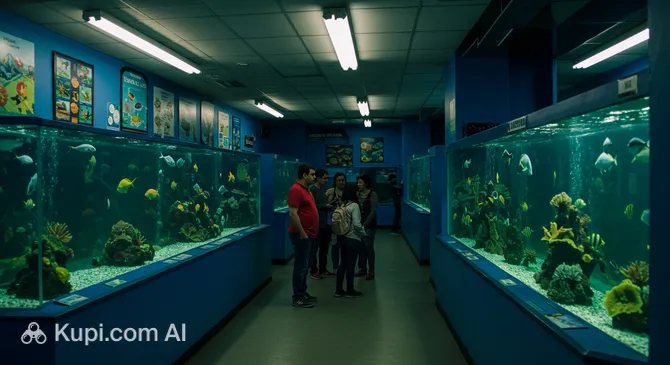
Families and nature enthusiasts will find a unique attraction in the Aqua Bahia Aquarium. This facility provides an educational glimpse into aquatic life, featuring species found in the local Atlantic waters as well as exotic varieties. It is an engaging stop for children and adults alike, offering insight into the marine biodiversity that exists just off the coast of the province.
Aqua Bahia Aquarium. Illustration.
Source: Kupi.com AI
Traveler photos:
For a truly authentic experience, plan your visit to the museums in Ingeniero White on a weekend afternoon. After exploring the exhibits, join the locals for a traditional tea service at one of the nearby historic houses, where the custom of serving tea with cakes reflects the strong European influence that still permeates the area.
Getting Around
The public transport system in Bahia Blanca relies primarily on a comprehensive network of buses, known locally as colectivos. These buses connect the city center with residential neighborhoods, the university area, and the industrial port of Ingeniero White. While there is no metro, tram, or trolleybus system, the bus lines are efficient and cover most areas of interest for visitors. The routes are identified by numbers (e.g., 500, 502, 519), and stops are generally marked with signs indicating the lines that stop there.
To travel by bus, you must use the SUBE card, a rechargeable smart card used for public transit. Cash is not accepted on board. You can purchase this card at various "kioscos" (convenience stores) or lottery agencies throughout the city. The fare is deducted automatically when you tap your card on the reader upon boarding. It is advisable to load enough credit for several trips, especially on weekends when recharging points might be closed or harder to find.
For tourists, navigating the system is made easier by using mobile applications like GPS Bahía or standard map apps, which provide real-time information on bus arrivals and route planning. Buses typically operate from early morning, around 5:00 AM, until midnight. However, frequency drops significantly after 10:00 PM and on Sundays, so it is wise to check the schedule if you plan to travel late. When waiting at a stop, always signal the driver with your hand to ensure the bus stops for you.
If you prefer a more direct and private mode of transport, taxis and remises are widely available. Taxis are painted black and yellow and can be hailed on the street or found at designated stands. Remises, on the other hand, are private cars that look like regular vehicles and must be booked by phone or at a specific agency office; they cannot pick up passengers from the street. Both are safe and operate with meters or fixed rates based on distance.
For those who enjoy active travel, Bahia Blanca is becoming increasingly bike-friendly. The city has developed a network of cycle paths (ciclovías), particularly connecting the downtown area with major parks like the Parque de Mayo. While there isn't a massive tourist-oriented bike rental market, a public bicycle sharing system exists for locals and registered users. Walking is also a viable option for exploring the city center, as many attractions, shops, and restaurants are concentrated within a walkable radius around Rivadavia Square.
Accommodation
Accommodation:
Bahia Blanca offers a functional and varied selection of accommodation options designed to cater to a mix of business travelers, stopover tourists, and visitors exploring the region. The city’s hospitality sector is well-developed, featuring everything from reliable mid-range hotels and modern apartment rentals to budget-friendly hostels. While it lacks an abundance of ultra-luxury resorts, travelers will find comfortable and well-equipped establishments that provide excellent service and essential amenities for a pleasant stay.
For most tourists, the best area to stay is the city center (Microcentro), particularly in the blocks surrounding the main plaza. Staying in this district places you within walking distance of key attractions, the pedestrian shopping streets, and a wide array of restaurants and cafes. This central location also offers easy access to public transportation and taxi stands, making it a convenient base for exploring the wider city or heading to the bus terminal.
Pricing in Bahia Blanca is generally reasonable compared to larger tourist hubs like Buenos Aires. The accommodation landscape is dominated by mid-range options, though budget travelers can find affordable guesthouses and hostels. It is advisable to book your stay in advance, especially if you plan to visit during major sporting events or the peak summer season, as the best-rated locations can fill up quickly. Most establishments accept online reservations through major booking platforms, but contacting smaller apartments or local hotels directly can sometimes yield better rates.
Nearby Cities
For those looking to explore the surroundings, Bahia Blanca serves as an excellent base for day trips to several interesting nearby locations. The region offers a mix of coastal history, agricultural heritage, and the gateway to the Patagonian landscapes.
Just a short drive away lies Punta Alta, the closest neighbor to Bahia Blanca. This city is deeply connected to the Puerto Belgrano Naval Base and offers visitors a chance to explore its maritime history through local museums and archives. Further afield, Tres Arroyos provides a look into the province's agricultural heartland. Known for its strong Dutch heritage and the annual Provincial Wheat Festival, it serves as a cultural hub for the surrounding rural areas. For those willing to travel a bit longer, Viedma sits on the banks of the Negro River, marking the historic and geographical start of Patagonia, offering scenic riverside promenades and colonial architecture.
City
Population
Distance
Ingeniero White
10 486
7 km
Punta Alta
58 315
25 km
Coronel Dorrego
11 510
85 km
Pedro Luro
9 494
94 km
Florida
48 158
122 km
These nearby destinations offer a glimpse into the diverse culture and landscapes of the region, ranging from naval traditions to the quiet charm of the pampas and the river valleys.
Shopping & Souvenirs
General Overview: As the commercial hub of southern Buenos Aires Province, Bahia Blanca offers a diverse shopping scene that caters to both locals and visitors. The city blends modern retail experiences with traditional family-owned businesses, providing everything from high-end fashion and electronics to regional handicrafts. While it is not primarily known as a shopping destination, its status as a port city ensures a steady flow of goods, making it a convenient place to find travel essentials or unique Argentine gifts.
Main Shopping Areas/Streets: The heart of the city's commercial activity is located in the downtown area, known as the Microcentro. The streets surrounding Rivadavia Square, particularly the pedestrianized sections of Alsina and O'Higgins, are lined with clothing boutiques, shoe stores, and bookshops. This area is perfect for a leisurely walk, allowing tourists to window shop while admiring the city's architectural heritage. The bustling atmosphere here is quintessential to the local lifestyle, especially in the late afternoons.
Shopping Malls: For a comprehensive retail experience under one roof, the Bahía Blanca Plaza Shopping is the city's premier destination. Located slightly away from the city center, this large mall features a wide array of national and international brands, a cinema complex, and a varied food court. It is the ideal spot for travelers seeking air-conditioned comfort, modern amenities, or a place to shop during the mid-day siesta when street shops are closed.
Bahía Blanca Plaza Shopping. Illustration.
Source: Kupi.com AI
Traveler photos:
Markets: While Bahia Blanca does not have a massive permanent tourist market, artisanal fairs are a common sight, particularly on weekends. The Feria de Artesanos often sets up in the main plazas or parks, such as Plaza Rivadavia or Parque de Mayo. Here, visitors can browse through stalls selling handmade jewelry, leather goods, woodwork, and textiles created by local craftsmen. These markets offer a more authentic and personal shopping experience compared to the larger stores.
Souvenirs: When looking for keepsakes to bring home, focus on goods that represent Argentine culture. Leather products, such as belts, wallets, and bags, are of high quality and generally well-priced. Another popular choice is a mate gourd and bombilla (metal straw), the essential kit for drinking the local herbal tea. For those with a sweet tooth, boxes of alfajores (dulce de leche sandwich cookies) from regional bakeries make for delicious and crowd-pleasing gifts.
Opening Hours and Payment: Shopping hours in Bahia Blanca typically follow the traditional split shift. Street shops and downtown businesses usually open from 9:00 AM to 1:00 PM, close for a siesta, and reopen from 4:30 PM to 8:30 PM. However, the shopping mall operates continuously, usually from 10:00 AM to 10:00 PM. Major credit and debit cards are widely accepted in malls and larger establishments, but it is advisable to carry cash (Argentine Pesos) for small purchases, artisanal markets, or kiosks.
Tax-Free: Argentina offers a Tax-Free Shopping system for foreign tourists on locally manufactured products. Visitors should look for stores displaying the "Tax Free" logo (Global Blue). By presenting a foreign passport and paying with a foreign credit card, you can request a refund form for VAT (IVA) on purchases exceeding a certain amount, which can then be processed at customs upon leaving the country.