Support

Santa Rosa

About

Welcome to Santa Rosa, the vibrant capital of La Pampa Province and a charming gateway to the vast landscapes of the Argentine Pampas. Known for its welcoming atmosphere and agricultural significance, this city serves as a perfect stopover for travelers exploring the central region of Argentina. With a population of over 100,000 residents, it offers a blend of modern amenities and traditional rural hospitality, making it a unique destination for those seeking an authentic experience.

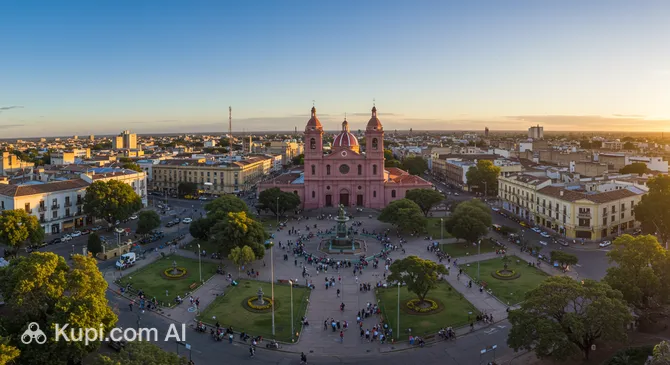
Santa Rosa. Source: Kupi.Binoculars

The city is situated in a transition zone between the humid pampas and the semi-arid steppe, resulting in a climate that is generally temperate with distinct seasons. Visitors interested in the history of Santa Rosa will discover that it was founded in the late 19th century and has since grown into a cultural and administrative hub. The city's layout and architecture reflect its steady development from a small settlement to a bustling provincial capital.

One of the main highlights for locals and tourists alike is the Laguna Don Tomás, a sprawling recreational park and lake located just west of the city center. It is an ideal spot for walking, jogging, water sports, and enjoying picnics amidst nature. Additionally, the city serves as a convenient base for visiting the nearby Luro Park Reserve (Reserva Provincial Parque Luro), a protected area known for its unique caldén forests and wildlife.

Whether you are passing through on a road trip or planning a dedicated visit to La Pampa, Santa Rosa invites you to relax and enjoy its tranquil pace of life. From its green spaces to its friendly community, the city promises a pleasant and memorable stay in the heart of the country.

Weather Overview

Santa Rosa experiences a climate characterized by distinct seasonal changes, reflecting its location between the humid pampas and the semi-arid steppe. The weather in Santa Rosa varies significantly throughout the year, so packing layers is often a good strategy. Expect warm summers with occasional rain and cold, dry winters.

The summer months, particularly January, are the warmest, with average maximum temperatures reaching around 30.8°C. This season also tends to have a higher frequency of rain, with December and January seeing about 9 wet days each. Conversely, the winter period from June to August is much cooler; July is typically the coldest month with average lows dipping to 3.8°C and highs reaching just 13.6°C. Rainfall is less frequent during the winter, often resulting in crisp, clear days.

Interesting Facts

Beyond the main attractions, Santa Rosa holds many fascinating secrets that reveal its unique character and history. Digging a bit deeper into the local culture uncovers specific details that often surprise even seasoned travelers.

  • The city is home to a strikingly modern religious landmark, the Cathedral of Santa Rosa de Lima. Its avant-garde architecture features a façade made of 12 distinct rhomboid structures representing the apostles, offering a sharp and memorable contrast to the traditional colonial style found in many other cities in Argentina.

  • While the nearby Luro Park is known for its nature, it also houses a historic mansion known locally as "El Castillo" (The Castle). This French-style chateau was built in the early 1900s and served as the headquarters for the country's first organized game reserve, where European red deer were originally introduced to the region.

  • Santa Rosa boasts a true architectural jewel in the form of the Teatro Español. Inaugurated in 1908, this theater is renowned for its exquisite façade adorned with caryatids and intricate moldings, standing as a testament to the sophisticated cultural ambitions of the city's founders more than a century ago.

How to Get There

Reaching this provincial capital is relatively straightforward, with options available for both air and ground travel. Whether you are arriving from Buenos Aires or exploring other parts of the region, you can find all ways to reach the city to suit your itinerary.

For those preferring air travel, the city is served by Santa Rosa Airport (RSA). This domestic airport is conveniently situated just 3.9 km from the city center, making the transfer to your accommodation very quick. It primarily handles flights connecting the province to the national capital. A taxi or shuttle from the terminal to downtown typically takes approximately 10 to 15 minutes. While it is a smaller regional hub, it offers essential services for travelers.

For clarity, here is a summary of the main airport:

Airport Name City Passenger Traffic Km from City
Santa Rosa Airport Santa Rosa Small 3.9

If you prefer ground transportation, Argentina has an extensive network of long-distance buses (ómnibus) that connect Santa Rosa with major cities across the country. The bus terminal is centrally located, offering a comfortable and often budget-friendly alternative to flying. Additionally, the city is well-connected by road via National Routes 5 and 35, making it an accessible destination for those traveling by car.

Main Attractions

While Santa Rosa is often viewed as a gateway to the Pampas, the city and its surroundings offer several compelling destinations for visitors. From protected natural reserves to cultural hubs showcasing local heritage, the area provides a genuine glimpse into the lifestyle and history of the province.

One of the most significant sites for nature lovers is the Reserva Provincial Parque Luro. Located just south of the city, this protected area is famous for preserving the unique Caldén forest, an ecosystem native to this region. It is a fantastic destination for hiking and wildlife watching, where visitors can spot red deer, wild boars, and over 160 species of birds. The park is also known for the "brama" (deer bellowing) season in early autumn, which attracts nature enthusiasts from all over the country.

For those interested in local culture and authentic souvenirs, the Mercado Artesanal is a must-visit. Operated by the provincial government, this market ensures the authenticity of the crafts sold. Tourists can find exquisite handmade items, including traditional Pampa silverware, woven wool ponchos, and high-quality leather goods. It is an excellent place to appreciate the skilled craftsmanship of the region's artisans and take home a piece of Argentina.

Art enthusiasts should explore the Museo Provincial de Artes. This museum serves as a cultural center for the city, housing a permanent collection of paintings, sculptures, and engravings by both provincial and national artists. It frequently hosts temporary exhibitions and cultural events, offering a quiet and inspiring space to engage with the local artistic scene right in the city center.

Another highlight is the Reserva Natural Urbana La Malvina. This site combines history with outdoor recreation, as it was once the residence of the city's founder, Don Tomás Mason. Today, the lovingly restored main house serves as a museum displaying period furniture and historical artifacts. Surrounding the house is a beautiful park with trails and native vegetation, making it a perfect spot for a relaxing afternoon walk while learning about the origins of Santa Rosa.

Local Cuisine

The culinary scene in Santa Rosa is deeply rooted in the traditions of the Argentine Pampas, meaning one thing above all else: exceptional meat. As the capital of a province famous for its vast cattle ranches, the city offers some of the highest quality beef in Argentina. For food enthusiasts, this is a destination where the connection between the fertile land and the plate is celebrated in every meal.

The undisputed star of the local table is the asado (barbecue). In Santa Rosa, this is not just a cooking method but a social ritual. The meat is cooked slowly over wood fires, resulting in tender, smoky cuts like tira de asado (short ribs) and vacío (flank steak). Visitors should also try the local cordero (lamb), which is often roasted whole on a cross (al asador) and seasoned simply to highlight its natural flavor. For a quick and savory snack, empanadas—pastries filled with hand-cut meat, onions, and spices—are a staple available in bakeries and restaurants alike.

To accompany these hearty dishes, red wine is the standard choice, with Malbec being the favorite varietal to pair with red meat. For a non-alcoholic experience, you will encounter mate everywhere; this bitter herbal tea is drunk from a gourd through a metal straw and represents friendship and hospitality. In the evenings, locals often unwind with a glass of Fernet with cola, a bittersweet herbal highball that is iconic in Argentine nightlife.

Dining out in Santa Rosa is typically a relaxed affair, with an emphasis on gathering with family and friends. The city is dotted with traditional parrillas (steakhouses) where portions are generous and the atmosphere is lively. Beyond the grills, you can find shops selling regional specialties such as jars of escabeche (pickled meats, sometimes featuring wild game like vizcacha) and artisanal dulce de leche, offering a taste of the countryside to take home.

Travel Tips

Planning a trip to Santa Rosa is an exciting prospect, but having a few practical insights beforehand will ensure your journey through the heart of La Pampa is as smooth as it is memorable. Here are some essential tips to help you navigate local customs, logistics, and daily life with the ease of a local.

  1. Clothing and Gear: The climate varies significantly, so pack according to the season. For summer (December to February), bring light, breathable clothing and sun protection, as temperatures can be high. In winter (June to August), you will need warm layers and a good jacket. Comfortable walking shoes are a must for exploring places like Laguna Don Tomás. Don't forget a universal power adapter, as Argentina typically uses Type I or Type C outlets.
  2. Transportation: While the city center is walkable, renting a car is highly recommended if you plan to explore the surrounding province or visit the Luro Park Reserve. Within the city, remises (private car services similar to taxis) are a popular and reliable way to get around; it is best to order one by phone or via an app rather than hailing them on the street. Public buses are available but may be less convenient for short tourist stays.
  3. Finances: The local currency is the Argentine Peso (ARS). While credit cards are accepted in major hotels and restaurants, carrying cash is essential for smaller shops, kiosks, and rural attractions. ATMs are widely available, but be aware of transaction fees. Tipping is customary in restaurants; leaving about 10% of the bill is standard practice if the service was good.
  4. Health and Safety: Santa Rosa is generally a safe and tranquil city, but it is always wise to keep an eye on your belongings in public spaces. Pharmacies are easy to find, and they operate on a rotating "on-duty" (de turno) schedule to provide 24-hour service; look for the sign in the window indicating the nearest open pharmacy.
  5. Communication: Spanish is the primary language, and English is not widely spoken outside of high-end tourism establishments. It is very helpful to learn a few basic phrases or download an offline translation app. To stay connected, you can purchase a local SIM card (from providers like Claro, Movistar, or Personal) at many kiosks and convenience stores in the city center.
  6. Local Etiquette: Argentines are warm and social people. The standard greeting, even among new acquaintances, is a single kiss on the right cheek. When entering a shop or waiting room, it is polite to greet everyone with a general "buenos días" or "buenas tardes." If you are invited to share mate, accept it as a gesture of friendship.
  7. What to Avoid: Do not expect to eat dinner early. Restaurants in Argentina typically open for the evening service after 8:30 PM, and locals often dine around 10:00 PM or later. Arriving at 7:00 PM might leave you facing closed doors or an empty dining room. Also, if sharing mate, never use the metal straw (bombilla) to stir the drink; this is considered rude.
  8. Respect the Siesta: Like many provincial cities in Argentina, Santa Rosa observes the siesta. Many shops and businesses close in the early afternoon, typically from 1:00 PM to 5:00 PM, and reopen for the evening. Plan your shopping and errands for the morning or late afternoon to avoid frustration.

By keeping these practical tips in mind, you will be well-prepared to embrace the relaxed pace and warm hospitality of Santa Rosa. Enjoy your adventure in the Argentine Pampas!

Entertainment & Nightlife

Entertainment in Santa Rosa reflects the city's role as a provincial capital—lively enough to keep you occupied, yet relaxed enough to feel welcoming. While it may not have the frenetic pace of a metropolis, the nightlife here is authentic and centers around socializing with friends, enjoying good music, and savoring local flavors. The evening typically begins late, with locals often heading out for dinner or drinks well after 9:00 PM.

The main hub for evening activity is the downtown area (Microcentro), particularly along Avenida San Martín and its intersecting streets. This is where you will find a concentration of bars, restaurants, and pubs that stay open until the early morning hours. In recent years, the craft beer boom has firmly taken root here, with several cervecerías offering locally brewed pints accompanied by hearty snacks like burgers or pizzas. The atmosphere is generally casual, and the dress code is smart-casual; you rarely need to dress up formally unless attending a specific gala or high-end event.

For a comprehensive entertainment experience, the Casino Club Santa Rosa is a major attraction. Located on Avenida Arturo Illia, it offers more than just gaming; it is a social venue that frequently hosts live music shows, musical performances, and has its own restaurant and bar service. It is a popular spot for both locals and visitors looking for a lively night out in a safe environment.

If you are looking for cultural entertainment in the evening, check the schedule for the Teatro Español. As one of the most beautiful architectural landmarks in the city, it regularly stages theatrical plays, concerts, and ballet performances. For movie lovers, Cine Amadeus offers a mix of mainstream and independent films, providing a classic cinema experience in the heart of the city.

Nightlife in Santa Rosa peaks on Friday and Saturday nights. If you plan to go dancing at a nightclub (boliche), be prepared for a very late start; most clubs do not get busy until 2:00 AM or 3:00 AM. Before that, people usually gather at "previa" spots—bars or private homes—to have drinks. Prices are generally affordable compared to larger cities in Argentina, making a night out quite budget-friendly.

Regarding daytime entertainment, the city offers pleasant diversions beyond its parks. You can explore the local museums mentioned earlier or enjoy shopping along the pedestrian-friendly sections of the city center. Families might enjoy the recreational facilities at Laguna Don Tomás, which remains active until sunset with people jogging or enjoying the playgrounds.

Practical Advice for the Night: Santa Rosa is considered safe for night walks, especially in the illuminated downtown areas. However, as in any city, it is prudent to stay in populated zones. For transportation late at night, it is best to use a remis (a private car service) rather than hailing a taxi on the street. You can easily order one by phone or through a local app, or ask the venue staff to call one for you. This is the most common and secure way to get back to your accommodation after a night out.

Parks & Museums

Santa Rosa offers a delightful balance between urban development and refreshing green spaces, making it a pleasant destination for those who enjoy outdoor activities and cultural exploration. The city's layout incorporates ample parks and plazas that serve as community gathering spots, while its museums and cultural centers provide deep insights into the natural history and artistic heritage of the La Pampa region.

The crown jewel of the city's green spaces is undoubtedly the Parque Recreativo Don Tomás. Located just west of the downtown area, this sprawling 500-hectare park surrounds the Laguna Don Tomás and serves as the primary recreational hub for residents. It features extensive jogging and cycling paths, barbecue facilities, and playgrounds, making it perfect for a family day out. Visitors can enjoy water sports like kayaking or windsurfing on the lake, or simply relax at "La Isla," a scenic viewpoint within the park. The area is also a haven for birdwatchers, as the wetland environment attracts a variety of local bird species.

In the heart of the city lies Plaza San Martín, the central square that anchors Santa Rosa's urban grid. This beautifully landscaped plaza is more than just a meeting point; it is a green oasis filled with mature trees, manicured gardens, and the iconic monument to General José de San Martín. It is an excellent spot to sit and observe local life, admire the surrounding architecture, or enjoy a break while exploring the city center. The plaza often hosts artisan fairs and community events, adding to its vibrant atmosphere.

For those interested in the region's origins, the Museo Provincial de Historia Natural is a fascinating stop. This museum is dedicated to preserving and showcasing the natural heritage of La Pampa. Its exhibits cover a wide range of topics, from the province's geological formation and paleontology—featuring fossils of prehistoric megafauna like the glyptodont—to its current biodiversity. It also provides valuable context regarding the indigenous peoples who originally inhabited these lands, offering a comprehensive look at the area's past before modern settlement.

Another significant cultural venue is the Centro Cultural Medasur. This modern complex is a dynamic space that hosts art exhibitions, concerts, and theater productions. While the nearby Museo Provincial de Artes focuses on fine arts, Medasur often features contemporary works and traveling exhibits, reflecting the evolving cultural pulse of Argentina. Its distinctive architecture and active calendar make it a key location for anyone looking to engage with the local creative scene.

Architecturally, Santa Rosa boasts the impressive Centro Cívico (Civic Center), a landmark that draws admirers of modern design. Designed by the renowned architect Clorindo Testa, this complex is a striking example of Brutalist architecture, characterized by its bold use of raw concrete and geometric forms. It houses the government offices and the bus terminal, creating a monumental structure that stands in sharp contrast to the traditional colonial styles found elsewhere. It is a must-see for architecture enthusiasts visiting the city.

For a truly authentic experience, take a short trip to the neighboring town of Toay, located just 10 kilometers away. Here you will find the Casa Museo Olga Orozco, the childhood home of one of Argentina's most celebrated poets. The museum preserves the intimate atmosphere of her life and work, offering a quiet and poetic retreat that feels worlds away from the bustling provincial capital.

Getting Around

Public transport in Santa Rosa is straightforward and primarily relies on a network of urban buses. Given the city's relatively compact size, there is no metro, tram, or train service for internal commuting. The bus system, managed by the municipal entity EMTU, consists of several lines that connect the residential neighborhoods with the downtown area (Microcentro), the bus terminal, and key locations like the Laguna Don Tomás park. While the network covers most of the city, frequencies can vary, typically ranging from 20 to 40 minutes depending on the line and the time of day.

To use the public bus system, you must have a SUBE card. This is the same contactless smart card used in the capital and many other major cities across the country. You cannot pay the fare with cash on board. If you do not already have a card from a previous stop in your travels, you can purchase one at "kioscos" (convenience stores) or lottery shops that display the SUBE logo. You will also need to load credit onto the card at these same locations or via digital wallets if you have access to local apps.

Bus operations generally start around 5:30 AM and run until approximately 10:30 PM or 11:00 PM. On weekends and holidays, the frequency is reduced, and service hours may be shorter. When boarding, simply tell the driver your destination if fares vary (though they are often flat rates within the city limits) and tap your card on the reader. It is advisable to check the route maps online or ask locals, as bus stops are not always clearly marked with timetables.

For many tourists, taxis and remises are the most convenient alternatives to buses. Taxis can be hailed on the street and are easily recognized by their roof lights. Remises, on the other hand, are private cars that function similarly to taxis but must be booked by phone or through a local agency; they cannot pick up passengers from the street. Remises are often slightly cheaper and are very popular among residents. While some global ride-sharing apps may have a presence, their availability can be inconsistent in smaller cities like this, so relying on established local taxi and remis services is often a safer bet.

Walking is also a highly viable option, especially if you are staying near the city center. The terrain is flat, and the grid layout makes navigation simple. Most major hotels, restaurants, and the main plaza are within walking distance of each other. For those who prefer cycling, the flat landscape is ideal, although dedicated bike lanes are not present on every street, so caution is advised when riding in traffic.

Accommodation

Finding accommodation in Santa Rosa is generally a straightforward experience, with options tailored to its role as both a provincial capital and a popular stopover for travelers crossing the Pampas. The city offers a range of lodging choices, primarily focusing on mid-range hotels, practical apartment rentals, and budget-friendly inns. While you will not find ultra-luxury international resorts, the local hospitality sector provides clean, comfortable, and well-equipped facilities suitable for families, business travelers, and road-trippers alike.

The most convenient area for tourists is the Microcentro (downtown), particularly the blocks surrounding Plaza San Martín. Staying here puts you within easy walking distance of the main dining district, museums, and shops. For those arriving by public transport, the neighborhood around the Civic Center and the Bus Terminal is a strategic choice. Alternatively, travelers passing through by car often prefer the motels and cabañas (cabins) located near the access points of National Route 5 and Route 35, which usually offer ample parking and quick highway access without the need to navigate city traffic.

Many of the city's established hotels provide essential amenities such as complimentary breakfast, Wi-Fi, and covered parking—a crucial feature for those on long road trips. In recent years, there has been a rise in temporary apartment rentals and apart-hotels, which are excellent for visitors seeking more privacy or kitchen facilities. These are particularly popular among families or groups planning to stay a few days to visit the nearby Luro Park Reserve.

Booking Tip: While it is often possible to find a room upon arrival, it is highly recommended to book in advance if you are traveling during the peak summer months (January and February) or on long weekends. The city can also reach full capacity during specific regional events or the hunting season, so securing your reservation early ensures you get the best choice of location and price.

Regarding costs, the price range in Santa Rosa is generally moderate and offers good value compared to major tourist hubs like Buenos Aires or Bariloche. Major hotels are listed on standard online booking platforms, making reservations easy. However, for smaller family-run establishments or cabins on the outskirts, contacting the property directly—often via WhatsApp—is a common and effective way to book, sometimes allowing for more flexible check-in times.

Nearby Cities

For those looking to explore the surroundings, Santa Rosa serves as an excellent base for day trips to several interesting nearby locations:

City Population Distance (km)
Bahia Blanca 301572 293
Punta Alta 58315 318
General Pico 57029 117
Coronel Suarez 42276 229
Pehuajó 35000 233

Among the most convenient destinations for a visit is General Pico, located approximately 117 kilometers to the north. As the second-largest city in La Pampa province, it offers a distinct urban experience with a strong industrial background. Visitors can explore the Cultural Center Maracó or relax in the expansive Parque Benicio Delfín Pérez, which features a large lagoon suitable for fishing and water sports.

Further afield, about 229 kilometers to the east, lies Coronel Suarez. This town is particularly famous for its proximity to the "Pueblos Alemanes" (German Villages)—Santa Trinidad, San José, and Santa María. These settlements preserve the traditions, architecture, and gastronomy of the Volga German immigrants who settled there, making it a fascinating spot for cultural tourism and enjoying authentic European-style pastries and dishes.

These nearby destinations offer a glimpse into the diverse culture and landscapes of the region.

Shopping & Souvenirs

Shopping

Shopping in Santa Rosa offers a relaxed and authentic experience that contrasts with the frantic pace of larger metropolitan areas. While the city may not boast massive luxury department stores, it is an excellent destination for finding high-quality regional products and local craftsmanship. The commercial scene here is driven by small boutiques, family-owned shops, and government-supported artisanal centers, making it the perfect place to purchase genuine items that reflect the heritage of the La Pampa province.

The primary hub for retail therapy is the Microcentro (downtown area), particularly along the bustling Avenida San Martín and its intersecting streets such as Calle Gil and Calle Avellaneda. This pedestrian-friendly district is lined with clothing stores, shoe shops, pharmacies, and bookstores. It is the most vibrant part of the city during business hours, where locals come to run errands and browse the latest arrivals in fashion and electronics.

Unlike Argentina's larger capitals, Santa Rosa does not have sprawling mega-malls. Instead, the city features smaller shopping galleries (galerías) tucked inside downtown buildings, and larger supermarket complexes that often host a variety of smaller satellite shops selling apparel and accessories. These spots provide a convenient option for travelers looking to pick up everyday essentials or groceries in a single stop.

For a truly unique shopping experience, the Mercado Artesanal is the undisputed highlight. Managed by the provincial government to ensure authenticity, this market is the best place to find traditional crafts. It is not just a souvenir shop but a showcase of regional talent. Here, you can browse through a curated selection of goods without the pressure of haggling found in informal street markets, knowing that the items are certified handmade productions from local artisans.

When looking for souvenirs to take home, focus on the specialties of the Pampas. Leather goods are of exceptional quality here, ranging from belts and wallets to sturdy bags. The region is also famous for Pampa silverware (platería), often featuring intricate designs on knife handles and jewelry. Another distinctive local material is Caldén wood, native to the area, which is crafted into beautiful bowls, utensils, and decorative items. Additionally, hand-woven ponchos and textiles made from sheep or llama wool make for warm and meaningful gifts.

Visitors should be mindful of the local schedule. Stores in Santa Rosa typically operate on a "split shift" basis to accommodate the afternoon siesta. Shops generally open from 8:30 AM to 12:30 PM, close for the afternoon, and reopen from 4:30 PM to 8:30 PM (or later in the summer). Large supermarkets are the exception, often remaining open throughout the day. Regarding payment, major credit and debit cards (Visa, Mastercard) are widely accepted in downtown stores, but it is advisable to carry cash (Argentine Pesos) for smaller transactions, kiosks, or to potentially negotiate a small discount in independent boutiques.

Regarding tax refunds, Argentina has a Tax-Free Shopping system for foreign tourists on purchases of locally made products at participating stores. While this is more common in major tourist hubs like Buenos Aires, it is worth looking for the "Tax Free" logo in shop windows or asking the merchant if they participate in the refund program for international visitors.
Nearby cities

Reached the end of the page?

That means the route is fully explored