Support

Albany

About

Albany is a captivating port city located on the rugged southern coast of Western Australia. As a significant destination in the Great Southern region of Australia, it offers a perfect blend of dramatic coastal scenery, heritage charm, and a relaxed atmosphere. Known for its stunning waterways and granite coastlines, the city serves as a gateway to some of the country's most impressive natural wonders.

With a population of approximately 29,000 residents, the city balances small-town hospitality with the amenities of a regional hub. Its geographical location surrounds the spectacular King George Sound and Princess Royal Harbour, providing a stunning backdrop for outdoor activities. The climate is Mediterranean, characterized by warm, dry summers and cool, wet winters, making it a pleasant destination throughout the year.
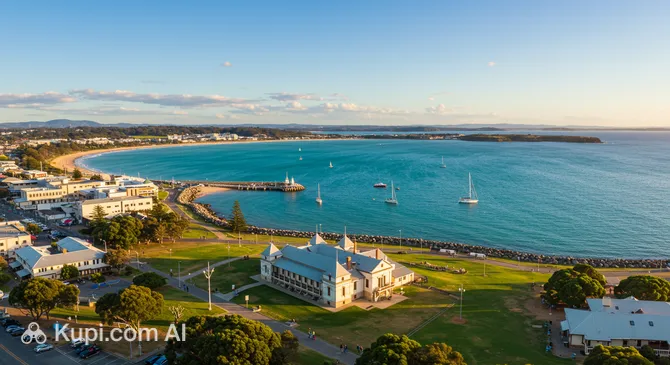
Albany. Source: Kupi.Binoculars

The city holds a special place in the nation's past. Visitors eager to learn about the region's roots will find the history of Albany deeply compelling, as it is the oldest colonial settlement in Western Australia, established even before Perth. It also played a pivotal role as the final departure point for the first convoy of ANZAC troops departing for the battlefields of World War I.

Travelers are often drawn to the breathtaking Torndirrup National Park, famous for the Gap and Natural Bridge rock formations where the Southern Ocean crashes against the cliffs. The city is also a premier location for whale watching, particularly between May and October when humpback and southern right whales migrate along the coast. Additionally, the National Anzac Centre offers a deeply moving interactive museum experience set within a heritage precinct.

Whether you are looking to explore pristine beaches, delve into maritime heritage, or simply enjoy fresh local produce, Albany promises an unforgettable experience. It is a must-visit destination for anyone traveling through the majestic landscapes of the southwest.

Weather Overview

Albany experiences a temperate Mediterranean climate, making it a comfortable destination to visit throughout the year. The weather in Albany varies distinctly between seasons, offering warm, dry summers and cooler, damper winters. This climatic balance supports the region's lush greenery while providing plenty of sunny days for outdoor adventures.

During the peak summer months, particularly in February, average temperatures hover around 20.1°C, with daily maximums reaching up to 23.8°C. This is the driest time of the year, with January and December seeing almost no precipitation and very few wet days, perfect for exploring the coastline. In contrast, the winter season from June to August is cooler, with July seeing average lows of 9.4°C and roughly 14 wet days per month, though the showers often pass quickly.

Transitional seasons like spring and autumn offer mild and pleasant conditions. March retains some of the summer warmth with averages around 19.4°C, while November begins to warm up again with an average of 16.1°C. Expect warm summers with negligible rainfall and cool winters where you might need a jacket for the frequent, yet often brief, rainy spells.

Interesting Facts

Beyond its stunning coastline and historical significance, Albany holds several fascinating stories that often surprise visitors. Here are a few unique insights into this Western Australian gem:
Brig Amity. Source: Kupi.Binoculars
  • You can walk the decks of the Brig Amity without ever leaving dry land. This full-scale replica of the ship that brought the first European settlers to the region in 1826 is permanently situated near the waterfront, allowing you to experience the cramped quarters endured by those early pioneers.

  • Albany was the site of the last operating whaling station in the English-speaking world. The station at Cheyne Beach ceased operations in 1978 and has since been transformed into a museum, preserving the industrial machinery and history of a trade that once drove the local economy.

  • The city is home to a quirky natural landmark known as Dog Rock. This prominent granite boulder bears an uncanny resemblance to the head of a sniffing dog, a likeness so striking that the local council maintains a painted "collar" around its base to highlight the feature.

  • King George Sound is an immense body of water that is actually significantly larger than Sydney Harbour. Its deep, protected waters have historically made it a vital strategic port, most notably serving as the gathering point for the first convoy of ANZAC troops before they departed for World War I.

How to Get There

Planning a trip to the southern coast of Western Australia is the first step toward an unforgettable adventure. While the region feels wonderfully remote, it is accessible via air and road. You can find more about how to get to Albany and choose the best route for your itinerary.

The most direct way to reach the city by air is through Albany Airport (IATA: ALH). Located just 11.3 km from the town center, it welcomes regular flights connecting the region to the wider world. A taxi or shuttle from the terminal to the city is a quick trip, typically taking approximately 15 to 20 minutes. For those exploring the broader South West region, Busselton (IATA: BQB) is another aviation hub, though it is situated approximately 272.5 km away.

Traveling from Busselton to Albany is a significant journey. By car, the drive takes about 4 to 4.5 hours, making it a viable option for those planning a self-drive road trip across the region. However, visitors relying on public transport should be aware that the bus journey between these two cities is much longer, often taking around 7 to 8 hours.

For clarity, here is a summary of the main airports:

Airport Name City Passenger Traffic Km from City
Busselton Busselton Medium 272.5
Albany Airport Albany Small 11.3

Since there are no passenger rail services directly to Albany, many visitors choose to arrive by road. The city is connected to Perth via the Albany Highway, a scenic drive that takes approximately five hours. Alternatively, comfortable road coach services are available, offering a relaxing way to enjoy the changing landscapes of the Great Southern region without the need to drive.

Main Attractions

Albany offers a diverse range of attractions that seamlessly blend its rich maritime history with modern comforts and culinary delights. From immersive museums perched on rugged cliffs to charming dining spots in heritage buildings, the city invites visitors to explore its unique character and stories.

One of the most significant cultural landmarks in the region is the National Anzac Centre. Located within the Princess Royal Fortress, this award-winning museum provides a deeply moving tribute to the ANZAC troops. Through interactive displays and multimedia technology, visitors can follow the personal journeys of actual soldiers, nurses, and servicemen. The centre’s location on Mount Clarence also offers panoramic views of King George Sound, the very harbor where the convoys gathered before departing for the First World War.

National Anzac Centre. Source: Kupi.Binoculars

For a tangible connection to the city's colonial roots, the Brig Amity is a must-see. This full-scale replica of the sailing ship that brought the first European settlers and convicts to Albany in 1826 sits near the waterfront. It is particularly interesting for families and history enthusiasts, as you can climb aboard and explore the decks, galley, and sleeping quarters, gaining a real sense of the cramped and difficult conditions faced by those early pioneers during their voyage.

After soaking up the history, visitors often head to Dylans on the Terrace for a taste of local hospitality. Housed in the historic Soldiers Institute building, which dates back to 1909, this landmark restaurant is as famous for its architecture as it is for its food. Overlooking the harbor, it is a favorite spot for enjoying hearty meals, including their renowned pancakes and burgers, in a setting that retains its old-world charm.

Dylans on the Terrace. Source: Kupi.Binoculars

For those looking to enjoy some retail therapy or restock on travel essentials, Albany Plaza serves as the city's convenient shopping hub. Located in the heart of the town, it features a variety of specialty stores, fashion outlets, and major supermarkets. It provides a relaxed environment to take a break from sightseeing, grab a coffee, and experience the day-to-day pace of local life.

Albany Plaza. Source: Kupi.Binoculars

Local Cuisine

Albany is widely recognized as a culinary hotspot within Western Australia's Great Southern region, a heavily agricultural area known for its exceptional produce. The city’s coastal location ensures that fresh seafood is the cornerstone of the local diet. Visitors should not miss the opportunity to taste the famous Albany Rock Oysters, which are harvested from the pristine waters of the local harbors. These oysters are renowned for their large size and creamy, salty flavor. Another seafood staple is the King George Whiting, a delicate and sweet fish often served simply grilled or battered in local fish and chip shops.

Beyond the ocean's bounty, the region is famous for marron, a freshwater crayfish indigenous to Western Australia. It is considered a gourmet delicacy and features prominently on the menus of high-end restaurants. For those who prefer land-based protein, the cool climate of the Great Southern produces high-quality lamb and beef, often prepared with locally grown herbs and vegetables.

The beverage scene in Albany is equally impressive, drawing on the strength of the surrounding wine region. The Great Southern is celebrated for its cool-climate wines, with Riesling and Shiraz being particular standouts. For spirit enthusiasts, the city is home to world-class distilleries producing award-winning single malt whiskies and botanical gins, often using native ingredients. Coffee culture is also thriving, with numerous cozy cafes roasting their own beans.

The food culture here is relaxed and unpretentious, focusing on quality ingredients rather than elaborate presentation. A central hub for foodies is the weekly Albany Farmers Market, where locals and tourists alike gather on Saturday mornings to buy seasonal fruit, vegetables, and artisan baked goods directly from the growers. For a classic dining experience, Dylans on the Terrace remains a favorite among residents. Situated in a historic building overlooking the harbor, it is the perfect spot to enjoy a casual meal and observe the laid-back lifestyle that defines this charming port city.

Travel Tips

Visiting Albany is a journey into the rugged beauty and rich heritage of the Great Southern region, but a little preparation goes a long way in this corner of Western Australia. To help you make the most of your adventure, here are some practical insights designed to ensure your trip is as smooth and enjoyable as the scenery is spectacular.

  1. Clothing and Gear: Since the weather can be changeable, the best strategy is to dress in layers. Even on sunny summer days, the coastal breeze can bring a chill in the evening, so a windproof jacket is essential. If you plan to explore the hiking trails in Torndirrup National Park, bring sturdy, comfortable walking shoes. Don't forget a hat and high-SPF sunscreen, as the Australian sun can be deceptively strong even when the temperature feels mild.

  2. Transportation: While there is a local bus network run by TransRegional, it is primarily designed for residents and may not reach all the scenic lookouts or distant beaches. To truly experience the region's freedom, renting a car is highly recommended. This gives you the flexibility to visit attractions like the Gap or the Whaling Station at your own pace. Taxis and ride-sharing services are available but can be less frequent than in major capital cities.

  3. Finances: The local currency is the Australian Dollar (AUD). Credit and debit cards are widely accepted almost everywhere, from cafes to national park entry stations, and contactless payment is the norm. ATMs are readily available in the town center and shopping plazas. Tipping is not mandatory in Australia, but it is appreciated for exceptional service in restaurants, typically around 10%.

  4. Health and Safety: Albany is generally a very safe destination, but nature commands respect here. When visiting coastal cliffs, always stay on designated paths and heed warning signs about "king waves," which can occur unexpectedly. Pharmacies are easily found in the city center and shopping centers for minor ailments. In case of a serious emergency, dial 000 for police, fire, or ambulance services.

  5. Communication: English is the spoken language, often peppered with unique Australian slang. Locals are generally helpful and happy to clarify if you get stuck on a phrase. Mobile coverage is good within the city and main highways (Telstra usually offers the widest range in regional areas), but signal may drop in remote national park pockets. You can purchase SIM cards at supermarkets or post offices.

  6. Local Etiquette: The vibe in Albany is relaxed and friendly. A simple "G'day" or "Hello" is the standard greeting. It is polite to wait your turn in queues and to keep to the left when walking on footpaths or driving. If you are visiting sites of Indigenous significance, always show respect for the land and cultural heritage by not removing stones or artifacts.

  7. What to Avoid: Never ignore safety barriers at coastal lookouts. The Southern Ocean is powerful and unpredictable, and rock fishing or standing too close to the edge on slippery rocks can be extremely dangerous. Also, avoid driving at dawn or dusk on country roads if possible, as this is when wildlife, particularly kangaroos, are most active and likely to jump onto the road.

  8. Shopping Hours: Be aware that retail trading hours in regional Western Australia can be more restricted than in larger cities. Many shops in the town center close by 5:00 PM on weekdays and may have limited hours or be closed on Sundays. It is a good idea to check opening times in advance if you need specific supplies, or simply get your shopping done in the morning.

With these practical tips in hand, you are ready to immerse yourself in everything this historic coastal city has to offer. Whether you are watching whales from the shore or enjoying a coffee on York Street, a relaxed and prepared approach will help you settle right into the local rhythm.

Entertainment & Nightlife

To explore the nightlife in Albany is to embrace a relaxed, social atmosphere rather than a high-energy clubbing scene. As a regional coastal city, the evening vibe here is centered around historic pubs, waterfront dining, and live music venues where locals and visitors mingle. The nightlife is friendly and casual, reflecting the laid-back nature of the Great Southern region.

Most of the evening activity is concentrated around Stirling Terrace and the waterfront precinct. Stirling Terrace, with its grand Victorian architecture, is the heart of the city's pub culture. Here, you can find beautifully restored hotels that have been serving patrons for over a century. The atmosphere is warm and inviting, often featuring local bands or solo acoustic artists performing on weekends.

For those looking to enjoy a meal or a late-night coffee in a venue steeped in character, Dylans on the Terrace is a local institution. While primarily a dining spot, it is a popular meeting place in the evening, famous for its desserts and view over the harbor. It is the perfect spot to wind down after a day of sightseeing before heading to a nearby bar.

If you are seeking a drink with a view, the waterfront area at the bottom of York Street offers modern venues like Due South. This large establishment is known for its extensive selection of craft beers and wines from the Great Southern region, housed in a converted industrial building right on the water. For a more traditional pub experience, the White Star Hotel on Stirling Terrace offers a classic atmosphere with craft brews and frequent live music nights, drawing a mix of young locals and travelers.

Culture enthusiasts should check the schedule for the Albany Entertainment Centre. This striking architectural landmark on the foreshore hosts a variety of evening performances, including theater, comedy, dance, and concerts. It is the premier venue for performing arts in the region and offers a sophisticated night out.

Practical Tips for Nightlife:

  • Timing: Venues in Albany tend to close earlier than in major capital cities. Most pubs and bars close by midnight, or even earlier on weeknights. It is best to head out around 7:00 PM or 8:00 PM to make the most of the evening.

  • Dress Code: The style is generally "smart casual." You will feel comfortable in jeans and a nice top or shirt. There is rarely a need for formal wear unless attending a specific gala event.

  • Getting Around: Public transport services like buses generally stop running in the early evening. It is essential to plan your transport home in advance. Albany Taxis are the most reliable option, and booking ahead on Friday and Saturday nights is highly recommended to avoid long waits.

  • Safety: Albany is considered very safe for night walks, particularly along the well-lit Stirling Terrace and the pedestrian bridge connecting the waterfront. However, as with any city, it is advisable to stay in populated areas and avoid walking alone in unlit parks late at night.

When the sun is up, the city offers a different pace of entertainment. Beyond the historical sites, visitors can catch the latest blockbusters at Orana Cinemas or explore local creativity at the Vancouver Arts Centre. For families, the city has several beautifully maintained parks and playgrounds, and the calm waters of the harbor provide endless opportunities for aquatic fun before the sun sets and the evening lights of the terrace begin to glow.

Parks & Museums

Albany seamlessly intertwines its dramatic natural landscapes with a rich tapestry of history, offering visitors a wealth of pristine green spaces and world-class cultural institutions. Whether you are looking to hike through coastal heathlands or immerse yourself in the poignant stories of the past, the city provides a diverse array of experiences that highlight its heritage and environmental beauty.

The crown jewel of the region's natural attractions is undoubtedly Torndirrup National Park. While famous for its rock formations, the park is also a haven for botany enthusiasts, showcasing a spectacular display of wildflowers and coastal heath. Visitors can explore various walking trails that offer sweeping views of the Southern Ocean and the chance to spot native wildlife in their natural habitat. Closer to the town center, the Anzac Peace Park offers a serene waterfront setting. Located along the foreshore of Princess Royal Harbour, this park features interpretative signage and tranquil walking paths, making it a perfect spot for a reflective stroll or a family picnic under the shade of native trees.

For those eager to delve into the cultural fabric of the city, the National Anzac Centre is an essential stop. Situated within the Princess Royal Fortress, this award-winning museum uses cutting-edge interactive technology to narrate the personal stories of service men and women during the First World War. It is widely regarded as one of Australia's most significant cultural pilgrimages, providing a deeply moving context to the ANZAC legend.

Maritime history comes alive at the Brig Amity, a full-scale replica of the vessel that brought the first European settlers and convicts to the area in 1826. Visitors can explore the decks and cabins to understand the harsh realities of 19th-century sea travel. Another key institution is the Museum of the Great Southern, which overlooks the harbor. This venue provides a comprehensive look at the region’s social and natural history, featuring exhibitions on the Menang Noongar people, early exploration, and the unique local biodiversity.

Beyond the main museums, the city's streets are lined with historical landmarks. The Old Gaol Museum, built in 1852, offers a fascinating glimpse into the colonial era's justice system. As a ticket-of-leave depot and later a prison, its restored cells and night tours provide an atmospheric journey back in time. Nearby, Patrick Taylor Cottage stands as the oldest surviving dwelling in Western Australia, offering a quaint look at domestic life in the early settlement days.

For a truly authentic experience, take the time to visit the Padre White Lookout on Mount Clarence. While less crowded than the main Gap lookouts, it offers breathtaking panoramic views over King George Sound and is the site where the first dawn service is said to have been conceived, adding a layer of quiet significance to the stunning vista.

Getting Around

The public transport system in Albany is relatively simple and designed primarily to serve local residents commuting between the city center and the surrounding suburbs. Unlike larger metropolitan areas, there are no trains, trams, or subways here. The network consists entirely of bus services operated by TransRegional. These buses connect the central business district with key locations such as the Albany Health Campus, shopping centers, and residential areas like Spencer Park, Bayonet Head, and Little Grove.

For payment, the most convenient option for frequent travelers in Western Australia is the SmartRider card. This reusable smart card offers a discount compared to standard cash fares and simply requires passengers to "tag on" and "tag off" when boarding and alighting. However, for short-term visitors who may not have a card, cash is readily accepted by bus drivers. It is advisable to carry small change or coins, as drivers may not always have change for large notes. Fares are zone-based but generally very affordable given the compact nature of the city.

Tourists should be aware that the frequency of services varies significantly depending on the time of week. Buses run regularly on weekdays, typically from morning until the early evening. However, services are significantly reduced on Saturdays and are very limited or non-existent on Sundays and public holidays. It is highly recommended to check the latest timetables online or at the bus depot before planning a journey, especially if you rely on them for returning to your accommodation.

While the bus network is useful for getting around the town center, it does not extend to many of the region's most famous natural attractions, such as Torndirrup National Park, the Gap, or the Historic Whaling Station. Consequently, renting a car is widely considered the best option for visitors who want the freedom to explore the coastline and remote scenic spots at their own pace. For shorter trips within the city, local taxi services and ride-sharing apps are available, though booking in advance is recommended during peak times or late at night.

For those who prefer active travel, Albany offers a network of shared paths suitable for cycling and walking, particularly along the picturesque waterfront of Princess Royal Harbour and Middleton Beach. While the city center can be quite hilly, the coastal paths provide a flat and scenic alternative for leisurely exploration. Bike rentals are available in town, offering a pleasant way to see the sights on a sunny day without the need for a motor vehicle.

Accommodation

Finding the perfect place to stay in Albany is easy, thanks to a wide variety of accommodation options that cater to all tastes and budgets. Whether you are seeking the charm of a restored historic hotel, the convenience of a modern motel, or the relaxation of a beachside resort, the city has something to suit every traveler. The accommodation landscape here ranges from budget-friendly hostels and caravan parks to luxury apartments and boutique bed and breakfasts.

For those who value convenience and heritage, the city center is an excellent choice. Staying near York Street or the historic Stirling Terrace places you within walking distance of the main entertainment and dining precincts. This area is ideal for visitors who want to be close to the action, with easy access to popular spots like Dylans on the Terrace for a meal by the water. It is also a practical location for those who need to stock up on supplies, with Albany Plaza providing central access to supermarkets and specialty stores.

If you prefer a coastal atmosphere, the suburbs of Middleton Beach and Emu Point are highly recommended. Located just a short drive from the town center, these areas offer a holiday vibe with a selection of seaside villas, holiday parks, and high-end resorts. Waking up to the sound of the ocean and taking a morning walk along the boardwalks makes these locations particularly popular with families and couples seeking a relaxing retreat.

The price range for accommodation varies significantly depending on the season and the type of lodging. Budget travelers can find affordable sites at well-equipped caravan parks or beds in clean, central hostels. Mid-range options are plentiful, with numerous motels and self-contained cottages offering great value. For a touch of luxury, look for boutique hotels in heritage buildings or premium waterfront apartments that command higher rates.

Booking Tip: Albany is a premier holiday destination for Western Australians, especially during the summer school holidays and the Easter break. Accommodation can fill up months in advance during these peak periods. To secure your preferred location and get the best rates, it is highly advisable to book your stay well ahead of time, either through major online platforms or by contacting the properties directly.

Nearby Cities

Albany is situated in the vast Great Southern region of Western Australia, a location known for its stunning isolation and dramatic coastlines. While the city serves as a primary hub for the immediate area, it is positioned at a significant distance from other major metropolitan centers. This remoteness is part of its appeal, offering a peaceful escape, though it means that reaching neighboring cities often involves a scenic drive through the state's diverse landscapes.

The nearest state capital is Perth, located approximately 389 km to the northwest. It serves as the main gateway for international travelers and offers a stark contrast to Albany's laid-back regional vibe. On the journey between the capital and the south coast, travelers often pass through or visit Bunbury and Busselton. These coastal cities are popular destinations in their own right, known for their beaches and proximity to the Margaret River wine region.

For those planning a road trip or looking to explore further afield, the following table outlines the distances and population sizes of the closest major cities:

City Population Distance (km)
Busselton 25,329 279
Bunbury 71,090 280
Kwinana 20,086 366
Fremantle 30,000 385
Perth 2,141,834 389

Shopping & Souvenirs

Shopping in Albany offers a relaxed experience that combines historic charm with modern necessity. The city serves as the primary retail center for the Great Southern region, ensuring that visitors have access to both essential services and unique local finds. The main thoroughfare, York Street, is a highlight for those who enjoy browsing on foot. Lined with heritage buildings, this sloping street hosts a variety of independent boutiques, bookstores, and homeware shops, allowing you to discover one-of-a-kind items while taking in views of the harbor.

For everyday needs and major brands, Albany Plaza is the city's central retail complex. It is the practical choice for travelers needing to restock supplies, featuring large supermarkets, department stores, and a food court. Whether you need camping gear, fresh groceries, or pharmacy items, this mall provides a convenient one-stop solution in the heart of town.

To taste and buy the region's best produce, a visit to the local markets is essential. The weekly Albany Farmers Market is renowned for its high-quality fruits, vegetables, and artisan products sold directly by the growers. On Sundays, the Boatshed Markets at the waterfront focus more on local craftsmanship, offering handmade jewelry, artworks, and gifts that reflect the creative spirit of the area.

If you are looking for distinct souvenirs, the region is famous for its sandalwood products and locally produced wines. Many visitors also find memorable gifts at the shops attached to major cultural sites. For instance, the retail section at the National Anzac Centre offers a curated selection of books, memorabilia, and Australian-themed keepsakes that provide a meaningful connection to the city's history.

Nearby cities

Reached the end of the page?

That means the route is fully explored