Support

Alice Springs

About

Alice Springs, affectionately known as "The Alice," is more than just a remote town; it is the beating heart of the Red Centre. As a vital hub in the vast outback, it offers a unique blend of pioneer heritage, Indigenous culture, and stunning natural beauty. Situated almost exactly in the geographic center of Australia, this town serves as a crucial oasis in the Northern Territory, surrounded by the majestic MacDonnell Ranges which stretch out like ancient caterpillars on either side of the settlement.
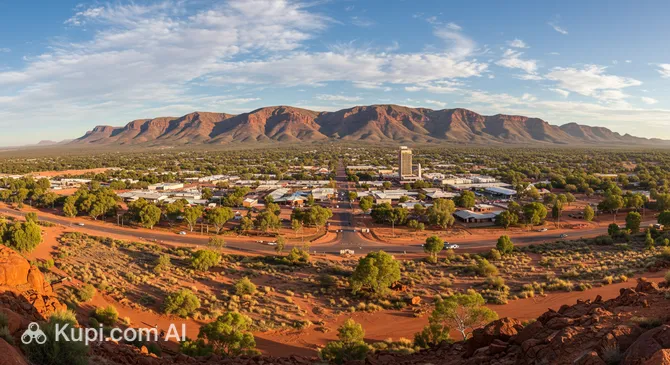
Alice Springs. Source: Kupi.Binoculars

The town is home to a population of approximately 23,700 people, creating a spirited and resilient community amidst the arid desert landscape. While the climate is typically dry with hot summers and cool winters, the stark beauty of the environment draws travelers from around the globe. Visitors are often captivated by the deep red earth and the vivid blue skies that characterize this region, making it a photographer's paradise and a haven for adventurers seeking the true essence of the outback.

Culturally, the area is significant as the traditional land of the Arrernte people, who have lived here for tens of thousands of years. The fascinating history of Alice Springs also encompasses its origins as a repeater station for the Overland Telegraph Line, which connected the continent to the rest of the world in the 19th century. Today, this blend of ancient traditions and colonial history creates a rich tapestry of stories waiting to be discovered at local museums and heritage sites.

Alice Springs is widely recognized as the gateway to some of the country's most iconic natural landmarks, including Uluru (Ayers Rock) and Kata Tjuta, although they are a few hours' drive away. Closer to town, tourists can explore the Alice Springs Desert Park to learn about local flora and fauna, or visit the historic Royal Flying Doctor Service base. Whether you are hiking the Larapinta Trail or simply enjoying the laid-back atmosphere of the town center, Alice Springs promises an unforgettable journey into the soul of the Australian continent.
Weather Overview

Alice Springs features a classic desert climate defined by sweltering summers and mild, clear winters. During the hottest month of January, average daytime highs reach 36.0°C, and this is also when you are most likely to encounter rain, with around 6 wet days recorded. The heat persists through December and February, requiring visitors to stay well-hydrated and protected from the sun.

Winter brings a dramatic shift, particularly in the mornings and evenings. In July, the coldest month, average minimum temperatures drop to 6.2°C, while days remain sunny with highs around 20.3°C. Rainfall is virtually non-existent during this time, with months like July and August often seeing zero wet days. For comprehensive forecasts and monthly averages to help plan your trip, you can consult the guide to weather in Alice Springs. Overall, travelers should expect warm to hot summers with occasional showers and cold, dry winters.

Interesting Facts

Beyond the dusty red roads and famous landscapes, Alice Springs holds a treasure trove of quirky traditions and historical curiosities. This outback town is defined not just by its geography, but by the resilient and eccentric characters who have shaped its unique identity.
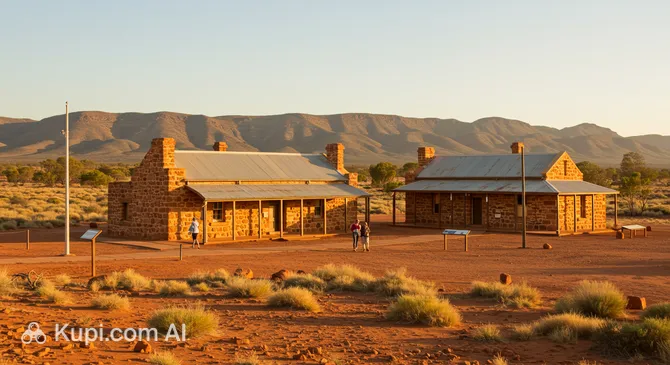
Alice Springs Telegraph Station Historical Reserve. Source: Kupi.Binoculars
  • A Regatta on Sand: Alice Springs hosts the world's only dry river boating event, the Henley-on-Todd Regatta. Since the Todd River is dry for most of the year, competitors run along the sandy riverbed carrying bottomless boats, bathtubs, and yachts "Flintstones-style," mocking the town's distance from the nearest ocean.

  • A Tale of Two Names: For a long time, the township itself was officially called Stuart. The name "Alice Springs" originally referred only to the waterhole adjacent to the Alice Springs Telegraph Station Historical Reserve. It wasn't until 1933, after much public debate, that the town officially adopted the name of the springs.

  • The Eccentric Gardener: The Olive Pink Botanic Garden was founded by Miss Olive Pink, a formidable anthropologist and activist. She lived in a tent on the reserve grounds well into her 70s, fiercely protecting the local flora and often barring entry to anyone she didn't like.

  • The Largest Classroom: The Alice Springs School of the Air, established in 1951, operates the world's largest "classroom." It broadcasts lessons to children living on remote cattle stations across an area of over 1.3 million square kilometers, a region larger than many European countries.

How to Get There

Reaching the Red Centre is an adventure in itself, with options ranging from scenic flights to legendary rail journeys. For a complete overview of travel routes and logistics, you can read more about how to get to Alice Springs and plan your arrival in the Northern Territory.

The primary gateway for most travelers is Alice Springs Airport (ASP). Located directly in Alice Springs, this facility is the main aviation hub for the region, connecting the outback with major Australian capitals. The airport is situated approximately 11.9 km from the city center. A trip by taxi or airport shuttle to the downtown area is generally a short drive of about 15 minutes. It handles a moderate volume of annual passenger traffic, ensuring essential services are available for arriving tourists.

For clarity, here is a summary of the main airport:

Airport Name City Passenger Traffic Km from City
Alice Springs Airport Alice Springs Medium 11.9

For those who prefer ground transport, the Alice Springs Railway Station offers a historic and scenic entry point. Located just 1.0 km from the city center, it serves as a key stop for the famous "The Ghan" train, which traverses the continent. Due to its close proximity to the central district, the transfer is extremely convenient; a taxi ride takes just a few minutes, making it an effortless connection to local accommodations.

Below is the information regarding the railway station:

Station City Passenger Traffic Km to Center
Alice Springs Railway Station Alice Springs Small 1.0

Main Attractions

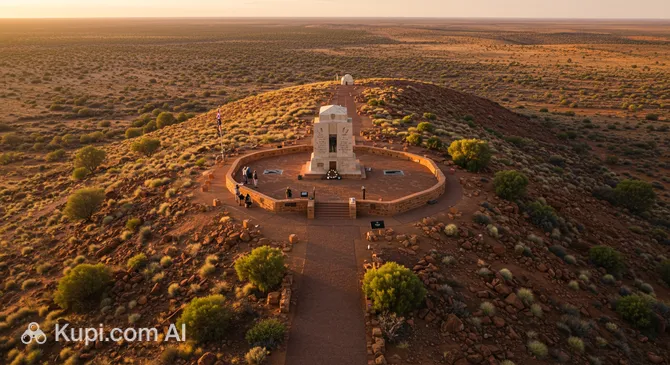
For the best orientation and a breathtaking panorama of the town, a visit to ANZAC Hill is a must. Located at the northern end of the central grid, this lookout offers sweeping views over Alice Springs and the stunning backdrop of the MacDonnell Ranges. It is a particularly popular spot at sunrise and sunset when the changing light paints the desert landscape in vibrant hues of orange and purple. At the summit, a memorial pays tribute to the men and women of the armed forces, adding a layer of solemn history to the scenic beauty.

ANZAC Hill. Source: Kupi.Binoculars

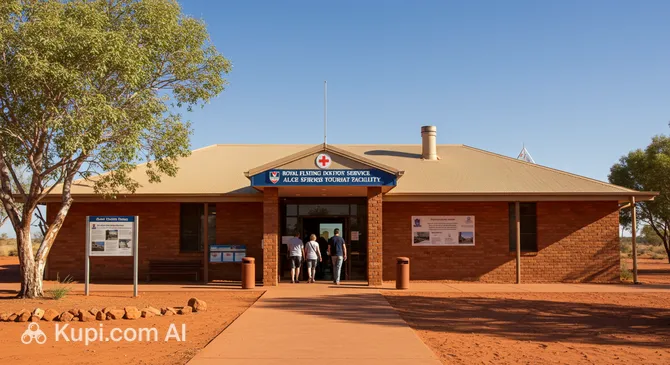
Alice Springs is the birthplace of a unique Australian institution, and the Royal Flying Doctor Service Alice Springs Tourist Facility provides a fascinating insight into its heritage. Visitors can explore the museum to learn how John Flynn’s vision brought medical care to the remote outback using aviation and radio technology. The facility features a replica PC-12 aircraft, historic radios, and engaging holographic displays that bring the heroic stories of doctors, pilots, and nurses to life.

Royal Flying Doctor Service Alice Springs Tourist Facility. Source: Kupi.Binoculars

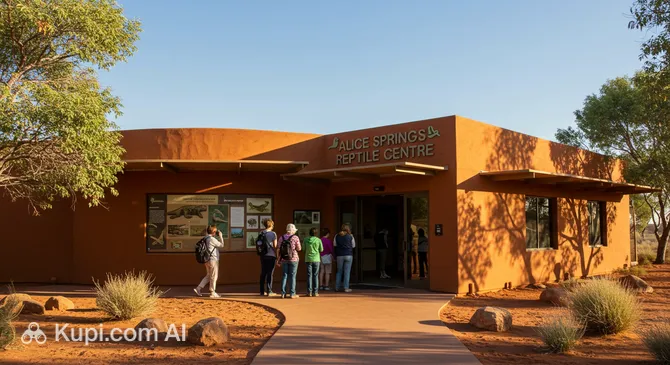
To get up close with the local wildlife in a safe environment, the Alice Springs Reptile Centre is an exciting stop. Home to a large collection of reptiles from the Northern Territory, the center houses everything from huge saltwater crocodiles to the iconic thorny devil. Daily shows give visitors the chance to learn about lizard and snake safety, and for the adventurous, there are opportunities to handle a python or a blue-tongue lizard under the supervision of expert handlers.

Local Cuisine

The culinary landscape of Alice Springs is a surprising and delightful blend of modern Australian cafe culture and rugged outback flavors. Far from being a culinary desert, the town offers a unique opportunity to taste "bush tucker," which incorporates native ingredients used by Indigenous Australians for thousands of years. Adventurous eaters should look for dishes featuring kangaroo, which is lean and rich in flavor, often served as a steak or in sausages. Another local specialty to look out for is camel, frequently found in the form of a burger, offering a savory taste that perfectly complements the desert setting.

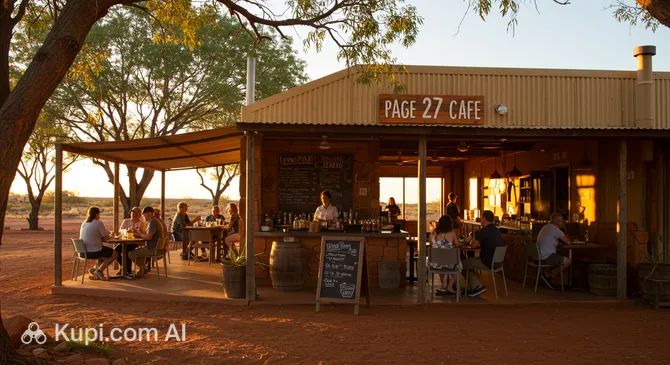
Beyond the exotic meats, the town has a thriving brunch and coffee scene that rivals major coastal cities. Tucked away in laneways and arcades, you will find hip establishments serving fresh, locally sourced produce. A prime example of this vibrant atmosphere is Page 27 Cafe, a favorite among locals for its hearty breakfasts and excellent coffee. It is the perfect place to refuel before a day of exploring, offering a cool, retro vibe that contrasts with the red dust outside.

Page 27 Cafe. Source: Kupi.Binoculars

When the sun sets and the desert heat lingers, the local food culture shifts towards social dining in historic pubs and open-air restaurants. The quintessential meal here is a classic Chicken Parmigiana (or "Parma"), a staple of Australian pub food that is served in generous portions. For drinks, nothing beats an ice-cold beer, which is practically a requirement in the Northern Territory climate. While standard Australian lagers are ubiquitous, visitors can also find a growing selection of craft beers and wines, providing a refreshing end to a dusty day in the Red Centre.

Travel Tips

Welcome to the heart of the outback! Visiting Alice Springs is an adventure unlike any other, but the unique desert environment and remote location require a bit of specific preparation to ensure your trip is as comfortable as it is memorable.

  1. Clothing and Gear: The desert climate is known for extremes, so the key is layering. Even if days are scorching, nights can drop below freezing in winter, so bring a warm jacket. A wide-brimmed hat, high-SPF sunscreen, and sunglasses are non-negotiable year-round. A highly recommended accessory for the warmer months is a fly net to wear over your hat; the outback flies can be relentless, and you will be grateful for the protection.
  2. Transportation: While there is a public bus network (ASBUS) that covers the town, it operates on a limited schedule and does not reach the surrounding natural attractions. To truly explore the MacDonnell Ranges and beyond, renting a car is essential. For getting around town in the evening, it is best to use local taxi services or book a transfer, as ride-hailing apps may have lower availability than in major coastal cities.
  3. Finances: The currency is the Australian Dollar (AUD). Credit and debit cards are widely accepted in town, but it is wise to carry some cash if you plan to visit remote roadhouses, art markets, or community stores. ATMs are readily available in the CBD. Tipping is not mandatory in Australia, but leaving a 10% tip for good service in restaurants is appreciated.
  4. Health and Safety: The biggest risk here is dehydration. Always carry more water than you think you need, especially when hiking. Alice Springs Hospital offers full medical services. In terms of safety, exercise common sense: avoid walking alone at night in poorly lit areas or in the dry riverbed of the Todd River. It is safer to take a taxi after dark.
  5. Communication: English is the primary language. Mobile coverage is generally good within the town, but can disappear quickly once you drive into the outback. Telstra typically offers the best coverage in remote areas, so consider buying a prepaid SIM from this provider if you plan on traveling outside the town limits. Wi-Fi is standard in most hotels and cafes.
  6. Local Etiquette: The town has a significant Indigenous population, and it is important to be respectful of cultural norms. A friendly "G'day" works well as a greeting. Be mindful that some areas are considered sacred sites; always follow signage and stay on marked paths. It is also polite to respect personal space and avoid staring.
  7. What to Avoid: Never take photographs of Indigenous people without asking for their explicit permission first, as this can be considered highly offensive. Additionally, do not ignore "Road Closed" signs, even if the road looks clear; flash flooding in the desert is sudden and dangerous.
  8. Additional Tip: Be aware of the strict alcohol restrictions in the Northern Territory. To buy takeaway alcohol, you will need to present a valid photo ID (like a passport or driver's license), and there are specific trading hours and limits on what you can purchase. Don't be surprised if you are asked for ID at the bottle shop entrance.

By keeping these practical points in mind, you can focus on soaking up the incredible atmosphere of the Red Centre. Alice Springs is a place of profound beauty and history, and being well-prepared allows you to experience the very best of this iconic Australian town.

Entertainment & Nightlife

When the sun dips below the MacDonnell Ranges, the dusty red town shifts gears, offering a nightlife experience that is distinctively "outback." The evening entertainment in Alice Springs is less about high-end nightclubs and more about lively pubs, open-air lounges, and social hubs where the atmosphere is unpretentious and welcoming. The primary action centers around the Todd Mall precinct and the immediate CBD, where locals and travelers mingle under the expansive desert sky.

For a memorable evening, Monte's Lounge is a standout favorite. With its circus-tent canopy and eclectic outdoor seating, it offers a quirky, relaxed vibe perfect for enjoying craft beers and burgers. Just around the corner, Epilogue Lounge provides a slightly more polished setting with a rooftop area that is ideal for sipping cocktails while enjoying the cool night air. If you are looking for a livelier scene with music and gaming, the Lasseters complex features several bars, a sports lounge, and a casino, serving as the town's main late-night entertainment district.

Practicality is key when enjoying a night out in the Red Centre. The dress code is generally casual—smart denim and a clean shirt will get you into almost any venue. Prices are comparable to major Australian cities, with a pint of beer costing around $10–$12 AUD. Be aware that the Northern Territory has strict alcohol regulations; almost all venues will scan your ID upon entry, so carrying a passport or driver's license is essential, even if you are clearly over 18.

Safety should be your top priority. While the main entertainment areas are vibrant, it is strongly advised to avoid walking alone outside well-lit zones after dark. The safest way to get between venues or return to your accommodation is by taxi. Taxis are generally reliable, though there can be a wait on Friday and Saturday nights, so planning your transport ahead of time is a good idea.

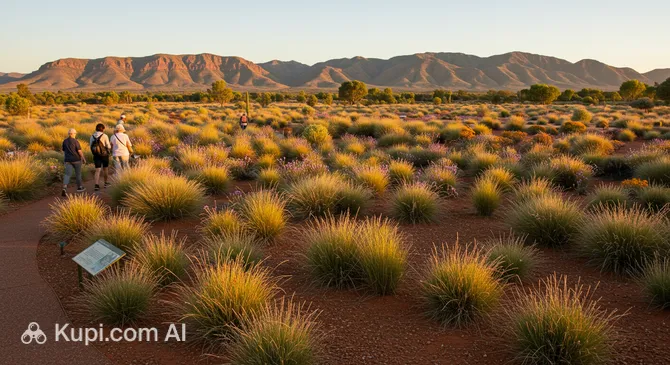
While the nights are for socializing, daytime entertainment in Alice Springs offers a chance to connect with the unique environment. For a peaceful cultural experience, the Olive Pink Botanic Garden is a fantastic spot to explore walking trails and spot local birdlife in a serene setting.

Olive Pink Botanic Garden. Source: Kupi.Binoculars

For those seeking a bit more excitement with their education, the Alice Springs Reptile Centre offers entertaining daily shows. Here, you can watch snakes and lizards being fed and learn about the fascinating adaptations of desert wildlife, making it a perfect daytime activity before the evening festivities begin.

Alice Springs Reptile Centre. Source: Kupi.Binoculars

Parks & Museums

Alice Springs is far more than a dusty outpost; it is a vibrant cultural oasis where ancient landscapes meet rich artistic traditions. The city's parks showcase the incredible resilience of desert flora, while its museums and galleries offer a profound look into the region's geological past and the enduring legacy of its Indigenous custodians.

For nature enthusiasts, the Olive Pink Botanic Garden is a remarkable sanctuary dedicated to the plants of the arid zone. Unlike traditional lush green gardens, this reserve celebrates the rugged beauty of the outback with over 600 Central Australian plant species. It is a haven for birdwatchers, with the resident western bowerbirds often spotted tending to their bowers. Visitors can wander through the winding paths up to the Annie Myers Hill lookout, which provides a splendid view over the town and the Todd River, or simply relax at the on-site cafe among the wallabies.

Another essential stop for understanding the local environment is the Alice Springs Desert Park. Although located just outside the main town area, it is a world-class facility that recreates three distinct desert habitats: sand country, woodland, and riverine environments. It offers an immersive experience where you can walk through aviaries, see nocturnal creatures in the "Night House," and witness free-flying bird shows that explain the delicate balance of the desert ecosystem.

The cultural heartbeat of the town is undoubtedly the Araluen Arts Centre. This precinct is the hub of visual arts in Central Australia, housing galleries that display a significant collection of Aboriginal art, including original works by the renowned landscape painter Albert Namatjira. The centre serves as a keeping place for stories and culture, offering visitors a chance to view contemporary and traditional works that depict the spiritual connection between the people and the land.

To delve into the origins of the settlement, a visit to the Alice Springs Telegraph Station Historical Reserve is indispensable. As the site of the first European settlement in the area, established in 1871, it features beautifully restored stone buildings that once housed the telegraph line staff. It operates today as a museum where you can learn about the isolation faced by early pioneers and the technological feat of connecting Australia to the world. The surrounding grounds are also popular for picnics and spotting kangaroos at dusk.

For a deep dive into the region's natural history, the Museum of Central Australia is fascinating. It houses collections of fossils, including local megafauna replicas, and exhibits on the unique geology of the Red Centre. A lesser-known gem for history buffs is the Women's Museum of Australia, located in the heritage-listed Old Alice Springs Gaol. It uniquely focuses on the stories of women who pioneered life in the outback, celebrating their often-overlooked contributions to the region's development.

Insider Tip: If you are visiting the Araluen Cultural Precinct, take a moment to walk through the sculpture garden. It is a quiet, contemplative space often missed by larger tour groups, featuring artworks that blend seamlessly with the native vegetation and red earth.

Getting Around

Public transportation in Alice Springs is relatively simple and scaled to the size of a remote regional town. There is no metro, tram, or light rail system here. The primary mode of shared transport is the ASBUS network, a public bus service that connects the Central Business District (CBD) with the surrounding suburbs, the hospital, and major shopping precincts. While the buses are modern and air-conditioned—a necessity in the desert heat—the network is designed primarily for local residents commuting to work or school, rather than specifically for tourists visiting attractions.

The payment system is traditional and straightforward, avoiding complex smart cards or zoning apps found in larger metropolises. You can purchase tickets directly from the driver upon boarding the bus. It is essential to carry cash, preferably in coins or small notes, as drivers often have limited change and electronic payment terminals may not be available on all vehicles. Fares are very affordable, with options for a single trip (valid for a few hours of unlimited travel) or a daily ticket that allows you to hop on and off as much as you like throughout the day.

For tourists relying on the bus, planning ahead is crucial due to the limited operating hours. Services generally run from Monday to Saturday, with a reduced frequency on Saturdays. It is important to note that there are usually no bus services on Sundays or public holidays. Frequencies can be low, often with an hour or more between buses, so checking the latest timetables at the bus interchange in the town center or online is highly recommended to avoid long waits in the sun. Remember to signal the driver clearly by raising your arm as the bus approaches, as they will not stop unless hailed.

Because the public transport network does not extend to many of the scenic gaps, gorges, and nature parks located on the outskirts, most visitors choose to rent a car. This offers the flexibility needed to explore the vast distances of the Red Centre at your own pace. For shorter trips within the town, especially for dining out in the evening when buses have stopped running, local taxis are the most reliable alternative. You can catch a taxi at designated ranks or book one by phone. While ride-sharing apps exist, the availability of drivers can be sporadic compared to major coastal cities.

Another popular way to navigate the town itself is by bicycle. Alice Springs is relatively flat and features a good network of shared walking and cycling paths. Many accommodations offer bike rentals, providing a healthy and scenic way to get around the central area and the nearby botanic gardens. While there is no historic urban rail, the city is famous for its railway station which serves The Ghan, a legendary long-distance train. However, this is strictly for interstate travel and does not function as local public transport.

Accommodation

Where to Stay:

Finding the perfect place to rest your head in Alice Springs is relatively easy, as the town caters to a diverse mix of travelers, from rugged outback adventurers to those seeking comfort after a day in the desert. The accommodation landscape is broad, featuring numerous backpacker hostels, classic roadside motels, sprawling caravan parks, and a selection of full-service hotels and resorts. Whether you are arriving with a swag, a caravan, or a suitcase, there is something to suit every style of travel.

For those prioritizing convenience, staying in the Central Business District (CBD) or near the Todd Mall is the best option. Accommodation in this area places you within walking distance of art galleries, cafes, and supermarkets, making it ideal for travelers without a rental car. Alternatively, the areas slightly south of the center, often near the dry Todd River bed, host several resort-style hotels. These properties typically offer more spacious grounds, swimming pools to beat the heat, and stunning views of the MacDonnell Ranges, providing a tranquil escape just a few minutes' drive from the town's hustle and bustle.

Pricing in Alice Springs generally spans three main categories. Budget travelers are well-served by several high-quality hostels and caravan parks that offer unpowered sites and dormitory beds at affordable rates. Mid-range options are plentiful, with many motels offering clean, comfortable, and air-conditioned rooms that are perfect for families or road-trippers. At the luxury end, while options are more limited compared to major coastal cities, you can find premium rooms in resorts that feature on-site restaurants and extensive amenities.

Booking Tip: The desert climate drives a distinct peak season during the cooler winter months (May to September). During this time, and especially when major local events like the Finke Desert Race or the Camel Cup are on, accommodation can sell out months in advance. It is highly recommended to book your stay as early as possible if you plan to visit during the dry season. Most properties can be booked easily via major online platforms or by contacting them directly.

Nearby Cities

For those looking to explore the surroundings, Alice Springs serves as an excellent base for day trips to several interesting nearby locations:
City Population Distance (km)
Mount Isa 21000 666
Tennant Creek 3000 450
Cloncurry 2800 759
Agnew 2359 175
Utopia 2000 176

In the vast expanse of the Australian outback, the concept of "nearby" is relative, and while some of these destinations require a significant drive, they are rewarding for those willing to travel. Tennant Creek, located north of Alice Springs, is known as the "Golden Heart" of the Northern Territory. Rich in gold rush history and Indigenous culture, it serves as a gateway to the spectacular Karlu Karlu (Devils Marbles), where massive granite boulders balance precariously across the valley floor. Although it is a long drive for a single day, it is a popular stop for those heading further north.

Closer to home, the region of Utopia offers a profound connection to Indigenous art and culture. Situated northeast of Alice Springs, this community is world-renowned for its Aboriginal artists who produce vibrant batik silks and acrylic paintings. Visiting such communities often provides a unique insight into the deep spiritual connection the local people have with the land, though travelers should always check for permit requirements before entering Aboriginal land trusts.

These nearby destinations offer a glimpse into the diverse culture and landscapes of the region.

Shopping & Souvenirs

Shopping in Alice Springs offers a distinctively Australian experience that differs significantly from the glossy retail therapy of major coastal cities. While you will not find high-end fashion boulevards here, the town is a premier destination for purchasing authentic Indigenous art, rugged outback clothing, and unique regional souvenirs. As the primary service center for Central Australia, it also provides all the essential conveniences travelers might need, from camping gear to groceries, ensuring you are well-equipped for any desert adventure.

The heart of the town's retail scene is the pedestrian-friendly Todd Mall. Lined with river red gums, this relaxed precinct is where you will find the highest concentration of specialty stores, cafes, and galleries. It is the perfect place to stroll comfortably without traffic, browsing through shop windows filled with colorful fabrics, opals, and books about the Northern Territory. The mall serves as a community hub, often buzzing with locals and tourists alike, making it the most atmospheric place to spend a few hours shopping.

For more conventional retail needs, Alice Springs is home to a few shopping centers that provide air-conditioned comfort and a wider range of services. The largest of these is the Yeperenye Shopping Centre, named after the Yeperenye (Caterpillar) Dreaming, which is significant to the local Arrernte people. It houses a large supermarket, a food court, and various specialty stores selling electronics and fashion. Nearby, Alice Plaza offers additional options, making it easy to restock on supplies or pick up pharmaceutical items.

One of the highlights of the local calendar is the vibrant Todd Mall Markets. Held every second Sunday from mid-March to early December, these markets transform the mall into a bustling bazaar. Visitors can wander through stalls selling handmade jewelry, local crafts, leather goods, and fresh produce. It is also a fantastic spot to sample local street food and enjoy the relaxed community vibe, often accompanied by live music.

When it comes to souvenirs, Alice Springs is arguably one of the best places in the country to buy Aboriginal art. The town is dotted with reputable galleries offering everything from small canvases to major investment pieces. When purchasing art, look for the Indigenous Art Code logo to ensure ethical trading and that the artists are paid fairly. Apart from art, the gift shop at the Royal Flying Doctor Service Alice Springs Tourist Facility is an excellent place to find high-quality branded merchandise, books, and clothing, with proceeds supporting their vital medical work in the outback.

Typical store opening hours in Alice Springs are from 9:00 AM to 5:00 PM on weekdays. On Saturdays, many smaller boutiques and galleries close early, often around 12:00 PM or 1:00 PM, though supermarkets and larger centers remain open longer. Sunday trading is generally limited to supermarkets and the markets. Credit and debit cards are widely accepted everywhere, including at market stalls, though carrying a small amount of cash is always a good idea for smaller purchases.

International tourists should also be aware of the Tourist Refund Scheme (TRS). If you spend $300 AUD or more (including GST) in a single store, you may be eligible to claim a refund of the Goods and Services Tax upon your departure from Australia. Be sure to ask the retailer for a valid tax invoice if you plan to make a claim at the airport before your flight home.

Reached the end of the page?

That means the route is fully explored