Support

Miles

About the Airport

Miles
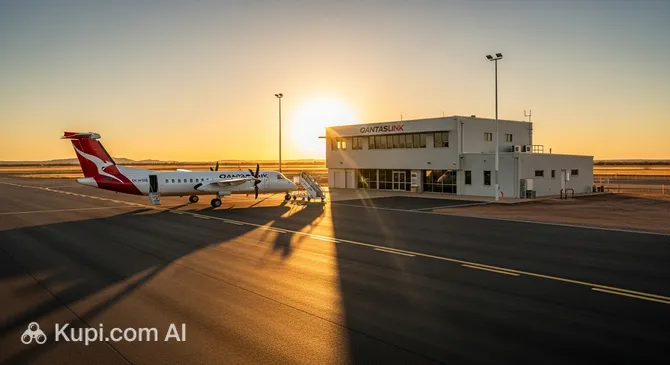
Miles. Source: Kupi.com AI

Miles Airport (WLE) is a compact and welcoming air hub serving as the gateway to the picturesque Western Downs region in sunny Queensland. Located amidst the vast expanses of the Australian bush, this airport plays a key role not only for local residents but also for travellers wishing to experience the authentic atmosphere of the outback. Here, far from the hustle and bustle of giant terminals, you will immediately feel the calm rhythm of life and the hospitality characteristic of this Queensland crossroads.

AirportMiles
IATAWLE
ICAOYMLS
CityChinchilla
TimezoneAustralia/Brisbane
ScheduleOnline board

Features and Advantages of the Airport

Miles Airport, although small in size, is distinguished by high functionality and convenience for passengers. The terminal is equipped with everything necessary for a comfortable wait for your flight, and the absence of queues makes the check-in and security screening process as fast and tireless as possible.

The main traffic of the airport is often associated with servicing the region's resource extraction industry, so the work of services here is precise and punctual. For tourists, this is an excellent starting point for visiting the Miles Historical Village Museum, which is considered one of the best open-air museums in Australia. You can get from the airport to the town by taxi or a pre-booked transfer, enjoying views of the Australian nature along the way.

Contact Information

  • Official Airport Website: www.wdrc.qld.gov.au (Managed by Western Downs Regional Council)
  • Help Desk Phone: +61 7 4679 4000 (Regional Council) or 1300 268 624 (within Australia only)
  • Airport Address: Leichhardt Highway, Miles, Queensland 4415, Australia (approximately 45 km from the town of Chinchilla)
  • Email: info@wdrc.qld.gov.au (General enquiries), aerodromes@wdrc.qld.gov.au (Airport enquiries)
  • Social Media: Western Downs Regional Council pages on Facebook and Instagram (the airport does not have its own accounts)
  • Lost Luggage Information: It is recommended to contact the airline directly (usually QantasLink) or the airport support service via the general phone number
  • Passenger Support Contact: +61 7 4679 4000 (Mon-Fri from 8:00 AM to 5:00 PM)

How to Get to the Airport

Since Miles Airport (WLE) is a small regional hub, the transport infrastructure here differs significantly from major metropolises. You will not find a metro or regular city buses pulling up right to the terminal here. The main mode of transport in this Queensland region is by car. When planning your trip, it is worth considering that the airport is located approximately a 15-minute drive from the centre of Miles and about a 40–45 minute drive from the town of Chinchilla.

Taxi and Transfer

For those who do not plan to drive, a taxi remains the most reliable option. Local taxi services operate in the region and can take you to both Miles and Chinchilla.

  • Book in Advance: Unlike major airports, you will rarely find free cars waiting at the exit here. It is strongly recommended to book a taxi or transfer at least 24 hours before arrival.
  • Estimated Cost: A trip to the centre of Miles will cost approximately 30–40 AUD. A transfer to Chinchilla will cost significantly more due to the distance (about 45 km) — expect a sum from 100–120 AUD.

Car Rental

This is the most popular way to get around the Western Downs region. A rental car gives you the freedom to visit remote attractions.

  • Rental desks within the terminal may operate with limited hours, adjusting to the flight schedule. Companies often deliver the car upon arrival by prior reservation.
  • Major chain rental agencies are more often based in the towns of Miles or Chinchilla themselves. Check the possibility of a "Meet & Greet" service when booking.

Public Transport

There is no direct public transport connection (buses or trains) to the airport terminal. The nearest intercity bus stops (e.g., Greyhound Australia) and the railway station are located in the centre of Miles. From there, you will still need to get to the airport by taxi.

Parking at the Airport

For those arriving in their own vehicle or being dropped off, a parking zone is provided in the immediate vicinity of the terminal building.

  • Accessibility: The parking is within walking distance of the entrance.
  • Cost: Typically, in small regional airports in Australia, short-term and even long-term parking is often provided for free or for a nominal fee, however, rules may change, so watch the signs upon entry.

Alternative Airports Nearby

If there are no tickets to Miles or the schedule does not suit you, you can consider flying into neighbouring towns and subsequently travelling by car. The nearest alternative is Roma Airport, located approximately 141 km to the west. This is a larger hub with more frequent flights.

Travellers also often choose Toowoomba Wellcamp Airport (about 181 km), which receives direct flights from major Australian cities. If you are prepared for a longer drive along scenic roads, you can fly into resort areas, for example, using Sunshine Coast Airport (292 km) or the state's main international hub — Brisbane Airport (about 300 km). Another option on the coast is Bundaberg Airport, although it is at a similar distance.

Terminals and Map

The infrastructure of Miles Airport (WLE) is distinguished by extreme conciseness and simplicity, which is an undoubted advantage for travellers tired of the endless corridors of international hubs. The airport complex consists of one compact passenger terminal serving exclusively domestic regional flights. The building is single-story, and its layout is designed to ensure maximum speed of passenger service.

Layout and Navigation

It is practically impossible to get lost in Miles Airport. All key zones are within direct line of sight of each other:

  • Check-in Zone: Located immediately upon entering the terminal. Here you will find airline counters (usually QantasLink) where you can check in luggage and receive a boarding pass.
  • Waiting Hall: A small but clean and air-conditioned space with seats, located next to the boarding gates.
  • Arrivals Zone: The airport does not have complex baggage conveyor belts. Baggage claim takes place either in a designated area inside the terminal or (depending on the aircraft type and current procedures) suitcases may be unloaded onto carts in the immediate vicinity of the entrance zone.

Boarding Features

There are no aerobridges ("jetways") in the terminal. Boarding and disembarking of passengers are carried out in a contactless manner — by walking across the airfield (apron). The path from the terminal door to the aircraft stairs takes less than a minute.

Important to remember: Since boarding takes place outdoors, passengers with reduced mobility should notify the airline in advance so that airport staff can prepare special equipment to assist with boarding.

Processing Times

Thanks to the small size of the airport, all pre-flight formalities take a minimum of time. There are rarely large queues here.

  • Check-in and Baggage Drop: Usually opens 60–90 minutes before departure. It is recommended to arrive at the airport approximately 45–60 minutes before the departure time indicated on your ticket.
  • Security Screening: The security checkpoint is located right before the exit to the "sterile area" and is passed very quickly. However, security standards here are just as strict as in major Australian airports, so requirements for carrying liquids and prohibited items remain in force.

Services in the Terminal

The set of services in the terminal is basic, corresponding to the status of a regional airport. There are restrooms and drinking water here. Retail outlets, cafes, or Duty Free shops are absent from the building, although vending machines with drinks and snacks may sometimes be available. Travellers are advised to take care of snacks in advance if necessary.

Airport History

The history of Miles Airport (WLE) is a chronicle of the transformation of a military facility into a key transport hub of the Western Downs region. Over several decades, the airfield has gone from a strategic point during World War II to a modern air gateway serving the resource industry and local residents.

Military Past and Post-War Years

The founding of the airport dates back to 1942. Initially, it was built as a military airfield for the Royal Australian Air Force (RAAF) at the height of World War II. At that time, its main task was to ensure strategic operations and defence. After the end of hostilities, the infrastructure transitioned to civil use.

Throughout the second half of the 20th century, the airport remained a modest but important part of community life. The unpaved strip was used for:

  • Delivery of mail and essential goods to remote areas;
  • Agricultural work (crop dusting);
  • Emergency flights by the Royal Flying Doctor Service (RFDS), saving the lives of patients in hard-to-reach terrain.

The Gas Boom Era and Massive Modernisation

The recent history of the airport is closely linked to the economic boom in the Surat Basin caused by natural gas extraction. The sharply increased need for transporting Fly-In Fly-Out (FIFO) workers required a radical update of the infrastructure, which could no longer cope with the load.

A key stage of reconstruction began in 2013. Thanks to a partnership between the local Council and the energy company Origin Energy, which invested funds in the project, massive works were carried out:

  • The runway was significantly lengthened and strengthened, allowing it to accommodate heavier turboprop aircraft such as the Dash-8 Q400.
  • The lighting system was modernised to ensure the safety of night flights.

The final chord of this development stage was the opening of a new, modern passenger terminal in 2016. This building replaced outdated structures and provided passengers with a level of comfort consistent with modern aviation standards.

Records and Significance

The period of active construction of gas infrastructure became a time of records for Miles Airport. Passenger traffic reached tens of thousands of people per year, turning a quiet provincial airfield into one of the busiest regional hubs in Queensland at that time.

Interesting Facts

  • Hope During Disaster: The airport has repeatedly proven its critical importance during seasonal floods (specifically in 2010–2011). When roads were flooded, the runway remained the only way to deliver food and medicine to the isolated town.
  • Neighbours with History: The airfield is located just a few minutes' drive from the famous Miles Historical Village Museum, so for many tourists, immersion in Australia's past begins right here, on the former military strip of 1942.

Services and Facilities

Services and Amenities in the Terminal

Passengers flying from Miles Airport (WLE) should consider that this is a very small regional airport. There is no infrastructure here typical of large international hubs or even large domestic airports in Australia. The terminal is designed for rapid passenger processing, so the range of services here is minimal and limited to the essentials.

Restaurants, Cafes, and Shops

There are no full-service cafes, restaurants, or shops (including Duty Free and newsagents) in the terminal building.

  • Dining: It is recommended to have a substantial meal before leaving for the airport. Vending machines with bottled water, soda, and light snacks (chocolate, crisps) may be found in the waiting hall, but their stock and functionality are not guaranteed.
  • Shopping: It is impossible to purchase souvenirs, travel accessories, or pharmacy items at the airport. Everything necessary should be bought in advance in the town of Miles.

Connectivity and Work

  • Wi-Fi: Public Wi-Fi may be absent at the airport. It is recommended to rely on mobile internet. 4G/5G coverage from major Australian operators (Telstra, Optus) in the terminal area is usually stable.
  • Charging Stations: There are few specialised stands for charging gadgets. If you need to be connected, ensure your devices are fully charged or bring a portable battery (power bank).
  • Business Services: There are no business centres, printers, or meeting rooms in the terminal. Airline VIP lounges are also absent.

Financial Services

There are no ATMs or currency exchange points at Miles Airport. If you need cash, be sure to withdraw it in town before travelling to the airport. Most local services (e.g., taxis) can accept cards, but having cash is always welcomed in rural areas.

Medical Assistance

There is no pharmacy or medical centre with a permanently on-duty doctor in the terminal. The airport is equipped with basic first aid kits and defibrillators, and staff are trained to provide emergency assistance. In case of serious health problems, an ambulance is called from the town.

Services for Passengers with Children

Special mother and child rooms or play areas are not provided in the terminal. Due to the compactness of the waiting hall, children may be bored during long waits for a flight, so parents should take care of entertainment (books, tablets) in advance. Restrooms are equipped with basic amenities.

Accessible Environment

Thanks to the single-story layout, Miles Airport is convenient for passengers with disabilities.

  • Movement: There are no stairs or lifts; entrance to the terminal and exit for boarding are at ground level.
  • Boarding the Aircraft: Since there are no aerobridges and boarding is from the apron, airlines use special lifts or ramps for passengers with reduced mobility. Important: You must notify the airline of the need for assistance at least 48 hours before departure.
  • Parking: Dedicated spaces for people with disabilities are located as close as possible to the terminal entrance.

Hotels Near the Airport

There are no hotels on the airport territory itself. The nearest accommodation options are in the town of Miles (approximately 15 minutes by taxi):

  • Golden West Motor Inn — a classic motel with comfortable rooms.
  • Starline Motor Inn — a popular accommodation option with a pool and good reviews.
  • Miles Outback Motel — another affordable option in the town centre.

For those willing to drive a bit further, a wide selection of hotels is available in the town of Chinchilla (about 45 minutes drive).
Where to Eat

Dining at the Airport: Important Information

Travellers flying from Miles Airport (WLE) must take into account the specifics of this regional transport hub. Since the airport primarily serves workforce commuter flights and has a compact terminal, stationary catering outlets are completely absent here. You will not find restaurants, coffee shops, or lounges here typical of major air terminals.

Available Snack Options

The only opportunity to have a snack directly in the terminal building is to use vending machines. They are located in the waiting hall (general area) and are available to all passengers.

  • Assortment: Limited to packaged long-life snacks. Usually, these are chocolate bars, potato crisps, biscuits, carbonated drinks, and bottled water.
  • Average Price Range: Prices are standard for machines, within 3–6 AUD per item.
  • Payment: It is recommended to have small cash (coins) with you, as cashless payment terminals on machines in remote regions may work intermittently.

Dietary Catering (Vegetarian, Halal, Gluten-Free)

Due to the lack of a kitchen and cafe, specialised food options are unavailable at the airport. The assortment of vending machines rarely includes products for special diets (except, perhaps, plain water or nuts).

Tip: Passengers following a strict diet (vegans, people with gluten intolerance, or observing Halal) must take care of food in advance and bring a lunch box. Aviation security rules on domestic Australian flights are usually lenient towards carrying solid food in hand luggage.

Recommendations: Where to Eat Before Departure

To avoid going hungry, it is strongly recommended to have a full lunch or breakfast in the town of Miles before travelling to the airport. The town is only a 15-minute drive away, and there you can try local dishes in a relaxed atmosphere.

What to Try in Town (Before the Flight):

  • Australian Meat Pie: Local bakeries in Miles (for example, on the main street, Murilla Street) serve excellent fresh pies, which are a classic of Australian cuisine.
  • Hotel Dining: Historic hotels in the town centre (such as Hotel Australia or Queensland Hotel) offer hearty steaks from local beef and "Chicken Parmigiana" (chicken fillet with cheese and tomato sauce).

Drinking Water

A drinking water fountain (cooler) may be available in the terminal where you can fill your reusable bottle for free. However, considering the hot Queensland climate, it is always better to have a supply of water bought in advance.

Travel Tips

Travelling through small regional airports like Miles (WLE) has its own specifics. To ensure your trip goes smoothly, we have prepared a number of practical tips considering the features of this cosy but remote air hub in the Australian outback.

Arrival Time Recommendations

Unlike the major airports of Brisbane or Sydney, there is no need to arrive three hours before departure here. The airport is very compact, and all procedures go quickly.

  • Optimal Time: Arrive at the terminal 45–60 minutes before departure. This time is quite sufficient to calmly check in luggage and pass through security.
  • Critical Moment: Check-in and baggage acceptance usually close strictly 30 minutes before the flight departure. If you are late even by a couple of minutes, airline staff may not let you on board, as they need to prepare documentation for the crew.
  • Travel Allowance: If you are travelling from the town of Chinchilla, allow at least 45–50 minutes for the road and be sure to add a buffer in case of unforeseen circumstances on the highway.

Check-in and Security Features

Procedures in Miles take place in a relaxed atmosphere, but security standards here are just as strict as throughout Australia.

  • Documents: Keep your identification (passport or Australian driver's licence) handy. A printed boarding pass is not mandatory if you have its electronic version in the airline's mobile app.
  • Screening: Be prepared to remove laptops and aerosols from your hand luggage. Since the flow of passengers is small, security staff may conduct screening particularly thoroughly.

Seat Selection on the Plane

Flights to and from Miles are usually operated on turboprop aircraft (most often the De Havilland Dash 8 Q400). This affects flight comfort.

  • For Best Views: Choose a window seat. The flight takes place at a relatively low altitude, and you can enjoy stunning panoramas of the Australian bush, agricultural lands, and winding rivers of the Western Downs region.
  • For Quietness: If you are sensitive to noise, try to choose seats in the rear of the cabin. The front rows are closer to the engine propellers, so it may be slightly noisier and vibration more noticeable there.

Hand Luggage: Do's and Don'ts

The main feature of local flights is the limited size of overhead bins in the cabin of turboprop aircraft. A standard carry-on suitcase (Cabin size) that fits in a Boeing or Airbus may simply not fit on the shelf here.

  • Premium Hand Luggage Procedure: Airlines often use the "Valet Check-in" or "Premium Hand Luggage" system. If your bag weighs more than 7 kg or has a rigid frame, you may be asked to leave it on a special cart right at the aircraft stairs before boarding. You will receive it back immediately after landing, upon exiting the plane.
  • Valuables: Be sure to remove laptops, documents, medication, and fragile items from the bag if you hand it over at the stairs. Take them with you into the cabin in a small bag or in your hands.

For Passengers with Connections

Miles Airport is the endpoint for most routes, and direct flights from here fly mainly to Brisbane.

  • Single Ticket: If you are flying in transit through Brisbane further (for example, overseas or to another state), ensure that your flights are booked on one reservation. In this case, luggage will be checked through to the final destination.
  • Time Buffer: Regional flights are sometimes delayed due to weather conditions (storms or fog). When planning a connection in Brisbane, allow at least 2 hours between flights to avoid stress.

Customs Control

Miles Airport is exclusively domestic, so there is no passport or customs control here. However, it is worth remembering biosecurity rules. Although restrictions are softer within the state of Queensland, it is recommended not to transport fresh fruit and vegetables if you are unsure of the current quarantine zones for plant pests.

Tips for Saving Time and Money

  • Food and Water with You: Since there is no cafe at the airport, and prices in vending machines may be inflated, buy sandwiches and water in advance at a supermarket in Miles or Chinchilla. This is not only cheaper but also tastier.
  • Pre-order Taxi: This is the most important advice for saving time and nerves. It is impossible to "hail" a car upon arrival. Ordering a transfer at the last moment may cost double, or you will have to wait a long time for a car from town.
  • Online Check-in: Check in for the flight via the app 24 hours before departure. In a small airport, this will allow you to arrive a little later (if you do not have luggage) and go straight to security.

What to Do in Case of Flight Delay

Delays in regional airports are harder to bear due to the lack of entertainment.

  • Entertainment: Download films, music, or books to your devices in advance. Wi-Fi may not be available, and it is better not to spend mobile data on "heavy" content.
  • Charging: Be sure to take a fully charged power bank with you. The number of power outlets in the waiting hall is limited.
  • Communication: If the flight is delayed or cancelled, do not wait for an announcement at the counter (there may be only one employee busy with other matters). Call the airline's hotline immediately for rebooking, as the number of seats on subsequent flights in small planes is very limited.

Reached the end of the page?

That means the route is fully explored