Esperance is a stunning coastal town located in the Goldfields-Esperance region of Western Australia. Renowned for its unparalleled natural beauty, this remote paradise offers a serene escape from the hustle and bustle of city life. With a population of approximately 2,144 residents, the town maintains a friendly, small-community atmosphere while serving as a gateway to some of the continent's most spectacular landscapes.
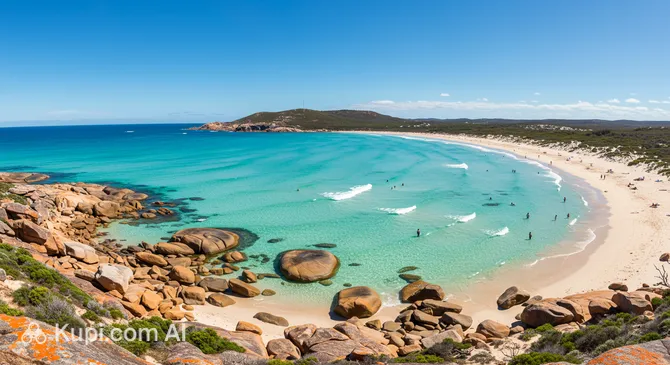
Esperance. Source: Kupi.Binoculars
The region is celebrated for having some of the whitest sands and clearest turquoise waters in the world. Visitors are often captivated by the breathtaking scenery of Cape Le Grand National Park, where the famous Lucky Bay allows travelers to share the beach with sunbathing kangaroos. The area's unique geography and maritime heritage are deeply intertwined, and exploring the history of Esperance reveals a fascinating past ranging from Indigenous culture to European exploration and early settlement.
Beyond the beaches, Esperance is a haven for outdoor enthusiasts, offering opportunities for fishing, diving, and hiking along the rugged coastline. The town also serves as a perfect base for scenic flights to witness the vibrant bubblegum-pink hues of Lake Hillier on Middle Island. Whether you are seeking adventure or pure relaxation, Esperance promises an unforgettable experience in a truly pristine environment.
Weather Overview
Esperance experiences a temperate climate characterized by distinct seasons, offering pleasant conditions for exploring its stunning natural landscapes. For a more detailed forecast during your intended dates of travel, you can check the current weather in Esperance. Generally, the region enjoys a Mediterranean-style climate with warm, dry summers and cooler, fresher winters.
The summer months of January and February are the warmest, with average temperatures sitting between 20.2°C and 21.0°C, and daytime highs often reaching 24.5°C. Rainfall is minimal during this period, particularly in January, which typically records almost no precipitation and only about 4 wet days. This makes it the ideal time for swimming and enjoying the famous white sandy beaches.
From June to August, the weather cools down significantly. Average temperatures drop to approximately 13.3°C to 14.0°C, with lows around 10.4°C. While the total rainfall volume remains low, the frequency of rain increases, with June and July seeing up to 13 wet days each. Expect warm, mostly dry summers perfect for outdoor activities, and cooler winters with more frequent light showers.
Interesting Facts
Beyond its famous coastline, Esperance is home to some truly unexpected stories and unique landmarks. From space debris to ancient replicas, this town offers fascinating trivia that often surprises visitors.
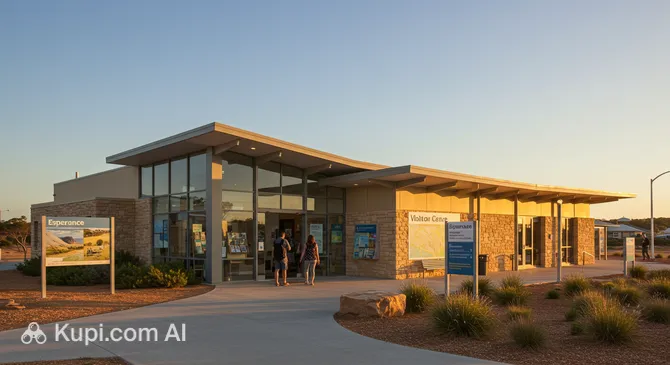
Esperance Visitor Centre. Source: Kupi.Binoculars
NASA's Littering Fine: In 1979, Esperance made international headlines when debris from NASA's Skylab space station crashed into the region. The local council famously issued NASA a $400 fine for littering, which remained unpaid for decades until a US radio host raised the funds to pay it in 2009. You can inquire about seeing the debris at the local museum through the Esperance Visitor Centre.
A Full-Size Stonehenge: The town boasts a complete, full-size replica of the original Stonehenge in the UK. Unlike the ruins in England, the Esperance Stonehenge is built from 137 stones of local pink granite and is aligned to the summer and winter solstices, showing what the original structure likely looked like around 1950 BC.
The Mystery of Pink Lake: Visitors often arrive expecting the lake named "Pink Lake" on the town's outskirts to be vibrant pink, but it has actually lost its color due to salinity changes. The famous bubblegum-pink lake seen in promotional images is usually Lake Hillier, located offshore on Middle Island.
Squeaky Sand: The sand at Lucky Bay is so fine and rich in pure quartz that it literally squeaks when you walk on it. Scientific tests have previously rated it as the whitest sand in Australia, beating other famous beaches across the continent.
How to Get There
Reaching this remote coastal paradise requires some planning, as it is situated far from Australia's major capital cities. While many adventurous travelers choose the scenic road trip from Perth, flying remains the quickest and most convenient method for those short on time. You can find all ways to reach the city and detailed travel advice to help organize your trip.
The region is primarily served by Esperance Airport (IATA: EPR). Located approximately 20.6 km from the town center, this regional hub connects the area with Perth. A journey by taxi or shuttle from the airport to the heart of Esperance typically takes about 30 minutes. It is a smaller facility with a modest annual passenger traffic, ensuring a relaxed arrival experience without the crowds of major international terminals.
For clarity, here is a summary of the main airport:
Airport Name
City
Passenger Traffic
Km from City
Esperance Airport
Esperance
Small
20.6
As there are no passenger railway stations directly serving Esperance, visitors who prefer ground transport often rely on coach bus services or private vehicles. Driving from Perth offers a chance to see the changing landscapes of the Wheatbelt, though it is a long journey best tackled with plenty of breaks.
Main Attractions
Esperance is world-renowned for its pristine coastline, but the region offers a diverse range of activities extending far beyond just sunbathing. From national parks teeming with wildlife to cultural hubs that tell the town's unique story, visitors are spoiled for choice when creating their itinerary. The area seamlessly blends outdoor adventure with relaxed sightseeing.
One of the most iconic destinations is Cape Le Grand National Park, located approximately 45 minutes east of the town. This sprawling park is home to Lucky Bay, famous for its blindingly white sand and the friendly kangaroos that frequently hop along the shoreline. Adventure seekers can also hike up Frenchman Peak for panoramic views of the archipelago and the Southern Ocean, making it a must-visit for nature lovers.
For those wanting to experience the coastline close to town, the Great Ocean Drive is an essential experience. This 40-kilometer circular loop takes you past a string of stunning beaches, including the popular Twilight Beach and Blue Haven. The drive offers numerous lookout points where you can watch the waves crash against granite cliffs and, during the right season, potentially spot migrating whales making their way along the coast.
To get a deeper understanding of the region's heritage and plan your stay, a stop at the Esperance Visitor Centre is highly recommended. Situated within the historic Museum Village precinct, it serves as a cultural gateway to the town. Here, visitors can learn about the area's maritime history, view the famous Skylab space station debris, and browse local art and crafts in charming restored buildings.
Another gem accessible from Esperance is Woody Island, a nature reserve located just 15 kilometers offshore. As part of the Recherche Archipelago, it offers a fantastic opportunity for a day trip involving snorkeling, bushwalking, and observing local wildlife in their natural habitat. It provides a unique island perspective of the region's turquoise waters and rugged beauty.
Local Cuisine
The culinary scene in Esperance is heavily defined by its proximity to the pristine Southern Ocean and the fertile agricultural lands of the Golden Outback. As a coastal town, fresh seafood is the undisputed star of local menus. Visitors should not miss the opportunity to try the region's famous Southern Rock Lobster, abalone, and deep-sea crabs. For a classic Australian seaside experience, grabbing a serving of locally caught snapper or King George whiting with chips and eating it on the foreshore is a simple yet essential gastronomic ritual.
Beyond the ocean's bounty, the region is also a significant agricultural hub, producing high-quality grains, beef, and lamb. This connection to the land is best experienced through the town's burgeoning craft beverage scene. A standout feature is the local beer culture; Esperance is home to innovative brewers who utilize the region's premium barley to create unique, locally inspired ales and lagers. Tasting a paddle of craft beer after a day at the beach has become a favorite pastime for both locals and tourists.
The food culture in Esperance is distinctly relaxed and casual, reflecting the town's laid-back lifestyle. While there are excellent restaurants offering waterfront dining, much of the local flavor is found in the thriving coffee van culture and pop-up food trucks. You will often find these mobile eateries stationed near popular spots like the Tanker Jetty or the Esperance Visitor Centre, serving everything from artisanal coffee to gourmet burgers. It is a community-focused dining atmosphere where the emphasis is on fresh, seasonal ingredients enjoyed in the great outdoors.
Travel Tips
Visiting Esperance is a journey into some of Western Australia's most pristine and remote landscapes, so a little preparation goes a long way. To help you make the most of your adventure in this coastal paradise, here are some essential practical tips to keep in mind.
Clothing and Gear: The weather here can be changeable, so packing layers is key. Even in summer, the coastal breeze—often called the "Esperance Doctor"—can be cool, so bring a windproof jacket. High-quality sun protection (hat, sunglasses, and SPF 50+) is non-negotiable due to the high UV index. If you plan to hike or visit during warmer months, a fly net for your face is highly recommended, as bush flies can be persistent.
Transportation: Public transport is very limited and not suitable for sightseeing. To truly experience the region, especially Cape Le Grand National Park and the Great Ocean Drive, renting a car is essential. While a standard vehicle is fine for sealed roads, a 4WD is necessary if you plan to drive on the beaches. Ride-hailing apps are generally not available, though there is a local taxi service.
Finances: The currency is the Australian Dollar (AUD). Credit and debit cards are widely accepted in town, including at supermarkets and most restaurants. However, it is wise to carry some cash for smaller purchases at markets or pop-up food vans. ATMs are readily available in the town center, but do not expect to find them in the national parks.
Health and Safety: Esperance has a local hospital and several pharmacies, but they are generally not open 24/7. The sun is one of the biggest risks here; apply sunscreen liberally even on cloudy days. Be aware of your surroundings when swimming; always check for beach closure signs or warnings. If you are exploring bushland, wear closed shoes to protect against snake bites, although encounters are rare if you stick to paths.
Communication: English is the sole language spoken. Mobile coverage is good within the town limits, but signal can be patchy or non-existent once you venture into the national parks or further along the coast. The Telstra network typically offers the widest coverage in regional Australia. Downloading offline maps before you head out for the day is a smart move.
Local Etiquette: The vibe in Esperance is incredibly laid-back and friendly. It is customary to greet shopkeepers or passersby with a smile or a simple "G'day." The local community is very protective of their pristine environment; leave no trace is the golden rule. Take all your rubbish with you, especially when visiting beaches and parks.
What to Avoid: Do not drive your car onto the beach unless you are an experienced 4WD driver and have checked the tides and sand conditions. Tourists frequently get their vehicles bogged in soft sand, which is an expensive and stressful mistake. Also, avoid driving on country roads at dawn or dusk if possible, as this is when wildlife, particularly kangaroos, are most active on the roads.
Shopping Hours: Be mindful that trading hours in regional towns differ from big cities. Most shops close by 1:00 PM or earlier on Saturdays and may be closed entirely on Sundays. Plan your grocery shopping and supply runs accordingly to avoid being caught out on the weekend.
By keeping these simple tips in mind, you can focus on relaxing and soaking up the incredible natural beauty that makes Esperance so special. A bit of planning ensures that your trip remains safe, comfortable, and full of wonderful memories.
Entertainment & Nightlife
Nightlife in Esperance reflects the town's laid-back, coastal character. You will not find sprawling nightclubs or 24-hour party districts here; instead, the evening scene revolves around socializing in traditional pubs, enjoying sunset dinners, and sampling locally crafted beverages. The atmosphere is friendly and casual, with locals and tourists mingling in a relaxed environment that perfectly matches the slow pace of life in Western Australia's Golden Outback.
The main hub for evening entertainment is centered around The Esplanade and Andrew Street. This area is home to the town's most popular social venue, The Pier Hotel. Functioning as a classic Australian pub, it is the go-to spot for a cold drink, a hearty counter meal, and live music on weekends. It serves as the heartbeat of the town after dark, offering a lively yet safe atmosphere where the dress code is almost always casual—shorts and flip-flops are generally acceptable, though "smart casual" is appreciated for dinner service.
For those interested in local flavors, Lucky Bay Brewing is an essential stop. This venue has put Esperance on the craft beer map, using local barley to create unique brews. It is a fantastic place to spend an evening, often featuring food trucks and live acoustic performances in a family-friendly setting. The vibe is rustic and communal, making it a great place to swap travel stories with fellow explorers.
Esperance Bay Holiday Park. Source: Kupi.Binoculars
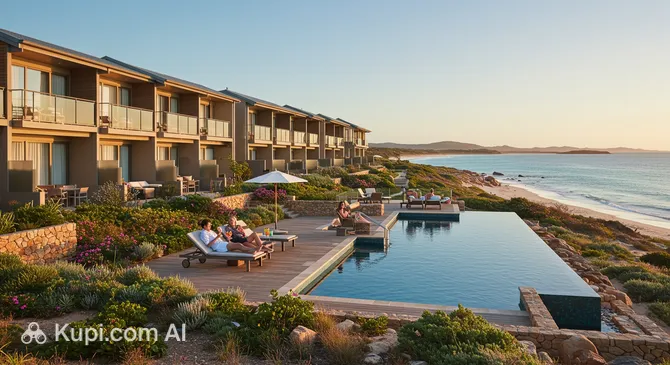
Accommodation location plays a key role in enjoying the nightlife here, as transport options are limited late at night. Visitors staying at central establishments like the Esperance Bay Holiday Park will find themselves well-positioned to walk to these venues. Being close to the town center allows you to enjoy a night out without worrying about the scarcity of taxis or ride-share services, which can be difficult to book after 10:00 PM.
Practical advice for a night out includes heading out early. Kitchens in local restaurants often close by 8:30 PM or 9:00 PM, and bars may wind down before midnight, especially on weekdays. Prices are standard for regional Australia, with a pint of beer or a glass of wine costing between $10 and $15 AUD. Safety is rarely a concern in Esperance; the streets are peaceful, but they can be quite dark, so sticking to well-lit main roads or carrying a torch is a good idea if you are walking back to your lodging.
While the town is quiet by night, the daytime entertainment options provide a cultural balance to the outdoor adventures. The Esperance Museum Village offers a glimpse into the past with its cluster of historic buildings, now housing galleries and shops. For art lovers, the Cannery Arts Centre hosts exhibitions and workshops, serving as a vibrant cultural hub. Additionally, the historic Esperance Visitor Centre is not just for maps; it frequently showcases local crafts and provides information on upcoming community events or markets that might be taking place during your stay.
Parks & Museums
Esperance seamlessly blends its rich pioneer history with the raw beauty of the Western Australian coast. The town and its surroundings offer a variety of cultural institutions and protected natural areas, allowing visitors to explore everything from maritime heritage to diverse botanical landscapes.
The Esperance Museum is a standout attraction for history enthusiasts. Housed in a heritage-listed railway goods shed dating back to the 1890s, it is widely regarded as one of the best regional museums in the state. The eclectic collection includes antique farming machinery, a restored steam locomotive, and maritime artifacts. A major highlight for many is the display of debris from NASA’s Skylab space station, which famously crashed in the region in 1979, providing a unique connection to space history.
Directly across from the museum lies the Esperance Museum Village. This charming precinct consists of historic timber buildings that were relocated from around the district to save them from demolition. Today, these restored structures house art galleries, craft shops, and pop-up stalls. Walking through the village offers a glimpse into the architectural style of the early settlement era, and the area frequently hosts local markets that bring the community together.
For nature lovers, Cape Le Grand National Park is the region's crown jewel. While its beaches are legendary, the park’s interior is equally fascinating, characterized by massive granite peaks and rolling heathlands. During the wildflower season, typically from September to November, the landscape transforms into a vibrant tapestry of blooming banksias, grevilleas, and wild orchids. The park is also a haven for wildlife, with western grey kangaroos often seen grazing on the vegetation near the campsites.
Further east, Cape Arid National Park offers a more rugged and remote experience. It is an important conservation area for birds, including the endangered western ground parrot. Closer to the town center, the Esperance Foreshore provides a beautifully landscaped green space. With its pine trees, walking paths, and playgrounds, it serves as a relaxing urban park where visitors can enjoy picnics while looking out over the bay.
To make the most of these natural attractions, it is recommended to visit the Esperance Visitor Centre. Here, travelers can purchase national park passes, obtain detailed maps of the heritage walking trails, and get up-to-date advice on road conditions for the more remote reserves.
Getting Around
Public transport in Esperance is quite limited, reflecting its status as a small regional town rather than a bustling metropolis. There is no metro, tram, or train network within the city. The primary form of public transportation is a local bus service operated under the TransRegional brand. This service is designed primarily for residents commuting between the town center and residential suburbs such as Nulsen, Castletown, and West Beach, rather than for sightseeing. Tourists should be aware that these buses do not travel to major tourist attractions like Cape Le Grand National Park or the more remote beaches.
For those who do choose to use the bus, the payment system is straightforward. You can purchase tickets directly from the driver using cash, so it is important to carry small change. If you are traveling around Western Australia for an extended period and have a SmartRider card (the state's electronic ticketing system), it may be accepted, but for short-term visitors, paying cash is the simplest option. Fares are generally inexpensive, usually costing only a few dollars for a standard trip within the town limits.
Operating hours for the bus service are restricted compared to larger cities. Buses typically run on weekdays during business hours and have very limited or no service on weekends and public holidays. Schedules can be infrequent, often with gaps of an hour or more between services. Travelers relying on the bus should check the latest timetables at the Visitor Centre or online via the Public Transport Authority of Western Australia's website to avoid being stranded. Validating a ticket is as simple as keeping the paper receipt issued by the driver.
Given the limitations of the bus network, most visitors find that alternative transport methods are necessary. Renting a car is by far the most popular and practical choice, offering the freedom to explore the vast coastline and national parks at your own pace. For shorter trips within the town, local taxi services are available and reliable, though it is advisable to book in advance, especially during peak dinner times. Unlike in major capitals, ride-sharing apps like Uber are often unavailable or have very few drivers operating in the area.
For a more active way to get around, cycling is a fantastic alternative. Esperance features a distinct lack of heavy traffic and offers a scenic, paved shared path that stretches along the foreshore. Renting a bike allows you to easily explore the town center, the museum district, and the nearby beaches while enjoying the fresh coastal air. Walking is also a viable option for staying within the central business district, where shops, cafes, and the waterfront are all within comfortable reach.
Accommodation
Accommodation in Esperance caters primarily to travelers seeking a relaxed, coastal experience, with options ranging from classic motels and serviced apartments to spacious holiday parks. While you will not find high-rise international hotel chains, the town offers a charming selection of bed and breakfasts, self-contained chalets, and budget-friendly caravan sites. The focus here is on comfort and accessibility to the outdoors, making it easy for visitors to unwind after a day of exploring the national parks.
For the most convenient stay, the area along The Esplanade is highly recommended. Staying here places you within walking distance of the town center’s cafes, shops, and the calm waters of the bay. This central location is perfect for those who want to leave the car behind for dinner or an evening stroll. Alternatively, the suburbs of Castletown and West Beach offer quieter environments and are often closer to the Great Ocean Drive, providing stunning ocean views and easy access to local swimming spots.
A popular choice for families and groups is the Esperance Bay Holiday Park. Situated just a short walk from the town center and the waterfront, it offers a variety of lodging styles, from cabins to powered sites, embodying the laid-back holiday spirit of the region. Establishments like this are well-regarded for their proximity to local amenities and their family-friendly atmosphere.
When planning your trip, it is crucial to consider the timing. Esperance is a favorite summer destination for Western Australians, meaning accommodation can be fully booked months in advance for the December and January school holidays, as well as the Easter break. Prices generally sit in the mid-range bracket, though they can spike during these peak periods. To secure the best rates and availability, it is highly advisable to book your stay well ahead of time, either through online travel platforms or by contacting providers directly.
Nearby Cities
Nearby Cities:
For those looking to explore the surroundings, Esperance serves as an excellent base for planning excursions to several interesting nearby locations. While the vast distances of Western Australia mean that some of these destinations are better suited for a short overnight visit rather than a quick day trip, they offer unique experiences that contrast beautifully with the coastal serenity of Esperance.
Kalgoorlie is a fascinating destination located inland, offering a complete change of scenery from the white sandy beaches to the rich red earth of the outback. Known as the heart of Australia's gold mining industry, it is home to the colossal Super Pit and grand historic buildings that tell the story of the 1890s gold rush. It provides a rugged, authentic Australian outback experience within driving distance.
Another significant regional hub is Albany, situated to the west. As the oldest colonial settlement in Western Australia, it is rich in history, featuring the National Anzac Centre and the historic Whaling Station. With its own dramatic coastline and heritage architecture, Albany offers a deep dive into the maritime and colonial past of the state.
These nearby destinations offer a glimpse into the diverse culture and landscapes of the region, making them well worth the journey for travelers eager to see more of the Golden Outback and the Great Southern.
Shopping & Souvenirs
Shopping in Esperance offers a relaxed and authentic experience that mirrors the town's laid-back coastal lifestyle. While you will not find large shopping malls or international designer chains, the town provides everything needed for a comfortable stay, alongside a charming selection of local boutiques. The retail scene is concentrated primarily along Dempster Street, where visitors can browse through surf shops, fashion outlets, and stores stocking camping and fishing gear—essential for those heading out to the national parks.
For unique mementos and locally made products, the Esperance Visitor Centre is an excellent starting point. The gift shop here features a curated range of Australian souvenirs, local history books, and high-quality regional crafts. It is also the best place to find postcards, maps, and artworks that capture the stunning turquoise waters and white sands of the area.
Art lovers and those seeking one-of-a-kind items should explore the Esperance Museum Village. This precinct of restored historic buildings is not just a visual delight but also houses small shops selling handmade jewelry, pottery, and textiles. On alternate Sundays, the area hosts the Esperance Museum Village Markets, a vibrant event focusing on local arts, crafts, and specialty goods. If you are looking for fresh produce, the Esperance Growers Market takes place on Saturdays, offering a fantastic opportunity to purchase locally grown fruit, vegetables, honey, and homemade preserves directly from the producers.
Grocery shopping is straightforward, with major supermarkets located in the town center open seven days a week. However, specialized boutiques and smaller retailers often have limited trading hours on weekends, typically closing by early afternoon on Saturdays and remaining closed on Sundays. Travelers are advised to plan their shopping trips accordingly, especially if they require specific outdoor equipment or gifts before leaving town.