Support

Mount Gambier

About

Welcome to Mount Gambier, a captivating regional city located on the Limestone Coast of South Australia. Known for its incredible volcanic landscape and vibrant community, it serves as a perfect hub for exploring the wonders of southern Australia. With a population of over 25,000 residents, it strikes a delightful balance between a bustling regional centre and a gateway to breathtaking natural beauty.
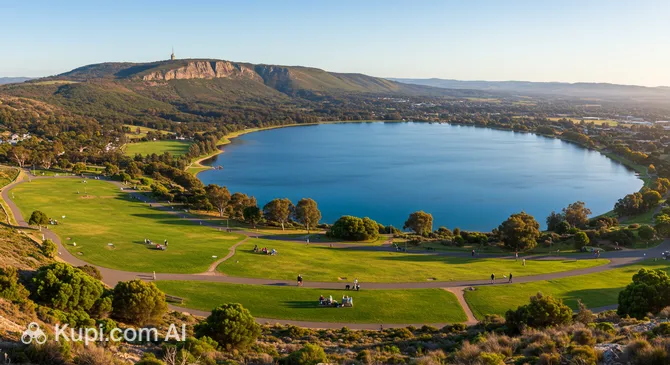
Mount Gambier. Source: Kupi.Binoculars

The city is famous for its unique geological features, which are deeply rooted in the region's ancient volcanic past. Visitors interested in the history of Mount Gambier will discover that the settlement was built upon the slopes of an extinct volcano, creating a landscape filled with limestone caves, craters, and stunning lakes. This distinct geography sets it apart from any other destination in the country.

One of the city's most iconic attractions is the Blue Lake, which occupies a volcanic crater and mysteriously changes colour from a steel grey to a brilliant turquoise blue during the summer months. Another must-see is the Umpherston Sinkhole, a geological formation that has been transformed into a lush, sunken garden, offering a surreal and tranquil experience for visitors.

Whether you are passing through on a road trip between Adelaide and Melbourne or planning a dedicated stay, Mount Gambier promises an unforgettable experience. Its friendly atmosphere, spectacular scenery, and unique natural wonders make it a top destination for nature lovers and adventurers alike.
Weather Overview

Mount Gambier experiences a moderate climate with four distinct seasons, offering a variety of conditions for travelers throughout the year. The summer months, spanning from December to February, are generally the warmest and most popular for visiting. During this time, average temperatures hover around 19°C, with January seeing daily maximums reach a pleasant 24.2°C. It is also the driest period, with typically only 3 to 7 wet days per month, creating ideal conditions for exploring the region's outdoor attractions.

As the year progresses into winter (June to August), the weather in Mount Gambier becomes significantly cooler. July is typically the coldest month, with an average temperature of 10.4°C and lows dipping to around 7.9°C. While the total rainfall volume remains relatively low, the frequency of rain increases substantially, with August recording up to 17 wet days. Visitors during this season should come prepared with warm layers and rain gear.

Overall, you can expect warm summers with plenty of sunshine and cool winters characterized by frequent rainy days.

Interesting Facts

Beyond the main attractions, Mount Gambier holds many fascinating secrets and geological marvels that often surprise visitors. The city's unique position on the Limestone Coast has created a landscape where urban life and ancient natural history coexist in remarkable ways.

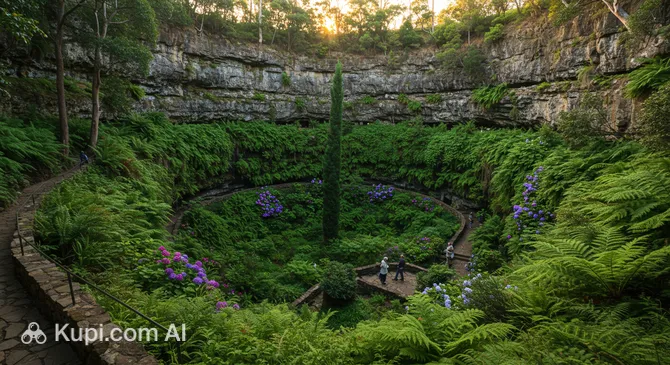
Umpherston Sinkhole. Source: Kupi.Binoculars
  • The beautiful Umpherston Sinkhole offers a rare wildlife encounter after dark. As the sun sets and the floodlights illuminate the sunken garden, dozens of resident brush-tail possums emerge from the limestone walls, often interacting with quiet visitors who bring them fresh fruit.

  • While the Blue Lake Lookout is famous for its stunning cobalt waters, the lake itself serves a critical practical purpose. It is one of the few volcanic crater lakes in the world that acts as the primary drinking water supply for the surrounding city, holding approximately 36,000 megalitres of high-quality water.

  • The city centre is literally built around a deep limestone pit known as the Cave Garden. Originally the main water source for early settlers, this central sinkhole now hosts a spectacular nightly sound and light show that projects indigenous Dreamtime stories onto the rugged rock faces.

  • Mount Gambier is home to some of the youngest volcanoes in Australia. Geologists estimate that the most recent eruptions occurred roughly 5,000 to 6,000 years ago, which is recent enough that the local Aboriginal people would have witnessed the dramatic formation of the craters and lakes.

How to Get There

Reaching this vibrant city on the Limestone Coast is straightforward, with options ranging from quick regional flights to scenic road trips. Whether you are arriving from a major capital or exploring South Australia by car, you will find accessible routes to the region. For a detailed guide on all transport options, you can read more about how to get to Mount Gambier.

The most direct way to arrive is via Mount Gambier Airport (IATA: MGB). Located just 9.2 km from the city center, this regional hub offers regular connections to major Australian cities, particularly Adelaide and Melbourne. Upon arrival, the journey into town is quick and convenient, taking approximately 15 to 20 minutes by taxi or shuttle bus.

For clarity, here is a summary of the main airport:

Airport Name City Passenger Traffic Km from City
Mount Gambier Airport Mount Gambier Regional 9.2

The city of Mount Gambier does not have an active passenger railway station. While rail history is part of the region's heritage, modern travelers typically reach the city by road. Long-distance coach services operate regularly from Adelaide and Melbourne, providing a comfortable alternative for those without a vehicle. For those driving, the city is well-connected by highways, making it a popular stop on road trips between Victoria and South Australia.

Main Attractions

Mount Gambier offers a fascinating array of natural and cultural sites, largely defined by its volcanic landscape. From sunken gardens to crater lakes, the city's top sights provide a unique glimpse into the geological history of the Limestone Coast.

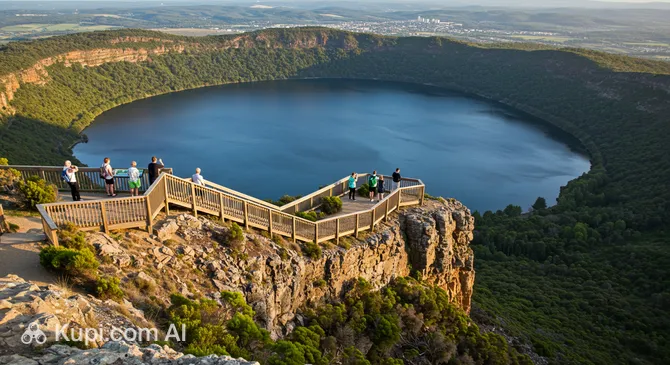
One of the most defining landmarks of the region is the Blue Lake Lookout. Located on the rim of a dormant volcanic crater, this spot offers panoramic views of the water, which famously transforms from a somber grey to a vibrant cobalt blue between November and March. It is an excellent location for photography and serves as the starting point for a scenic 3.6-kilometre walking trail that circles the entire lake, allowing visitors to appreciate the scale of this geological wonder from every angle.

Blue Lake Lookout. Source: Kupi.Binoculars

For a truly magical experience, the Umpherston Sinkhole, also known as the Sunken Garden, is a must-visit. Once a limestone cave, the roof collapsed to form a deep hollow that was transformed into a picturesque garden in the late 19th century. Visitors can walk down into the sinkhole along terraced flower beds, admiring the lush hanging vines and colourful hydrangeas. It provides a cool, tranquil retreat and is a perfect example of how the city has embraced its volcanic geology.

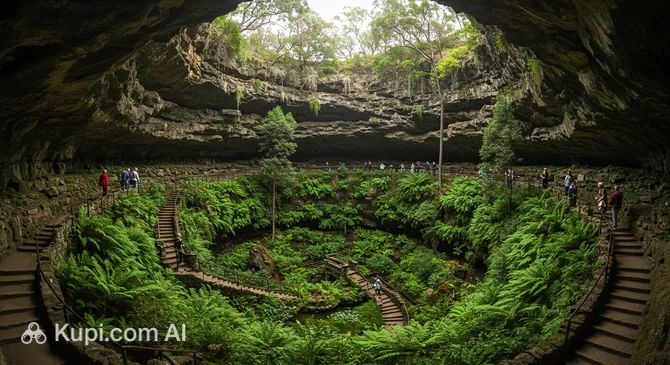
Situated right in the heart of the city centre, the Cave Garden (Thugi) is another spectacular sinkhole that features a landscaped garden. It is famous for its beautiful roses and the dramatic viewing platforms that hang over the edge of the chasm. This state heritage area is a peaceful spot for a midday break, offering a stark contrast between the bustling city streets above and the quiet, fern-filled depths below.

Cave Garden. Source: Kupi.Binoculars

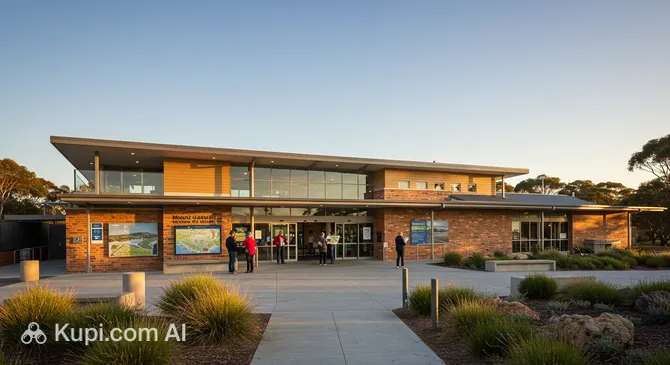
To gain a deeper understanding of the region's history and geology, a stop at the Mount Gambier Visitor Centre is highly recommended. Not just an information point, it houses the 'Lady Nelson' Visitor and Discovery Centre, where you can learn about the local Kanawinka Geopark, the intricacies of the water table, and the history of the vessel HMS Lady Nelson. It is a great starting point for families and first-time visitors looking to plan their stay.

Mount Gambier Visitor Centre. Source: Kupi.Binoculars

Local Cuisine

Local Cuisine:

The culinary scene in Mount Gambier is deeply connected to the fertile lands of the Limestone Coast. As a major agricultural hub, the city benefits from an abundance of fresh, locally sourced produce. The region is renowned for its lush pastures, which yield exceptional premium beef and lamb. Visitors will find these high-quality meats featured prominently on the menus of local steakhouses and historic pubs, often prepared simply to highlight their natural flavor.

Although the city is located inland, it is just a short drive from the coast, making seafood a significant part of the local diet. The area is famous for the Southern Rock Lobster (crayfish), sourced from the nearby fishing town of Port MacDonnell. This delicacy is a must-try for seafood lovers visiting the region. Additionally, the local dairy industry is world-class, contributing to rich cheeses and creams that enhance both savory dishes and desserts.

When it comes to drinks, Mount Gambier is making a name for itself as a unique wine destination. The area's cool climate is perfect for producing elegant Pinot Noir and crisp Sauvignon Blanc. For those who enjoy red wine, the city is also the perfect base to explore the neighboring Coonawarra region, famous for its bold Cabernet Sauvignon. Coffee culture is also thriving, with locals taking pride in high-quality brews made with fresh local milk.

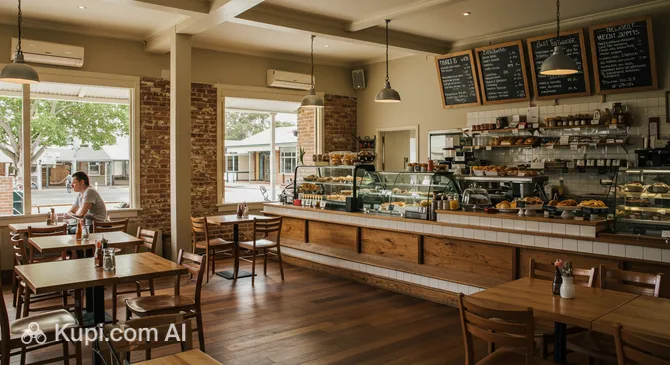
The dining atmosphere here is casual and welcoming, characterized by a mix of modern eateries and traditional country bakeries. A great example of the local cafe culture is the Metro Bakery & Cafe, a popular spot where visitors can enjoy fresh pastries and hearty meals in a friendly setting. Whether you are browsing a farmers market or sitting down for a pub meal, the food culture in Mount Gambier offers a genuine taste of South Australian hospitality.

Metro Bakery & Cafe. Source: Kupi.Binoculars

Travel Tips

To ensure your visit to Mount Gambier is as enjoyable and seamless as possible, we have compiled a list of essential travel advice. Whether you are here to marvel at the cobalt waters of the Blue Lake or explore the region's famous limestone caves, these practical tips will help you navigate the city and its surroundings with confidence.

  1. Clothing and Gear: The weather on the Limestone Coast can be changeable, so packing layers is the best strategy. Even in summer, evenings can be cool, while winters often bring rain. Bring a waterproof jacket and sturdy, comfortable walking shoes, as exploring the Umpherston Sinkhole and the trails around the crater lakes involves uneven ground and stairs. Don't forget a hat and high-SPF sunscreen, as the Australian sun can be quite strong.
  2. Transportation: While there is a local bus network, it is relatively limited for tourists who want to explore freely. The best way to get around Mount Gambier and the surrounding region is by car. Renting a vehicle gives you the flexibility to visit outlying attractions like the ghost mushroom lanes or nearby coastal towns. Taxis are available, and ride-sharing services operate in the area, but having your own wheels is highly recommended.
  3. Finances: The local currency is the Australian Dollar (AUD). Credit and debit cards (Visa and Mastercard) are widely accepted at hotels, restaurants, and attractions. However, it is wise to carry some cash if you plan to visit local farmers' markets or smaller cafes. ATMs are plentiful in the city centre. Tipping is not mandatory in Australia, but rounding up the bill or leaving a 10% tip for exceptional service is appreciated.
  4. Health and Safety: Mount Gambier is a safe regional city, but standard precautions apply. In an emergency, dial 000 for police, fire, or ambulance. Pharmacies are easily found in the town centre and shopping precincts, though they may not be open 24 hours. If you are hiking in bushland areas during the warmer months, be aware of local wildlife, including snakes, and stick to marked trails.
  5. Communication: English is the primary language spoken. The local accent is generally easy to understand, but don't hesitate to ask locals to repeat themselves if they use slang. A "G'day" (Good day) is a common friendly greeting. For mobile connectivity, the Telstra network typically offers the best coverage in regional areas. Free Wi-Fi is often available in the library, visitor centre, and many cafes.
  6. Local Etiquette: The vibe in Mount Gambier is relaxed and friendly. It is polite to greet shopkeepers and bus drivers. When visiting natural attractions like the sinkholes or caves, respect the environment by staying on designated paths and not littering. If you are driving on country roads, it is customary to give a small wave to passing drivers in more remote areas.
  7. What to Avoid: Strictly avoid attempting to swim in the Blue Lake. As the city's primary water supply, recreational activities in the water are prohibited to protect its quality. Also, be mindful of fire restrictions during the summer "fire danger season"; lighting campfires or discarding cigarette butts in nature can be illegal and dangerous.
  8. Local Insight: For a unique experience, visit the Umpherston Sinkhole at dusk. This is when the resident possums come out to feed. They are wild animals but are accustomed to people; locals often bring sliced fresh fruit (like apples or pears) to feed them, making for a memorable and interactive wildlife encounter.

By keeping these tips in mind, you will be well-prepared to embrace the laid-back lifestyle and natural beauty of Mount Gambier. We hope your journey through this volcanic landscape is filled with discovery and warm local hospitality!

Entertainment & Nightlife

The nightlife scene in Mount Gambier is characterized by a relaxed, friendly atmosphere typical of a regional Australian city. Rather than high-energy nightclubs and exclusive guest lists, the evening entertainment here revolves around historic pubs, lively sports bars, and social venues where locals and visitors mingle freely. The vibe is welcoming and unpretentious, making it easy to strike up a conversation and enjoy the local hospitality.

The heart of the action is primarily found along Commercial Street, which runs through the city centre. This is where you will find the highest concentration of hotels and bars. Venues in this area often feature live music on weekends, ranging from acoustic soloists to local cover bands. The dress code is generally casual or smart-casual; jeans and a neat shirt are perfectly acceptable in almost all establishments. Most venues stay open until late on Friday and Saturday nights, while weeknights are quieter with earlier closing times.

For a unique evening experience that doesn't involve a bar, the Cave Garden is an absolute must. Located in the centre of town, this geological wonder transforms after sunset. A spectacular sound and light show is projected onto the limestone walls of the sinkhole, telling the Indigenous Dreamtime stories of the Boandik people. It is a mesmerizing, free cultural display that provides a tranquil start to your evening before heading out for dinner or drinks.

Practicalities for a night out in Mount Gambier are straightforward. The city is generally very safe for walking, especially in the well-lit central business district. However, as it is a regional area, the streets can become quite empty late at night. Taxis are the most reliable way to get back to your accommodation; you can hail one at a rank on Commercial Street or call the local dispatch. Ride-sharing services are also available but may have fewer drivers during off-peak hours. Prices for drinks and entry fees (if any) are typically lower than in major capital cities like Melbourne or Sydney.

While the city is famous for its natural wonders, there are also plenty of daytime entertainment options to fill your schedule. Culture enthusiasts should check the program at the Sir Robert Helpmann Theatre, which hosts touring plays, dance performances, and concerts. For those who enjoy retail therapy, the Mount Gambier Marketplace is a key destination. This modern shopping complex offers a variety of fashion stores, specialty shops, and cafes, providing a comfortable indoor environment to relax in between sightseeing.

Mount Gambier Marketplace. Source: Kupi.Binoculars

If you prefer scenic views to shopping aisles, a trip to the Apex Lookout is highly recommended. While beautiful during the day, it also offers a peaceful spot to watch the sunset over the city, casting a golden glow over the landscape before the city lights begin to twinkle.

Parks & Museums

Mount Gambier boasts a remarkable collection of green spaces and cultural institutions that celebrate its unique volcanic geography and rich heritage. The city seamlessly blends natural wonders with manicured gardens and artistic venues, offering visitors diverse opportunities to explore the outdoors and delve into local history.

For nature lovers, the Valley Lake Conservation Park is a standout destination located within one of the city's volcanic craters. It is an ideal spot for families, featuring a free wildlife park where you can see native Australian animals such as koalas, kangaroos, and emus in a natural setting. The area also offers extensive boardwalks, picnic facilities, and a playground, all surrounded by steep crater walls that provide a dramatic backdrop.

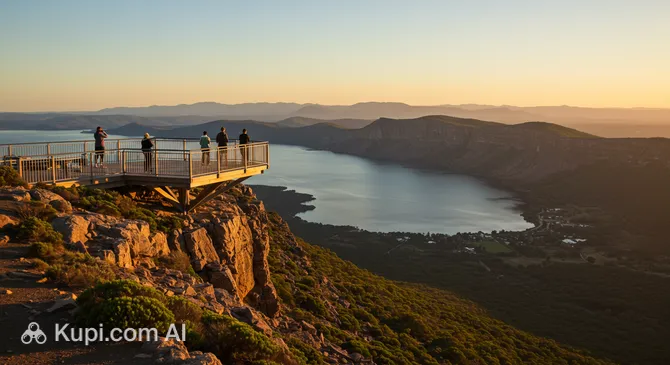
Another significant natural site is the Apex Lookout. Situated on the rim of the crater near the Blue Lake, this vantage point offers sweeping views over the valley and the city. It serves as a peaceful retreat where visitors can appreciate the scale of the landscape and the lush vegetation that thrives in the volcanic soil.

Apex Lookout. Source: Kupi.Binoculars

In the heart of the town, Vansittart Park offers a more traditional garden experience. This beautifully maintained botanical park features exotic trees, vibrant flower beds, and a historic rotunda. It is a popular location for community events and leisurely strolls, providing a green sanctuary amidst the urban environment.

Culturally, the city is anchored by the Riddoch Arts & Cultural Centre, the largest regional gallery in South Australia. This dynamic venue hosts a rotating schedule of local and national art exhibitions, film screenings, and workshops. It plays a pivotal role in the community, showcasing the creative spirit of the Limestone Coast through diverse media and storytelling.

To understand the geological and maritime history of the region, a visit to the Mount Gambier Visitor Centre is essential. Within the complex, you will find the 'Lady Nelson' Discovery Centre. This museum-style attraction features interactive displays about the Kanawinka Geopark, fossils found in local caves, and the history of the HMS Lady Nelson, the ship that first surveyed the coast.

A prominent historical landmark is the Centenary Tower, which sits at the highest point of the crater rim. Built in 1904 to commemorate the centenary of the sighting of Mount Gambier, this castellated tower offers the most spectacular 360-degree views of the lakes, the city, and the surrounding countryside on clear days.

For a truly authentic experience, consider taking a guided tour of Engelbrecht Cave. Unlike the open sinkholes, this cave system runs underneath the city streets and offers a fascinating look at the water table that sustains the region, popular with cave divers and history buffs alike.

Getting Around

Public transport in Mount Gambier is relatively modest compared to major metropolitan areas, reflecting its status as a regional city. The primary mode of public transportation is the local bus network, which is designed to connect residents and visitors to key locations such as the city centre, shopping precincts like the Mount Gambier Marketplace, the hospital, and some educational institutions. There are no trams, trains, or metro systems operating within the city limits.

The town bus service operates on several designated routes that loop through the suburbs and converge in the central business district. For tourists, these buses can be a cost-effective way to move between the main commercial areas and some accommodation providers. However, the frequency of service is generally lower than in capital cities, with buses typically running every hour or so during weekdays. Services are significantly reduced on Saturdays and often do not run on Sundays or public holidays, so it is crucial to check the current timetables in advance.

When it comes to payment, simplicity is key. The local bus system does not use the smart card technology found in larger cities like Adelaide. Instead, passengers usually purchase single-trip or daily tickets directly from the driver upon boarding. It is highly recommended to carry cash, particularly coins and small notes, as drivers may not always have change for large denominations and card payment facilities may not be available on all vehicles. Fares are generally very affordable.

Given the limited reach and frequency of the bus network, many visitors find that renting a car is the most practical option for exploring Mount Gambier. Having a vehicle provides the freedom to visit the famous Blue Lake, the Umpherston Sinkhole, and other natural attractions on the city's outskirts at your own pace. For those without a car, local taxi services are reliable and can be booked by phone or found at designated ranks in the city centre. Ride-sharing apps also operate in the area, though availability can vary depending on the time of day.

For short trips within the central business district, walking is a pleasant and viable alternative. The city centre is relatively compact and flat, making it easy to navigate on foot. Additionally, cycling is a popular recreational activity, and bike rentals can be a great way to see the sights, with several dedicated paths and trails connecting the city's parks and geological features.

Accommodation

Accommodation:

Finding the perfect place to stay in Mount Gambier is generally a stress-free experience, as the city is well-equipped to host the steady stream of travelers passing through the Limestone Coast. As a major regional hub and a popular stopover between Adelaide and Melbourne, the city offers a wide variety of lodging options. Visitors can expect to find a solid selection of classic motor inns and motels, which are a staple of the area. For those preferring more space or a home-away-from-home feel, there are numerous self-contained apartments, charming bed and breakfasts, and well-appointed holiday parks that cater to families and campers.

When selecting a location, there are a few distinct areas to consider depending on your travel style:

  • City Centre: Staying near the heart of town, particularly around Commercial Street, places you within easy walking distance of dining precincts, shops, and the famous Cave Garden. This is the most convenient option for those who want to explore the urban side of the city on foot.
  • Blue Lake Precinct: For a quieter, more scenic atmosphere, look for accommodation near the crater lakes. This area offers a peaceful retreat surrounded by greenery, yet it remains just a short drive from the central business district.
  • Jubilee Highway: The main approaches to the city are lined with numerous motels. These are particularly convenient for road trippers looking for easy parking and quick access to the highway for an early start the next morning.

The price range for accommodation in Mount Gambier is generally quite accessible, with the majority of options falling into the budget to mid-range categories. While you won't find many high-rise luxury hotels, there are several premium apartments that offer a touch of indulgence. A useful tip for travelers is to book in advance, especially during the summer peak season (December to February) and Australian public holidays. The city is a favorite destination for domestic tourists, and popular motels can book out quickly during these busy periods. Reservations can typically be made easily through major online booking platforms or by contacting venues directly.

Nearby Cities

For those looking to explore the surroundings, Mount Gambier serves as an excellent base for day trips to several interesting nearby locations. While the city itself is rich in geological wonders, the broader region offers a mix of coastal beauty, historic towns, and vibrant regional centres that are well worth a visit.

One of the most popular destinations for a day trip is Warrnambool. Located along the spectacular shipwreck coast of Victoria, this maritime city marks the western end of the famous Great Ocean Road. Visitors can explore the Flagstaff Hill Maritime Village to step back into the 19th century or visit Logan's Beach, famous for Southern Right Whale sightings during the winter nursery season. The drive itself is scenic, passing through rolling farmland and offering glimpses of the Southern Ocean.

Another excellent option is Horsham, the vibrant capital of the Wimmera region. Situated to the north-east, it serves as a convenient gateway to the majestic Grampians (Gariwerd) National Park. Horsham is known for its impressive regional art gallery, beautiful botanic gardens along the Wimmera River, and its proximity to the celebrated Silo Art Trail. It provides a perfect contrast to the limestone landscape of Mount Gambier, offering a taste of the vast Australian bushland and agricultural heritage.

City Population Distance (km)
Geelong 184182 316
Ballarat 98543 272
Warrnambool 29661 161
Lara 16355 319
Horsham 14543 176

These nearby destinations offer a glimpse into the diverse culture and landscapes of the region, allowing travelers to experience everything from rugged coastlines to historic goldfield influences within a few hours' drive.

Shopping & Souvenirs

As the primary commercial hub of the Limestone Coast, Mount Gambier offers a diverse shopping experience that caters to both locals and visitors. The city serves as a regional center for surrounding towns, meaning you will find everything from large department stores and supermarkets to charming independent boutiques and specialty retailers. Whether you need to stock up on camping supplies or are looking for a unique gift, the city's retail precincts have you covered.

For a modern shopping experience with all the major conveniences, the Mount Gambier Marketplace is the main destination. Located on Penola Road, this extensive complex is home to key retailers like Woolworths and Big W, alongside a variety of fashion, beauty, and lifestyle stores. It offers ample parking and serves as a one-stop location for travelers needing to resupply during their journey.

If you prefer a more traditional atmosphere, a stroll down Commercial Street in the city center is highly recommended. This bustling strip is lined with heritage buildings that house an eclectic mix of shops. Here, you can discover locally owned fashion boutiques, homeware stores featuring regional art, and inviting bookshops. The laneways branching off the main street often hide smaller gems and cozy cafes, perfect for a break between browsing.

For a taste of the region's famous agricultural produce, the Mount Gambier Farmers Market is a must-visit event. Held every Saturday morning from 9:00 am to 12:00 pm, the market takes place at the picturesque Cave Garden in the heart of town. It is the best place to buy fresh seasonal fruit, vegetables, artisan breads, and local honey directly from the growers. The lively atmosphere, often accompanied by live music, provides a wonderful insight into the local community spirit.

Most retail stores in Mount Gambier operate from 9:00 am to 5:00 pm on weekdays and until 12:00 pm or 1:00 pm on Saturdays. While the larger shopping centers and supermarkets are open seven days a week with extended hours, many smaller boutiques in the CBD are closed on Sundays. It is worth checking specific opening times if you are planning a weekend visit.

Nearby cities

Reached the end of the page?

That means the route is fully explored