Support

Agua Boa

About

Welcome to Agua Boa, a charming municipality located in the state of Mato Grosso. Known for its organized urban planning and welcoming atmosphere, this city serves as a vital hub in the Araguaia Valley region. It is a place where modern development meets the rustic traditions of the Brazilian interior.

Situated in the vast central-west region of Brazil, Agua Boa enjoys a tropical climate characterized by warm temperatures year-round. With a population of approximately 14,500 residents, it offers a peaceful yet active environment, deeply rooted in the agricultural prowess that drives the local economy.
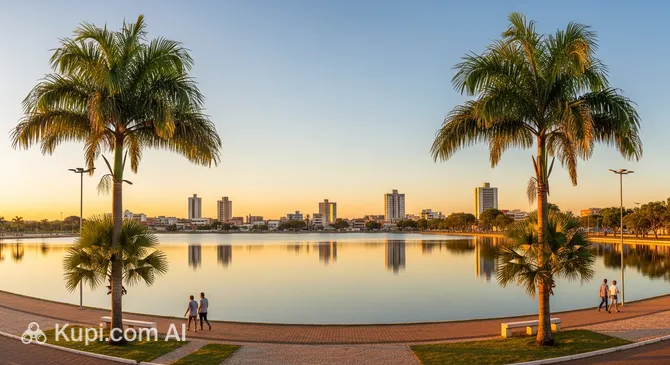
Agua Boa. Source: Kupi.Binoculars

Although it is a relatively young municipality, the history of Agua Boa is a fascinating tale of colonization and growth, showcasing the determination of pioneers who transformed the region into a thriving community. Today, the city is celebrated for its high quality of life and serves as a strategic point for those traveling through the state.

Visitors to the area are often drawn to the famous Expovale, a major agricultural exposition that features rodeos, concerts, and cultural displays, highlighting the city's vibrant spirit. Additionally, the surrounding landscapes of the Cerrado biome offer opportunities for eco-tourism and a chance to experience the unique biodiversity of the area.

Whether you are visiting for business or exploring the natural beauty of Mato Grosso, Agua Boa invites you to experience its warm hospitality and organized charm. It is a perfect destination for travelers seeking an authentic glimpse into life in the Brazilian heartland.

Weather Overview

The climate in Agua Boa is typically tropical, characterized by distinct wet and dry seasons that shape the rhythm of life in the region. Temperatures remain generally warm year-round, ensuring that visitors can enjoy outdoor activities regardless of when they choose to travel.

From November through March, the city experiences its rainy season. During these months, average temperatures hover around 26°C, and rainfall is frequent, with January and February seeing up to 23 wet days per month. This period is lush and green, though the humidity is higher.

Conversely, the months from May to September mark the dry season. Rainfall drops significantly, with July often seeing zero wet days. While this is the "winter" period, days remain warm with average temperatures around 24°C to 25°C, though nights can be cooler, dipping to around 18°C. By September, the heat intensifies, with maximum temperatures reaching up to 35°C.

Expect warm summers with regular showers and drier, milder winters with plenty of sunshine. For a more detailed breakdown of seasonal patterns and forecasts, you can check the full guide to the weather in Agua Boa.

Interesting Facts

Beyond its agricultural prowess and organized streets, Agua Boa holds several fascinating distinctions that surprise many visitors. From record-breaking events to its unique origins, this planned city offers more than meets the eye.

  • The Heart of Brazil: Agua Boa is affectionately known as the "Coração do Brasil" (Heart of Brazil). While the official geodesic center of South America is located in nearby Cuiabá, Agua Boa claims this poetic title due to its central location and its vital role as a hub connecting the Araguaia Valley to the rest of the country.

  • World Record Auction: The city is famous for hosting the Expovale, a massive agricultural fair that has gained international recognition. It is home to what is often cited as the "largest beef cattle auction in the world," a testament to the region's immense livestock industry and economic power.

  • A Model of Urban Planning: Unlike many towns that grew organically along roads, Agua Boa is a planned city with a unique distinction: it boasts 100% paved streets and complete LED public lighting. Its wide avenues and organized layout were designed to offer a high quality of life from the very beginning.

  • The Legend of the "Good Water": The city's name, which translates to "Good Water," dates back to the early expeditions opening up the Brazilian interior. Pioneers and travelers on the Roncador-Xingu expedition discovered a stream with exceptionally fresh and clean water at this location, marking it as a crucial resting point that eventually grew into the city.

  • Southern Roots in the West: Although located in the center of the continent, the city was founded largely by migrants from southern Brazil, particularly the state of Rio Grande do Sul. This has created a unique cultural blend where traditional gaúcho customs, such as drinking mate (chimarrão) and barbecue, are as common as local traditions.

How to Get There

Reaching Agua Boa typically involves a journey through the scenic landscapes of the Brazilian interior. As the city is located in the eastern part of Mato Grosso, access is primarily by road, usually connecting from larger regional hubs. For a detailed breakdown of routes and transportation providers, you can read more about how to get to Agua Boa.

For air travel, the city does not have its own major commercial airport. Visitors usually fly into Marechal Rondon International Airport (CGB) in the state capital, Cuiabá. It is important to note that Cuiabá is approximately 730 kilometers from Agua Boa, requiring a subsequent long-distance bus ride or car rental to complete the journey. A closer alternative is the airport in Barra do Garças, located about 240 kilometers south of Agua Boa, though it serves fewer flights.

Once on the ground, the main access route is the BR-158 highway, which runs directly through the city. Regular bus services connect Agua Boa to major cities such as Cuiabá, Goiânia, and Barra do Garças, making road transport the most reliable option. There is no passenger railway service in the region, as the local rail infrastructure is dedicated exclusively to freight.

Main Attractions

While Agua Boa is primarily known as a powerhouse of agribusiness, the city offers several inviting spaces for leisure and culture that reflect its organized and welcoming character. Visitors will find that the local attractions are deeply connected to the community's lifestyle, ranging from vibrant public squares to venues that host one of the largest agricultural events in Brazil.

The heart of the city's social life is undoubtedly the Praça da Cultura (Culture Square). Located in the city center, this beautifully maintained public space is a favorite gathering spot for families and friends, especially in the evenings. It serves as the main stage for local cultural events, including open-air concerts, holiday celebrations like the "Christmas of Faith and Magic," and artisan fairs. With its modern LED lighting and pleasant landscaping, it is a perfect place to experience the friendly local atmosphere.

For those interested in the region's economic soul, the Parque de Exposições Antonio Tura is a landmark of great significance. This sprawling exhibition park is the home of the famous Expovale, the city's premier annual event. During the festival, the park transforms into a bustling hub of entertainment, featuring rodeos, shows by national artists, and massive livestock auctions that draw visitors from all over the country. Even outside of event dates, the park stands as a symbol of the city's agricultural heritage.

Nature lovers staying in the city should visit the Lagoa dos Buritis. Situated near the entrance of Agua Boa, this urban lagoon has been revitalized to offer a peaceful retreat for residents and tourists alike. It is an excellent spot for a relaxing afternoon walk, birdwatching, or simply enjoying a sunset over the water. The area is often used for community leisure activities, such as family fishing events, blending urban convenience with the natural beauty of the Brazilian interior.

Another architectural and spiritual highlight is the Paróquia Nossa Senhora Aparecida. As the main Catholic church in the municipality, it features a distinctive design that stands out in the cityscape. It is not only a place of worship but also a center for community gatherings and traditional festivities, particularly in October during the patron saint's celebrations, which showcase the deep faith and unity of the local population.

Finally, for adventure seekers willing to venture a bit further, the majestic Rio das Mortes offers an unforgettable experience. Located within the municipality's influence, this river is a paradise for sport fishing and eco-tourism. Its rich biodiversity and scenic riverbanks attract anglers and nature enthusiasts eager to explore the pristine waters of the Araguaia Valley region.

Local Cuisine

The culinary scene in Agua Boa is a flavorful reflection of its history, blending the rustic traditions of the Brazilian Center-West with the strong heritage of southern migrants. As a city driven by agribusiness, particularly cattle ranching, it is no surprise that high-quality meat plays a central role in the local diet, but the cuisine also embraces the unique fruits and fish native to the surrounding Cerrado biome.

One cannot visit the city without experiencing a traditional churrasco (barbecue). Thanks to the significant population of Gaúcho descent—migrants from southern Brazil—and the region's status as a livestock powerhouse, barbecue is more than just a meal; it is a social ritual. The beef here is renowned for its freshness and quality, often seasoned simply with coarse salt to highlight the natural flavors and served in generous portions at family gatherings and local restaurants.

Beyond red meat, the local cuisine relies heavily on regional ingredients. A beloved staple is arroz com pequi, a dish made with rice and the aromatic, yellow fruit of the native pequi tree. The fruit has a distinct, intense flavor and is often cooked with chicken to create a hearty galinhada. Visitors trying pequi for the first time should be careful, as the pit is covered in tiny internal thorns, but the unique taste is an essential part of the gastronomic experience in Mato Grosso.

Given the municipality's location near the Araguaia Valley and rivers like the Rio das Mortes, freshwater fish also features prominently on menus. Species such as Pintado and Pacu are widely enjoyed, whether fried, grilled, or stewed in a rich sauce with cassava (manioc). To beat the tropical heat, the most common drink is tereré, an ice-cold infusion of yerba mate herbs. It is typically shared among friends in a circle, serving as a refreshing counterpart to the hot chimarrão that is also popular during cooler hours.

Travel Tips

Planning a trip to Agua Boa is straightforward, but a few insider tips can make your visit to this friendly city in the Brazilian interior much smoother. Whether you are here for the Expovale or business, keeping these practical pointers in mind will help you travel like a local.

  1. Clothing and Gear: Given the tropical heat of Mato Grosso, pack lightweight, breathable fabrics like cotton or linen to stay cool. A sturdy pair of walking shoes is essential for exploring, and don't forget a high-SPF sunscreen and insect repellent, especially if you plan to visit the Brazil countryside or lakes.
  2. Transportation: The city does not have a public metro or extensive bus system for tourists, so renting a car is the most convenient way to get around and explore the region at your own pace. Within the city center, local taxis and moto-táxis (motorcycle taxis) are popular, affordable, and readily available options for short trips.
  3. Finances: The official currency is the Brazilian Real (BRL). While major supermarkets, hotels, and restaurants in Agua Boa generally accept credit and debit cards, smaller shops and street vendors often deal exclusively in cash. It is wise to withdraw some money from local ATMs to cover small daily expenses and tips.
  4. Health and Safety: Pharmacies are well-stocked and easy to find in the city center, but it is always smart to carry a basic travel kit. The sun can be intense, so stay hydrated and wear a hat. Agua Boa is known for being organized and safe, but exercise standard caution by keeping valuables secure and avoiding unlit areas late at night.
  5. Communication: Portuguese is the primary language, and English is not widely spoken outside of specific business settings. Learning a few basic phrases like "Bom dia" (Good morning) and "Obrigado" (Thank you) will be very helpful. Downloading an offline translation app and purchasing a local SIM card are highly recommended for staying connected.
  6. Local Etiquette: The people here are known for their warm hospitality. Greetings are important; a firm handshake or a friendly nod is standard when entering a room or meeting someone. If you are invited to share a tereré (cold mate tea), accept it graciously, as this is a significant social ritual in the region signifying friendship.
  7. What to Avoid: Avoid swimming in rivers or lagoons without checking with locals first, as some waters may have hidden currents or wildlife. Additionally, avoid being impatient if service feels slower than in big metropolises; the pace of life here is more relaxed, and rushing is often seen as unnecessary stress.
  8. Shop Opening Hours: Be aware that many smaller businesses and local shops may close for a lunch break, typically between 12:00 PM and 2:00 PM. Plan your shopping errands for the morning or late afternoon to avoid finding closed doors during the hottest part of the day.

By keeping these simple tips in mind, you will be well-prepared to enjoy the organized charm and welcoming spirit of Agua Boa. Embrace the local pace, stay cool in the heat, and enjoy a hassle-free adventure in the heart of the continent.

Entertainment & Nightlife

Nightlife in Agua Boa is defined by its warm, welcoming, and relaxed atmosphere. Unlike the high-energy club scenes of major metropolises, the evening entertainment here revolves around "barzinhos" (small bars), open-air restaurants, and social gatherings in public squares. The tropical climate invites locals and visitors alike to spend their nights outdoors, enjoying cold drinks, live music, and hearty conversation under the stars.

The city's social hub is largely concentrated in the city center and along Avenida Júlio Campos. This thoroughfare serves as a primary artery for local activity, where you will find a variety of venues and movement during the evenings. The vibe is distinctly casual; it is common to see people in shorts and flip-flops enjoying a beer, reflecting the region's laid-back agricultural lifestyle and warm weather.

Music plays a significant role in the local entertainment scene, with a strong emphasis on sertanejo (Brazilian country music), which is the heartbeat of Mato Grosso's culture. Many establishments host live performances by local duos, creating a lively backdrop for dining and socializing. For a verified and scenic experience, Lagoon Beer e Restô is a standout option located at the Lagoa dos Buritis. It offers a modern yet relaxed setting where visitors can enjoy good food and drinks with a beautiful view of the water, making it a perfect spot for both sunset cocktails and evening meals.

Practical advice for a night out includes carrying some cash, as smaller vendors or snack stalls may not accept cards, though most established bars do. The best time to go out is from Thursday to Saturday, when the city is most alive. In terms of transportation, moto-taxis (motorcycle taxis) are a very common, affordable, and quick way to get around the city at night, in addition to regular car taxis.

Safety in Agua Boa is generally good, and the city is considered peaceful compared to larger urban centers in Brazil. However, it is always wise to stick to well-lit areas and avoid walking alone in the outskirts late at night. Using a local taxi service or a trusted ride option is the safest way to return to your accommodation after enjoying the local nightlife.

While the nightlife is the main draw after sunset, the transition from day to night is best enjoyed at the city's leisure spots. The Lagoa dos Buritis is not only a nightlife venue but also a beautiful location for a late afternoon walk. Additionally, the Praça da Cultura frequently serves as a gathering point for families and hosts cultural events that showcase the region's traditions, offering a wholesome entertainment alternative.

Parks & Museums

Agua Boa is a city that prides itself on its planned urban landscape, where green spaces are integrated into the daily lives of its residents. While it may not be famous for grand museums, the city offers refreshing natural areas and cultural venues that celebrate its unique history of colonization and community spirit.

Lagoa dos Buritis is the city's premier outdoor destination, serving as a beautiful postcard for visitors and a beloved leisure spot for locals. This revitalized urban lagoon is surrounded by walking paths and lush vegetation, making it an ideal setting for a morning jog or a relaxing sunset stroll. The park is often the venue for community events, such as family fishing days, and offers a glimpse into the local lifestyle where nature and urban convenience blend seamlessly.

For those interested in the cultural and historical fabric of the municipality, the Biblioteca Municipal (Municipal Library) serves as a key cultural hub. Beyond its function as a library, it frequently hosts exhibitions and projects dedicated to preserving the memory of the region. Here, visitors can often find photographic collections and records that tell the story of the region's rapid development and the pioneers who migrated from southern Brazil to build this thriving city in the heart of Mato Grosso.

The city's cultural life also revolves around the Centro Cultural and the vibrant Praça da Cultura. These spaces function as open-air galleries of local tradition, hosting artisan fairs, music festivals, and theatrical performances that reflect the community's diverse heritage. While traditional museums are scarce, these venues offer an authentic way to experience the local customs, from gaúcho traditions to contemporary artistic expressions.

For a deeper connection with the region's untamed nature, an excursion to the nearby Rio das Mortes is highly recommended. Although it lies outside the immediate city center, this majestic river is an essential part of Agua Boa's natural identity. It attracts eco-tourists and anglers eager to explore its pristine waters and sandy beaches, offering a rustic counterpoint to the city's organized urban parks.

Getting Around

Due to its relatively small population and compact, planned urban layout, Agua Boa does not possess a complex public transport network comprising metros, trams, or extensive municipal bus lines. Visitors accustomed to the bustling transit systems of major metropolitan areas will find the pace here much more relaxed, with mobility relying primarily on private vehicles and on-demand services rather than fixed-route mass transit.

The most popular and efficient form of public transportation in the city is the moto-táxi (motorcycle taxi). This service is a cultural staple in the region, offering a quick and affordable way to navigate the streets. Moto-taxi drivers are easily identifiable by their official numbered vests and specific waiting points scattered throughout the city. For a solo traveler, this is often the most practical choice, providing a breezy ride through the flat avenues of the municipality.

Standard four-wheeled taxis are also available, though they are less ubiquitous than the motorcycle variety. You will typically find them stationed at designated stands (known as pontos de táxi), particularly near the bus station (Rodoviária) or the city center. Unlike in larger cities where you might flag a cab down on the street, it is standard practice here to call a dispatcher or walk to the nearest stand to secure a ride.

Regarding payment, the system is predominantly cash-based. While digital payments and instant transfers (like the local Pix system) are gaining ground, it is highly advisable for tourists to carry small denominations of the local currency. Moto-taxis usually operate with fixed rates depending on the destination zone within the city, while regular taxis may use taximeters or agree on a flat fee beforehand. Always confirm the price with the driver before starting your journey to avoid misunderstandings.

Ride-sharing apps that are global giants often have limited or no availability in smaller interior cities like Agua Boa. Instead, residents frequently rely on local alternatives or simply use WhatsApp to contact taxi drivers directly. If you prefer the independence of driving, renting a car is an excellent option, as the city's streets are wide, paved, and easy to navigate, with parking being generally abundant and free.

Finally, thanks to the city's organized planning and flat terrain, walking is a viable and pleasant alternative for short distances, especially around the central commercial areas and the Praça da Cultura. Bicycles are also a common sight, used by locals for daily commuting, allowing you to explore the orderly neighborhoods at your own pace while enjoying the warm tropical weather.

Accommodation

Accommodation in Agua Boa is primarily designed to serve the needs of business travelers connected to the region's booming agribusiness, as well as those passing through on the BR-158 highway. The city offers a selection of functional and comfortable options, ranging from straightforward budget lodgings to modern mid-range hotels that provide excellent amenities for a restful stay. While you will not find ultra-luxury resorts here, the hospitality is warm, and the standards of cleanliness and service are generally high, reflecting the city's organized nature.

Most travelers choose to stay in one of two main areas. The city center is the best choice if you prefer to be within walking distance of restaurants, the Praça da Cultura, and local shops. Alternatively, there are several hotels located along or near the main highway, BR-158. These are particularly convenient for motorists looking for a quick stopover without navigating the inner city streets, offering easy access for arrival and departure.

For those planning a visit, it is important to note that accommodation availability can fluctuate significantly depending on the local events calendar. Specifically, during the Expovale, the city's massive agricultural fair typically held in July, hotels fill up weeks or even months in advance. If your trip coincides with this major event, booking your room as early as possible is essential to secure a spot.

In terms of pricing, Agua Boa is generally affordable. Travelers can expect budget-friendly rates for basic suites and moderate prices for hotels that offer extras like breakfast buffets, air conditioning, and Wi-Fi. While some of the larger establishments are listed on major international booking platforms, many local pousadas (guesthouses) and smaller hotels still operate primarily through direct phone bookings or messaging apps, so it can be helpful to contact them directly to confirm rates and availability.

Nearby Cities

For those looking to explore the surroundings, Agua Boa serves as an excellent base for day trips to several interesting nearby locations within the state of Mato Grosso and beyond.

Located just a short drive away, Canarana is the closest major neighbor and a fascinating destination in its own right. Known as the gateway to the Xingu Indigenous Park, it offers a unique cultural perspective alongside its strong agricultural identity. It is an easy trip for those wishing to see a different facet of the region without venturing too far.

For travelers willing to embark on a longer journey, Barra do Garças is a renowned eco-tourism hub located to the south. Famous for its thermal waters at the Parque das Águas Quentes and the mystic beauty of the Roncador Mountains, it offers a refreshing escape with waterfalls and river beaches at the confluence of the Araguaia and Garças rivers.

City Population Distance (km)
Canarana 26382 57
Barra do Garças 58974 203
Sao Miguel do Araguaia 26000 232
Itapuranga 26125 291

These nearby destinations offer a glimpse into the diverse culture and landscapes of the region, ranging from agricultural powerhouses to scenic natural retreats.

Shopping & Souvenirs

Shopping in Agua Boa offers a relaxed and authentic experience that mirrors the city's organized layout and agricultural roots. Unlike major metropolitan areas, you will not find large shopping malls or international luxury chains here. Instead, the local commerce is characterized by welcoming street-side boutiques, family-owned businesses, and specialty stores that cater to the practical and lifestyle needs of the community.

The commercial heart of the city beats strongest along Avenida Júlio Campos and the surrounding central streets. This wide, well-planned avenue is lined with a variety of shops ranging from clothing and footwear retailers to electronics stores and supermarkets. It is a pleasant area for a walk, allowing visitors to browse comfortably while soaking in the local atmosphere.

Given the region's status as a powerhouse of cattle ranching and the home of the Expovale, the most iconic items to purchase in Agua Boa are related to moda country (western fashion). Visitors will find excellent specialty shops dedicated to high-quality leather goods. Whether you are looking for authentic cowboy boots, sturdy belts, wide-brimmed hats, or ornate buckles, the gear sold here is the real deal—designed for durability and style in the Brazilian interior.

For those interested in local culture and flavors, visiting the local markets is a must. The city frequently hosts fairs, such as the Feira do Produtor, where farmers and artisans gather to sell fresh produce and handmade goods. These spots are perfect for finding regional delicacies like homemade sweets, artisanal cheeses, and honey, as well as handcrafted souvenirs that reflect the traditions of Brazil's central-west.

When planning a shopping trip, it is important to keep local business hours in mind. Most stores open around 8:00 AM and close by 6:00 PM on weekdays, but many smaller establishments still observe a traditional lunch break, closing their doors between 12:00 PM and 2:00 PM. On Saturdays, commerce typically winds down by noon. While credit and debit cards are widely accepted in established shops, carrying some cash is recommended for small purchases at markets or street stalls.

Nearby cities

Reached the end of the page?

That means the route is fully explored