Support

Brazil

About the Country

Brazil is a country of vast expanses and incredible cultural diversity, occupying almost half of South America. From the fiery rhythms of samba to the calm waters of the Amazon, Brazil offers a unique experience for every traveller. Its capital, Brasília, is a masterpiece of modernist architecture, designed from scratch in the mid-20th century.
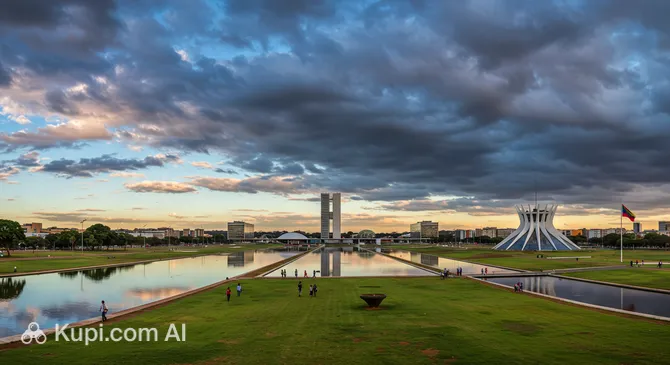
Brasilia. Source: Kupi.com Binoculars

Brazil's nature is breathtaking: it is home to the famous Amazon rainforest, the impressive Iguazu Falls, and thousands of kilometres of magnificent beaches. The country is famous for its warm tropical and subtropical climate, making it an attractive year-round holiday destination. Cities like Rio de Janeiro are world-renowned for their beauty and iconic landmarks, including the Christ the Redeemer statue on Corcovado Mountain.

The atmosphere in Brazil is a celebration of life, which is especially evident during its famous carnival. Football here is not just a sport but a true religion that unites the nation. For travellers from the UAE, it's noteworthy that Emirati citizens do not require a visa to enter Brazil. The country is also increasingly accommodating to Muslim visitors, with around 150 mosques and a growing number of halal food options in major cities like São Paulo and Foz do Iguaçu. The hospitality of the locals, a rich history, a fusion of cultures, and stunning cuisine make Brazil one of the most exciting and memorable travel destinations in the world.
Currency

The national currency of Brazil is the Brazilian real (international code: BRL). The banknotes are known for their colourful designs, which often feature animals from the country's rich fauna. For example, the 50-real note depicts a jaguar, while the 100-real note shows a dusky grouper. A 200-real banknote featuring the maned wolf was introduced in 2020. Coins are also in circulation and are used for smaller transactions.

It is advisable to exchange currency at official banks or dedicated exchange offices, known as "casas de câmbio". You should avoid exchanging money with street money changers, as this can be risky and is illegal. Exchange rates at airports are often less favourable than those found in the city. Credit cards, particularly Visa and Mastercard, are widely accepted in most cities, tourist centres, hotels, and restaurants. However, it is always useful to carry some cash in reals for small purchases, public transport fares, or for use in markets and remote areas where card terminals may not be available.

Visa Requirements

When planning a trip to Brazil, it's essential to check the visa requirements in advance. For citizens of the United Arab Emirates holding ordinary passports, there is a visa waiver agreement in place. This means UAE nationals can travel to Brazil for tourism or business without a visa for a maximum of 90 days per year. For residents of the UAE who hold passports from other countries, a tourist visa may be required and should be obtained in advance from the Brazilian embassy or consulate.

Regardless of visa status, all travellers entering Brazil must have a passport that is valid for at least six months from the date of entry and contains at least two blank pages. While not always strictly checked, it is also highly recommended to carry return flight tickets, proof of hotel booking, and adequate travel insurance for your stay. As visa regulations can change, it is strongly recommended to verify the most current information on the official website of the Embassy or Consulate of Brazil in the UAE before your trip. This will help to avoid any issues and ensure a smooth start to your journey in this amazing country.

We'll tell you if you need a visa

Specify where you are going, or
Your citizenship
Destination

Time Zones

When planning a trip to Brazil, it is important to remember that this vast country covers a total of four time zones. They range from UTC-2 on Atlantic islands, such as Fernando de Noronha, to UTC-5 in the westernmost states, like Acre. For travellers from the UAE, this means a significant time difference, as mainland Brazil is between 7 and 9 hours behind Gulf Standard Time (UTC+4). The official time for the capital, Brasília, and most populous coastal areas, including Rio de Janeiro and São Paulo, is UTC-3, known as Brasília Time (BRT).

This variety of time zones means that when travelling within the country, especially over long distances from east to west, tourists need to account for the potential time difference. This is particularly important when planning domestic flights, bus journeys, and connections to avoid any confusion or delays. Always double-check the local time at your destination.

How to Get There

Brazil is a vast country, and the most common way to get there is undoubtedly by air. For travellers from the UAE, major carriers such as Emirates offer direct flights from Dubai to key Brazilian hubs. The country has numerous international airports, with the main gateways being the airports in São Paulo and Rio de Janeiro, which handle flights from all over the world. The capital, Brasília, also has an international airport. Convenient connections are available from the Middle East, North and South America, Europe, and some countries in Asia and Africa.

Given Brazil's extensive land borders with ten countries, travelling overland is also an option, especially from neighbouring South American nations. International bus routes connect Brazil with countries like Argentina, Paraguay, Uruguay, and Bolivia. International train services are less developed.

Arriving in Brazil by sea is mainly via cruise liners, which often include Brazilian ports in their South American itineraries, particularly during the peak tourist season. Regardless of your chosen mode of transport, it is highly recommended to book your tickets well in advance, especially if your trip coincides with major holidays like Carnival or during the high season. This will not only help you save money but also guarantee availability.

For clarity, here is a summary of the main airports:

Airport Name City Passenger Traffic
São Paulo/Guarulhos International AirportSão PauloMajor
Congonhas AirportSão PauloMajor
Galeão International Airport – Tom JobimRio de JaneiroMedium
Brasília International AirportBrasíliaMedium
Tancredo Neves International AirportBelo HorizonteMedium

Brazil is a country of incredible diversity, offering tourists a kaleidoscope of experiences, from bustling metropolises to serene beach resorts and charming mountain towns. There is a destination to suit every taste, whether you are seeking adventure, cultural enrichment, or a relaxing holiday.

Rio de Janeiro. Source: Kupi.com Binoculars

One of the most famous and captivating cities in the world is undoubtedly Rio de Janeiro. This city entices tourists with its legendary Copacabana and Ipanema beaches, the world-renowned Christ the Redeemer statue on Corcovado Mountain, and, of course, its unforgettable carnival. Equally colourful is Salvador, Brazil's first capital and the heart of Afro-Brazilian culture. Its historic centre, with its vibrant colonial architecture, is a UNESCO World Heritage Site and attracts visitors with its authenticity and musical rhythms.

For those who prefer a cooler climate and a European atmosphere, an excellent choice is Gramado, located in the mountains in the south of the country. This town is known for its chocolate factories, Christmas festivals, and picturesque landscapes reminiscent of Alpine villages. Mountain holiday enthusiasts will also appreciate Campos do Jordão, which is often called the "Brazilian Switzerland" for its Alpine-style architecture and mild climate. And, of course, one must mention the capital – Brasília, a city designed from scratch that impresses with its futuristic 20th-century architecture.

Top Attractions

Brazil is a country of carnivals, football and incredible nature, offering tourists a wealth of unique attractions. From world-famous monuments to amazing natural parks, there is something for everyone here. Here are just a few places worth including in your itinerary.

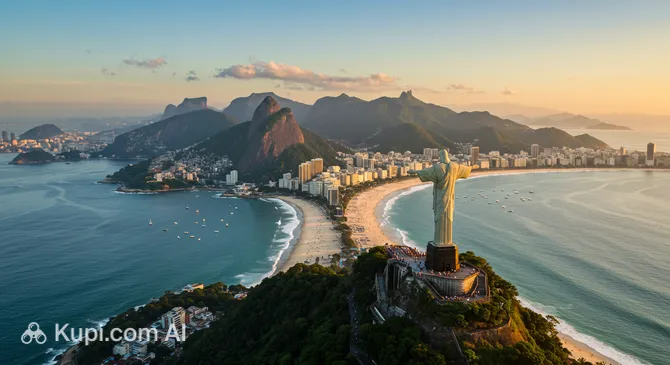
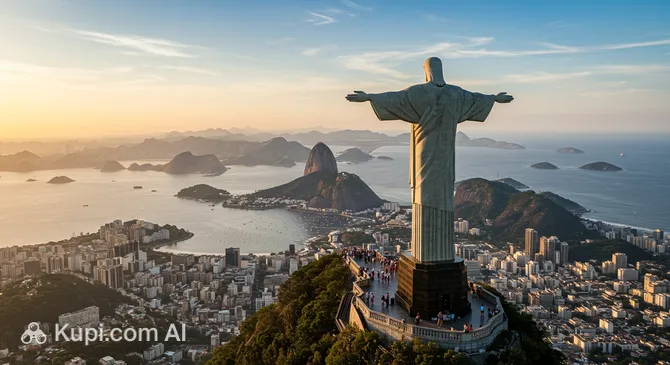
One of the most recognisable symbols not only of Rio de Janeiro but of all of Brazil is the statue of Christ the Redeemer. This majestic monument, rising on Corcovado Mountain, is striking in its size and the panoramic views it offers of the city, Guanabara Bay and Sugarloaf Mountain. A visit to this landmark will leave an unforgettable impression.

Christ the Redeemer. Source: Kupi.com Binoculars

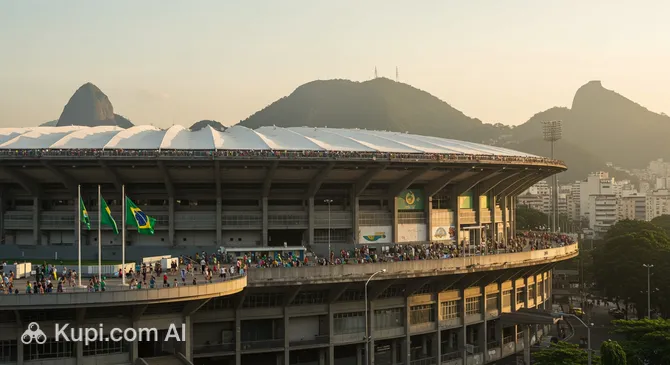
For fans of football and sporting history, a mandatory item on the agenda is the legendary Maracanã Stadium in Rio de Janeiro. This arena has witnessed numerous historic matches and records. Even if you are not an avid fan, a tour of the stadium will allow you to touch upon Brazil's football culture and feel its grand atmosphere.

Maracanã Stadium. Source: Kupi.com Binoculars

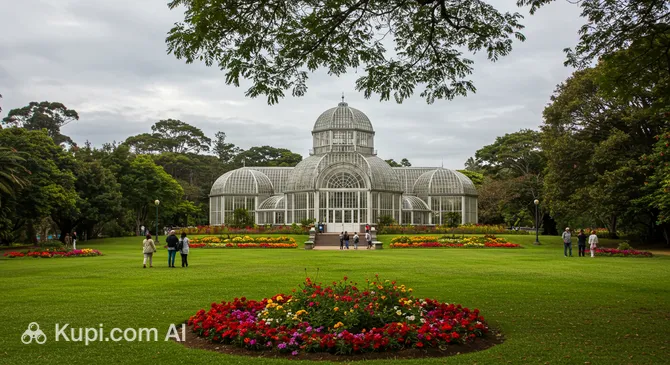
If you are looking for tranquillity and the beauty of nature, head to the Botanical Garden of Curitiba. This magnificent garden, modelled after French gardens, is famous for its elegant Art Nouveau-style greenhouse, which houses a collection of plants from the Atlantic Forest. A walk through its well-kept avenues and an acquaintance with the diversity of flora will be a real pleasure.

Botanical Garden of Curitiba. Source: Kupi.com Binoculars

Best Time to Visit

Brazil is a country of enormous size, and its climate varies greatly depending on the region and time of year. In general, the high season coincides with the Brazilian summer (from December to March), as well as July, which is when locals have their winter school holidays. During this period, the weather across most of the coast and in popular tourist centres, such as Rio de Janeiro, is typically hot and sunny, making it ideal for beach holidays and outdoor activities. However, be prepared for a large influx of tourists and, consequently, higher prices for accommodation and services.

The low season, or shoulder season, covers the periods from April to June and from August to November. At this time, there are significantly fewer tourists, and prices are more attractive. The weather can be milder and more comfortable for sightseeing, especially in the south of the country. A potential downside is the unpredictable weather in some regions; for example, this can be the rainy season in the Amazon, while the south may experience cooler days. The most significant event, which attracts millions of tourists and completely transforms the atmosphere, is the famous Brazilian Carnival, usually held in February or March. If your goal is to experience this spectacular event, you must plan your trip and book everything well in advance.

Given Brazil's diverse climatic zones—from equatorial in the north to subtropical in the south—it is highly recommended to check the weather conditions for the specific region you plan to visit. For instance, the country's northeast, including cities like Salvador, enjoys sunshine almost year-round, whereas the southern states can be quite cool in winter. When planning a trip to a country as diverse as Brazil, it is always useful to check the forecast and choose the time that best suits your goals, whether that is exploring the jungle, relaxing on the beach, or immersing yourself in the culture of its vibrant cities.

Traditions

Brazilians are known for their friendliness and openness. When meeting someone, a handshake with direct eye contact is common. Among friends and acquaintances, hugs and cheek kisses are customary, with the number of kisses varying by region. Hospitality is a vital part of the culture. If you are invited to a Brazilian home, a small gift such as flowers, chocolates, or a quality non-alcoholic beverage will be warmly appreciated. Brazilians are very expressive and often use gestures in conversation; however, be aware that the "OK" sign (a ring made with the thumb and index finger) is considered a rude and vulgar gesture in Brazil.

In daily life, the dress code in Brazil is generally relaxed, particularly in beach areas. However, when visiting churches and other religious sites, it is important to wear modest clothing that covers your shoulders and knees. At the dining table, cutlery is used for most dishes, even those that might be eaten by hand in other cultures. It is also polite to keep your hands visible above the table. To ensure positive interactions, it is best to avoid public displays of impatience or irritation, as this is considered impolite. While halal food is not yet widespread, it can be found in major cities like São Paulo and Rio de Janeiro, which have growing collections of halal-certified restaurants and Middle Eastern eateries. Prayer facilities can also be found in major airports and within the larger mosques in cities with significant Muslim populations. One of the country's most iconic cultural events is Carnival, a world-famous festival of music, dance, and vibrant parades that takes place annually in the weeks leading up to Easter.

By showing respect for local customs, friendliness, and a little patience, you will easily connect with Brazilians and have an immensely positive experience travelling through this amazing country. A smile and an open attitude will always help you build rapport and feel like a welcome guest.

Entertainment

Brazil is a country where everyone can find entertainment to suit their taste, from vibrant carnivals to tranquil relaxation in nature. Fans of active recreation can enjoy surfing on its famous beaches, diving in crystal-clear waters, or embarking on thrilling expeditions through the Amazon jungle. The country also offers ample opportunities for hiking and exploring unique ecosystems.

The cultural life in Brazil is rich and diverse, ranging from world-renowned music festivals and dance shows demonstrating samba and capoeira, to numerous museums, galleries, and theatres, especially in cities like Rio de Janeiro and Salvador. As evening falls, these cities come alive with a lively atmosphere, offering a wide array of restaurants and cafés where you can enjoy local cuisine to the sounds of live music. While Brazil is a major global exporter of halal-certified products, finding dedicated halal restaurants in cities can require some planning, but options are available, particularly those serving Middle Eastern cuisine.

For families, Brazil offers plenty of options, from visiting theme parks and water parks to discovering the incredible wildlife in its national parks and reserves. Shopping in Brazil is a pleasure in itself. Tourists often bring home famous Brazilian coffee, precious gemstones, leather goods, hammocks, and bright, handmade souvenirs. These can be found in colourful street markets as well as in modern shopping centres, which may offer prayer facilities for visitors.

Currency rates

Planning a trip? Excellent! To ensure the financial aspects of your journey don't come as a surprise, it's important to remember that currency exchange rates are constantly changing. The local currency in Brazil is the Brazilian Real (BRL). Therefore, we strongly advise you to monitor the latest exchange rates for the UAE Dirham (AED) to BRL both before you depart and throughout your trip. For this, you can use the data provided below—we monitor currency rates 24/7 and strive to provide the most up-to-date information.

BRL currency exchange rate as of 02.01.2026

1 AED
~ 1.49 BRL
69.66 AMD
~ 1 BRL
1 AUD
~ 3.65 BRL
1 AZN
~ 3.22 BRL
1 BYN
~ 1.86 BRL
1 CAD
~ 3.99 BRL
1 EUR
~ 6.43 BRL
1 GBP
~ 7.38 BRL
59.75 HUF
~ 1 BRL
16.43 INR
~ 1 BRL
15.97 KGS
~ 1 BRL
263.75 KRW
~ 1 BRL
92.66 KZT
~ 1 BRL
1 PLN
~ 1.53 BRL
14.40 RUB
~ 1 BRL
1 SAR
~ 1.46 BRL
1 SGD
~ 4.26 BRL
7.84 TRY
~ 1 BRL
7.72 UAH
~ 1 BRL
1 USD
~ 5.48 BRL
2193.81 UZS
~ 1 BRL

Reached the end of the page?

That means the route is fully explored