Support

Garanhuns

About

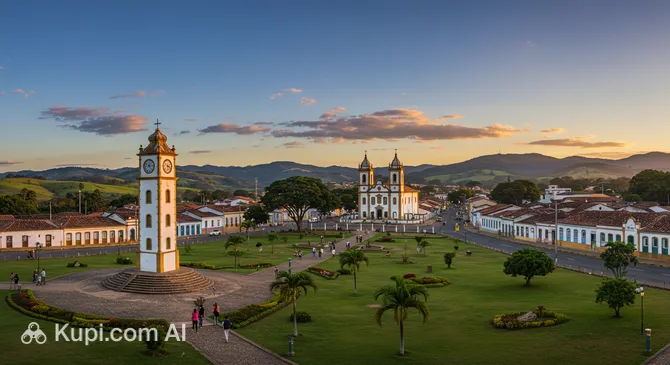
Nestled in the Agreste region of the state of Pernambuco, Garanhuns offers a refreshing escape from the tropical heat typically associated with Brazil. Known affectionately as the "City of Flowers" or the "Switzerland of Pernambuco," this charming municipality sits on the Borborema Plateau, providing a unique microclimate that attracts visitors year-round.

With a population of approximately 140,000 residents, the city combines the amenities of a growing urban center with a welcoming small-town atmosphere. Its elevation results in mild temperatures and cool evenings, a feature that distinctively shapes the local culture and lifestyle, making it a popular winter destination in the Northeast.

Garanhuns. Source: Kupi.Binoculars

Visitors interested in the history of Garanhuns will find a rich cultural tapestry woven into its architecture and festivals. The city is famous for its vibrant Winter Festival (Festival de Inverno), which is one of the largest art and culture events in the country. Another iconic landmark is the Relógio das Flores (Floral Clock), a beautiful testament to the city's botanical reputation that serves as a favorite spot for photography.

Whether you are strolling through the lush Parque Ruber van der Linden or enjoying the local chocolate and fondue, Garanhuns promises a delightful experience. It is a perfect destination for those seeking a romantic getaway or a cultural adventure in a scenic highland setting.

Weather Overview

Garanhuns is renowned for its mild and agreeable climate, which sets it apart from the intense tropical heat often found in the rest of the region. Due to its location on the Borborema Plateau, the weather in Garanhuns remains pleasant throughout the year, making it a refreshing destination for travelers.

During the warmest months of January and February, the average temperature stays around 24.5°C to 24.8°C, with daytime highs reaching approximately 29°C. As the year progresses into the winter season, particularly in July, the city cools down significantly. During this time, average temperatures drop to about 20.4°C, with nighttime lows frequently dipping to around 17.5°C, creating the perfect setting for the city's famous winter events.

Precipitation is a constant feature, though the frequency varies by season. The period from March to July sees the highest number of wet days, peaking at 20 days in June and July. In contrast, the months of October and November are notably drier, with only about 6 wet days recorded. Expect warm temperatures with moderate humidity early in the year, shifting to cooler, damper conditions with frequent light rain during the mid-year winter months.

Interesting Facts

Beyond its famous floral displays and winter festivities, Garanhuns holds several fascinating details that surprise many visitors. Here are some unique facts that highlight the city's distinct geography and rich cultural heritage.

  • The City of Seven Hills: Much like Rome or Lisbon, Garanhuns is built across seven distinct hills: Magano, Colinas, Ipiranga, Antas, Monte Sinai, Triunfo, and Quilombo. This unique topography contributes to the city's scenic viewpoints and winding streets.

  • Indigenous Origins: The name "Garanhuns" is widely believed to stem from the indigenous Tupi language, specifically the term "Guirá-Nhum." This translates roughly to "black birds," referring to a species that was once abundant in the region's dense forests.

  • Cristo do Magano: While Rio de Janeiro is famous for its Christ statue, Garanhuns features its own imposing monument, the Cristo do Magano. Standing at the city's highest point—approximately 1,030 meters above sea level—it offers one of the most spectacular panoramic views in the state of Pernambuco.

  • A Musical Legend: The city is the birthplace of Dominguinhos, one of Brazil's most legendary accordionists and composers. His legacy is deeply cherished here, cementing Garanhuns' reputation as a cradle of traditional Northeastern music and culture.

How to Get There

Reaching the "City of Flowers" requires a bit of travel planning, as Garanhuns is located inland on the Borborema Plateau and does not have its own commercial airport. Visitors typically fly into one of the major coastal capitals and complete the journey by road. For a comprehensive look at all transport options, including driving directions and bus schedules, you can check more about how to get to Garanhuns.

The closest facility in terms of straight-line distance is the Maceio-Zumbi dos Palmares International Airport (IATA: MCZ), located in the city of Maceio. It sits approximately 103 km away from Garanhuns. By taxi or car transfer, the trip usually takes around 3 hours, offering a scenic route from the coast up to the highlands. This airport serves a significant number of travelers and connects well with major Brazilian cities.

Another popular option, often chosen for its extensive flight connections, is the Guararapes-Gilberto Freyre International Airport (IATA: REC) in Recife. Although it is located about 193 km from Garanhuns, it is the largest hub in the region. The journey by road from Recife typically takes about 5 hours. Many tourists prefer this route due to the higher frequency of flights and the availability of direct bus lines connecting the airport and the capital to the interior.

For clarity, here is a summary of the main airports in the region:

Airport Name City Passenger Traffic Km from City
Guararapes-Gilberto Freyre International Airport Recife Large 192.7
Maceio-Zumbi dos Palmares International Airport Maceio Medium 103.4
Presidente Castro Pinto International Airport Joao Pessoa Medium 257.2
Aracaju Airport Aracaju Medium 239.9
Joao Suassuna Airport Campina Grande Small 191.1

Garanhuns does not have a passenger railway station, and train travel is not a common mode of transport for reaching the city. The most reliable way to arrive is by road, either renting a car or taking an intercity bus from the main bus terminals in Recife or Maceió. The roads leading up to the plateau are generally well-maintained, providing a smooth transition into the cooler climate of the Agreste region.

Main Attractions

Garanhuns offers a delightful mix of natural beauty, religious heritage, and unique architecture, making it a standout destination in the Pernambuco countryside. The city's attractions are perfect for leisurely strolls, photography, and enjoying the refreshing highland climate.

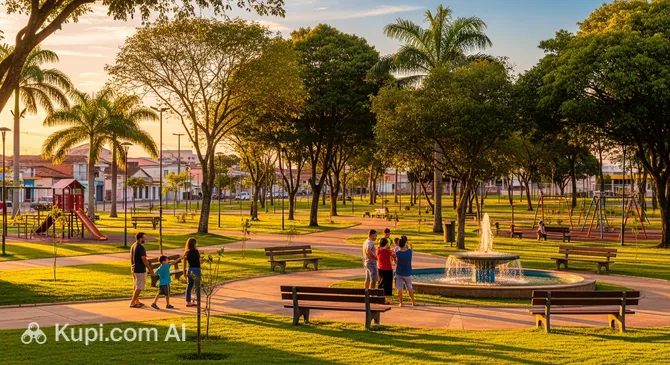
One of the most popular spots for both locals and tourists is Parque Euclides Dourado. This expansive park is surrounded by majestic eucalyptus trees that fill the air with a distinct, fresh scent. It serves as the main leisure center of the city, featuring walking trails, sports courts, and picnic areas. During July, the park transforms into the primary stage for the famous Winter Festival, bustling with music, art, and gastronomy.

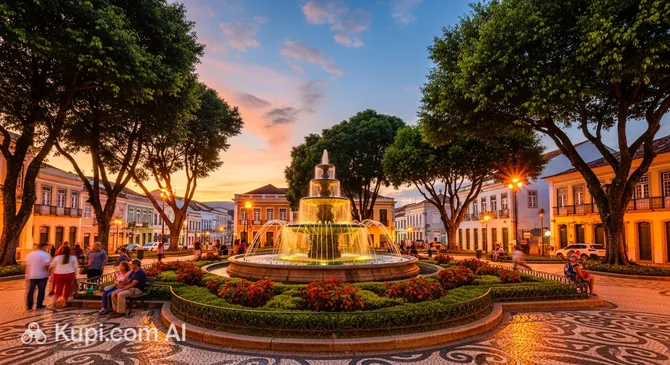
No visit to Garanhuns is complete without stopping at the Relógio das Flores (Floral Clock), located in Praça Tavares Correia. As the city's most iconic postcard, this functioning clock is adorned with vibrant, carefully arranged flowers that are replanted regularly to reflect the season. It is a favorite location for taking photos and enjoying the charming, well-kept gardens that surround the square.

For a moment of peace and spiritual reflection, the Santuário da Mãe Rainha is a must-see. Situated on a hill with a commanding view of the surrounding landscape, this sanctuary is a replica of the original chapel in Germany. Its manicured gardens and serene atmosphere attract pilgrims and visitors alike, offering a tranquil escape and a beautiful setting for watching the sunset.

Architecture enthusiasts will find the Castelo de João Capão to be a fascinating curiosity. Built over several decades by a local resident with a dream of living in a castle, this whimsical structure features towers, battlements, and colorful details. It stands as a testament to local creativity and perseverance, offering a unique contrast to the traditional colonial and modern buildings found elsewhere in the city.

Local Cuisine

The culinary scene in Garanhuns is a delightful reflection of its unique climate and cultural heritage. Known as the "Switzerland of Pernambuco" due to its mild temperatures and highland location, the city offers a gastronomic experience that stands out from the typical tropical fare of the Northeast. Here, the cool weather invites visitors to indulge in warm, hearty dishes that provide comfort and flavor in equal measure.

One of the most defining dining experiences in Garanhuns is fondue. Embracing the European-style atmosphere, many local restaurants specialize in this communal dish, which is perfect for the chilly evenings. Visitors can enjoy a variety of options, ranging from savory cheese and meat fondues served with artisanal breads and sauces to indulgent sweet versions featuring rich chocolate and fresh seasonal fruits like strawberries and grapes.

Despite the European influence, the city remains deeply rooted in Northeastern traditions. For a taste of authentic regional flavor, you must try the buchada de bode (a goat stew prepared with spices and herbs), which is a celebrated specialty in the Agreste region. Another staple is carne de sol (sun-dried beef) served with macaxeira (cassava) and bottled butter (manteiga de garrafa), offering a savory contrast to the lighter fare found on the coast.

When it comes to sweets, Garanhuns is famous for its artisanal chocolate. The city is home to local factories and shops that produce high-quality chocolates, making them a must-buy souvenir. During the winter months, a cup of creamy, spiced hot chocolate is the beverage of choice for both locals and tourists strolling through the city squares. It is the perfect non-alcoholic warmer to accompany a slice of bolo de rolo, the iconic guava-filled roll cake of Pernambuco.

For those seeking alcoholic beverages, the local climate fosters a strong appreciation for red wines. While not a massive producer compared to the south of the country, the city has a vibrant wine culture, with many establishments offering extensive lists to pair with heavy meals. Additionally, you can find locally produced liqueurs in flavors like jenipapo and passion fruit, often sold in small markets or artisanal fairs.

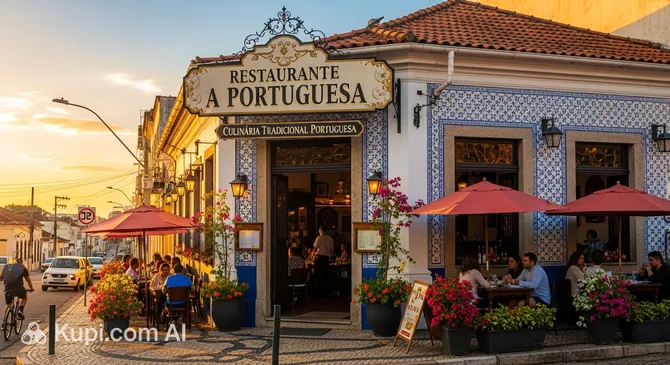
The food culture in Garanhuns is best experienced during the famous Winter Festival (Festival de Inverno), when the city transforms into a gastronomic hub. During this time, the streets are filled with food stalls and pop-up kitchens offering everything from gourmet street food to traditional tapioca. Outside of the festival season, the dining scene revolves around cozy bistros in the city center and lively public markets where you can taste fresh, locally sourced ingredients.

Travel Tips

Visiting Garanhuns is a unique experience in the Brazilian Northeast, offering a charming blend of highland culture and refreshingly cool weather. To ensure your trip to the "City of Flowers" is as smooth and enjoyable as possible, here are some practical tips to keep in mind before you pack your bags.

  1. Pack for the Cold: Unlike the coastal cities of Pernambuco, Garanhuns gets chilly, especially at night and during the winter months (June to August). Be sure to bring a warm jacket, sweaters, and perhaps a scarf. Comfortable walking shoes are also essential for navigating the city's seven hills.

  2. Getting Around: The city center is relatively compact and walkable, but for longer distances, local taxis and moto-táxis (motorcycle taxis) are popular, affordable, and widely available. Ride-hailing apps operate in the city, though wait times may be slightly longer than in major capitals.

  3. Currency and Cash: The official currency is the Brazilian Real (BRL). While credit and debit cards are widely accepted in hotels, restaurants, and shops, you will definitely need cash for street vendors, small snack bars, and the local artisan markets.

  4. Health and Safety: Garanhuns is generally safer than large metropolitan areas like Recife, but it is still wise to practice standard precautions. Avoid walking alone in unlit areas late at night and keep valuables secure. Pharmacies are plentiful in the downtown area if you need basic medication.

  5. Language Barrier: Portuguese is the primary language, and English is not widely spoken outside of major hotels or tourist information centers. It is highly recommended to download an offline translation app and learn basic phrases like "Obrigado" (Thank you) and "Com licença" (Excuse me).

  6. Local Etiquette: The people of the Agreste region are known for their warm hospitality. It is polite to greet shopkeepers and locals with a friendly "Bom dia" (Good morning) or "Boa tarde" (Good afternoon). A smile and a polite attitude are very well received here.

  7. What to Avoid: Do not underestimate the sun at this altitude; even if the air feels cool, the UV index can be high, so wear sunscreen. Also, avoid drinking tap water; stick to bottled or filtered water to prevent any stomach issues.

  8. Festival Planning: If you plan to visit during the famous Festival de Inverno (Winter Festival) in July, booking your accommodation months in advance is crucial. The city fills up quickly with tourists from all over Brazil, and last-minute options are often unavailable or very expensive.

With these tips in hand, you are ready to explore the enchanting streets and parks of Garanhuns with confidence. Embrace the cozy atmosphere, enjoy the local fondue, and have a wonderful time discovering this hidden gem of Pernambuco.

Entertainment & Nightlife

Nightlife in Garanhuns offers a refreshing departure from the typical tropical beach party vibe found elsewhere in the Northeast. Thanks to its cooler "Swiss-like" climate, the evening entertainment here leans towards cozy experiences, gastronomy, and live music venues where you can enjoy a glass of red wine or a craft beer without breaking a sweat. The atmosphere is generally welcoming and relaxed, with a mix of university students, couples, and tourists enjoying the mountain air.

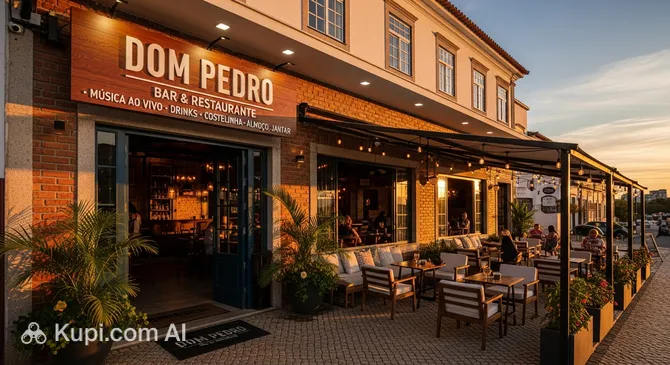
The heart of the city's social life beats strongest along Avenida Rui Barbosa. This bustling avenue serves as the main artery for dining and entertainment, lined with a variety of restaurants, bars, and pubs. It is the perfect place to start your evening with a stroll, as the area is well-lit and populated. On weekends, the energy here picks up significantly, with many venues hosting live bands playing everything from Brazilian MPB and pop rock to the region's beloved forró.

For those looking to experience the local bar scene, Cathedral Pub is a standout choice. Known for its rustic yet modern decor, it offers a wide selection of craft beers and cocktails, often accompanied by live music performances that range from rock to blues. Another popular spot is Dublin Pub, which brings an Irish touch to the Agreste. It is a favorite among the younger crowd for its alternative vibe, rock cover bands, and extensive drink menu, making it a lively place to spend a Friday night.

If you want to immerse yourself in authentic regional culture, you should look for venues like Vila do Forró. Dance is an integral part of life in Pernambuco, and these spots are where locals go to dance "pé de serra" (traditional forró) until the early hours. The crowd is energetic and friendly, and you don't need to be an expert dancer to enjoy the rhythm—though watching the locals spin across the floor is entertainment in itself.

Practical advice for a night out in Garanhuns includes dressing a bit warmer than you would for the coast; a light jacket or stylish sweater is often necessary and fits the "winter chic" dress code common in the city. Most bars and pubs start filling up around 9:00 PM. Prices are generally moderate and lower than in the state capital, Recife. For getting around, ride-hailing apps are available, but local moto-táxis (motorcycle taxis) are a quick and popular way to navigate the hills if you are traveling solo. For groups, regular taxis are readily available at main squares.

In terms of safety, Garanhuns is considered safer than major metropolitan centers, especially in the main tourist districts like Rui Barbosa and the city center. However, it is always wise to stick to well-lit areas and avoid walking alone on empty streets late at night. If you are staying further from the center, rely on a taxi or app-based ride to get back to your hotel safely.

While the nights are for music and dining, daytime entertainment in Garanhuns has its own charm. The city is home to cultural hubs like the Teatro Luiz Souto Dourado, which hosts plays and concerts, particularly during festival seasons. Visitors can also explore the local chocolate factories, which offer a sweet diversion before the sun goes down, or visit the bustling artisan markets to pick up local crafts.

Parks & Museums

As the "City of Flowers," Garanhuns takes great pride in its lush landscapes and carefully maintained green spaces. The city's high altitude not only provides a pleasant climate but also supports a variety of gardens and cultural venues that celebrate the region's unique history and artistic spirit.

Parque Ruber van der Linden, affectionately known by locals as "Pau Pombo," is a serene oasis located in the heart of the city. Unlike the larger and busier parks, this space offers a quiet, intimate atmosphere filled with colonial-style charm. It was originally the site of the city's water supply, and today, visitors can admire the preserved architecture, colorful flower beds, and towering trees that provide ample shade. It is an ideal spot for a peaceful afternoon walk or for reading a book amidst nature.

Another significant green area is the vast Parque Euclides Dourado, which serves as the city's primary recreational hub. While it is famous for its towering eucalyptus forest, the park also houses the municipal library and the Luiz Souto Dourado Theater. It is a place where nature meets culture; you can jog along the shaded paths in the morning and attend an art exhibition or a play in the evening, making it a dynamic part of local life.

For a deep dive into the city's artistic heritage, the Centro Cultural Alfredo Leite Cavalcanti is a must-visit. Housed in the beautifully restored former railway station, this venue is a landmark of Garanhuns' development in the 20th century. The center frequently hosts art exhibitions, photography displays, and theatrical performances, particularly during the Winter Festival. The architecture itself, with its classic railway features, offers a glimpse into the era when trains connected the highlands to the coast.

Religious history and art come together at the Seminário de São José. This imposing building is not only an architectural jewel but also a place of cultural significance. Visitors are often drawn to its peaceful corridors and the beautiful chapel. While primarily a religious institution, it reflects the deep spiritual roots of the region and stands as a monument to the city's educational and religious tradition.

For those interested in local craftsmanship, the Casa do Artesão functions as a gallery of regional talent. Here, you can view and purchase works by local artists, ranging from wood carvings and leather goods to intricate embroidery. It is an excellent place to understand the folk culture of the Agreste region and see how local traditions are preserved through art.

Insider Tip: If you visit Parque Ruber van der Linden, try to go in the late afternoon on a weekday. The golden hour light filtering through the old trees creates a magical atmosphere, perfect for photography, and you will likely have the place almost entirely to yourself.

Getting Around

Navigating Garanhuns is relatively straightforward, as the city does not have the complex transport networks found in large metropolises. There is no metro, tram, or train system available for passenger travel. Instead, the public transport infrastructure relies entirely on a network of municipal buses that connect the residential neighborhoods to the city center and major tourist attractions.

The local bus system is the most economical way to get around. These buses are easily identifiable and operate on fixed routes that cover the main avenues, including the busy Avenida Rui Barbosa. For tourists, the most relevant lines are those heading towards the main squares and parks. While the buses are generally reliable, they can get crowded during peak hours in the early morning and late afternoon.

Regarding payment, simplicity is key for visitors. While local residents may use electronic transport cards, the standard method for occasional travelers is cash. You pay the fare directly to the conductor or the driver upon boarding. The fare is affordable, typically costing a few Reais per ride. It is highly recommended to carry small change, as breaking large banknotes on the bus can be difficult.

Operating hours for buses generally run from approximately 5:00 AM to 10:00 PM. However, service frequency drops significantly on weekends and holidays. If you plan to stay out late enjoying the local nightlife, you should not rely on the bus to get back to your accommodation, as night services are very limited or non-existent.

A distinctive and very popular alternative in Garanhuns is the moto-táxi (motorcycle taxi). Due to the city's hilly topography—it is built on seven hills—these agile motorcycles are often faster and more practical than cars for short trips. Official drivers wear designated vests (usually yellow or orange) and are regulated by the city. This is a common way for locals to navigate the steep streets, and it offers a quick, breezy, and inexpensive ride.

For those preferring more comfort, standard taxis are widely available at designated stands, particularly near the bus terminal and central squares. Additionally, ride-sharing apps are active in the city and are a convenient option for tourists who prefer to pay via credit card through their phones. They are especially useful for visiting attractions located further from the center, such as the Cristo do Magano, where bus access may be less frequent.

Finally, the city center itself is quite compact, making walking a viable option for exploring the main shops, the Floral Clock, and nearby restaurants. However, be prepared for some physical exertion; the terrain is uneven, and walking between the hills can be tiring. Combining walking with short taxi or moto-táxi rides is often the best strategy for a comfortable visit.

Accommodation

Accommodation in Garanhuns caters to a diverse range of visitors, reflecting the city's status as a major tourist hub in the Pernambuco countryside. The options generally range from budget-friendly family-run guesthouses, known locally as pousadas, to mid-range hotels that offer modern amenities. While you will not find ultra-luxury international resort chains here, the city prides itself on cozy, hospitable establishments that align with its "Swiss-like" atmosphere, often featuring fireplaces and warm decor to match the cooler climate.

For those prioritizing convenience and nightlife, the neighborhood of Heliópolis is the most sought-after area. This district is home to the famous Avenida Rui Barbosa, where the city's best restaurants, bars, and cafes are located. Staying here means you are within walking distance of the evening entertainment and can easily access main transport routes. Alternatively, the City Center (Centro) is an excellent choice for travelers who want to be close to landmarks like the Floral Clock and the main commerce areas, offering a bustling atmosphere during the day.

A unique feature of the region is the presence of farm hotels (hotéis fazenda) located on the outskirts of the city. These establishments offer a rural experience where guests can enjoy contact with nature, horseback riding, and regional cuisine in a tranquil setting. They are particularly popular with families and couples seeking a romantic weekend getaway away from the urban noise, taking full advantage of the scenic Borborema Plateau.

Booking Tip: Timing is everything when planning a trip to Garanhuns. If you intend to visit during the famous Winter Festival (Festival de Inverno) in July, it is imperative to book your accommodation several months in advance. During this period, the city reaches full capacity, and finding a room at the last minute is nearly impossible.

Regarding costs, the price range varies significantly depending on the season. Throughout most of the year, accommodation is quite affordable and offers great value compared to coastal destinations. However, prices can double or triple during the winter peak season. Most established hotels and larger inns are bookable via major online travel platforms, but for smaller, more traditional guesthouses, contacting them directly can sometimes secure a better rate or a specific room request.

Nearby Cities

Garanhuns serves as a central hub in the Agreste region of Pernambuco, but the surrounding area is dotted with smaller towns that contribute to the rich cultural and economic tapestry of the interior. Exploring these neighboring municipalities offers visitors a chance to see more of the rural landscape and the daily life of the Brazilian Northeast, often just a short drive away.

The following table lists some of the closest cities to Garanhuns, including their population and distance from the city center:

City Population Distance (km)
Caetes 26,577 19
Lajedo 36,628 32
Canhotinho 24,521 33
Bom Conselho 45,503 37
Sao Bento do Una 53,242 41

Most of these locations are easily accessible by road, making them convenient options for day trips or brief stops for those traveling through the state of Pernambuco.

Shopping & Souvenirs

Shopping in Garanhuns offers a distinct experience compared to the rest of the Brazilian Northeast. While the coastal cities focus on beachwear and light fabrics, the "City of Flowers" is famous for its cool climate commerce. Visitors will find a delightful array of artisanal products, particularly food items like chocolates and liqueurs, as well as a robust market for winter clothing—a rarity in this tropical country.

The commercial heart of the city beats strongest in the Centro (Downtown) area, particularly along Avenida Santo Antônio. This bustling street is lined with a wide variety of shops ranging from popular Brazilian department stores to small local boutiques. It is the best place to find everyday items, footwear, and electronics. Walking down this avenue provides a true sense of the local daily life, with vendors and shoppers filling the sidewalks.

For a more concentrated shopping experience, Garanhuns does not rely on massive shopping complexes but rather on charming galleries and smaller centers. The Rui Barbosa Mall, located on the city's most famous avenue, offers a selection of clothing stores, services, and a food court. It serves as a convenient stop for those looking for a quick purchase or a place to relax indoors.

To immerse yourself in regional culture, a visit to the Mercado 18 de Agosto (18th of August Market) is essential. This traditional public market is a treasure trove of local goods. Here, you can find everything from leather sandals and straw hats to medicinal herbs and regional spices. It is also an excellent spot to purchase "carne de sol" (sun-dried beef) and local cheeses if you have the means to store them.

When it comes to souvenirs, artisanal chocolate is the undisputed star of Garanhuns. The city is home to traditional factories that produce high-quality chocolates, often sold in beautiful gift boxes. Another popular take-home item is winter apparel; due to the chilly evenings, many shops specialize in knits, scarves, and jackets. Additionally, locally produced fruit liqueurs and wines make for unique gifts that capture the flavor of the Pernambuco highlands.

Store opening hours in Garanhuns generally follow the standard Brazilian schedule. Street shops typically open from 8:00 AM to 6:00 PM on weekdays and until 1:00 PM on Saturdays. The shopping galleries and larger supermarkets may stay open until 10:00 PM. Credit and debit cards are widely accepted throughout the city, but it is advisable to carry some cash (Brazilian Reals) when visiting the public market or buying from street artisans.

Tourists should be aware that Brazil does not currently operate a standard Tax-Free shopping refund system for international visitors similar to those found in Europe. The price displayed on the tag is the final price you pay, inclusive of all local taxes.

Reached the end of the page?

That means the route is fully explored