Support

Caruaru

About

Caruaru is widely celebrated as the "Capital of Forró" and stands as a vibrant cultural beacon in the state of Pernambuco. This energetic city offers a deep dive into the artistic soul of Brazil, captivating visitors with its lively rhythms, colorful crafts, and warm hospitality. Situated in the Agreste region, a transitional zone between the lush coast and the semi-arid interior, Caruaru is home to approximately 347,000 residents who keep its rich traditions alive.

Caruaru. Source: Kupi.Binoculars

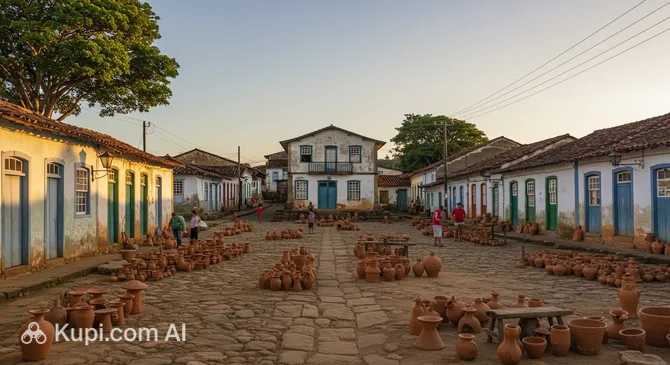
The city is renowned for the Feira de Caruaru, an immense open-air market recognized as Intangible Cultural Heritage, where you can find everything from leather goods to delicious regional food. Art lovers must visit the Alto do Moura, a district famous for its figurative clay pottery pioneered by the legendary Mestre Vitalino. Exploring the history of Caruaru reveals how these unique artistic expressions have shaped the city's identity over the years.

If you are planning a trip, consider visiting in June during the massive São João Festival, which is often cited as one of the largest street parties in the world. Whether you are there for the music, the masterful handicrafts, or the festive atmosphere, Caruaru promises an unforgettable experience full of authentic Northeastern charm.

Weather Overview

Caruaru enjoys a generally warm climate throughout the year, typical of the Pernambuco Agreste region. The temperatures remain pleasant for most of the year, with the warmest period occurring between November and February, when daily maximums can reach up to 30.0°C. During the cooler winter months from June to August, the weather becomes milder, with average temperatures dropping to around 21.7°C and minimums occasionally dipping to 18.4°C at night.

Rainfall patterns in the city are distinct, with the first half of the year seeing more frequent precipitation. March is typically the month with the most rainy days, recording up to 21 wet days, while October and November are significantly drier, often having fewer than 7 wet days. To pack appropriately for your visit, it is helpful to consult the detailed guide on the weather in Caruaru, especially if you plan to attend the outdoor festivals in June.

Interesting Facts

Beyond the bustling markets and vibrant festivals, Caruaru holds fascinating stories and unique traditions that often surprise visitors. Here are some intriguing facts about the "Capital of Forró" that add depth to its colorful character:
  • Caruaru is famous for its "Giant Foods" tradition during the June festivals, where locals prepare colossal versions of regional dishes. You might encounter the world's largest couscous, popcorn, or pé-de-moleque, which are paraded through the streets and shared with thousands of revelers.

  • The artistic district of Alto do Moura is not just a local hub but has been recognized by UNESCO as the Largest Center of Figurative Arts in the Americas. This title honors the legacy of Mestre Vitalino, whose clay sculptures portrayed the everyday life of the Northeastern people and put the city on the global cultural map.

  • For the most spectacular panoramic view of the region, visitors can climb Mount Bom Jesus. Standing at approximately 630 meters, it is one of the highest points in the area and features a charming chapel at the summit, serving as both a scenic lookout and a place of pilgrimage.

  • The city's urban development began around a small chapel dedicated to Our Lady of the Conception, which is now marked as the Ground Zero of Caruaru. This historical spot signifies the transformation of a simple cattle farm into one of the most important economic hubs in the interior of Pernambuco.

Mount Bom Jesus. Source: Kupi.Binoculars

How to Get There

Reaching Caruaru is the first step toward experiencing the vibrant culture of Pernambuco's interior. While the city does not have its own major commercial airport for scheduled passenger flights, it is well-connected by road to several state capitals. You can find more about how to get to Caruaru and choose the route that best fits your travel itinerary.

The most common entry point for international and domestic travelers is the Guararapes-Gilberto Freyre International Airport (IATA: REC), located in the state capital, Recife. As a major regional hub handling millions of passengers, it offers numerous flight connections. Since the airport is in Recife, approximately 117 km from Caruaru, you will need to complete your journey by land. A trip by taxi or bus from the airport typically takes around 3 hours and 15 minutes via the BR-232 highway, which is generally in good condition.

Another viable option is the Joao Suassuna Airport (IATA: CPV) in the city of Campina Grande. It is geographically the closest airport, situated about 112 km away, though it serves a smaller volume of travelers compared to Recife. The drive from Campina Grande to Caruaru takes roughly 3 hours. Alternatively, you might consider the Maceio-Zumbi dos Palmares International Airport (IATA: MCZ) in Maceio. Located about 137 km from Caruaru, the transfer from this airport takes approximately 3 hours and 45 minutes by road.

For clarity, here is a summary of the main airports serving the region:

Airport Name City Passenger Traffic Km from City
Guararapes-Gilberto Freyre International Airport Recife High 116.8
Maceio-Zumbi dos Palmares International Airport Maceio Medium 137.3
Governador Aluízio Alves International Airport Natal Medium 285.7
Presidente Castro Pinto International Airport Joao Pessoa Medium 168.5
Joao Suassuna Airport Campina Grande Low 112.3

Main Attractions

While Caruaru is famous for its markets and festivals, the city also boasts a variety of other attractions ranging from historical landmarks to modern leisure centers. Exploring these sites provides a well-rounded view of daily life and culture in this dynamic Pernambuco city.

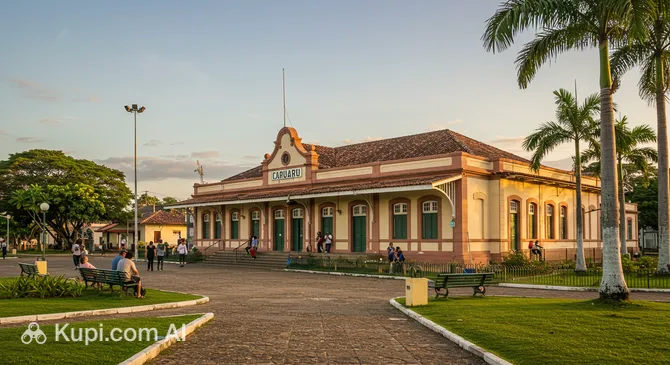
One of the city's architectural landmarks is the Caruaru Railway Station. Historically significant, this station marks the arrival of the railroad, which was crucial for the city's economic growth in the past. Today, it stands as a symbol of the region's development and serves as a cultural space, often integrated into the city's vibrant artistic events and preserving the memory of the railway era.

Caruaru Railway Station. Source: Kupi.Binoculars

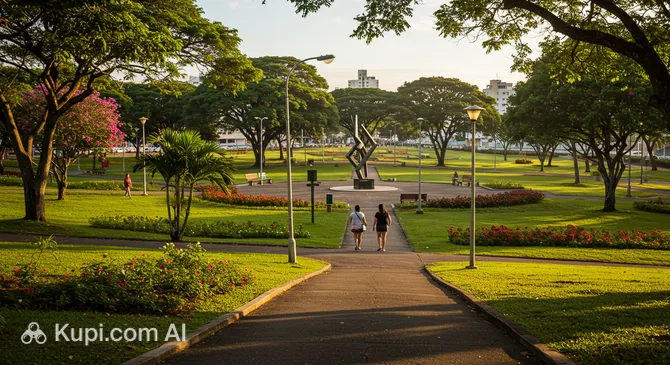
For those seeking a break from the urban bustle, the Severino Montenegro Environmental Municipal Park offers a refreshing green sanctuary. It is an excellent spot for walking, jogging, or simply enjoying nature within the city limits. The park features well-maintained paths and showcases examples of the local flora, making it a peaceful retreat for families and nature enthusiasts looking to relax.

Visitors looking for modern conveniences and entertainment can head to Caruaru Shopping. As a major commercial hub in the region, it provides a wide variety of retail stores, a food court with diverse dining options, and cinema facilities. It is a popular destination for both locals and tourists who want to shop for national brands or enjoy a comfortable indoor atmosphere away from the heat.

Caruaru Shopping. Source: Kupi.Binoculars

Families traveling with children might enjoy a visit to the San Francisco Amusement Park. This attraction offers a range of classic rides and entertainment options suitable for different ages. It provides a lively atmosphere where visitors can unwind and have fun after a day of exploring the city's cultural sites.

Local Cuisine

The culinary scene in Caruaru is a flavorful journey into the heart of the Brazilian Northeast, specifically reflecting the traditions of the Agreste and Sertão regions. The local cuisine is robust, rustic, and incredibly satisfying, with a heavy emphasis on sun-dried meats, goat dishes, and indigenous ingredients like cassava and corn. For any visitor, trying Carne de Sol (sun-dried salted beef) served with manteiga de garrafa (clarified bottled butter) and green beans is an absolute must.

One of the city's most iconic specialties is goat meat, prepared in various ways. The most adventurous foodies should try Buchada de Bode, a rich stew made from goat entrails seasoned with herbs and cooked inside the animal's stomach. If that sounds too daring, roasted goat leg is a widely available and delicious alternative. These heavy meals are often accompanied by Cuscuz (steamed cornmeal), which is a staple of the local diet, eaten at breakfast, dinner, or as a side dish.

Street food plays a massive role in Caruaru's food culture, particularly at the famous open-air markets. Here, you can snack on Tapioca pancakes filled with coalho cheese and coconut, or enjoy a skewer of roasted cheese sprinkled with oregano. For dessert, do not miss the Bolo de Rolo, a delicate roll cake made of thin layers of dough and melted guava paste, recognized as a cultural heritage of Pernambuco.

When it comes to drinks, the region is known for its high-quality Cachaça (sugarcane spirit). You will find it served neat or in refreshing Caipirinhas mixed with tropical fruits like cajá, graviola, or umbu. These fruit juices are also delicious on their own as non-alcoholic refreshers to combat the midday heat.

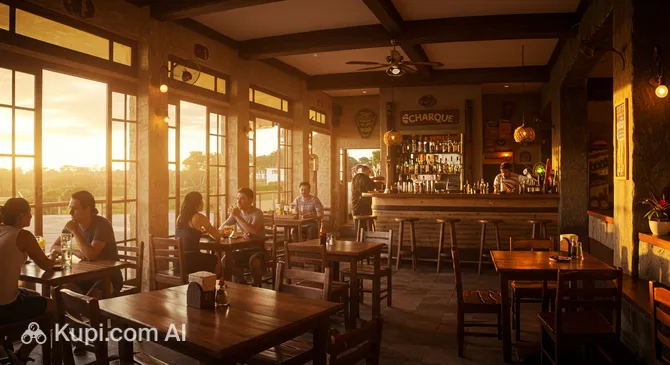
Dining in Caruaru ranges from lively market stalls to specialized regional restaurants. To experience the city's namesake dried meat dishes in a welcoming atmosphere, you might visit Charque Bar and Restaurant, which focuses on traditional preparations. Another local favorite habit is enjoying a warm cup of broth, or caldinho, often served as an appetizer before a meal or during a night out. A popular spot to sample these savory soups is Point do Caldinho, where you can mingle with locals and enjoy the laid-back vibe.

Charque Bar and Restaurant. Source: Kupi.Binoculars

Travel Tips

Preparing for a trip to the vibrant heart of Pernambuco requires just a bit of local know-how to ensure a smooth experience. To help you navigate the "Capital of Forró" with ease and confidence, here are some practical tips covering everything from what to pack to how to get around.

  1. Clothing and Gear: The climate in Caruaru is generally hot and semi-arid, so pack lightweight, breathable fabrics like cotton or linen. A good hat, sunglasses, and high-SPF sunscreen are essential for protecting yourself against the strong sun. Since you will likely do a lot of walking, especially at the massive open-air market, bring very comfortable closed-toe shoes. If you are visiting during the São João festival in June, be aware that evenings can get breezy and cooler, so packing a light jacket or cardigan is a smart move.
  2. Transportation: While there is a public bus system, it can be crowded and somewhat confusing for first-time visitors. The most convenient and safe way to explore the city is by using ride-hailing apps like Uber or 99, which are widely available and affordable. Taxis are also easy to find at designated stands. Renting a car gives you freedom to explore the surrounding region, but be prepared for heavy traffic in the city center, particularly on market days (fair days).
  3. Finances: The official currency is the Brazilian Real (BRL). While credit and debit cards are widely accepted in hotels, shopping malls, and restaurants, cash is absolute king at the Feira de Caruaru. Many artisans and small food stall vendors do not accept cards, or internet signals for machines may be weak. Withdraw cash from ATMs located in banks or shopping centers rather than on the street. Tipping around 10% is standard in restaurants if it is not already included in the bill.
  4. Health and Safety: Pharmacies are plentiful throughout the city, with major chains like Drogasil or Pague Menos often open late. As in any busy Brazilian city, stay vigilant with your belongings. When visiting crowded areas like the market or during festivals, carry your backpack on your front and avoid wearing flashy jewelry or displaying expensive electronics. Stick to bottled water for drinking to avoid stomach issues.
  5. Communication: Portuguese is the primary language, and English is not widely spoken outside of major hotels or by tour guides. It is highly recommended to download a translation app for offline use or learn a few basic phrases like "Obrigado" (Thank you) and "Quanto custa?" (How much?). You can purchase a local SIM card at pharmacies or newsstands to stay connected, which is helpful for maps and translation.
  6. Local Etiquette: The people of Pernambuco are known for their warmth and hospitality. A friendly greeting like "Bom dia" (Good morning) or a thumbs-up gesture goes a long way. When browsing items at the craft market, it is polite to ask permission before taking close-up photos of an artisan's work or their stall. Bargaining is common in the market, but do it respectfully and with a smile.
  7. What to Avoid: Avoid walking alone in deserted areas at night, especially away from the main avenues or the tourist center. Also, try not to rely solely on large bills (like 100 or 50 Reais notes) for small purchases at the market, as vendors often struggle to make change for high-value notes early in the day.
  8. Market Insight: To get the best experience at the Feira de Caruaru, arrive early in the morning, around 8:00 AM. The temperatures are cooler, the crowds are thinner, and you will have the first pick of the unique leather goods, pottery, and lace before the midday rush begins.

By keeping these practical tips in mind, you will be well-equipped to immerse yourself in the lively culture and traditions of Caruaru. Whether you are haggling for clay pottery or dancing to the rhythm of forró, a little preparation ensures your visit will be as enjoyable and hassle-free as possible.

Entertainment & Nightlife

As the sun sets over the Agreste region, Caruaru transforms from a bustling trade hub into a lively center of entertainment. True to its title as the "Capital of Forró," the city's nightlife is heavily influenced by music and dance. While you won't find the massive electronic clubs typical of coastal metropolises, the evening scene here is vibrant, warm, and centered around socializing in open-air bars, pubs, and venues that celebrate local culture.

The heart of the action is often found along Avenida Agamenon Magalhães. This major thoroughfare is lined with restaurants, bars, and kiosks that come alive after dark. It is a favorite spot for locals to gather, enjoy happy hour, and watch the world go by. The atmosphere is generally casual and relaxed; there is rarely a strict dress code, so comfortable jeans and a nice top are perfectly suitable for almost any venue in town.

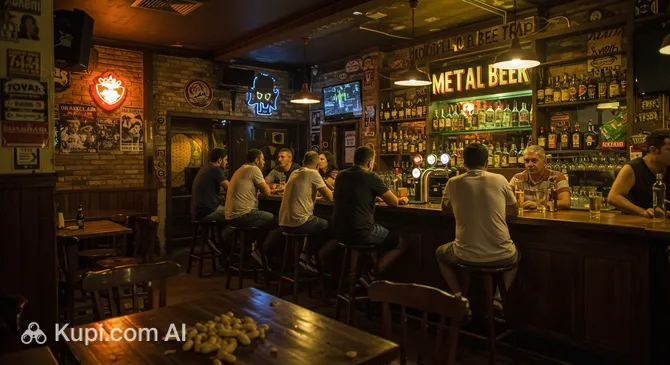
For those looking to enjoy a drink in a distinct setting, Metal Beer is a notable option. As the name suggests, it caters to a crowd that appreciates a different vibe from the traditional forró, often featuring rock music and a wide selection of beverages. It is a great place to mingle with the local alternative scene and enjoy a cold beer in a spirited environment.

Metal Beer. Source: Kupi.Binoculars

If you prefer a more comprehensive entertainment experience that combines dining, shopping, and leisure, Difusora Shopping is a major nightlife anchor. Located centrally, it offers a safe and air-conditioned environment with a modern cinema complex and a variety of dining options in its food court. It is a popular destination for families and groups of friends starting their evening before heading out to other spots.

Difusora Shopping. Source: Kupi.Binoculars

For a taste of the local bohemian lifestyle, you might revisit Point do Caldinho (previously mentioned for its cuisine), which remains a bustling meeting point well into the night. It is common for nightlife in Caruaru to start late, with bars filling up around 9:00 PM or 10:00 PM, especially on weekends. Prices are generally affordable compared to Brazil's larger capitals, allowing you to enjoy a full night out without breaking the bank.

Regarding safety, Caruaru is a busy city, and visitors should exercise standard urban precautions. It is advisable to stick to well-lit, populated areas like the main avenues and shopping centers. Avoid walking alone in quiet streets late at night. The best way to get around after dark is by using ride-hailing apps or calling a registered taxi, which ensures a safe door-to-door service.

While the nights are for socializing, the city offers plenty of daytime entertainment as well. Culture enthusiasts should explore the local museums dedicated to clay art and folklore in the Alto do Moura district. For families or those seeking lighthearted fun, the San Francisco Amusement Park provides classic rides and a festive atmosphere that perfectly complements the city's energetic spirit.

Parks & Museums

Caruaru offers a delightful mix of natural beauty and cultural depth that goes far beyond its famous markets. For visitors seeking tranquility or a deeper understanding of the region's heritage, the city presents a variety of green spaces and museums that perfectly capture the spirit of the Agreste.

For nature lovers, the Parque Natural Municipal Professor João Vasconcelos Sobrinho, commonly known as Serra dos Cavalos, is an unmissable gem. Located in the rural area of Murici, this ecological reserve protects a rare remnant of the Atlantic Forest within the semi-arid region. It features trails leading to refreshing waterfalls and viewpoints that offer breathtaking panoramas of the landscape. It is an ideal spot for hiking, birdwatching, and experiencing the unique "brejo de altitude" climate, which is noticeably cooler than the city center.

Within the urban area, the Severino Montenegro Environmental Municipal Park serves as a favorite green lung for locals. This well-maintained space is perfect for a morning jog or a leisurely afternoon walk, offering a peaceful escape from the bustling city streets. With its native vegetation and calm atmosphere, it provides a lovely setting for families and visitors to relax and reconnect with nature without leaving the city limits.

Severino Montenegro Environmental Municipal Park. Source: Kupi.Binoculars

Caruaru's cultural landscape is equally impressive, with museums that celebrate its artistic soul. The Museu do Barro (Clay Museum), located in the Espaço Cultural Tancredo Neves, is a must-visit. It houses a vast collection of ceramic art, including original pieces by the legendary Mestre Vitalino and other artisans from Alto do Moura. Sharing the same complex is the Museu do Forró Luiz Gonzaga, dedicated to the "King of Baião." Here, visitors can admire accordions, costumes, and records that tell the history of the musical genre that defines the region's identity.

For a more intimate look at the roots of this artistic tradition, a trip to the Casa-Museu Mestre Vitalino in the Alto do Moura district is essential. This humble residence, where the master craftsman lived and worked, has been preserved to showcase his personal objects and tools. It offers a touching insight into the life of the man who elevated everyday Northeastern life to the status of high art.

Exploring the city's history further leads to the Ground Zero of Caruaru. This site marks the historical beginning of the city, centered around the Church of Nossa Senhora da Conceição. It is a significant landmark that connects the modern city with its origins as a small cattle farm settlement, offering a moment of reflection amidst the urban activity.

Ground Zero of Caruaru. Source: Kupi.Binoculars

Another key historical site is the Caruaru Railway Station. Once the lifeline of commerce and transport, the station is now a cultural heritage site that hosts various artistic events. Its architecture evokes the nostalgia of the railway era and stands as a testament to the city's economic development over the decades.

Insider Tip: If you plan to hike in Serra dos Cavalos, try to go early in the morning to catch the mist rising over the hills—a magical sight in the dry Agreste. Also, when visiting the museums in Alto do Moura, take time to chat with the local artisans in their nearby workshops; many are descendants of the original masters and are happy to share stories behind their unique clay creations.

Getting Around

Public transport in Caruaru primarily relies on a network of urban buses that connect the city center to various neighborhoods and outlying districts. There is no metro or tram system in the city; instead, the bus fleet serves as the backbone of daily commuting. The system is managed by local associations, and the buses are generally recognizable by their color-coded routes, although the destination is always clearly displayed on the front marquee.

For payment, the city utilizes an electronic ticketing system known as the Leva Card (or Cartão Leva). While this card provides a convenient way for residents to pay fares and transfer between lines, it is not strictly necessary for short-term visitors. Tourists can pay the fare directly in cash to the conductor or driver upon boarding. The ticket price is affordable, typically costing around a few Reais per trip. It is highly recommended to carry small change, as breaking large bills on the bus can be difficult.

A distinctive and very popular mode of transport in Caruaru is the mototaxi. You will see these motorcycle taxis everywhere, weaving through traffic to provide a fast and inexpensive way to get around. Official drivers wear numbered vests (usually yellow or orange) and helmets, and the service is regulated by the local transit authority. This is a practical option for solo travelers who need to reach a destination quickly, though it is less suitable for those with luggage or families.

For those who prefer more comfort or are traveling in groups, ride-hailing apps like Uber and 99 are widely available and extremely popular in the city. They offer a safe, air-conditioned alternative to public buses and are often easier for tourists to use since there is no language barrier regarding directions or payment. Traditional taxis are also plentiful, particularly near the bus station (Rodoviária), shopping malls, and major hotel clusters.

When using the bus system, keep in mind that service frequency decreases significantly after 10:00 PM and on Sundays. Most bus lines converge in the city center, making it the easiest place to catch a ride. If you choose to use the bus, you can usually buy credits or the Leva Card at the AETPC (Public Transport Companies Association) headquarters or designated sales points, but for a stay of only a few days, sticking to cash or ride-sharing apps is generally more convenient.

Accommodation

Where to Stay:

Accommodation in Caruaru caters primarily to practical travelers, offering a range of options from budget-friendly hostels to comfortable mid-range hotels. While the city does not feature many ultra-luxury international resorts, visitors will find a good selection of modern business hotels, charming local inns (known as pousadas), and functional apartment rentals. The hospitality here is warm and welcoming, reflecting the general spirit of the Pernambuco interior.

When choosing where to stay, location is key depending on your travel goals. The City Center (Centro) is the most convenient area if you want to be within walking distance of the bustling commerce and the famous open-air market. However, for those seeking a more modern and quieter environment, the neighborhoods of Maurício de Nassau and Indianópolis are highly recommended. These areas are home to the city's major commercial hubs, such as Caruaru Shopping and Difusora Shopping, offering easy access to dining, cinemas, and safer evening strolls.

For a more culturally immersive experience, some tourists prefer looking for guesthouses near Alto do Moura. Staying in this artistic district allows you to wake up surrounded by the clay art studios and the rich history of the region's folklore, although it is a bit further removed from the central urban amenities.

Booking Tip: If you plan to visit during the São João Festival in June, booking your accommodation months in advance is absolutely critical. During this period, the city receives millions of visitors, and hotels fill up almost instantly. Prices can also triple during the festivities, so securing your reservation early ensures you have a place to stay without breaking the bank.

In terms of pricing, Caruaru is generally affordable compared to Brazil's coastal capitals. Outside of the June peak season, you can find excellent value for money in well-rated mid-range hotels. Most establishments are listed on major online booking platforms, making it easy to compare prices and amenities. For smaller family-run pousadas, contacting them directly can sometimes yield a better rate or a more personalized service.

Nearby Cities

For those looking to explore the surroundings, Caruaru serves as an excellent base for day trips to several interesting nearby locations:

Just a short drive away lies Bezerros, a cultural gem famous for its unique Carnival tradition featuring the "Papangus"—colorful, masked revelers who parade through the streets. The town is also celebrated as the home of J. Borges, one of Brazil's most renowned woodcut artists, making it a must-visit destination for art enthusiasts and those interested in Northeastern folklore.

Another favorite getaway is Gravatá, often referred to as the "Switzerland of Pernambuco" due to its milder climate and charming alpine-style architecture. Located in the Borborema Plateau, it attracts visitors with its rich gastronomy, including fondue and traditional chocolates, as well as its high-quality furniture shops and flower cultivation.

For theater lovers, Brejo da Madre de Deus offers a spectacular attraction: the Nova Jerusalém theater. It is the largest open-air theater in the world and hosts the famous Passion of Christ reenactment every year, drawing crowds to its immense walled city set.

City Population Distance (km)
Santa Cruz do Capibaribe 87,582 45
Gravatá 76,458 45
Belo Jardim 72,432 50
Bezerros 58,668 25
Brejo da Madre de Deus 45,180 47

These nearby destinations offer a glimpse into the diverse culture and landscapes of the region, ranging from artistic heritage to scenic mountain retreats.

Shopping & Souvenirs

Shopping in Caruaru is an adventure in itself, reflecting the city's status as a major commercial hub in the Brazilian Northeast. The city is famous throughout the country for its vibrant trade, particularly in textiles, clothing, and handicrafts. Whether you are looking for affordable fashion, unique artisanal pieces, or modern retail brands, the diverse shopping scene caters to all tastes and budgets, making it a primary activity for many visitors.

The beating heart of the city's commerce is the Parque 18 de Maio. This immense complex is where the magic of Caruaru's trade happens. It encompasses several specialized sectors, including the famous Craft Fair and the bustling clothing markets. For a more traditional high-street experience, the streets surrounding the park and the city center, such as Rua 15 de Novembro, are lined with footwear stores, fabric shops, and variety stores that bustle with activity during the day.

For those who prefer the comfort and convenience of modern retail centers, the city offers excellent options. Caruaru Shopping is the largest mall in the region, featuring a vast array of national and international brands, a large food court, and entertainment facilities. Another popular destination is Difusora Shopping, located closer to the city center. It provides a sophisticated environment with a good mix of fashion boutiques, technology stores, and leisure options, making it a favorite meeting point for locals.

No trip to the city is complete without exploring the legendary Feira de Caruaru. Recognized as a Brazilian Cultural Heritage, this open-air market is one of the largest in the country. It is divided into specific areas, such as the "Feira de Artesanato" (Craft Fair), where you can find leather goods, straw baskets, and pottery. There is also the "Feira da Sulanca," a massive wholesale clothing market that attracts buyers from all over Brazil looking for low-cost garments. The energy here is contagious, and the sheer variety of products is overwhelming in the best possible way.

When it comes to souvenirs, Caruaru offers treasures you won't find anywhere else. The most iconic items are the figurative clay sculptures inspired by Mestre Vitalino, which depict everyday life in the Northeast. These can be found in the craft market or directly from artisans in the Alto do Moura district. Other excellent keepsakes include high-quality leather sandals and hats (typical of the cangaço style), intricate lace and embroidery, and literatura de cordel—small booklets containing illustrated folk poetry.

Store opening hours vary depending on the location. Street shops typically operate from 8:00 AM to 6:00 PM on weekdays and close around 1:00 PM on Saturdays. The shopping malls usually open from 10:00 AM to 10:00 PM daily, with reduced hours on Sundays. The fairs have their own dynamic; the Craft Fair is generally open daily, but the clothing fairs often start very early in the morning on specific days of the week. Regarding payment, credit and debit cards are widely accepted in malls and established shops. However, cash is absolutely essential for the street markets and fairs, where many vendors do not accept cards or where bargaining is part of the culture.

Tourists should be aware that Brazil does not typically offer a Value Added Tax (VAT) refund system for international visitors. The price you see on the tag is the final price, and tax-free shopping is not a standard feature in Caruaru or the rest of the country. Focus instead on the naturally low prices found at the markets, where the value for money is often exceptional even without tax rebates.

Reached the end of the page?

That means the route is fully explored