Support

Lajes

About

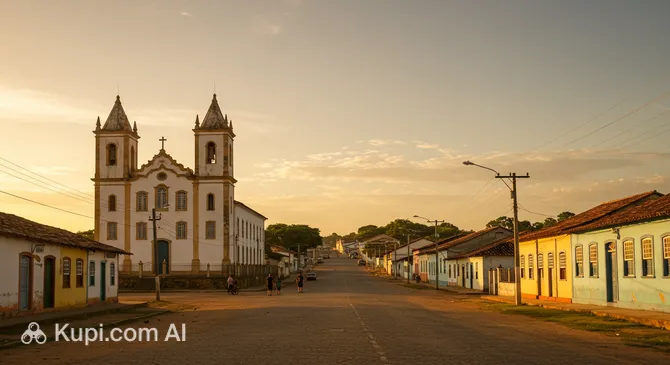
Welcome to Lajes, a fascinating municipality situated in the state of Rio Grande do Norte. Known for its distinct landscape and warm hospitality, this town serves as a gateway to the stunning interior regions of Brazil. Lajes is characterized by its semi-arid climate and the rugged beauty of the Caatinga biome, offering visitors a unique perspective on the country's diverse geography.

Lajes. Source: Kupi.Binoculars

The history of Lajes is deeply intertwined with the development of the region, evolving from early settlements to become a significant local hub. The town preserves its cultural heritage through local traditions and the enduring spirit of its people. One of the most prominent features near the city is the majestic Pico do Cabugi, an extinct volcano that stands as one of the few preserving its original form in the country. This natural landmark is a magnet for hikers and nature enthusiasts seeking panoramic views and adventure.

Beyond its geological wonders, Lajes offers a tranquil atmosphere perfect for travelers looking to escape the hustle and bustle of major cities. Whether you are admiring the stark beauty of the surrounding plains or exploring the local community, Lajes invites you to experience the authentic charm of the Potiguar hinterland.

Weather Overview

The climate in Lajes is generally warm and inviting, characteristic of the semi-arid Potiguar region. Temperatures remain relatively high throughout the year, making it a great destination for those who enjoy the heat. To help you pack the right gear for your trip, it is useful to review the weather in Lajes before you go. The hottest period typically spans from November to January, where average temperatures hover around 27°C and daily highs often exceed 32°C.

Rainfall patterns in the municipality vary significantly depending on the season. The first half of the year, particularly March and April, tends to be the wettest, with March seeing up to 19 wet days. Conversely, the second half of the year is much drier; usually, from August to November, precipitation is scarce, and you might experience months with almost no rain at all. Even during the cooler month of July, the weather remains comfortable with lows averaging around 19.5°C.

Expect consistently warm temperatures year-round with frequent showers in the early months and dry, sunny conditions dominating the second half of the year.

Interesting Facts

Beyond the main attractions, Lajes holds many fascinating secrets that highlight its historical and geological importance. From pioneering political milestones to ancient volcanic mysteries, the city offers unique stories for the curious traveler.

  • A Pioneer for Women's Rights: Lajes holds a distinguished place in history as the municipality that elected the first female mayor in all of Latin America. In 1928, Alzira Soriano won the local election with 60% of the votes, taking office long before women's suffrage was fully established in many nations.

  • The Perfect Volcano: The region is famous for Pico do Cabugi, an extinct volcano that is widely considered the only one in Brazil to preserve its original conical form. Rising majestically from the flat semi-arid landscape, this geological formation is actually a volcanic plug that solidified millions of years ago.

  • The "Real" Discovery Site: An intriguing historical theory suggests that Pico do Cabugi, not Monte Pascoal in Bahia, was the first land sighted by the Portuguese fleet in 1500. Some researchers argue that ocean currents and navigation logs point to this distinct peak as the true landmark of the discovery of the country.

  • A Name Set in Stone: The name "Lajes" translates to "flagstones" or "slabs," referencing the flat rock formations abundant in the local riverbeds. For a brief period in the 1940s, the town was officially renamed Itaretama, a Tupi word meaning "Region of Stones," before reverting to its original name.

How to Get There

Reaching this destination in the Rio Grande do Norte interior is an adventure that typically begins with a flight to one of the major regional hubs, followed by a scenic drive. For a comprehensive overview of travel options and routes, you can read more about how to get to Lajes in our detailed guide. Since the municipality does not have its own airport, visitors rely on terminals in neighboring cities to access the region.

The most convenient entry point is Governador Aluízio Alves International Airport (NAT), located in the state capital, Natal. Situated approximately 97 km from Lajes, this modern facility handles the majority of traffic into the area. From here, a taxi or rental car journey takes about 2 hours and 45 minutes. As a major international hub, it offers a wide range of connections and services, making it the primary choice for most travelers heading to Lajes.

Another option, though further away, is Joao Suassuna Airport (CPV) in Campina Grande. It is located about 178 km from Lajes, with a travel time of roughly 4 hours and 50 minutes by road. While smaller and serving mostly regional flights, it can be a viable alternative depending on your itinerary. Travelers might also consider Presidente Castro Pinto International Airport (JPA) in Joao Pessoa, roughly 215 km away, which serves as another significant gateway to the northeast of Brazil.

For clarity, here is a summary of the main airports:

Airport Name City Passenger Traffic Km from City
Governador Aluízio Alves International Airport Natal High 96.7
Presidente Castro Pinto International Airport Joao Pessoa Medium 214.9
Joao Suassuna Airport Campina Grande Low 178.0

Currently, there are no major railway stations serving the immediate vicinity of Lajes. Rail travel is not a common mode of passenger transport in this specific part of Brazil. Visitors typically arrive by air at one of the mentioned airports and complete their journey via intercity buses or private vehicles, utilizing the federal highway network that connects the interior of Rio Grande do Norte to the coast.

Main Attractions

Lajes offers a compelling mix of geological wonders and historical landmarks that attract adventurers and culture enthusiasts alike. The city is best known as the gateway to one of Brazil's most intriguing natural formations, but it also holds treasures that tell the story of the region's development and religious devotion.

The most famous attraction in the area is undoubtedly the Pico do Cabugi. Rising majestically from the flat Caatinga landscape, this extinct volcano is widely recognized as the only one in the country to preserve its original conical form. Standing at approximately 590 meters tall, it is a favorite destination for hikers and climbers. The ascent can be challenging due to the rocky terrain and loose stones, but reaching the summit rewards visitors with a breathtaking panoramic view of the Potiguar hinterland, especially during sunrise or sunset.

For those interested in a blend of eco-tourism and local legends, the Serra do Feiticeiro (Wizard's Ridge) is a must-visit. This mountain range offers excellent trekking opportunities and is steeped in religious significance. At the top, visitors find a small chapel and a cross dedicated to the "Divine Holy Cross," a pilgrimage site linked to the local story of a lost boy named José Alexandrino. The trail not only provides a spiritual experience but also offers stunning vantage points to observe the surrounding geography, including the nearby Pico do Cabugi.

In the heart of the city, the Old Railway Station stands as a monument to Lajes' economic history. Inaugurated in 1918, this historic building was once a vital stop on the line connecting the interior to the coast, facilitating the transport of cotton and passengers. Today, the station has been preserved as a cultural heritage site, serving as a reminder of the era when the railroad was the lifeline of the region's development. Its architecture and presence in the town center make it a nostalgic stop for visitors.

Another significant landmark is the Church of Nossa Senhora da Conceição, the city's main religious edifice. Located at the Praça Monsenhor Vicente, this church is the focal point of local faith and community gatherings. With its well-preserved façade and peaceful interior, it offers a glimpse into the spiritual life of the residents. The square in front of the church is also a pleasant place to walk and observe the daily rhythm of this welcoming town.

Local Cuisine

The local cuisine in Lajes offers a delicious immersion into the flavors of the Brazilian "Sertão" (hinterland). The food here is hearty, rustic, and deeply connected to the semi-arid landscape, relying heavily on ingredients that thrive in the region. Visitors can expect meals that are rich in proteins and root vegetables, prepared with traditional techniques passed down through generations.

One of the absolute must-try dishes is Carne de Sol, heavily salted beef that is cured in the sun and wind. In Lajes, it is typically served with macaxeira (boiled or fried cassava), green beans, and manteiga da terra (a type of clarified liquid butter). Another regional staple is Paçoca de Pilão, a savory mixture of sun-dried meat and manioc flour pounded together in a large wooden mortar until it reaches a distinctive, crumbly texture. For the more adventurous eater, goat meat is a local delicacy, often prepared as a stew or roasted.

When it comes to drinks, the region offers refreshing options to combat the heat. Fresh fruit juices made from local species like cajá, umbu, and graviola are widely available and incredibly popular. For those seeking alcoholic beverages, the local cachaça (sugarcane spirit) is a traditional choice, often enjoyed neat or as a base for caipirinhas mixed with regional fruits.

The food culture in Lajes is unpretentious and welcoming. You won't find many high-end luxury dining establishments; instead, the city is dotted with family-run restaurants and roadside eateries, known locally as churrascarias. These spots are particularly common along the highway that cuts through the town, catering to both travelers and locals. The central squares also come alive in the evenings, where street food vendors sell snacks like tapioca pancakes filled with cheese or coconut, providing a perfect taste of the local lifestyle.

Travel Tips

Planning a trip to Lajes requires some specific preparation to fully enjoy its semi-arid climate and unique geological features. To ensure your visit to this captivating part of the Rio Grande do Norte hinterland is smooth and comfortable, here are some essential practical tips to guide your journey.

  1. Clothing and Gear: Due to the year-round heat, pack lightweight, breathable clothing made of natural fabrics like cotton or linen. However, if you plan to hike Pico do Cabugi or explore the Caatinga trails, sturdy hiking boots and long pants are mandatory to protect against thorny vegetation and loose rocks. Don't forget a wide-brimmed hat, sunglasses, and high-SPF sunscreen.

  2. Transportation: Public transport within the town is limited, but Lajes is small enough to navigate largely on foot. For longer distances or convenience, moto-taxis (motorcycle taxis) are the most popular and affordable local way to get around. Renting a car is highly recommended if you want to explore the surrounding region or arrive comfortably from Natal.

  3. Finances: The official currency is the Brazilian Real (BRL). While supermarkets and larger restaurants usually accept credit cards, many small local vendors, snack bars, and rural establishments operate on a cash-only basis. It is wise to withdraw cash in a larger city like Natal before arriving, although there are basic banking facilities in town.

  4. Health and Safety: The sun in the "Sertão" is intense, so staying hydrated is your top priority; always carry a reusable water bottle and drink only filtered or bottled water. Pharmacies are available in the town center for basic needs. Lajes is generally safe and peaceful, but standard precautions like keeping valuables secure should still be observed.

  5. Communication: The primary language is Portuguese, and English is rarely spoken outside of specialized tourism contexts. It is highly advisable to download an offline translation app and offline maps before your trip. Learning a few basic phrases like "Obrigado" (Thank you) and "Por favor" (Please) will be greatly appreciated by the locals.

  6. Local Etiquette: People in the interior of the northeast are known for their warmth and hospitality. It is polite to greet shopkeepers or passersby with a friendly "Bom dia" (Good morning) or "Boa tarde" (Good afternoon). Life here moves at a more relaxed pace, so patience and a smile are your best tools for interaction.

  7. What to Avoid: Avoid starting strenuous hikes, especially up the volcano, during the peak heat of the day (between 10:00 AM and 3:00 PM). The temperature on the rocks can become unbearable, and the risk of dehydration or heatstroke increases significantly.

  8. Additional Tip: Voltage in the state of Rio Grande do Norte is typically 220V. If you are bringing electronic devices from countries with 110V standards, check if your chargers are dual-voltage or bring a universal travel adapter to ensure you can keep your gear charged.

Armed with these practical insights, you are well-prepared to embrace the rustic charm and adventure that Lajes has to offer. Whether you are scaling volcanic peaks or enjoying the local cuisine, a little preparation will go a long way in making your Brazilian countryside experience unforgettable.

Entertainment & Nightlife

Nightlife in Lajes reflects the relaxed and welcoming spirit of the Brazilian interior. Unlike the bustling club scenes of large coastal capitals, the evening entertainment here is centered around socializing, hearty food, and enjoying the warm breeze of the "Sertão." The atmosphere is laid-back and family-friendly, with locals often gathering in public squares or open-air eateries to catch up with friends and watch the world go by.

The heart of the town's social life beats around the central squares, particularly Praça Monsenhor Vicente. In the early evening, this area comes alive as families and groups of friends meet for conversation. The vibe is casual and unpretentious; there is no need for fancy attire—comfortable, light clothing is the standard dress code. Weekends tend to be livelier, with occasional live music performances featuring local styles like forró or sertanejo, especially during festive seasons or religious celebrations.

For those looking to enjoy a meal or a cold drink, the culinary scene offers authentic regional flavors. Churrascaria Guaíba is a well-known establishment in the region, famous for its traditional barbecue and generous portions. It serves as a popular stop for both locals and travelers passing through the BR-304 highway, offering a lively environment to taste local meats. Another great option for a casual evening is Restaurante Boi na Brasa, where you can enjoy grilled dishes in a simple, welcoming setting. If you prefer a spot to grab a snack and a beverage, Petiscos Bar is a local favorite for engaging in long conversations over appetizers.

When planning your night out, it is important to keep a few practical tips in mind. Many smaller establishments and snack bars may prefer cash payments, so it is wise to carry some Brazilian Reais with you. The town is generally safe for walking at night, particularly in well-lit central areas, but standard travel precautions apply. To get around, the most common and efficient transport method is the moto-taxi, which can be easily hailed or called from the town center.

While the nightlife is quiet and restorative, the daylight hours in Lajes offer a different kind of excitement. Before the sun sets, visitors can explore the town's cultural heritage at the local church or prepare for an adventurous hike up the iconic volcanic peak nearby. Whether you are winding down after a trek or simply soaking in the local culture, an evening in Lajes offers a genuine taste of life in Rio Grande do Norte.

Parks & Museums

While Lajes may not feature the extensive manicured gardens found in larger metropolises, its "parks" are vast, open-air ecological sanctuaries defined by the unique Caatinga biome. The municipality offers a raw and authentic connection to nature, where the preserved semi-arid landscape serves as a living museum of biodiversity. Culturally, the city maintains spaces that honor its pioneering political history and railway heritage, inviting visitors to explore the roots of the Brazilian interior.

The region surrounding the Pico do Cabugi functions as the area's primary ecological reserve. Unlike a traditional urban park, this area offers an immersion into the resilient flora of the Sertão, characterized by cacti, bromeliads, and hardy shrubs adapted to the dry climate. It is an excellent location for observing the local fauna and understanding the geological forces that shaped the distinct volcanic landscape. The contrast between the dark basaltic rock and the seasonal green vegetation creates a unique environment for nature photography and environmental education.

Similarly, the Serra do Feiticeiro (Wizard's Ridge) offers a rugged natural setting for those seeking tranquility and fresh air. This rock formation is not just a destination for trekking but also a protected area where the native ecosystem thrives. Visitors can explore trails that wind through the Caatinga, offering a quiet escape from the town center. The site combines natural beauty with a serene atmosphere, making it a suitable spot for contemplation and appreciating the untouched wilderness of Rio Grande do Norte.

In terms of cultural institutions, the Estação das Artes Poeta Antônio Cruz is the central hub for local arts and memory. Housed in the revitalized railway station, this venue has been transformed from a transport terminal into a space for community and culture. It frequently hosts exhibitions, workshops, and literary events that celebrate the town's identity. The building itself is a preserved piece of history, allowing visitors to step back in time and appreciate the architectural style of the early 20th century while engaging with contemporary local artistic expressions.

Another significant landmark with museum-like importance is the Palácio Alzira Soriano. Serving as the seat of the municipal government, this building stands as a tribute to a major historical milestone: the election of the first female mayor in Latin America in 1928. While it is a working government facility, its exterior and the history it represents attract tourists interested in political heritage and civil rights. It symbolizes the pioneering spirit of Lajes and serves as a focal point for understanding the municipality's contribution to the history of Brazil.

Getting Around

Navigating Lajes is a straightforward and relaxed experience, quite distinct from the hustle of Brazil's major capitals. Due to the town's compact size and population, there is no complex public transport network such as a metro, tram, or municipal bus system. Instead, the local transportation dynamic relies heavily on informal services and the walkability of the urban center, allowing visitors to move around with ease and flexibility.

The most popular and efficient form of motorized transport within the city is the moto-taxi. These motorcycle taxis are a staple in the interior of the region and offer a quick, affordable way to reach different neighborhoods or specific points of interest like the start of hiking trails. You can easily identify them by the drivers' numbered vests. It is the primary mode of transit for locals who need to travel distances too far to walk but too short for a car journey.

Regarding payment, cash is the undisputed king for local transport services. Moto-taxis and the few private taxi drivers operating in the area typically do not accept travel passes, transport cards, or credit cards. Fares are generally fixed for rides within the town limits and are very inexpensive. It is highly recommended to carry small bills and coins in the local currency, as drivers may not always have change for large banknotes.

For tourists, the best practical advice is to embrace the slow pace of the city. Most of the central attractions, restaurants, and shops are concentrated within a small area, making walking the most pleasant option. If you need a ride, simply head to the main squares or the area near the highway where moto-taxis congregate. Operating hours are flexible, but services decrease significantly late at night, so plan your return in advance if you are out in the evening.

While ride-sharing apps are standard in large cities, they are generally not available or reliable in Lajes. If you require a standard car taxi, it is best to ask for a recommendation at your accommodation or a local restaurant, as they often have contacts for private drivers. For those planning to explore the surrounding geological sites, such as the Pico do Cabugi, renting a car from a larger city like Natal before arriving is the most convenient alternative, providing the freedom to travel on your own schedule.

Accommodation

Accommodation in Lajes is characterized by its simplicity and hospitality, mirroring the laid-back atmosphere of the Brazilian interior. Visitors should not expect large luxury chains or sprawling five-star resorts. Instead, the municipality offers a selection of modest, family-run establishments known as pousadas (inns) and functional roadside hotels. These options provide clean, comfortable, and affordable bases for travelers exploring the geological wonders of the region or passing through along the federal highway.

The available lodging is generally divided into two main areas. For those who prefer to be close to the local community and historical sites, staying in the town center is the best choice. Here, small inns are often located within walking distance of the main square, Praça Monsenhor Vicente, and the Church of Nossa Senhora da Conceição. This location allows for easy access to local bakeries, shops, and the evening social scene. Alternatively, there are establishments situated along the BR-304 highway. These are particularly convenient for motorists and those planning an early start for hikes up Pico do Cabugi, offering quick access to the road without navigating the inner streets.

When it comes to amenities, simplicity is key. Most rooms in Lajes are equipped with the essentials for a comfortable stay in a hot climate: air conditioning or a fan, a private bathroom, and a television. Breakfast is almost universally included in the daily rate and typically features regional delights such as fresh fruits, tapioca, couscous, and eggs—a hearty start for a day of trekking. While Wi-Fi is standard in most places, connection speeds may vary compared to major cities.

Booking and Prices: The cost of accommodation in Lajes is generally very budget-friendly. Prices typically fall into the economy range, making it an accessible destination for backpackers and nature enthusiasts. While some larger establishments may appear on major online booking platforms, many smaller local pousadas still operate via direct phone reservations or messaging apps. It is advisable to have some cash on hand, as smaller inns might not accept credit cards. If you plan to visit during local religious festivals or political events, booking in advance is recommended, as the limited number of rooms can fill up quickly.

Nearby Cities

For those looking to explore the surroundings, Lajes serves as an excellent base for day trips to several interesting nearby locations:

One of the most appealing destinations for a change of scenery is São Miguel do Gostoso. Located roughly 68 km away, this coastal town is a paradise for beach lovers and water sports enthusiasts. It is internationally renowned for its perfect wind conditions, attracting kitesurfers and windsurfers from around the globe. The laid-back atmosphere and beautiful shorelines offer a refreshing contrast to the semi-arid landscape of the interior.

Heading further into the Seridó region, Currais Novos offers a deep dive into the geological and historical richness of Rio Grande do Norte. Visitors here can explore the magnificent Cânion dos Apertados, a stunning rock formation that is a highlight for eco-tourists. The city is also known for the Mina Brejuí, where travelers can learn about the area's mining heritage through guided tours of the tunnels and museum.

Another historically significant stop is Açu (also spelled Assú). As one of the oldest cities in the state, it boasts preserved colonial architecture and a strong cultural identity. It is particularly famous for its vibrant religious festivals and the "Várzea do Açu," a fertile valley that plays a crucial role in the region's agriculture. It provides a glimpse into the traditional potiguar way of life.

City Population Distance (km)
Açu 53,227 76
Currais Novos 42,652 69
Joao Camara 32,227 51
São Miguel do Gostoso 22,157 68
Sao Paulo do Potengi 15,843 58

These nearby destinations offer a glimpse into the diverse culture and landscapes of the region.

Shopping & Souvenirs

Shopping in Lajes is a modest and authentic experience, reflecting the lifestyle of the Brazilian interior. Unlike major metropolitan areas filled with high-end luxury brands and sprawling complexes, the commercial scene here is focused on daily essentials, regional handicrafts, and local delicacies. For tourists, the appeal lies in discovering goods that are deeply connected to the culture of the "Sertão" and the creative spirit of the Potiguar people.

The main commercial activity is concentrated in the city center, particularly along the streets surrounding Praça Monsenhor Vicente. This area serves as the town's open-air shopping hub, where you can find small clothing boutiques, pharmacies, supermarkets, and variety stores. Another significant commercial zone is located along the BR-304 highway, which cuts through the municipality. This stretch is lined with roadside shops and service stations catering to travelers, often selling regional snacks, souvenirs, and automotive supplies.

Travelers should note that Lajes does not have large shopping malls or department store chains. The retail environment is characterized by family-owned businesses and small galleries. If you are looking for extensive shopping sprees or international fashion labels, you would typically need to travel to the state capital, Natal, or the larger regional city of Mossoró. In Lajes, the charm is in the personal service and the small-town atmosphere.

A highlight of the local commerce is the traditional Feira Livre (Open Market). Held weekly, typically on weekends, this market is a vibrant gathering place where farmers from the surrounding rural areas come to sell their produce. It is the best place to find fresh tropical fruits, vegetables, cereals, and household items. Walking through the stalls offers a colorful glimpse into the daily life of the residents and is an excellent opportunity to interact with the local community.

When searching for souvenirs, the best items to bring back are those that represent the regional gastronomy and craftsmanship. Regional food products are highly recommended; look for bottles of manteiga da terra (clarified butter), artisanal cheeses like queijo de coalho, and jars of locally produced honey. Handicrafts are also popular, with many local artisans creating pieces from wood, leather, or fabric that depict the landscapes and folklore of the Rio Grande do Norte hinterland.

Store opening hours in Lajes generally follow the standard Brazilian business schedule. Most shops open around 8:00 AM and close by 6:00 PM on weekdays, with a lunch break often taken between 12:00 PM and 2:00 PM. On Saturdays, shops typically close early, around 12:00 PM or 1:00 PM, and nearly everything remains closed on Sundays, except for essential services like pharmacies and some bakeries. Regarding payment, while larger supermarkets and highway restaurants accept credit and debit cards, smaller vendors in the market and town center often prefer or require cash (Brazilian Reais).

Tax-free shopping or VAT refunds are not available in Lajes. The tax refund system in Brazil is generally limited and not operational in small municipalities. Visitors should expect the price displayed on items to be the final price to pay.
Reached the end of the page?

That means the route is fully explored